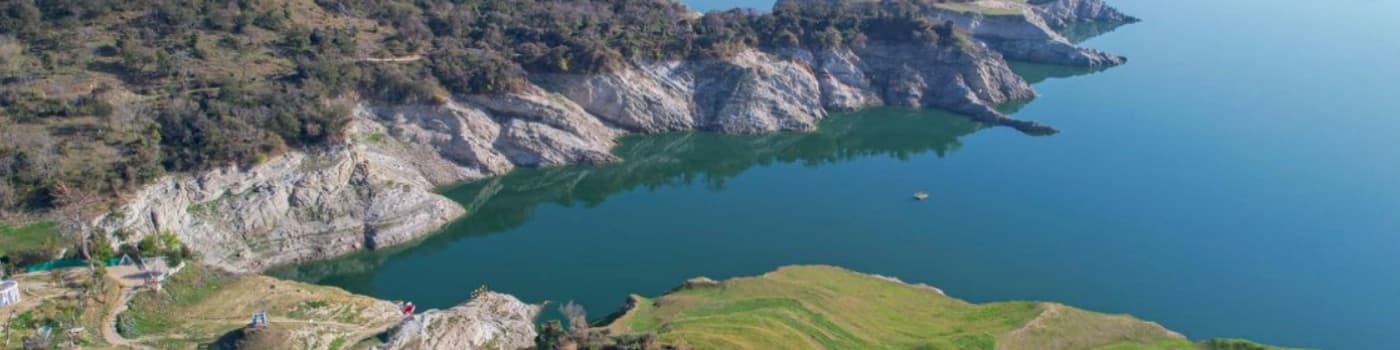
Una is a city in the southwestern part of Himachal Pradesh, close to the Punjab border. Its location at the transition between the plains and the Shivalik foothills gives the district a landscape of gentle hills, fertile fields and rural settlements. As the administrative headquarters of Una district, the city serves as an important centre for trade, transport and everyday commerce, connecting Himachal Pradesh with neighbouring parts of northern India.
Una has a strong religious identity, with temples and pilgrimage sites drawing devotees throughout the year. The district is particularly known for Chintpurni Temple, one of the revered Shakti Peeth pilgrimage destinations in northern India. Other important shrines, including Dera Baba Bharbhag Singh at Mairi, add to the area's spiritual significance and attract visitors during major religious gatherings.
The region also has connections to Sikh history and culture, with historic gurdwaras and religious institutions located in and around the district. Local fairs and festivals bring communities together through worship, traditional customs and seasonal celebrations. These traditions remain an important part of Una's cultural life.
Beyond its religious landmarks, Una offers access to the countryside and foothill scenery of western Himachal Pradesh. The surrounding area features agricultural land, small villages and routes towards the hill districts, while local markets showcase the region's food and daily life. With its strategic location, prominent pilgrimage centres and blend of Punjabi and Himachali influences, Una provides a distinctive introduction to the lower Himalayan region.
Places to Visit in Una
- Maa Chintpurni Temple: Located in the village of Chintpurni, this revered shrine is one of the major Shakti Peeth pilgrimage destinations in northern India. Dedicated to Goddess Chhinnamastika, the temple attracts devotees throughout the year, particularly during the Navratri festivals. Its position in the Shivalik hills gives the surrounding pilgrimage area a distinctive setting, while the temple’s religious traditions make it one of the most significant landmarks in Una district.
- Dera Baba Bharbhag Singh, Mairi: Situated in Mairi village, this prominent Sikh pilgrimage centre is associated with Baba Bharbhag Singh, a revered spiritual figure. The gurdwara complex draws devotees from Himachal Pradesh, Punjab and other parts of northern India. The annual Hola Mohalla gathering is especially important, bringing large crowds for prayers and religious observances. The peaceful surroundings and strong devotional atmosphere make the site an important part of Una’s spiritual heritage.
- Kila Baba Bedi Ji: Kila Baba Bedi Ji is a historic landmark associated with the Bedi family, descendants of Guru Nanak Dev Ji. The site connects Una with Sikh history and the legacy of one of the most influential spiritual traditions of the region. Its historical associations distinguish it from the district’s many pilgrimage temples and make it a point of interest for those exploring the area’s cultural past.
- Pir Nigaha: Pir Nigaha is a well-known religious site in the Una region, visited by devotees from different communities. The shrine is associated with local spiritual traditions and is particularly active during religious gatherings and fairs. Its continued popularity reflects the shared devotional practices found in parts of Himachal Pradesh and neighbouring Punjab.
- Baba Rudranand Ashram, Amlehar: Located in Amlehar village, this religious centre is associated with Baba Rudranand and is known for its Shiva temple and spiritual atmosphere. The ashram attracts devotees seeking a quieter place for prayer and reflection. Its village setting also offers a sense of the religious traditions that remain closely connected with everyday life in Una district.
- Kaleshwar Mahadev Temple: Kaleshwar Mahadev Temple is an important Shiva shrine in the wider Una region, drawing devotees for worship and religious occasions. The temple is associated with traditional beliefs surrounding Lord Shiva and serves as a gathering place for pilgrims from nearby settlements. Visitors can experience the devotional customs and local practices that shape religious life in this part of Himachal Pradesh.
- Kutlehar Forts: The Kutlehar Forts are remnants of the region’s former hill-state history, located in the elevated areas of Una district. Associated with the old Kutlehar princely territory, these historic structures reflect the strategic importance of the surrounding hills in earlier times. The area also offers views across the countryside and nearby valleys. Access to individual ruins may vary, so local guidance is advisable before visiting.
- Bangana and Piplu: The Bangana–Piplu area is known for its rural landscape, hilltop viewpoints and traditional settlements. Piplu, situated in the Sola Singhi hills, offers expansive views towards the Gobind Sagar reservoir. The area provides a contrast to Una’s busy town centre, with winding roads, open countryside and a quieter atmosphere. It is particularly appealing to those interested in scenic drives and the lesser-known landscapes of the district.
- Pong Dam and Maharana Pratap Sagar: Located on the Beas River near the northern edge of the wider region, Pong Dam creates the large Maharana Pratap Sagar reservoir. The surrounding wetland is internationally recognised for its birdlife and attracts migratory birds during the winter months. The reservoir and its surroundings offer opportunities for nature appreciation, birdwatching and photography. Since the site extends across a neighbouring district, travel time from Una depends on the chosen access point.
- Thaneek Pura: Thaneek Pura is a small settlement in the Chintpurni area, known for its peaceful surroundings and proximity to the major pilgrimage centre. The locality provides a quieter base away from the busiest temple approaches, with views of the surrounding hills and countryside. Its location makes it useful for exploring the religious attractions in this part of Una district.
- Swan River Valley: The Swan River runs through Una district and shapes much of its agricultural landscape. The river is largely seasonal, with its flow changing considerably between dry periods and the monsoon. The surrounding valley features fields, villages and low hills, offering a glimpse of the region’s rural character. Visitors should exercise caution near the riverbed, particularly during and after heavy rainfall.
- Una Local Market: Una’s local market is a useful place to experience the everyday character of the town. Shops sell clothing, household goods, regional produce, sweets and other everyday essentials, while local eateries serve familiar Himachali and Punjabi dishes. The market is more of a cultural stop than a formal sightseeing attraction, giving visitors a chance to observe local life and sample regional flavours.
Best Time to Visit Una
The best time to visit Una is generally from October to March, when temperatures are more comfortable for exploring temples, religious centres and the surrounding countryside. The district experiences hot summers and a monsoon season with substantial rainfall, so the most suitable travel period depends on the weather and the activities planned.
- Summer (April to June): Summers in Una can be hot, particularly during May and June, when daytime temperatures often rise considerably. Early mornings and evenings are more comfortable for visiting Chintpurni Temple and other religious sites. Travellers planning outdoor excursions should carry water, wear light clothing and avoid prolonged exposure to the midday heat.
- Monsoon (July to September): The monsoon brings rainfall that refreshes the surrounding hills and agricultural areas. The countryside becomes greener, but heavy showers may affect road conditions and outdoor plans. Visitors travelling to hillside locations should check local weather forecasts and road updates, especially during periods of intense rainfall.
- Winter (October to March): Winter is generally the most comfortable season for sightseeing in Una, with pleasant daytime conditions during much of the period. It is well suited to temple visits, exploring local heritage sites and taking trips through the surrounding countryside. Religious gatherings, including celebrations at Chintpurni Temple and Dera Baba Bharbhag Singh, may attract large crowds on specific dates, so advance planning can be helpful.
How to Reach Una
Una is well connected to major destinations in Himachal Pradesh and neighbouring Punjab by air, rail and road. Its location near the state border makes it accessible from several transport hubs across northern India.
- By Air: The nearest major airport is Chandigarh International Airport, approximately 120–130 km from Una. From the airport, travellers can hire a taxi or continue by bus via Chandigarh and other connected towns. Kangra Airport at Gaggal is another option, although it is farther away and has a more limited range of flight connections.
- By Rail: Una Himachal Railway Station connects the town with destinations including Nangal Dam and other stations on the rail network. Services and connections vary by route, so checking the current timetable is advisable. Travellers seeking a wider choice of trains can also consider Nangal Dam Railway Station, located across the Punjab border, and continue to Una by road.
- By Road: Una has good road connections with Chandigarh, Hoshiarpur, Anandpur Sahib and other towns across Himachal Pradesh and Punjab. Himachal Road Transport Corporation and private bus operators provide services on several regional routes. Taxis and private vehicles are also convenient options for reaching Una and visiting nearby attractions such as Chintpurni Temple and Dera Baba Bharbhag Singh.


 English
 Chinese (Simplified)
 Dutch
Dutch French
 German
 Hebrew
 Italian
 Portuguese (Brazil)
 Russian
 Spanish
 Arabic