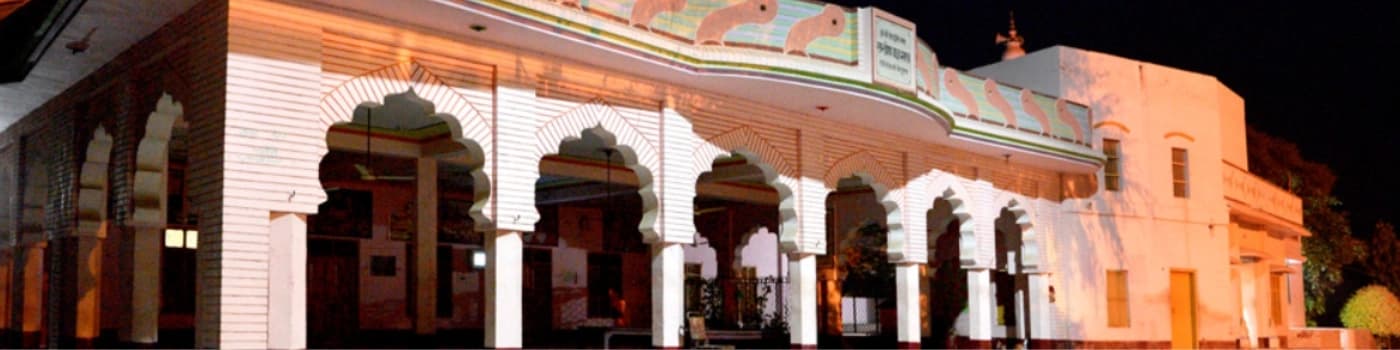
Located in central Haryana, Jind is one of the state’s historically significant cities, known for its ancient religious traditions, archaeological heritage and association with the former princely state of Jind. Its cultural identity is closely linked to the sacred landscape of Kurukshetra and the legends of the Mahabharata.
According to local tradition, Jind takes its name from Jaintapuri, meaning the abode of Goddess Jainti Devi. Legend holds that the Pandavas worshipped the goddess here before the Kurukshetra war, and a settlement gradually developed around the temple. Jind also played a notable role in the political history of Haryana. The legacy of this period is reflected in historic structures such as the Fort of Jind, while religious landmarks such as Bhuteshwar Temple and Jayanti Devi Temple remain important parts of the city’s heritage.
The wider district is home to several sacred destinations, including Pandu-Pidara, Ramrai and Safidon, each associated with religious traditions and local legends. These sites attract devotees during important observances and fairs, preserving customs that have been passed down through generations.
Today, Jind combines ancient settlement history, religious landmarks and the legacy of a former princely state. Its temples, heritage structures and traditional pilgrimage sites offer a glimpse into the historical and cultural character of central Haryana.
Places to Visit in Jind
- Bhuteshwar Temple and Rani Talab: Bhuteshwar Temple is one of Jind’s prominent Shiva shrines, associated with the former rulers of the princely state. The temple is situated next to Rani Talab, a large sacred tank that is an important part of the religious landscape. The water body and shrine together create a distinctive setting for worship, particularly during festivals dedicated to Lord Shiva. The complex is also a reminder of the role that religious institutions and water structures played in the development of historic towns.
- Jayanti Devi Temple: Jayanti Devi Temple is closely connected with the traditional account of how Jind acquired its name. According to local legend, the Pandavas worshipped Goddess Jayanti, regarded as the goddess of victory, before the battle of Kurukshetra. The settlement that developed around the shrine was believed to have been called Jaintapuri, a name that gradually evolved into Jind. The temple continues to be a place of worship and is an important landmark in the city’s religious history.
- Pandu Pindara: Situated about 6.5 km from Jind on the road towards Gohana, Pandu Pindara is a pilgrimage site associated with ancestral rites. Local tradition holds that the Pandavas performed pind daan here in memory of relatives who died during the Mahabharata war. The site draws particularly large gatherings on Somvati Amavasya, when devotees visit to perform rituals for their ancestors. Its continuing religious use makes it one of the district’s significant pilgrimage destinations.
- Ramrai: Located west of Jind along the Jind–Hansi road, Ramrai is a traditional pilgrimage site associated with Parashurama, a revered figure in Hindu mythology. The area is linked to legends concerning his religious observances and the sacred pools known as Ramahrada. An old temple dedicated to Parashurama is among the principal landmarks here. Ramrai attracts devotees for its religious associations and customary observances, particularly on auspicious bathing days.
- Ancient Fort at Safidon: The historic fort at Safidon dates to the eighteenth century and is associated with the early rulers of the princely state of Jind. Built as a fortified stronghold, it features defensive bastions that reflect its former military purpose. The structure formed part of the political and strategic landscape of the region during the period when local ruling families were consolidating their territories. Safidon is also linked to the Mahabharata tradition of King Janamejaya’s serpent sacrifice, giving the town both historical and religious significance.
- Fort of Jind: The Fort of Jind was built in the eighteenth century under Raja Gajpat Singh, who established Jind as the capital of his princely state. The fort once served as a centre of administration and defence, reflecting the importance of the town during the formation of the state. Although much of the original structure has disappeared amid later urban development, its history remains closely connected with the rise of Jind as a political centre.
- Dhamtan Sahib Gurudwara: Located near Narwana, Dhamtan Sahib is an important Sikh pilgrimage destination in Jind district. The site is associated with Guru Tegh Bahadur, the ninth Sikh Guru, who is traditionally believed to have stayed in the area during his travels. The principal gurudwara commemorates this connection and welcomes devotees who come to offer prayers. Local traditions also link Dhamtan with the sage Valmiki and events described in the Ramayana, adding another layer to its religious significance.
- Hansdehar: Hansdehar is a village pilgrimage site associated with the sage Kardama and his son Kapila in Hindu tradition. The locality contains a Shiva temple and Bindusar Tirtha, a sacred water body visited by devotees for ritual bathing. According to local belief, the area was once connected with the ancient Saraswati River. Religious gatherings are especially associated with auspicious lunar dates, when pilgrims visit to perform customary observances.
- Shah Walayat Shrine: The Shah Walayat Shrine is a religious landmark in Jind associated with Sufi tradition. The site serves as a place of devotion for visitors who come to pay their respects, and an annual urs is held in honour of the saint. Such gatherings preserve the region’s Sufi customs and form part of its diverse religious heritage.
- Hazrat Gaibi Sahib’s Tomb, Narwana: Located in Narwana, within Jind district, the tomb of Hazrat Gaibi Sahib is associated with a local Sufi saint. Traditional accounts describe the saint as having mysteriously disappeared, a story reflected in the name by which he is remembered. A tank near the tomb adds to the character of the site. The shrine remains part of Narwana’s religious landscape and offers an example of the Sufi traditions found across Haryana.
- Qilla Jafargarh: Qilla Jafargarh is a historic fortification situated along the Jind–Rohtak road, near the boundary of the Jind district. It forms part of the region’s legacy of fortified settlements and reflects the strategic importance of local strongholds in earlier periods. The site is of interest to those exploring the lesser-known historical structures scattered across central Haryana. Visitors should check local access conditions before planning a stop.
- Bodh Stupa: Bodh Stupa is a large, rounded masonry structure listed among the historical attractions of Jind by Haryana Tourism. Its solid, elevated form distinguishes it from the region’s better-known temples and forts. The monument adds to the range of historical structures found across the district, although detailed information about its origins and historical context is limited. It is best presented as a heritage landmark rather than assigning it a more specific religious or archaeological identity without further evidence.
Best Time to Visit Jind
The best time to visit Jind is October to March, when the cooler weather makes it easier to explore the city’s temples, historic structures and nearby pilgrimage sites. Summers can be intensely hot, while the monsoon brings rainfall and increased humidity.
- Summer (April to June): Summer in Jind is marked by intense heat and dry weather, with daytime temperatures reaching around 40°C or higher in May and June. Outdoor sightseeing is more comfortable in the early morning or late afternoon.
- Monsoon (July to September): Rainfall is concentrated mainly in July and August. The showers bring some relief from the summer heat, although humid conditions and occasional heavy rain may affect outdoor plans.
- Winter (October to March): The cooler months are generally suitable for exploring Jind and its surrounding religious destinations. November and February often offer comfortable conditions for sightseeing, while December and January can bring chilly mornings and nights. Warm clothing is advisable during the coldest weeks.
How to Reach Jind
- By Air: The nearest major airport is Indira Gandhi International Airport in New Delhi, which is about 130–140 km from Jind by road. From the airport, taxis and other road transport options are available for the onward journey.
- By Rail: Jind has its own main railway station, which has train connections to Delhi and other towns across Haryana and neighbouring states. Train services make rail travel a convenient option for reaching the city from several parts of northern India.
- By Road: Jind is connected by road to Delhi, Chandigarh, Patiala and other important cities in Haryana and Punjab. Regular bus services operate between Jind and nearby towns, while taxis and private vehicles offer flexibility for the journey.


 English
 Chinese (Simplified)
 Dutch
Dutch French
 German
 Hebrew
 Italian
 Portuguese (Brazil)
 Russian
 Spanish
 Arabic