Logo
  • +91 431 4226100
    • EnglishEnglish
    • Chinese (Simplified)Chinese (Simplified)
    • DutchDutch
    • FrenchFrench
    • GermanGerman
    • HebrewHebrew
    • ItalianItalian
    • Portuguese (Brazil)Portuguese (Brazil)
    • RussianRussian
    • SpanishSpanish
Kerala

Kerala

The Land of Backwaters, Spices, and Serene Beaches

About Kerala

Introduction

Kerala, known as God’s Own Country, is a convergence of geography, culture, biodiversity, and human harmony that makes it one of the most distinctive travel destinations in the world.
Located along the south-western coast of India, between the Arabian Sea and the UNESCO-listed Western Ghats, Kerala offers an extraordinary range of landscapes within a compact area.

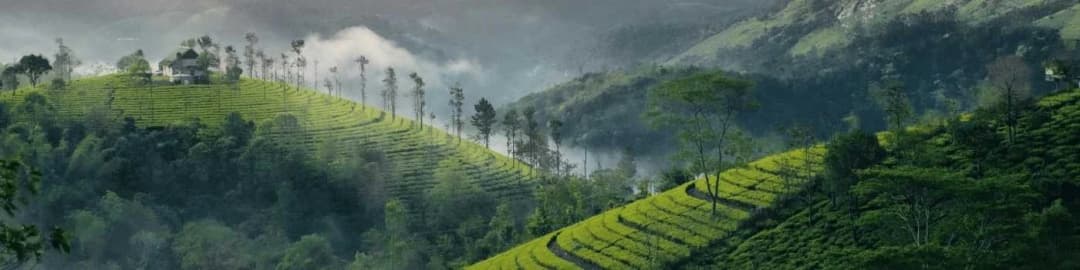
Emerald tea plantations, mist-covered hills, palm-lined beaches, tropical rainforests, and cascading waterfalls are all part of the beauty that make this destination easy to travel through. In addition to the scenic wonders, the lush tropical climate, nourishing monsoons, and an extensive network of rivers, lakes, and backwaters help bring life to Kerala with each passing day.

Even though the beauty of the land is apparent, the uniqueness of Kerala goes beyond the breathtaking landscapes; it extends to its culture, deeply rooted in tradition, and to a very progressive society that supports everyone who lives there.

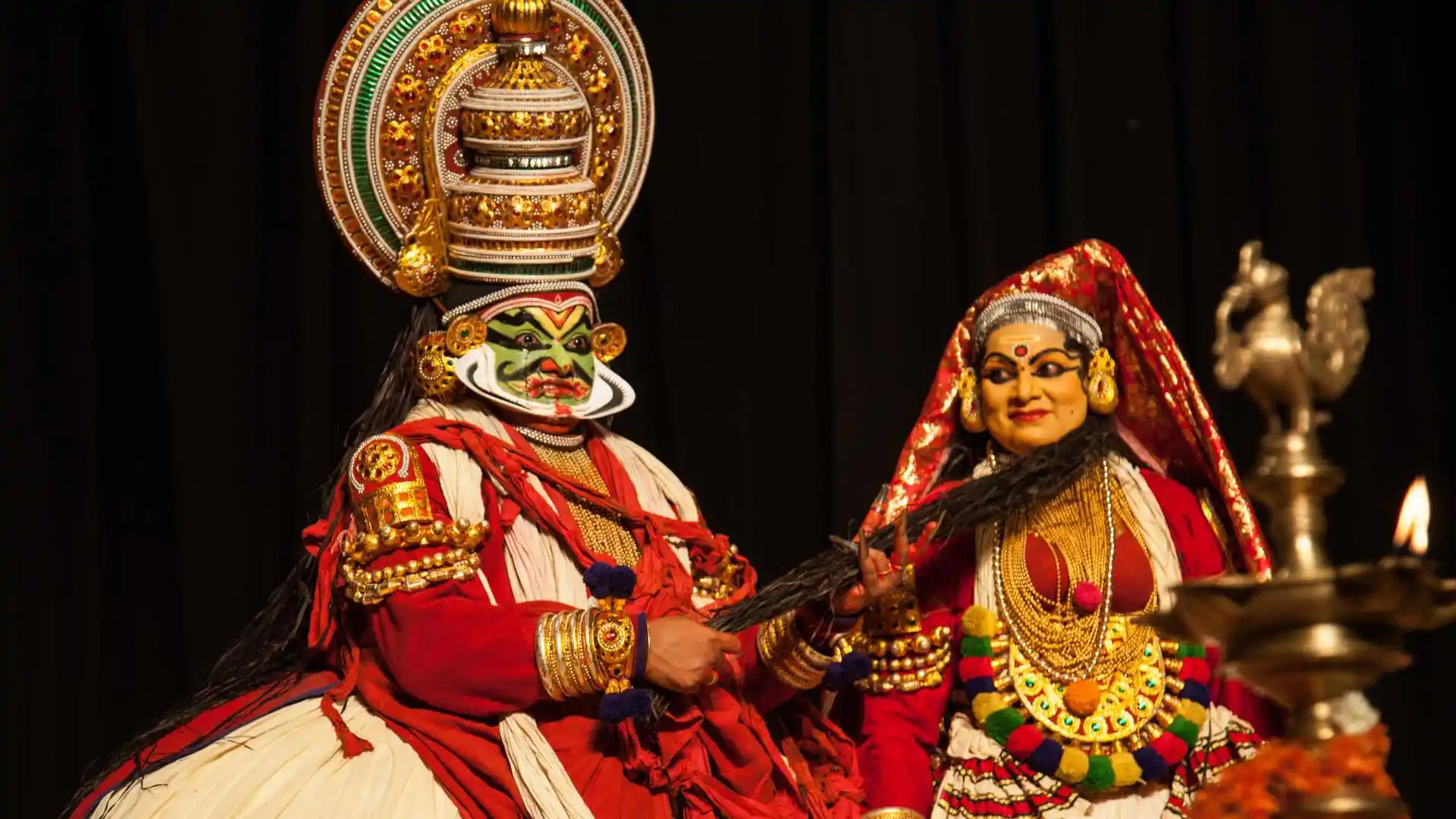
The people of Kerala, Malayalis, are known for exceptional levels of literacy, life expectancy, gender balance, and public health care worldwide, while still preserving traditions that date back centuries. Many ancient dance styles, including Kathakali, Mohiniyattam, Kalaripayattu, and Theyyam, are still being practised alongside modern education and urban development.

Many of Kerala's festivals, such as Onam, Vishu, and Thrissur Pooram, demonstrate the culture of celebration and inclusiveness that its people share, as well as their ability to find joy together. The coexistence of the Hindu, Muslim, and Christian communities providesala has formed a pluralistic culture that can be seen in everything, from architecture and cuisine to everyday life.
Kerala’s global fame is also inseparable from its historic relationship with nature and trade.

For over two thousand years, its spice-rich hills attracted traders from Arabia, Europe, and East Asia, leaving behind a legacy of cosmopolitan port cities such as Kochi and Kozhikode.

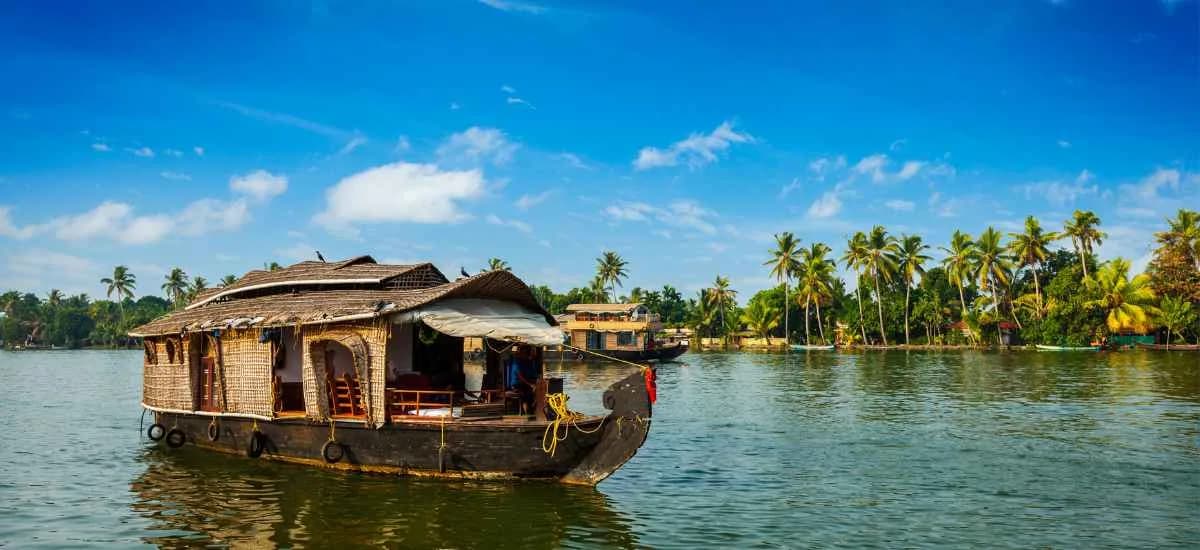
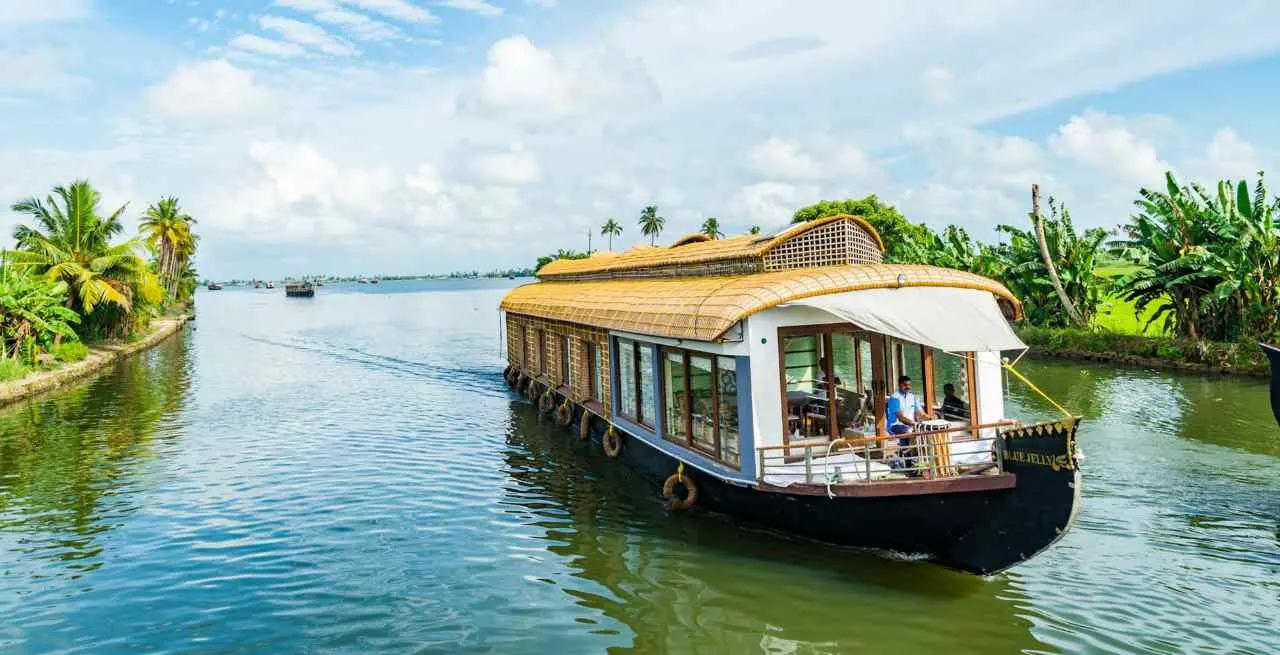
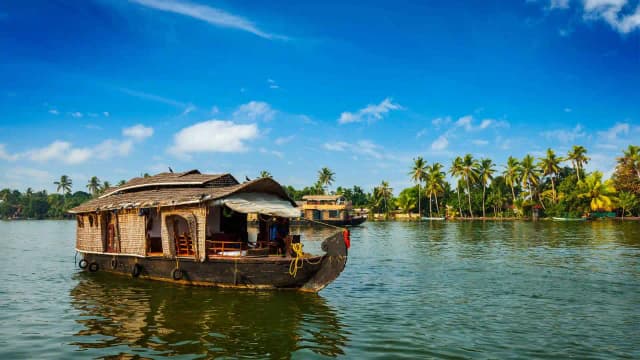
Today, this heritage blends seamlessly with modern tourism experiences, from luxury houseboat cruises on Vembanad Lake and wildlife safaris in Periyar and Wayanad to rejuvenating Ayurveda therapies rooted in ancient wellness science.

What truly elevates Kerala is the balance it maintains between tourism and sustainability. Protected forests, wildlife corridors, responsible backwater tourism, community-run homestays, and eco-friendly hill station practices reflect a conscious approach to preserving its fragile ecosystems. Excellent connectivity through international airports, rail networks, and highways makes Kerala easily accessible, yet once inside, the pace of life slows into something deeply restorative. 
Whether experienced as a honeymoon destination, family holiday, wellness retreat, cultural journey, or nature escape, Kerala offers more than sightseeing. It offers a sense of calm, continuity, and connection, making every journey through this lush land not just a vacation, but a lasting emotional experience.

This seamless integration of nature and society allows travellers to explore responsibly, learn deeply, and reconnect meaningfully, making Kerala not merely a destination on the map of India, but a benchmark for sustainable and soulful travel worldwide. Its enduring charm lies in authenticity, accessibility, safety, and an unmatched ability to feel timeless yet contemporary universally.

Best time to Visit

Kerala is a year-round destination, and each season reveals a different side of its natural beauty, culture, and travel experiences. Rather than a single “best” time, Kerala offers season-specific advantages, making it suitable for leisure, wellness, adventure, and cultural travel across the year. Below is a clear, experience-led breakdown of Kerala’s three main travel seasons.

Winter Season (October to March)

Weather: Pleasant temperatures (20°C-32°C), low humidity, clear skies
Best for: First-time visitors, families, honeymooners, sightseeing trips
What Kerala offers in winter

  • Ideal conditions for houseboat cruises in Alleppey and Kumarakom
  • Comfortable exploration of hill stations like Munnar, Wayanad, and Vagamon
  • Perfect weather for beaches in Varkala, Kovalam, Marari, and Kannur
  • Excellent time for wildlife safaris in Periyar and Silent Valley
  • Peak season for festivals like Onam (early season), Christmas, New Year, Thrissur Pooram

Why choose winter: Maximum accessibility, best visibility, and the widest range of travel experiences

Summer Season (April to May)

Weather: Warm days, cooler evenings in higher altitudes
Best for: Budget travellers, off-season explorers, mountain retreats
What Kerala offers in summer

  • Refreshing escapes to Munnar, Wayanad, Thekkady, Ponmudi
  • Fewer crowds and better hotel deals
    Ideal for plantation visits, nature walks, and trekking
  • Local cultural life and slower-paced travel experiences

Why choose summer: Cost-effective travel with serene landscapes in the hills

Monsoon Season (June to September)

Weather: Frequent rainfall, lush greenery, and misty landscapes
Best for: Ayurveda seekers, couples, nature lovers, photographers
What Kerala offers in the monsoon

  • Peak season for Ayurveda and wellness therapies, as per traditional medicine
  • Spectacular waterfalls, rivers, and rain-washed forests
  • Romantic backwater views and dramatic hill scenery
  • Reduced crowds and attractive package pricing

Why choose monsoon: Deep connection with nature, wellness-focused travel, and visual richness

Seasonal Summary

  1. Oct-Mar: Best weather, complete Kerala experience
  2. Apr-May: Hill stations, budget travel, quieter destinations
  3. Jun-Sep: Wellness, monsoon beauty, immersive nature experience

How to Reach

Kerala is one of the best-connected states in India, making it easily accessible for domestic and international travellers. Its strong air, rail, and road infrastructure ensures smooth entry into the state, whether you are travelling for leisure, wellness, business, or long holidays.

By Air

Air travel is the most efficient way to reach Kerala, especially for long-distance and international travellers.

International Airports in Kerala:

  • Cochin International Airport (Kochi) - India’s first fully solar-powered airport and the busiest gateway to Kerala
  • Thiruvananthapuram International Airport - Ideal for South Kerala destinations like Kovalam, Varkala, Poovar
  • Kozhikode International Airport - Best for North Kerala, Wayanad, Kannur, and the Malabar region

Connectivity:

  • Direct flights from major Indian cities such as Delhi, Mumbai, Bangalore, Chennai, Hyderabad, and Kolkata
  • Strong international connectivity with the Middle East, Southeast Asia, and Europ

By Train

Travelling to Kerala by train offers a comfortable and economical option, especially from South and Central India.

Major Railway Stations:

  • Thiruvananthapuram Central Junction
  • Ernakulam Junction (Kochi)
  • Kozhikode Railway Station
  • Thrissur Railway Station
  • Kollam Railway Station

Rail Network:

  • Kerala is connected to all major Indian cities through long-distance express and superfast trains.
  • The coastal railway route offers scenic views of rivers, coconut groves, and backwaters

By Road

Kerala is well linked to neighbouring states through a dense network of highways and state roads.

National Highway Connectivity

  • NH 66 (along the coast)
  • NH 544 (Tamil Nadu to Kochi corridor)
  • NH 766 (Bangalore-Wayanad route)

Road Travel Options:

  • Luxury and sleeper buses from Bangalore, Chennai, Coimbatore, and Mangalore
  • Self-drive routes through the Western Ghats and forest corridors
  • Private taxis and tour vehicles are widely available

Kerala at Glance

  • Latitude & Longitude: Kerala lies between 8°18′ and 12°48′ North latitude and 74°52′ and 77°22′ East longitude, along the southwestern coast of India, bordered by the Arabian Sea and the Western Ghats.
  • Time Zone: Indian Standard Time (IST), UTC +5:30
  • Highest Hill / Peak: Anamudi (2,695 metres), located in the Western Ghats near Munnar, is the highest peak in Kerala and also the tallest mountain in South India.
  • Total Area: 38,863 square kilometres, making Kerala one of India’s smaller states by area, yet among the most densely populated.
  • Government: Democratic, parliamentary system under the Indian Constitution, known for strong local self-governance, decentralised planning, and high civic participation.
  • Capital City: Thiruvananthapuram, the administrative and political capital of Kerala.
  • Official Language: Malayalam (primary language); English is widely used in education, administration, business, and tourism.
  • Population: Approximately 31.8 million people, with a high literacy rate, favourable sex ratio, and strong human development indicators.
  • Neighbouring States: Tamil Nadu to the east, Karnataka to the north, Arabian Sea to the west

Geography and Physical Features

Kerala’s geography is one of the most distinctive in India, shaped by its narrow land strip running between the Arabian Sea and the Western Ghats. This unique positioning creates extraordinary biodiversity, fertile landscapes, and a climate that supports rich ecosystems and human settlement.

Physiographic Divisions:

  • Coastal Plains: Low-lying regions with beaches, lagoons, estuaries, and fishing villages
  • Midland Plains: Rolling hills, paddy fields, coconut groves, and dense settlements
  • Highlands (Western Ghats): Mountain ranges, tea plantations, forests, and wildlife reserves

Western Ghats

  • A UNESCO World Heritage Site
  • Acts as a climatic barrier influencing rainfall and temperature
  • Source of most rivers and home to endemic flora and fauna

This balanced geography supports agriculture, inland waterways, forests, and one of the highest population densities in the country.

Rivers, Lakes, Backwaters, and the Arabian Sea

Water defines Kerala’s identity more than any other natural element.

Rivers

  • Kerala has 44 rivers (41 west-flowing, 3 east-flowing)
  • Major rivers include Periyar, Bharathapuzha, Pamba, Chaliyar, Kallada, and Achankovil
  • Rivers support agriculture, drinking water supply, inland navigation, and temple traditions

Backwaters & Lakes

  • A vast network of lagoons, canals, and lakes, unique to Kerala
  • Vembanad Lake is the longest lake in India
  • Ashtamudi Lake and Sasthamkotta Lake are key freshwater ecosystems
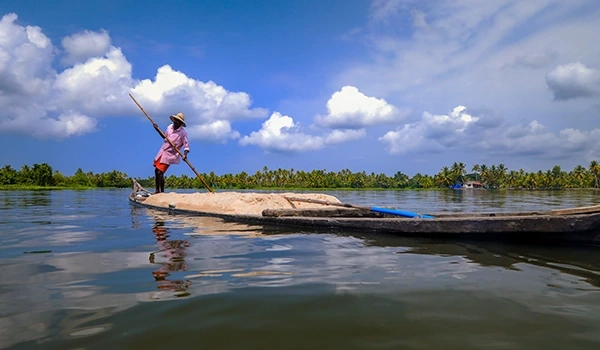
  • Backwaters form the backbone of Kerala’s houseboat tourism and rural economy

Arabian Sea

  • Kerala has a 590 km long coastline
  • Influences climate, fishing livelihoods, spice trade history, and coastal culture
  • Major ports include Kochi, historically one of India’s most important trading harbours

Climate and Weather

Kerala experiences a tropical monsoon climate, moderated by the sea and mountains.

Temperature Range

  • Coastal areas: 23°C-34°C
  • Hill regions: Cooler, especially in Munnar and Wayanad

Monsoons

  • Southwest Monsoon (June-September): Primary rainfall season
  • Northeast Monsoon (October-November): Secondary rainfall

Seasonal Characteristics

  • High humidity near the coast
  • Cooler, misty conditions in the highlands
  • Consistent greenery throughout the year
  • This climate supports year-round vegetation, plantation agriculture, and Kerala’s globally renowned Ayurveda system.

Wildlife, Forests, and National Parks

Kerala is one of India’s richest states in terms of biodiversity and forest cover, largely due to the Western Ghats.

Forest Cover:

  • Nearly 30% of the state is under forest
  • Includes tropical rainforests, moist deciduous forests, and montane grasslands

National Parks & Wildlife Sanctuaries:

  • Periyar National Park: Elephants, birds, lake ecosystem
  • Silent Valley National Park: Pristine rainforest, endemic species
  • Eravikulam National Park: Home to the endangered Nilgiri Tahr
  • Wayanad Wildlife Sanctuary: Part of Nilgiri Biosphere Reserve
  • Parambikulam Tiger Reserve: Rich in flora and fauna

Faunal Diversity:

  • Asian elephants, tigers, leopards, lion-tailed macaques
  • Over 500 bird species
  • High number of endemic plants and amphibians

Kerala’s conservation model balances human habitation with ecological protection, making it a leader in sustainable tourism.


Soil, Agriculture, and Natural Resources

Soil Types

  • Laterite soil in midlands
  • Alluvial soil along river basins
  • Forest soil in the highlands

Agricultural Strength

  • Ideal conditions for rice, coconut, rubber, spices, tea, and coffee
  • Long growing seasons supported by rainfall and river systems

Natural Wealth

  • Spices, coir, fisheries, and forest produce
  • Strong relationship between geography and traditional livelihoods

Why Kerala’s Geography is Exceptional


Kerala’s physical setting creates a rare balance of mountains, water systems, forests, fertile land, and coastline within a compact area. This geographical harmony directly influences climate stability, biodiversity, cultural practices, cuisine, settlement patterns, and high human development outcomes. Kerala is not just shaped by nature; it lives in continuous conversation with it.


Culture and Traditions

Kerala’s culture is a refined blend of ancient traditions, artistic excellence, social harmony, and lived heritage, shaped by geography, history, and a strong community-centric way of life. Rooted deeply in ritual yet adaptive to time, Kerala’s cultural identity expresses itself through classical arts, folk traditions, clothing, architecture, festivals, and everyday practices that remain integral to modern society.


Dance and Theatre

Dance and theatre in Kerala are not merely performance arts; they are ritualistic expressions of mythology, philosophy, and devotion.

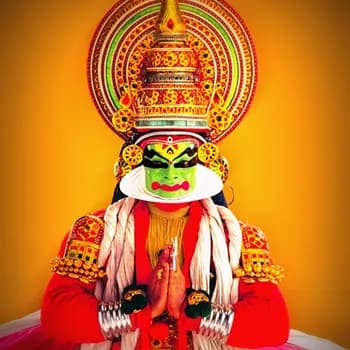
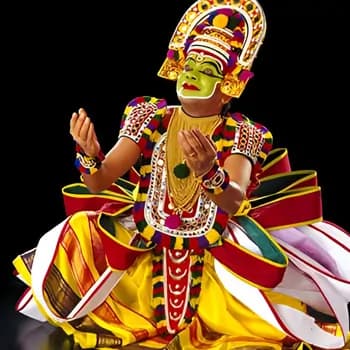
  • Kathakali is Kerala’s most iconic classical dance-theatre, known for its elaborate makeup, towering headgear, symbolic facial expressions, and hand gestures (mudras). Performances narrate stories from the Ramayana and Mahabharata, traditionally staged overnight in temple courtyards.
  • Mohiniyattam, the graceful classical dance form of Kerala, embodies femininity and devotion. Characterised by soft movements, circular patterns, and emotive storytelling, it reflects themes of love, surrender, and spiritual longing.
  • Koodiyattam, one of the world’s oldest surviving Sanskrit theatre traditions, is recognised by UNESCO as an Intangible Cultural Heritage. It is highly stylised, slow-paced, and deeply symbolic.
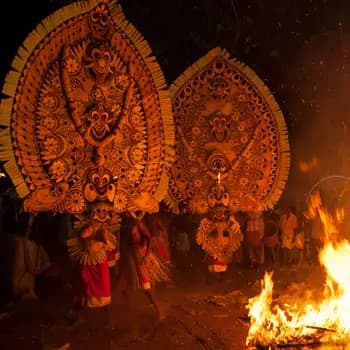
  • Theyyam, a powerful ritual performance of North Kerala, blends dance, trance, and worship. Performers transform into living deities through costumes, fire rituals, and intense music.
  • Ottam Thullal, introduced by poet Kunchan Nambiar, combines humour, satire, and social commentary, making classical ideas accessible to common people.

Music and Oral Traditions: Rhythm as Memory

Kerala’s musical traditions are closely tied to its ritual arts and festivals.

  • Sopana Sangeetham is temple-based classical music, performed on the steps (sopana) of sanctums, marked by slow tempo and devotional depth.
  • Panchavadyam and Chenda Melam are percussion ensembles performed during temple festivals, featuring instruments such as chenda, maddalam, ilathalam, and kombu.
  • Folk songs, ballads, and ritual chants preserve oral histories, agricultural cycles, and local myths, especially in rural and tribal communities.
  • Music in Kerala is collective in spirit, emphasising harmony, timing, and communal participation.


Festivals and Ritual Life: Community at the Centre

Festivals in Kerala transcend religion and function as social unifiers.

  • Onam, the harvest festival, celebrates the legendary King Mahabali and symbolises equality and prosperity. Floral designs (pookalam), snake boat races (vallam kali), and grand feasts (Onasadya) define the celebrations.
  • Vishu, the Malayalam New Year, represents renewal and auspicious beginnings.
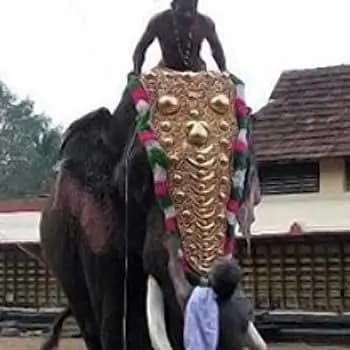
  • Thrissur Pooram, one of Asia’s grandest temple festivals, showcases majestic elephants, percussion orchestras, and fireworks.
  • Muslim and Christian festivals like Eid and Christmas are celebrated with equal enthusiasm, reflecting Kerala’s pluralistic ethos.

Traditional Clothing: Simplicity with Symbolism

Kerala’s traditional attire reflects its climate, values, and aesthetics.

  • The Kasavu Mundu (for men) and Kasavu Settu Mundu (for women) are white or off-white garments bordered with gold zari, symbolising purity and prosperity.
  • During festivals and rituals, traditional clothing is worn across communities, reinforcing cultural continuity.
  • Jewellery, often minimal yet elegant, complements the understated attire.

Architecture and Heritage

Kerala’s traditional architecture responds intelligently to climate and environment.

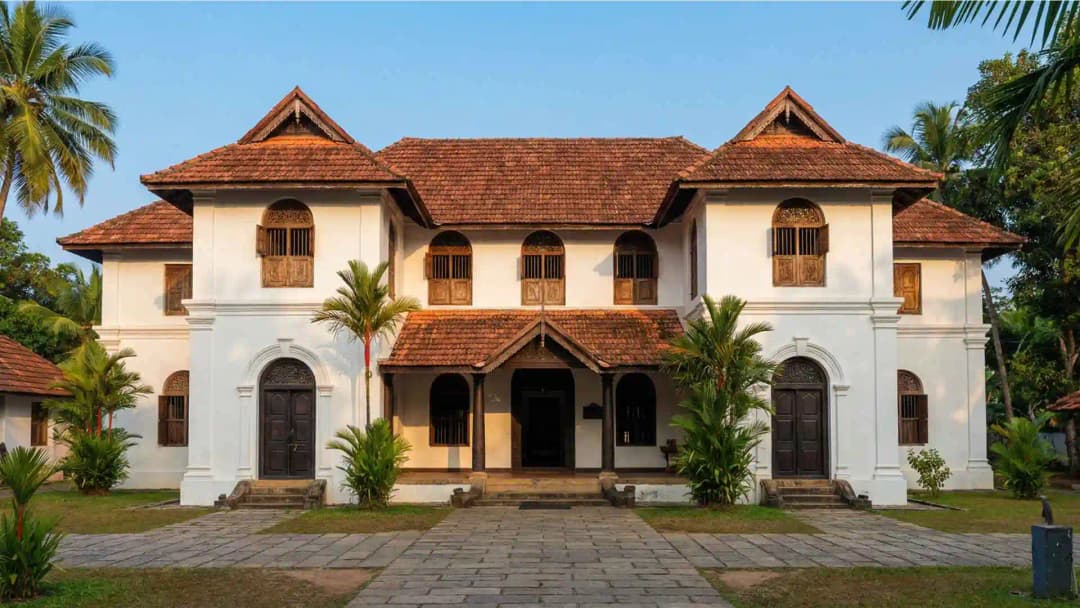
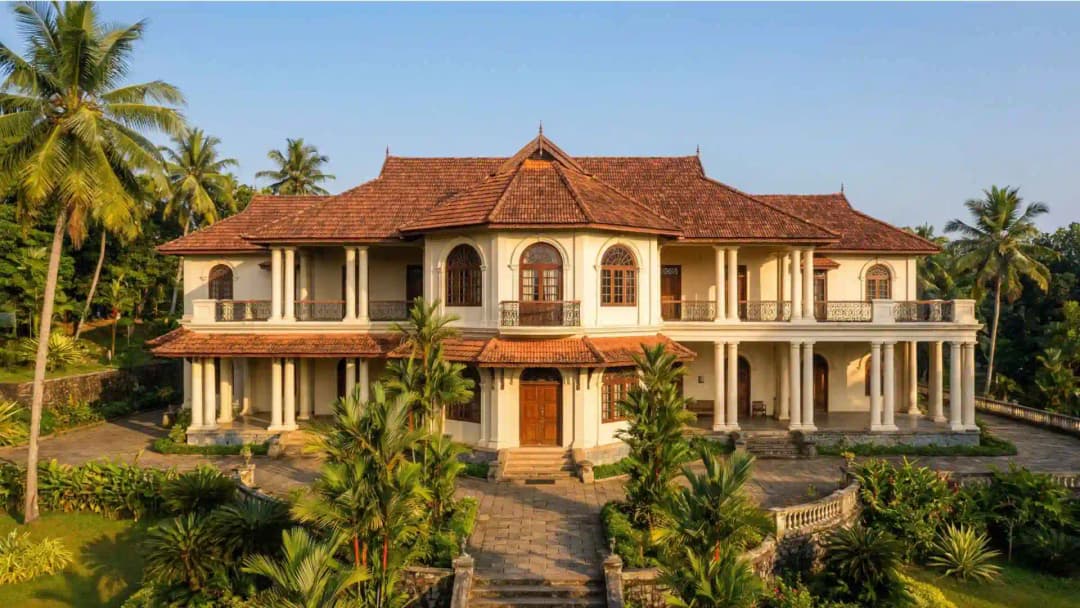
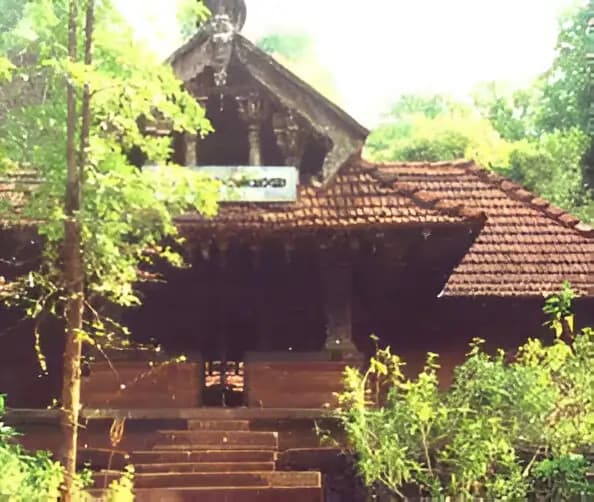
  • Sloping roofs, inner courtyards (nadumuttam), wooden carvings, and laterite stone define nalukettu and ettukettu houses.
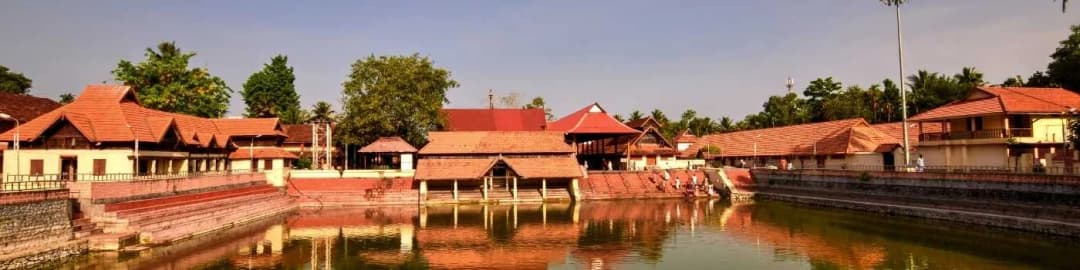
  • Temples, churches, mosques, and synagogues coexist, each reflecting unique architectural influences while sharing local materials and craftsmanship.

Daily life in Kerala is guided by education, social equality, literacy, and civic awareness, making culture a lived experience rather than a preserved artifact. Kerala’s culture stands apart for its balance between ritual and reform, tradition and progress. Its arts are deeply spiritual, its clothing is elegant yet practical, and its festivals reinforce collective identity. More than spectacle, Kerala’s cultural traditions are systems of knowledge, memory, and harmony, sustained not by nostalgia, but by everyday practice.


Food and Cuisine

Kerala’s food and cuisine reflect its geography, climate, agricultural abundance, and cultural diversity, making it one of India’s most distinctive culinary landscapes. Defined by the liberal use of coconut, rice, spices, seafood, and seasonal vegetables, Kerala cuisine balances nutrition, flavour, and Ayurveda-backed food philosophy. Every dish is designed not just to satisfy the palate, but to suit the tropical climate and support digestive health.


Foundations of Kerala Cuisine

At the core of Kerala’s food culture lies a harmonious blend of vegetarian and non-vegetarian traditions, shaped by Hindu, Muslim, and Christian communities.

  • Rice is the staple grain, consumed as plain rice, rice cakes, fermented batters, and steamed preparations.
  • Coconut appears in multiple forms, grated, roasted, milk, oil, and paste, serving as a natural coolant and flavour enhancer.
  • Spices such as black pepper, cardamom, clove, cinnamon, ginger, turmeric, and curry leaves form the aromatic backbone, a legacy of Kerala’s 2,000-year-old spice trade.
  • Seafood plays a central role along the coast, with fish, prawns, crab, and mussels cooked in region-specific styles.

Kerala’s vegetarian cuisine is deeply influenced by temple food customs and Ayurveda.

  • Sadya, the ceremonial vegetarian feast served on a banana leaf, is the pinnacle of Kerala gastronomy. It consists of rice accompanied by dishes like sambar, avial, thoran, olan, pulissery, pachadi, kichadi, rasam, pickles, papadam, and multiple payasams.
  • The order of serving is intentional, moving from mildly spiced to sour, bitter, and sweet, ensuring digestive balance.
  • Dishes such as Erissery, Avial, and Olan feature minimal spice, allowing vegetables and coconut to naturally dominate.

Breakfast Culture: Fermentation and Balance

Kerala breakfasts are light, fermented, and nutrient-dense.

  • Idli and Sambar, Puttu with Kadala Curry, Idiyappam with Egg or Vegetable Curry, and Appam with Stew are widely consumed.
  • Fermentation improves gut health and enhances nutrient absorption, aligning closely with Ayurvedic principles

Non-Vegetarian and Coastal Specialties

Kerala’s non-vegetarian cuisine is regionally diverse and spice-forward without being excessively hot.

  • Fish Molee, Meen Curry, and Karimeen Pollichathu are iconic coastal dishes, often cooked with coconut milk, tamarind, and curry leaves.
  • Christian cuisine features slow-cooked meat dishes such as Beef Ularthiyathu, Duck Roast, and Ishtu, blending indigenous spices with colonial influences.
  • Muslim Malabar cuisine is rich and aromatic, featuring dishes like Malabar Biryani, Pathiri, and Alisa, influenced by Arab trade links.

Kerala’s snack culture reflects its agrarian roots.

  • Banana-based snacks such as Nendran Chips, Pazham Pori, and Unniyappam are widely consumed.
  • Traditional desserts include multiple varieties of Payasam, made with rice, lentils, jaggery, coconut milk, or milk, often flavoured with cardamom and dry fruits.

Accommodation Guide

Kerala offers a wide spectrum of accommodation options that suit every travel need, from luxury travellers seeking world-class service to cultural explorers wanting authentic stays, and from honeymooners to families looking for comfort and convenience. This guide covers all major categories: luxury hotels, 4-star stays, boutique retreats, boutique homestays, heritage stays, eco-lodges, and traditional Kerala houseboats.

1. Luxury Hotels & Resorts

Kerala’s luxury segment blends modern sophistication with regional charm. Expect large rooms/suites, fine dining, spa and wellness centres, private beaches, infinity pools, personalized butler service, and curated experiences. Here are the Top Luxury Stays by Region:

  • South Kerala
    1. Marriott Resort & Spa, Kochi - Waterfront luxury with culture tours
    2. Taj Green Cove Resort & Spa, Kovalam - Arabian Sea views & Ayurveda
    3. The Leela Kovalam - Clifftop resort with private bay access
  • Central Kerala (Backwaters & Hill Stations)
    1. Xandari Pearl, Kumarakom - Backwater elegance & boat experiences
    2. CGH Earth - Coconut Lagoon, Alleppey - Authentic luxury with nature touch
    3. Tea County Munnar - Boutique luxury amidst tea gardens
    4. Blackberry Hills Retreat, Wayanad - Premium hillside hideaway
  • North Kerala
    1. Vivanta Kozhikode - Sea views & refined hospitality
    2. Taj Malabar Resort & Spa, Kochi - Heritage meets luxury on Willingdon Island

2. Four-Star Hotels - Comfort with Value

Four-star properties are ideal for travellers who want comfort, great service, and modern amenities without premium pricing. They work well for cities, hill stations, and gateway destinations.

Backwaters & Coastal

  • Lake Palace Resort, Kumarakom
  • Abad Harmonia, Kumarakom
  • Punnamada Resort, Alleppey

Hill Stations

  • The Munnar Queen
  • Green Ridge, Munnar
  • The Woods Resort, Wayanad
  • Urban Stays
  • Fortune Kochi
  • Grand Hyatt Place, Kochi
  • Hycinth by Sparsa, Trivandrum

3. Houseboats

Kerala’s houseboats (kettuvallams) are legendary: floating resorts on rivers and lakes, perfect for romantic getaways, cultural experiences, and serene cruising.

Standard Houseboats
Comfortable rooms with AC 
Simple meals included
Deluxe Houseboats
Larger cabins, private balconies
Enhanced meals and services
Premium / Luxury Houseboats
En-suite bathrooms with showers
Wi-Fi, premium meals, personalised cruises

Top Backwater Zones

  • Alleppey (Alappuzha) - Classic and most popular route
  • Kumarakom (Vembanad Lake) - Peaceful and scenic
  • Kollam Backwaters - Less crowded, serene experience

4. Homestays & Heritage Homes

For travellers seeking local experiences, homestays are ideal. These are often family-run, culturally immersive, and offer home-cooked food.
Top Homestay Experiences:
Spice Garden Homestays (Thekkady & Periyar)
Riverbank Homestays (Kumarakom & Alleppey)
Plantation Homestays (Munnar & Wayanad)
Heritage Houses in Kochi Fort

5. Eco-Lodges and Nature Retreats

Perfect for nature lovers, sustainable travellers, and offbeat explorers.
Eco Stay Highlights:
Forest cabins near Periyar Tiger Reserve
Nature lodges in Silent Valley / Wayanad
Rainforest cottages and birdwatching retreats
Farm stays with organic cuisine

6. Beach Resorts

Kerala’s coastline has a series of charming beach resorts offering relaxation and water activities.
Notable Beach Resorts:
Niraamaya Retreats, Varkala
Uday Samudra, Kovalam
Estuary Island Resort, Marari

Accommodation Planning Checklist

- Proximity to attractions
- In-house dining & dietary options
- Climate-friendly amenities (AC/heating)
- Transport access and transfers
- Privacy & experience type

Whether you seek five-star indulgence, cultural immersion, floating serenity, or eco-conscious stays, Kerala’s accommodation landscape is structured to deliver comfort, authenticity, and memories that complement the richness of your journey.

Famous Personalities from the State

Kerala has produced an extraordinary lineage of writers, social reformers, freedom fighters, scientists, artists, and global leaders, whose contributions extend far beyond the state’s borders. The common thread among these personalities is a deep commitment to education, social justice, cultural refinement, and progressive thought, values that define Kerala’s identity even today.

Writers, Poets, and Literary Icons

Kerala’s literary tradition is one of the richest in India, rooted in the Malayalam language and shaped by reformist ideas, humanism, and artistic excellence.
Thunchath Ezhuthachan
Known as the Father of the Malayalam Language, he standardised Malayalam script and literature through works like Adhyatma Ramayanam, making literature accessible to common people.
Kumaran Asan
A revolutionary poet and social reformer, his writings challenged caste oppression and promoted human dignity, spirituality, and equality.
Vallathol Narayana Menon
A nationalist poet who revived Kathakali through the founding of Kerala Kalamandalam, blending literature with cultural revival.
Vaikom Muhammad Basheer
One of India’s most loved writers, Basheer’s simple, humorous, and deeply human stories portrayed ordinary lives with extraordinary warmth.
O. V. Vijayan
Author of Khasakkinte Itihasam, he reshaped modern Malayalam literature with philosophical depth and political commentary.

Freedom Fighters and National Leaders

Kerala played a crucial role in India’s freedom movement, contributing leaders who combined nationalism with social reform.
K. Kelappan (Kerala Gandhi)
A close associate of Mahatma Gandhi, he led the Vaikom Satyagraha against untouchability and championed temple entry reforms.
A. K. Gopalan (AKG)
A freedom fighter and later a prominent communist leader, he fought colonial rule and feudal exploitation, shaping Kerala’s political consciousness.
V. T. Bhattathiripad
A reformer who challenged regressive practices within the Brahmin community, advocating education, women’s rights, and social equality.
P. Krishna Pillai
Founder of the Communist movement in Kerala, instrumental in organising labour and peasant struggles.

Social Reformers and Visionaries

Kerala’s transformation into a socially progressive state owes much to its reformers.
Sree Narayana Guru
One of India’s greatest spiritual leaders and reformers, he preached the universal message “One Caste, One Religion, One God for humankind.” His teachings dismantled caste hierarchies and reshaped Kerala society.
Chattampi Swamikal
A philosopher and critic of social inequality, he promoted rational thought, spiritual freedom, and social reform.

Artists, Performers, and Cultural Icons

Kerala’s performing arts gained national and international recognition through these figures.
Kalamandalam Gopi
A legendary Kathakali artist who elevated the art form on global stages.
K. J. Yesudas
One of India’s most celebrated playback singers, known for his mastery across classical and film music in multiple languages.
Mammootty and Mohanlal
Icons of Indian cinema, acclaimed for artistic excellence, versatility, and global recognition of Malayalam films.

Scientists, Thinkers, and Modern Influencers

Dr. E. Sreedharan
Renowned as the Metro Man of India, he led landmark infrastructure projects including the Delhi Metro and Konkan Railway.
Shashi Tharoor
Author, diplomat, and parliamentarian, known globally for his writings on history, politics, and Indian identity.
From literary pioneers and freedom fighters to reformers and modern achievers, they collectively shaped a society rooted in education, equality, cultural pride, and progressive thinking. Their legacies continue to inspire Kerala’s role as one of India’s most enlightened and culturally influential states.

Tourist Attractions

Kerala offers a rare combination of natural wonders, cultural landmarks, heritage towns, and curated museums, making it a complete destination for experiential, educational, and leisure travel. From mist-covered hill stations to living museums of art and history, the state presents attractions that are both visually stunning and culturally significant.

Hill Stations and Mountain Landscapes

Kerala’s eastern highlands in the Western Ghats are home to some of South India’s most scenic hill destinations.

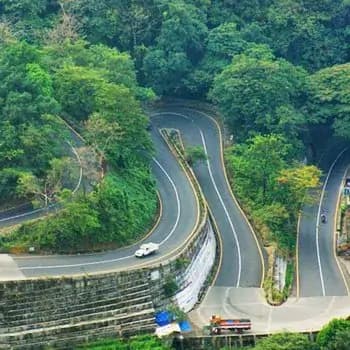
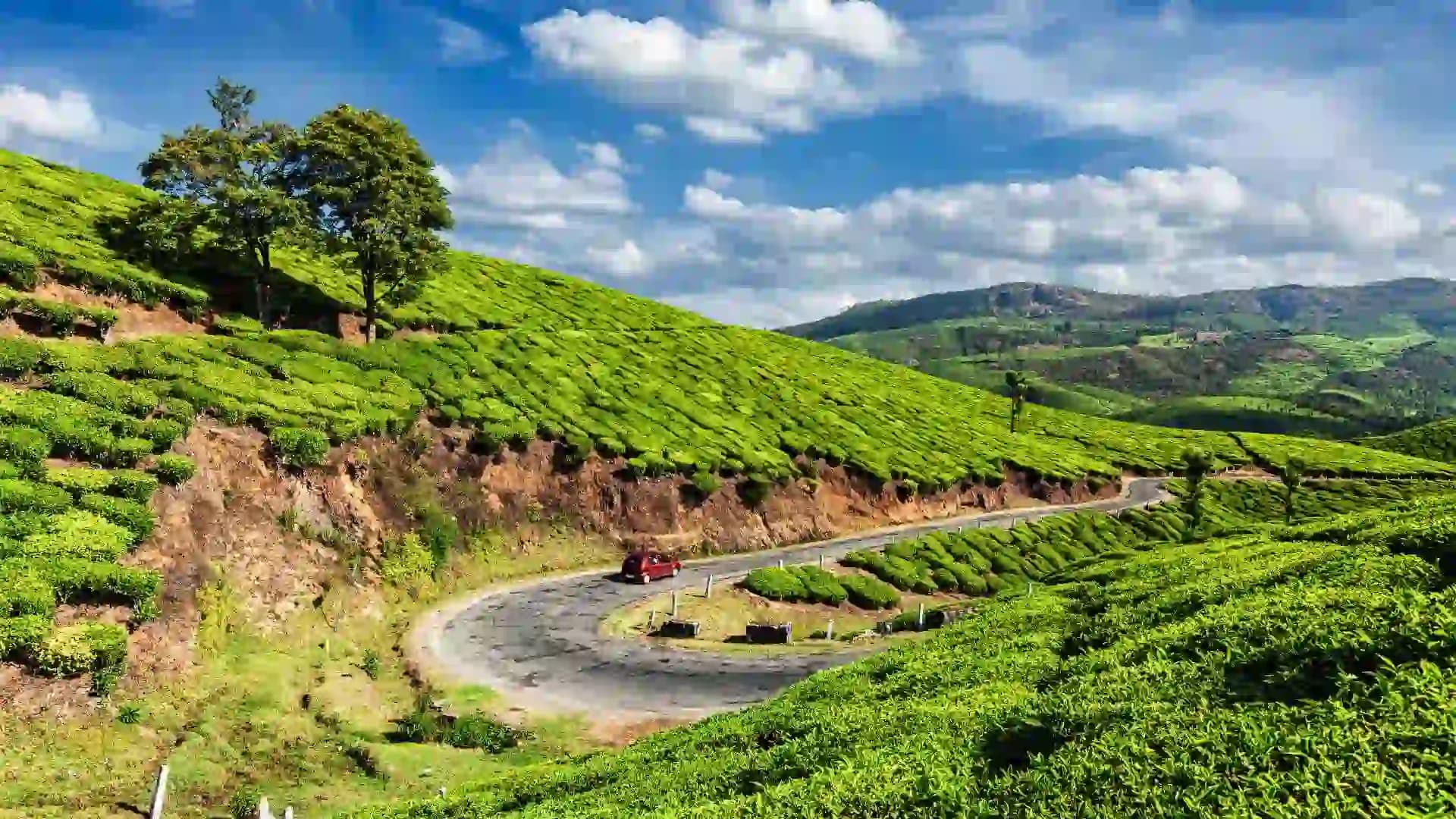
  • Munnar - Famous for rolling tea gardens, misty valleys, Eravikulam National Park, waterfalls, and panoramic viewpoints.
  • Wayanad - Known for dense forests, wildlife sanctuaries, caves, trekking trails, and tribal heritage.
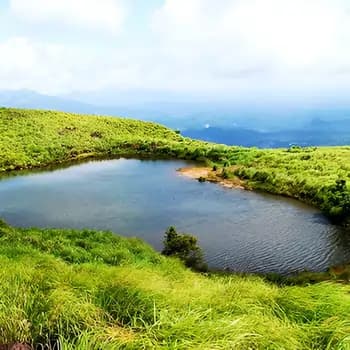
  • Vagamon & Ponmudi - Quiet, lesser-known hill retreats ideal for nature lovers and slow travel.

These regions offer trekking, plantation walks, wildlife viewing, and cool-climate retreats.

Backwaters and Water Experiences

Kerala’s backwaters are among its most iconic attractions.
Alleppey (Alappuzha) - The heart of houseboat tourism, canals, lagoons, and village life.
Kumarakom - Luxury backwater resorts, bird sanctuary, and serene lake views.
Kollam Backwaters - Gateway to Ashtamudi Lake, offering less-crowded cruising experiences.
Houseboat cruises, canoe rides, and lakeside village experiences define this region.

Beaches and Coastal Attractions

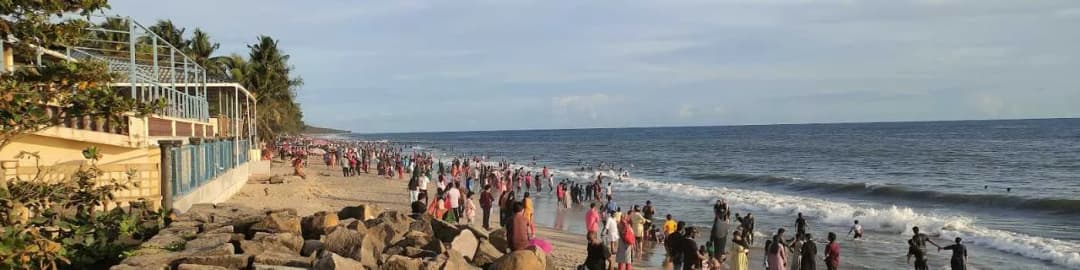
Kerala’s Arabian Sea coastline stretches for nearly 580 km, featuring diverse beach landscapes.
Varkala - Cliff-side beach with spiritual centres, cafes, and sunset views.
Kovalam - Lighthouse Beach, crescent-shaped shores, and calm swimming zones.
Marari & Bekal - Quiet, clean beaches ideal for relaxation and luxury stays.

Wildlife Sanctuaries and Nature Reserves

Kerala is a biodiversity hotspot with protected forest landscapes.
Periyar National Park (Thekkady) - Elephants, boat safaris, and spice plantations.
Silent Valley National Park - One of India’s last untouched rainforests.
Wayanad Wildlife Sanctuary - Elephants, birds, and forest safaris.
Eravikulam National Park - Home of the endangered Nilgiri Tahr.

Pilgrimage and Heritage Sites

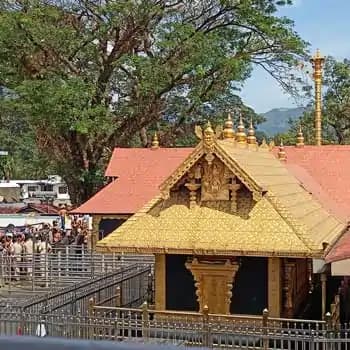
Sabarimala - One of the largest annual pilgrimages in the world.
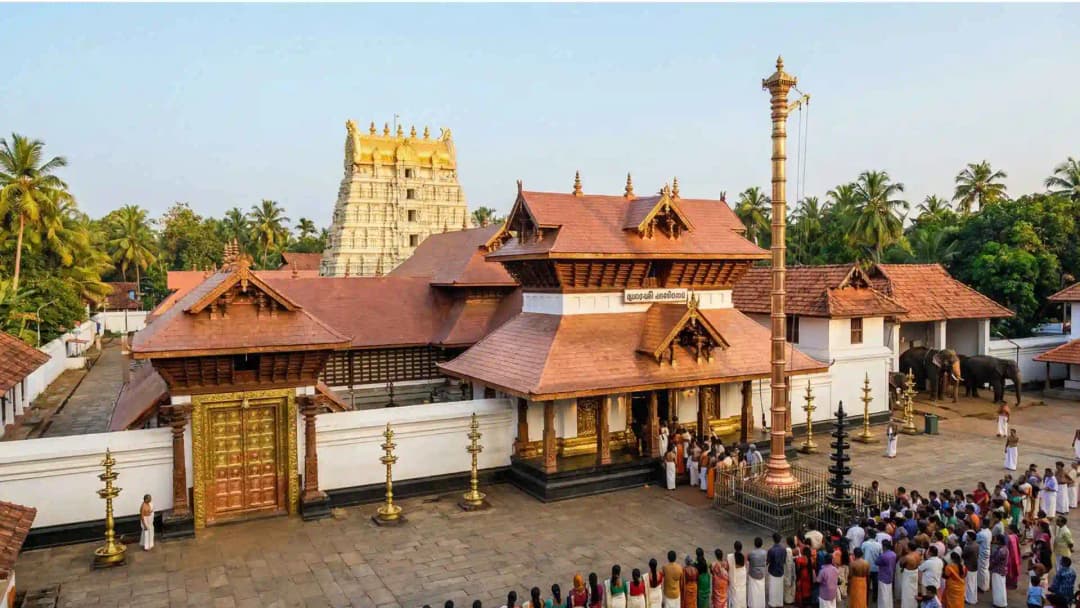
Guruvayur Temple - Major Krishna temple with deep cultural significance.
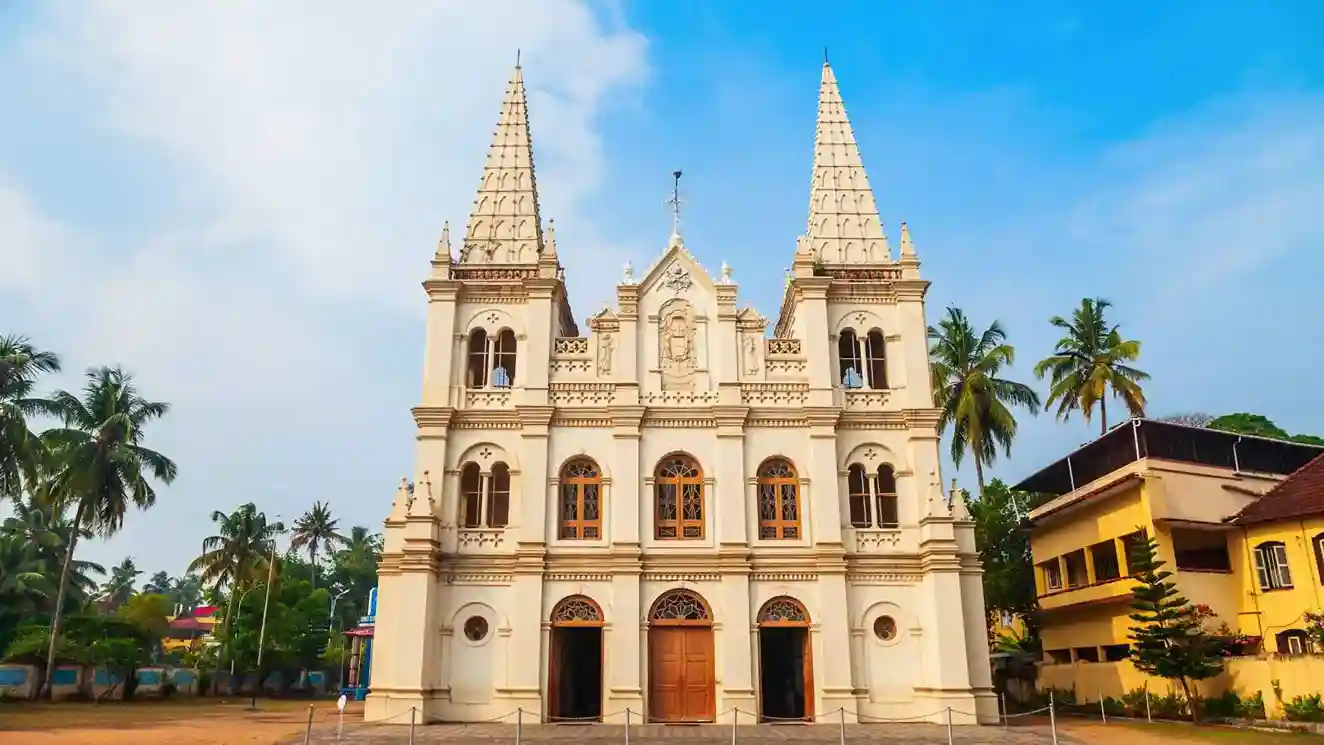
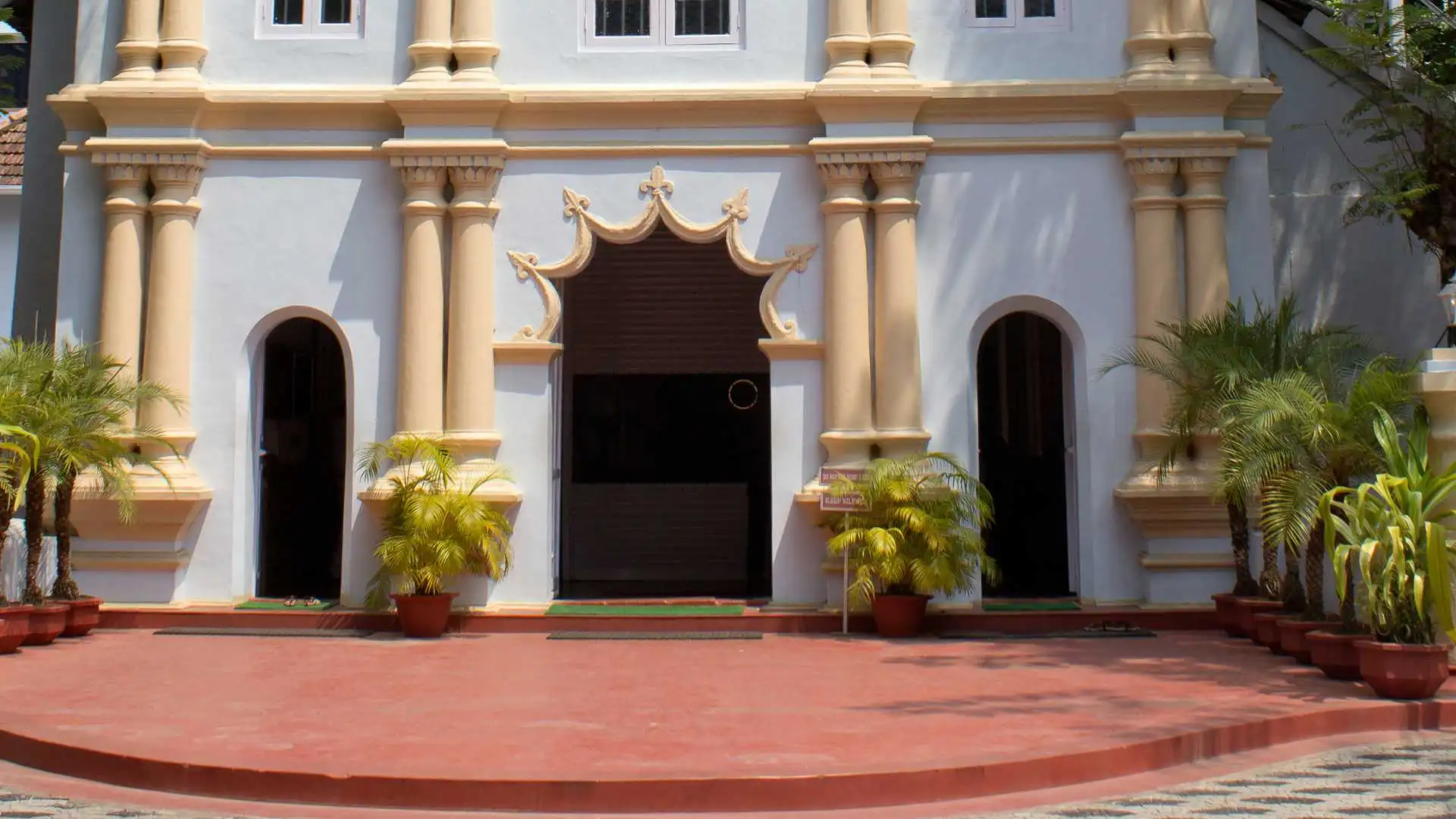
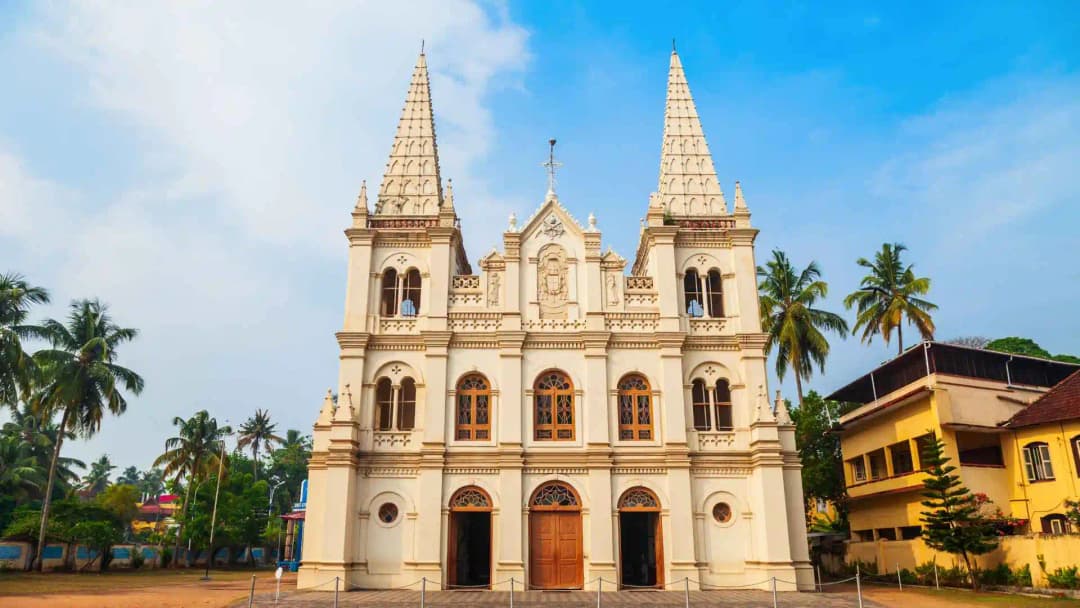
St. Francis Church, Kochi - One of India’s oldest European churches.
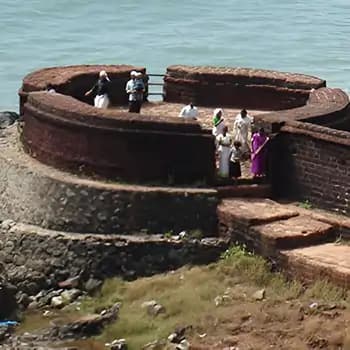
Bekal & Mattancherry Palaces - Architectural and historical landmarks.

Museums of Kerala

Kerala’s museums preserve its royal legacy, folk traditions, performing arts, science, and social evolution, making them essential stops for cultural tourism.rt, Culture and Heritage Museums
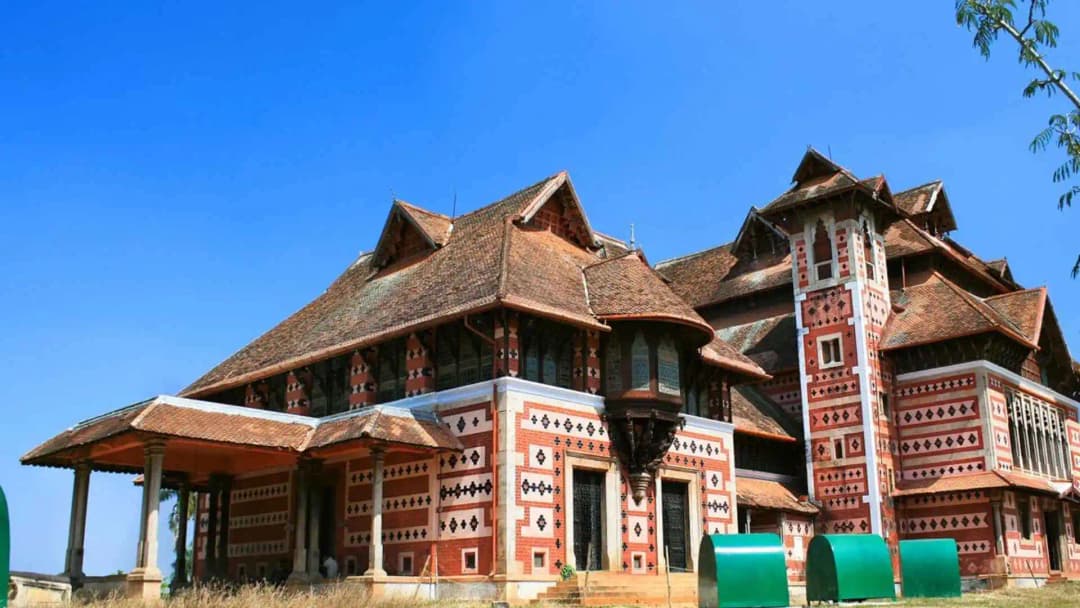
Napier Museum (Thiruvananthapuram) - Indo-Saracenic architecture, bronze idols, murals, and historical artefacts.
Kerala State Museum - Archaeological collections tracing Kerala’s ancient history.
Hill Palace Museum (Kochi) - Largest archaeological museum in Kerala, former royal residence.
Mattancherry Palace Museum - Famous for Kerala murals depicting Ramayana and royal history.

Performing Arts and Folk Museums

Kerala Kalamandalam Museum - Dedicated to Kathakali, Mohiniyattam, Koodiyattam, and classical arts.
Folklore Museum, Kochi - Traditional architecture, artefacts, costumes, and tools.
Theyyam Museums (North Kerala) - Preserving ritual art forms and costumes.

Science and Interactive Museums

Kerala Science and Technology Museum - Space, energy, and science exhibits for families and students.
Regional Science Centres - Located across cities, focusing on education and innovation.

Specialty Museums

Tea Museum (Munnar) - History of tea cultivation and plantation life.
Coir Museum (Alappuzha) - Showcasing Kerala’s coir industry and craftsmanship.
Maritime Museum (Kochi) - Naval history and coastal heritage.
Contact Us

Phone

Places to visit in Kerala

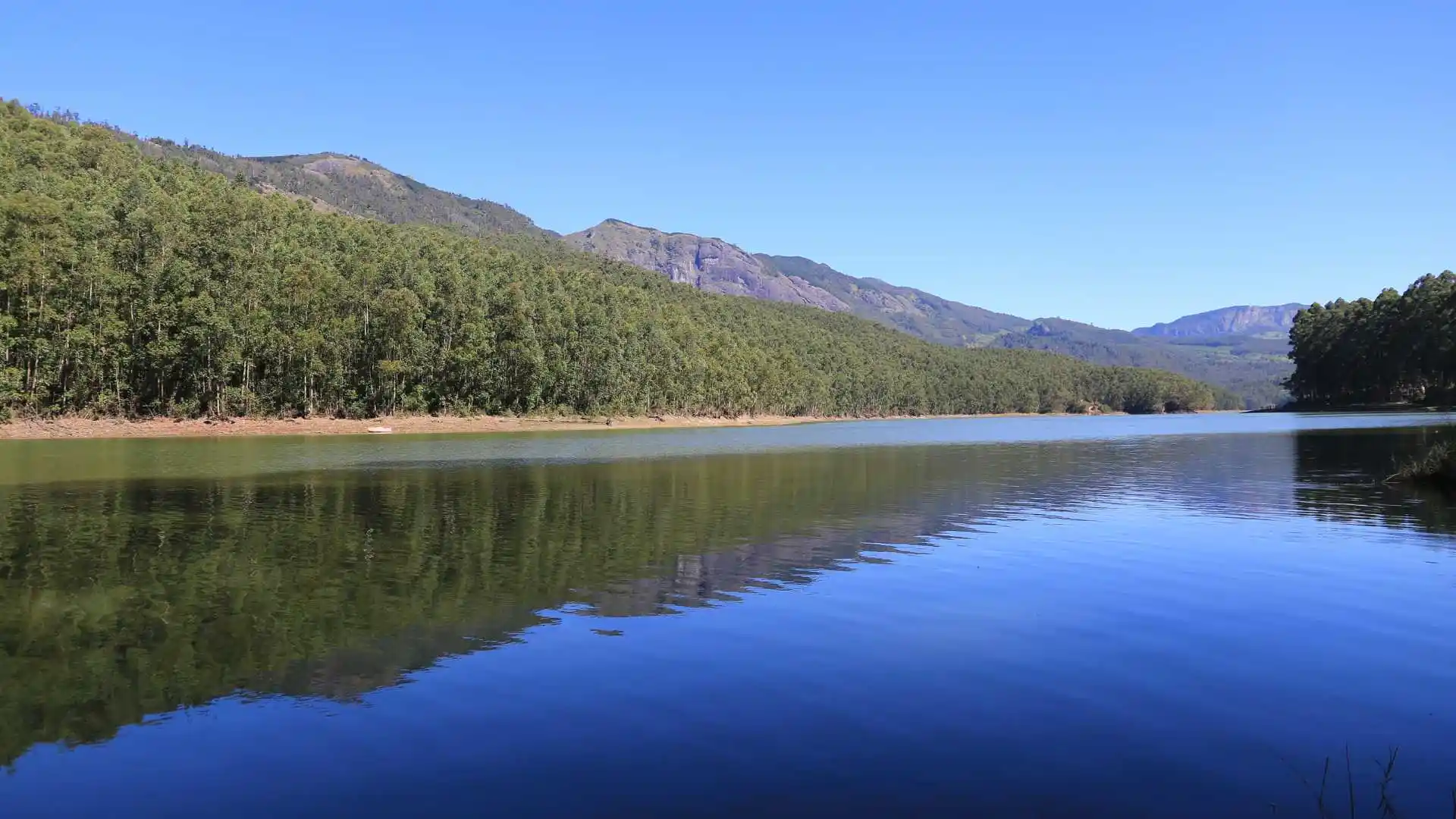
Munnar
Munnar

This city is famous for rolling tea gardens, misty valleys,... Read more
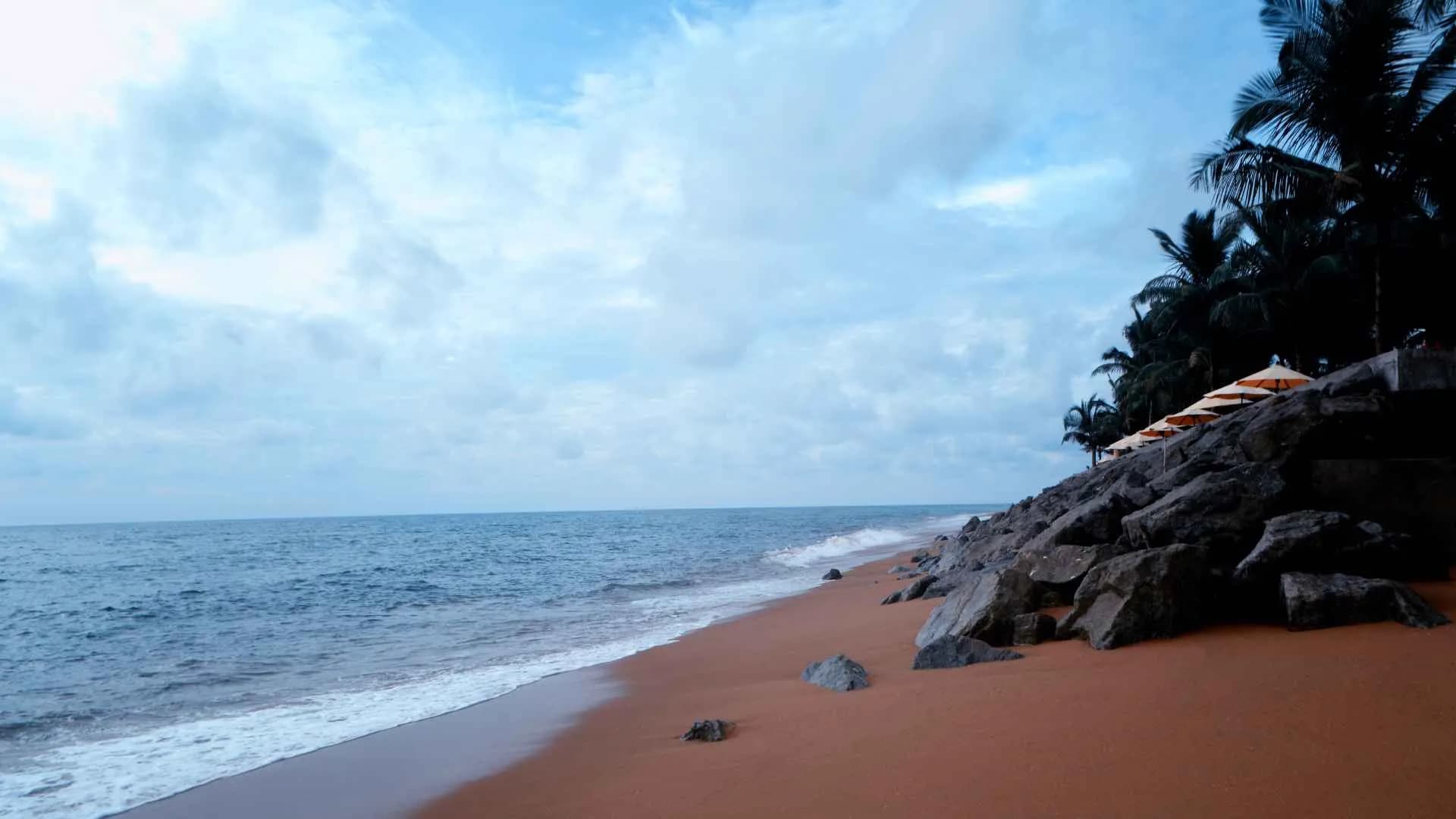
Kovalam
Kovalam

Known for its famous Lighthouse Beach, crescent-shaped shore... Read more

Wayanad
Wayanad

This city is famous for its dense forests, wildlife sanctuar... Read more
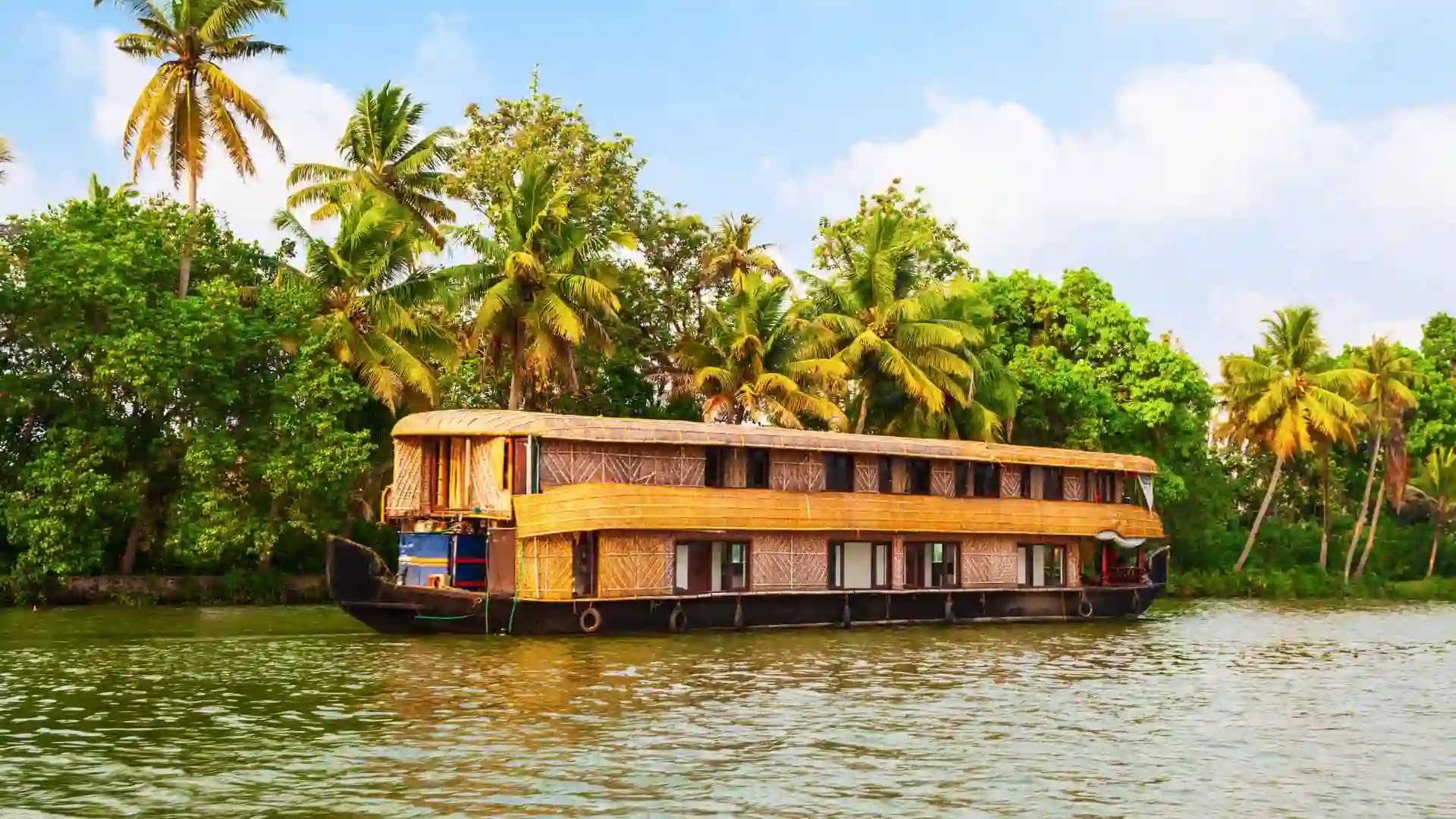
Alleppey (Alappuzha)

The heart of houseboat tourism, canals, lagoons, and village... Read more
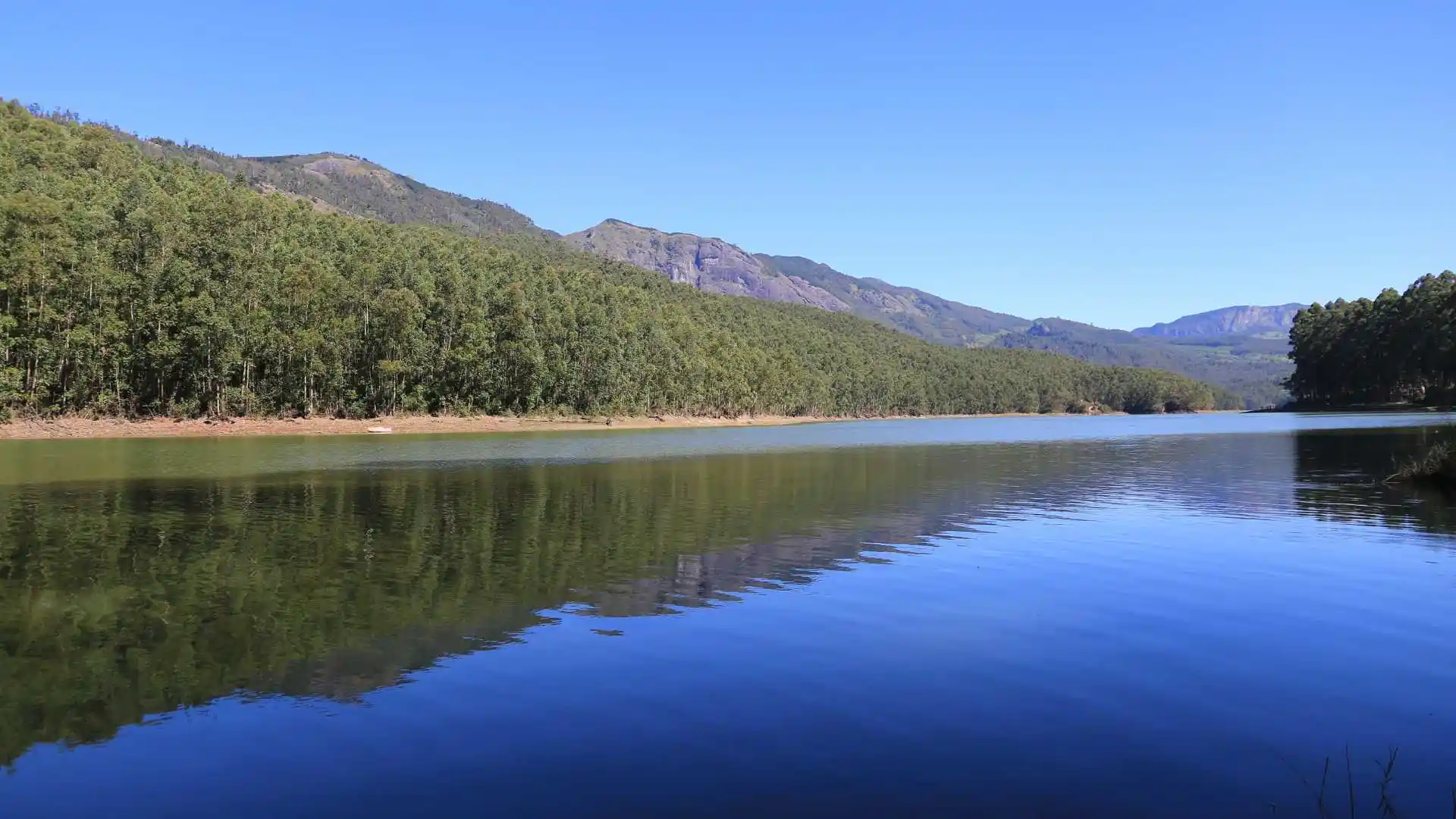
Things to do in Kerala

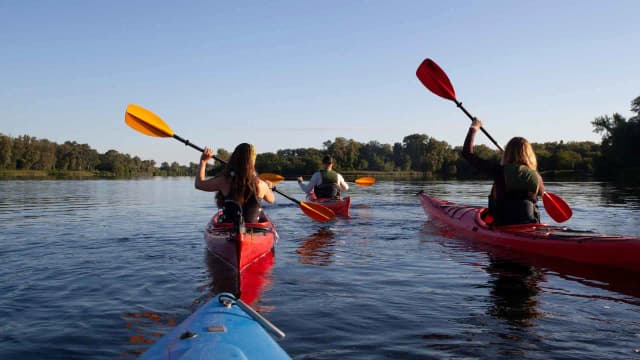
Kayaking Through Mangroves
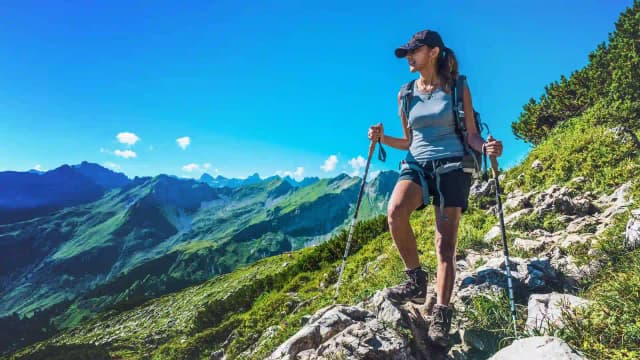
Trek & Hike in the Western Ghats
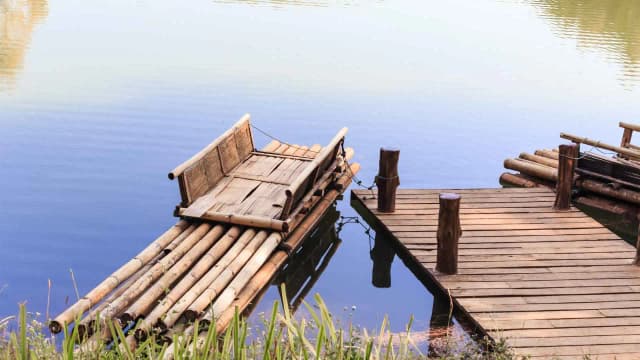
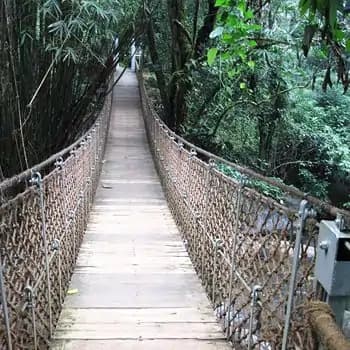
Bamboo Rafting on Jungle Rivers
Rappelling & Rock Climbing
Quad Biking on the Beach
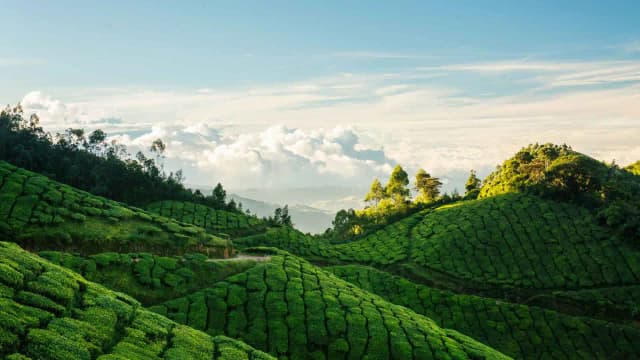
Walk Through Tea Plantations
Cruise the Backwaters on a Houseboat

Tourist Attractions in Kerala

Sabarimala Sree Ayyappa Temple

One of the world’s largest annual pilgrimage centres, dedica... Read more

Guruvayur Sri Krishna Temple

- Among the most sacred Krishna temples in India, known for... Read more

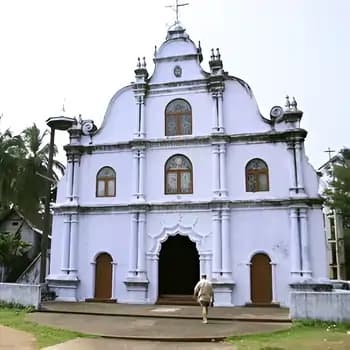
St. Francis Church, Fort Kochi

Built in 1503, it is one of India’s oldest European churches... Read more

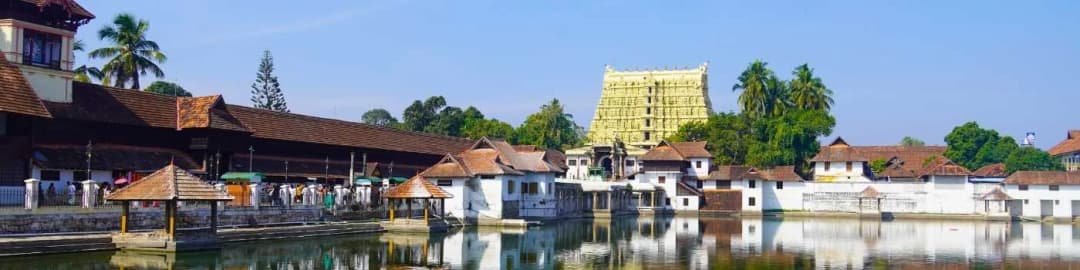
Padmanabhaswamy Temple

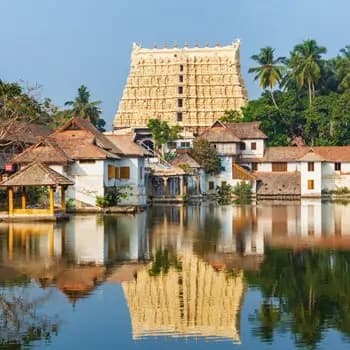
A magnificent fusion of Dravidian and Kerala architecture, f... Read more

Mattancherry Palace Museum (Dutch Palace)

Renowned for its exquisite Kerala murals depicting the Ramay... Read more

Hill Palace Museum
Hill Palace Museum

Once the royal residence of the Kochi Maharajas, now Kerala’... Read more

Napier Museum
Napier Museum

Famous for its Indo-Saracenic architecture, bronze idols, te... Read more
Frequently Asked Questions about Kerala

FAQ

What is Kerala famous for?

Kerala is famous for its backwaters, hill stations, beaches, Ayurveda, wildlife, classical arts, spices, and high human development indicators, earning it the title “God’s Own Country.”
FAQ

Where is Kerala located in India?

Kerala is located on the south-western coast of India, bordered by the Arabian Sea to the west and the Western Ghats mountains to the east.
FAQ

What is the best time to visit Kerala?

The best time to visit Kerala is from October to March for pleasant weather, while June to September is ideal for Ayurveda, waterfalls, and lush landscapes.
FAQ

Is Kerala a good destination for first-time visitors to India?

Yes, Kerala is one of the best destinations for first-time visitors due to its safety, high literacy, English usage, clean environments, and well-developed tourism infrastructure.
FAQ

How many days are ideal for a Kerala trip?

A well-paced Kerala trip ideally requires 6 to 8 days to cover hill stations, backwaters, beaches, and cultural experiences without rushing.

What Travellers Say About Us?

About Kerala | Cholan Tours