
- +91 96773 55555
- Toll Free: 1800 123 2255
 English
 Chinese (Simplified)
 Dutch
Dutch French
 German
 Hebrew
 Italian
 Portuguese (Brazil)
 Russian
 Spanish
 Arabic
EnglishChinese (Simplified)DutchFrenchGermanHebrewItalianPortuguese (Brazil)RussianSpanishArabicFairs and festivals are an important part of human life and culture. They bring joy, excitement, and unity among people and allow communities to celebrate their traditions, beliefs, and values. Across the world, different societies observe various fairs and festivals that reflect their history, religion, and social customs. These events not only provide entertainment but also strengthen cultural identity and promote harmony among people. In India especially, fairs and festivals hold a special place because of the country’s rich diversity and heritage.
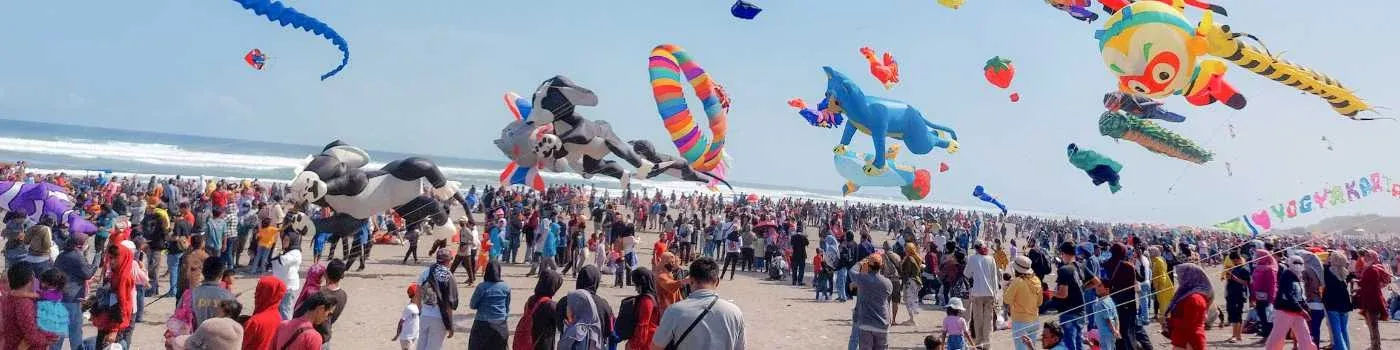
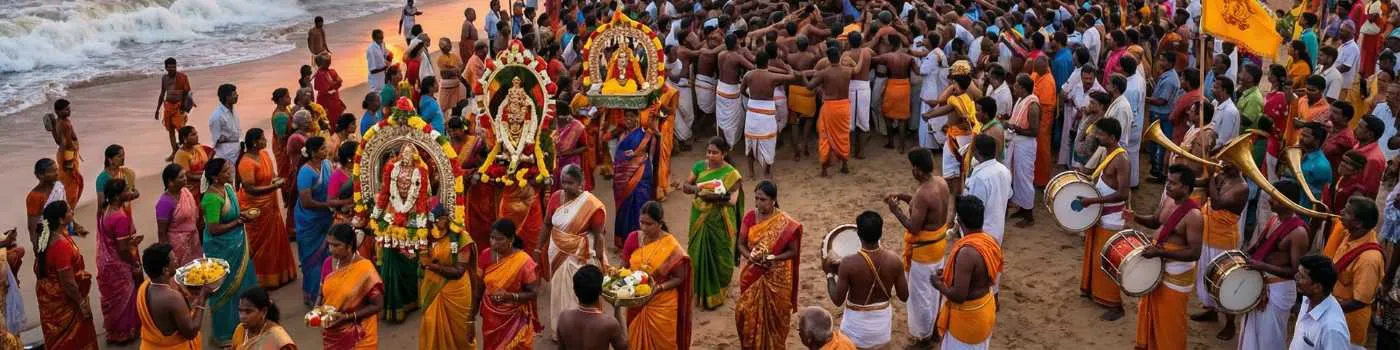
Fairs and festivals have been celebrated since ancient times. In earlier days, people organized fairs mainly for trade, social gatherings, and religious purposes. Over time, these gatherings turned into colorful celebrations filled with music, dance, food, and rituals. Festivals usually mark important occasions such as the change of seasons, religious events, historical victories, or harvest periods. Fairs, on the other hand, often combine entertainment with marketplaces where local artisans and traders display their products. Together, fairs and festivals create a lively atmosphere that brings happiness to people of all ages.
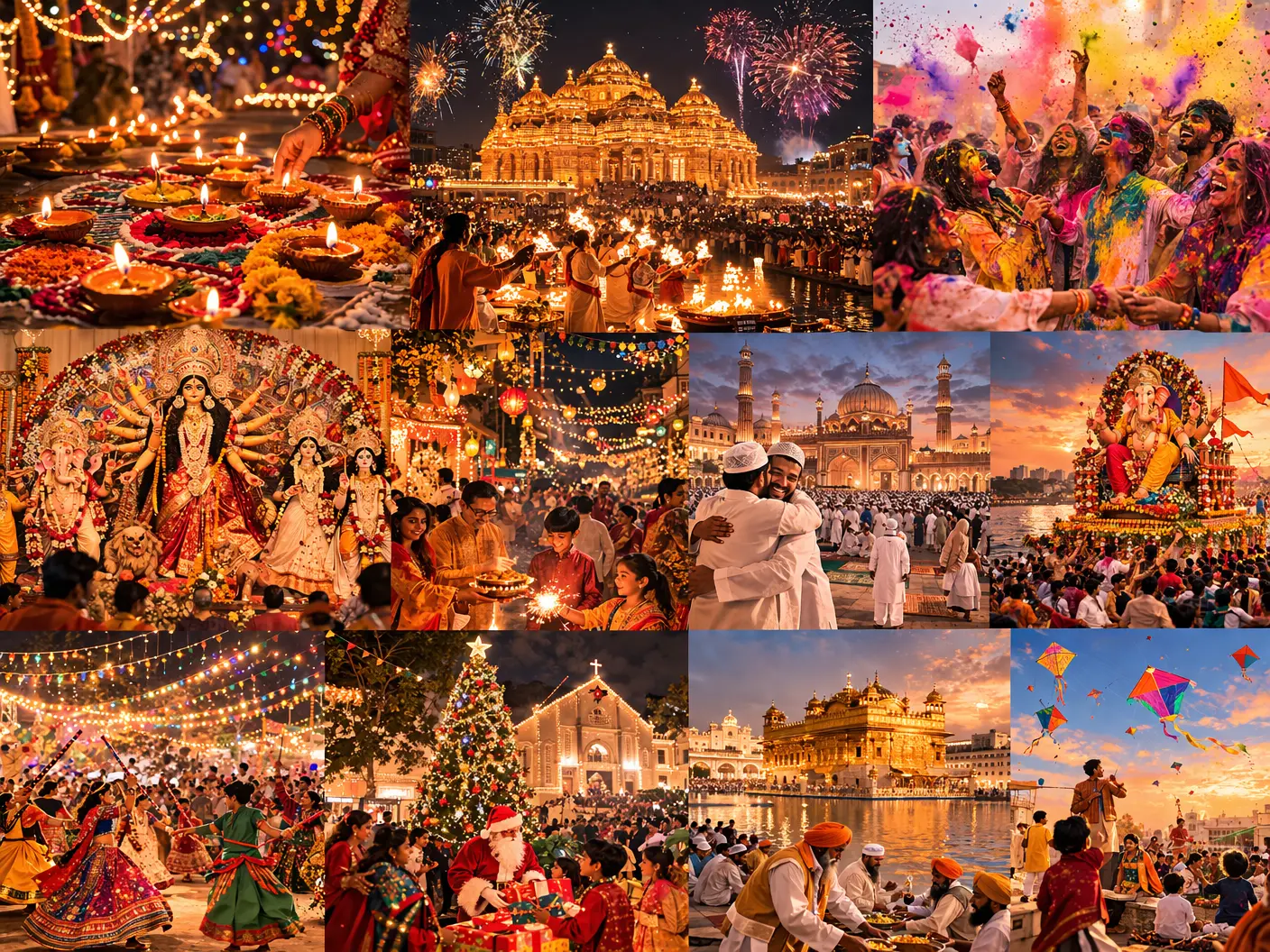
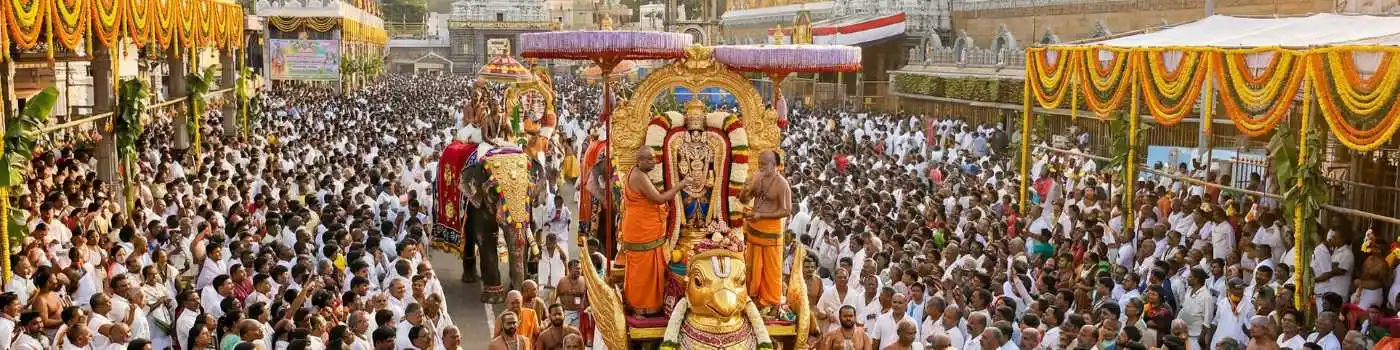
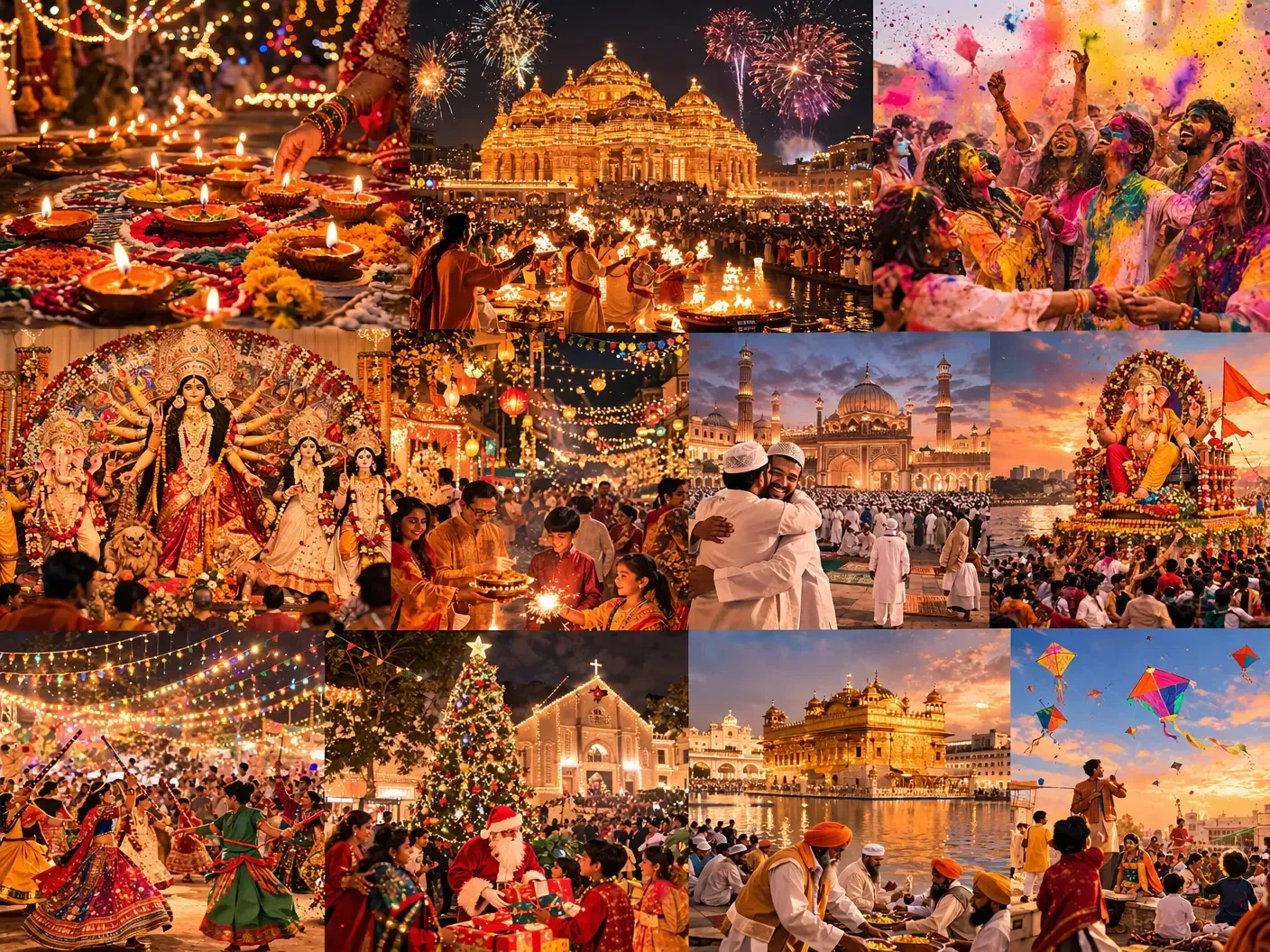
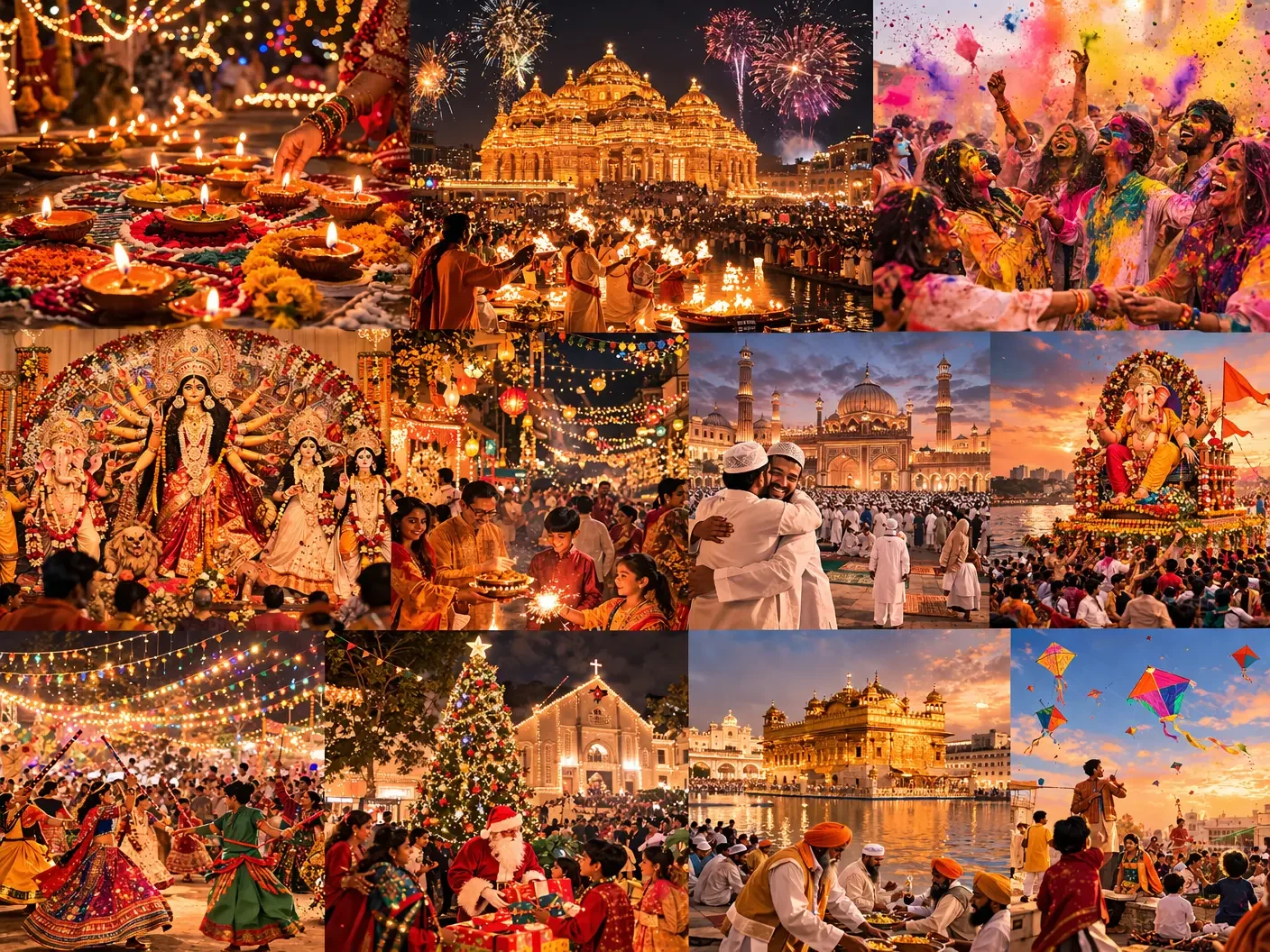
India is often called the land of fairs and festivals because almost every month has some celebration. Different religions and communities celebrate their festivals with great enthusiasm. Hindu festivals such as Diwali, Holi, Navratri, and Dussehra are celebrated with lights, colors, and prayers. Muslims celebrate Eid with devotion and generosity, while Christians celebrate Christmas with joy and sharing. Sikhs celebrate Gurpurab with prayers and community meals. These celebrations show how festivals promote unity in diversity and allow people from different backgrounds to participate together.
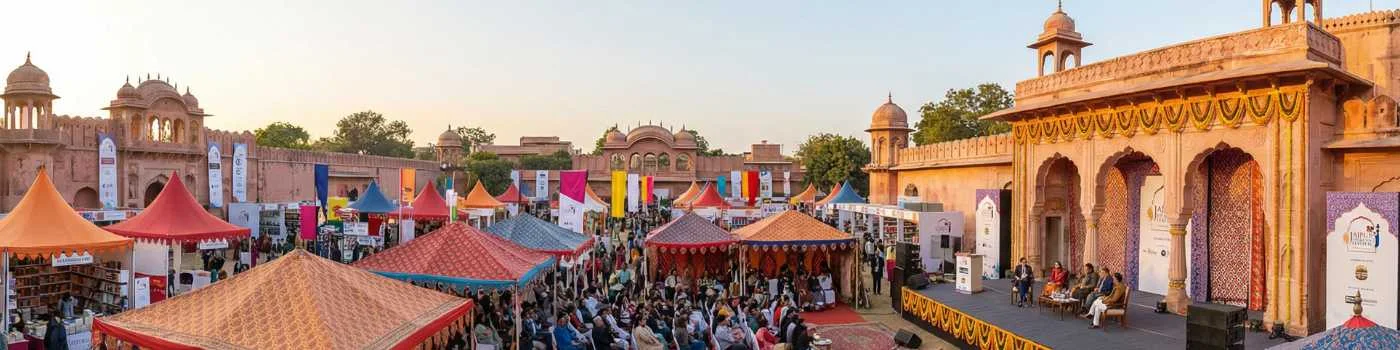
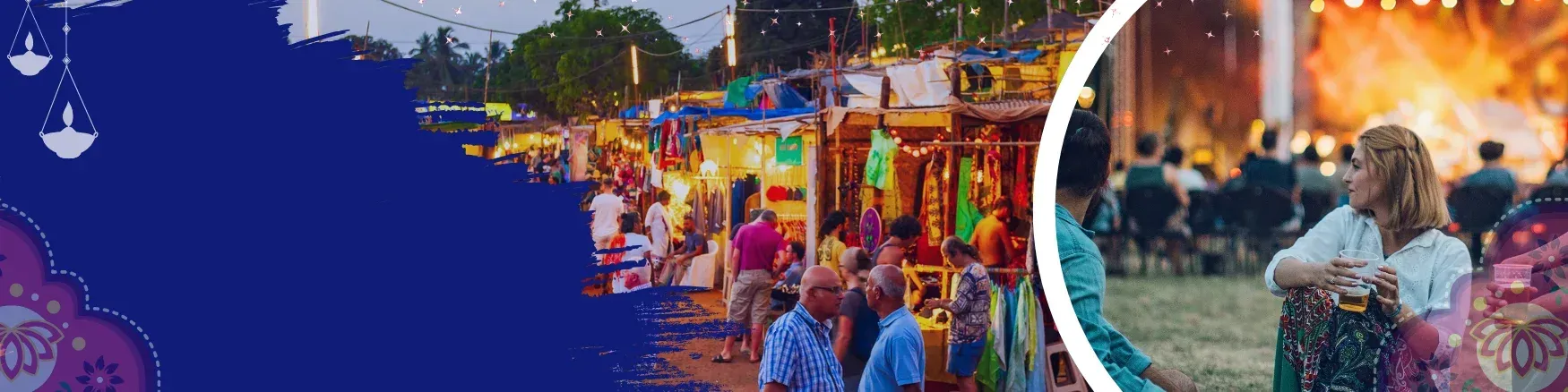
Apart from religious festivals, India is also famous for its traditional fairs. The Pushkar Fair in Rajasthan is one of the largest camel fairs in the world, attracting tourists from many countries. Similarly, the Kumbh Mela is a massive religious gathering where millions of devotees come together for spiritual cleansing. Local village fairs, often called “melas,” are organized during specific seasons or religious occasions. These fairs include rides, games, folk music, handicraft stalls, and traditional food, creating a unique cultural experience.
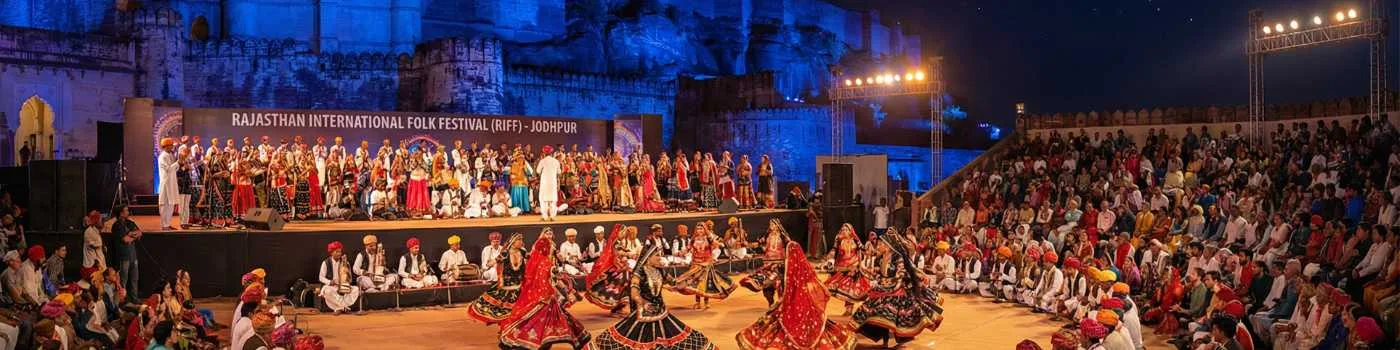
One of the most important aspects of fairs and festivals is their role in preserving culture and traditions. During festivals, people wear traditional clothes, perform cultural dances, and sing folk songs that have been passed down through generations. Young people learn about their heritage by participating in these celebrations. Festivals also help maintain family values because relatives gather together, share meals, and spend quality time. In today’s fast-moving world, festivals provide a chance to reconnect with traditions and strengthen family bonds.
Fairs and festivals also contribute significantly to the economy. During festive seasons, markets become busy, and businesses experience increased sales. Artisans, craftsmen, and small vendors earn income by selling handmade products, decorations, clothing, and food items. Tourism also benefits as many travelers visit different regions to experience unique festivals. Hotels, transport services, and local businesses all gain economic advantages from these events. Thus, fairs and festivals not only spread joy but also support livelihoods.
Another important feature of fairs and festivals is their social impact. They encourage people to come together, forget differences, and celebrate as one community. During festivals, people exchange gifts, sweets, and greetings, which helps strengthen social relationships. Community participation in organizing events promotes teamwork and cooperation. Festivals also spread messages of love, peace, and goodwill, reminding people to live with kindness and respect toward others.
In addition to social and cultural importance, fairs and festivals have psychological benefits. Modern life can be stressful due to work and responsibilities. Celebrations provide a break from routine and allow people to relax and enjoy themselves. Music, dance, and festive decorations create a positive atmosphere that improves mood and mental well-being. Children especially look forward to festivals because they bring fun activities, new clothes, and delicious food.
However, modern celebrations also face certain challenges. In some places, excessive use of firecrackers, plastic decorations, and chemical colors can harm the environment. Overcrowding during large fairs can create safety and sanitation problems. Therefore, many people now emphasize eco-friendly celebrations by using natural materials, reducing waste, and promoting cleanliness. Sustainable festivals help maintain cultural traditions while protecting the environment for future generations.
Globalization has also influenced the way fairs and festivals are celebrated. With social media and technology, people can learn about festivals from different cultures and even participate virtually. International festivals inspired by Indian traditions, such as color festivals, are now celebrated in many countries. This cultural exchange increases understanding and appreciation among different communities. At the same time, it is important to preserve the original meaning and values behind traditional celebrations.
Schools and educational institutions often organize cultural programs during festivals to teach students about diversity and heritage. Such activities encourage respect for different cultures and promote unity among young minds. Through dances, plays, and exhibitions, students learn about the history and significance of various festivals, helping keep traditions alive.
In conclusion, fairs and festivals are more than just celebrations; they are a reflection of culture, tradition, and human connection. They bring happiness, strengthen relationships, preserve heritage, and support economic growth. In a diverse country like India, fairs and festivals highlight the beauty of unity in diversity and encourage people to live together with harmony and respect. By celebrating responsibly and preserving traditions, we can ensure that future generations continue to experience the joy and meaning of these vibrant occasions. Fairs and festivals remind us that life is not only about work and responsibilities but also about celebrating togetherness, culture, and the spirit of humanity.