Cholan Tours - India Tour Operator and Travel Company
  • +91 431 4226100
    • EnglishEnglish
    • Chinese (Simplified)Chinese (Simplified)
    • DutchDutch
    • FrenchFrench
    • GermanGerman
    • HebrewHebrew
    • ItalianItalian
    • Portuguese (Brazil)Portuguese (Brazil)
    • RussianRussian
    • SpanishSpanish
Guntur
Guntur
Heritage, Economy, and Places to Visit

About Guntur

Guntur, located 64 km from the Bay of Bengal, rests in Andhra Pradesh and is the state's fourth-largest city. It serves as a multifaceted hub, blending educational facilities, historical significance, and primary roles in both the textile and transportation sectors. Also, Guntur is noteworthy for its cotton and tobacco cultivation.

The city is a dynamic centre of commerce and industry, enriched with numerous historical monuments. It leads in textile production and excels in cotton and tobacco cultivation.
Guntur’s History

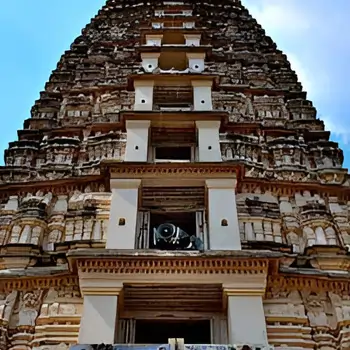
Guntur’s history stretches back to the 10th century, with references found in an inscription by Chalukyan King Ammaraja. Although the Chalukyas predominantly governed the area, there is also evidence of the Nagals’ rule during certain periods.

An ancient temple dedicated to Lord Shiva, known as Agasthyaeswara Sivalayam , stands in the city. Dating back to the 12th century, the temple features ancient inscriptions and is believed to have been constructed by Agastya.

Many of Guntur's notable structures were erected during the French and British reigns. Under British governance, Guntur emerged as a crucial export hub, a status it maintains today. The region is famed for its high-quality chillies, primarily exported abroad, and its significant production of cotton and tobacco.

Despite the wave of modernisation, Guntur retains its charm and remains an idyllic holiday destination. Prominent attractions include Kondaveedu Fort, Sitanagaram, Undavalli Caves, and the ancient relics of Amaravathi.

Best Time to Visit Guntur 

It is best to visit Guntur, as it provides convenience and ease in travel and accommodation. 

  • Winter: It is the peak and recommended season to visit, so crowds are expected. The pleasant weather is ideal, comfortable and features a cool breeze. The accommodations can be pricey at this time of year.
  • Summer: Spanning from April-June, summer is the off-season to explore Guntur. But the high temperature makes sightseeing uncomfortable; therefore, it is least recommended.
  • Monsoon: This is a moderately recommended season to visit Guntur, as the weather is still pleasant, however, slightly humid. Compared to winter, you might find affordable accommodation during July-September.

Send Enquiry

Phone

FAQs on Guntur

FAQ

What is Guntur known for?

Guntur is renowned for its historical monuments, vibrant textile industry, and significant cultivation of cotton and tobacco. It's also famous for exporting high-quality chillies worldwide.
FAQ

What are the historical landmarks in Guntur?

Key landmarks include the ancient Agasthyaeswara Sivalayam Temple dedicated to Lord Shiva, dating back to the 12th century, and the impressive Kondaveedu Fort, offering panoramic views of the region.
FAQ

What is unique about Guntur's agricultural heritage?

Guntur excels in the cultivation of cotton and tobacco, contributing significantly to the region's economy. The city is also famous for its export of high-quality chillies, which are widely used in culinary arts.
FAQ

What are the top tourist attractions in Guntur?

Tourists flock to Guntur to explore attractions such as the ancient relics of Amaravathi, the serene Sitanagaram, and the historic Undavalli Caves known for their intricate rock-cut architecture and Buddhist influence.
FAQ

How can I reach Guntur?

Guntur is easily accessible by road from major cities in Andhra Pradesh. The nearest airport is in Vijayawada, approximately 50 km away, with rail connectivity via Guntur Junction being another convenient option.

What Travellers Say About Us?

Guntur Andhra Pradesh | History, Culture & Tourist Attractions | Cholan Tour