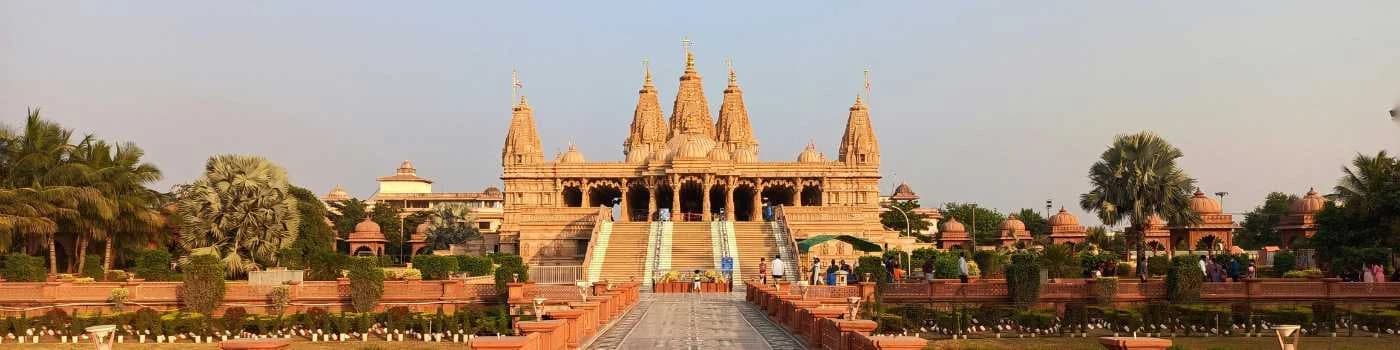
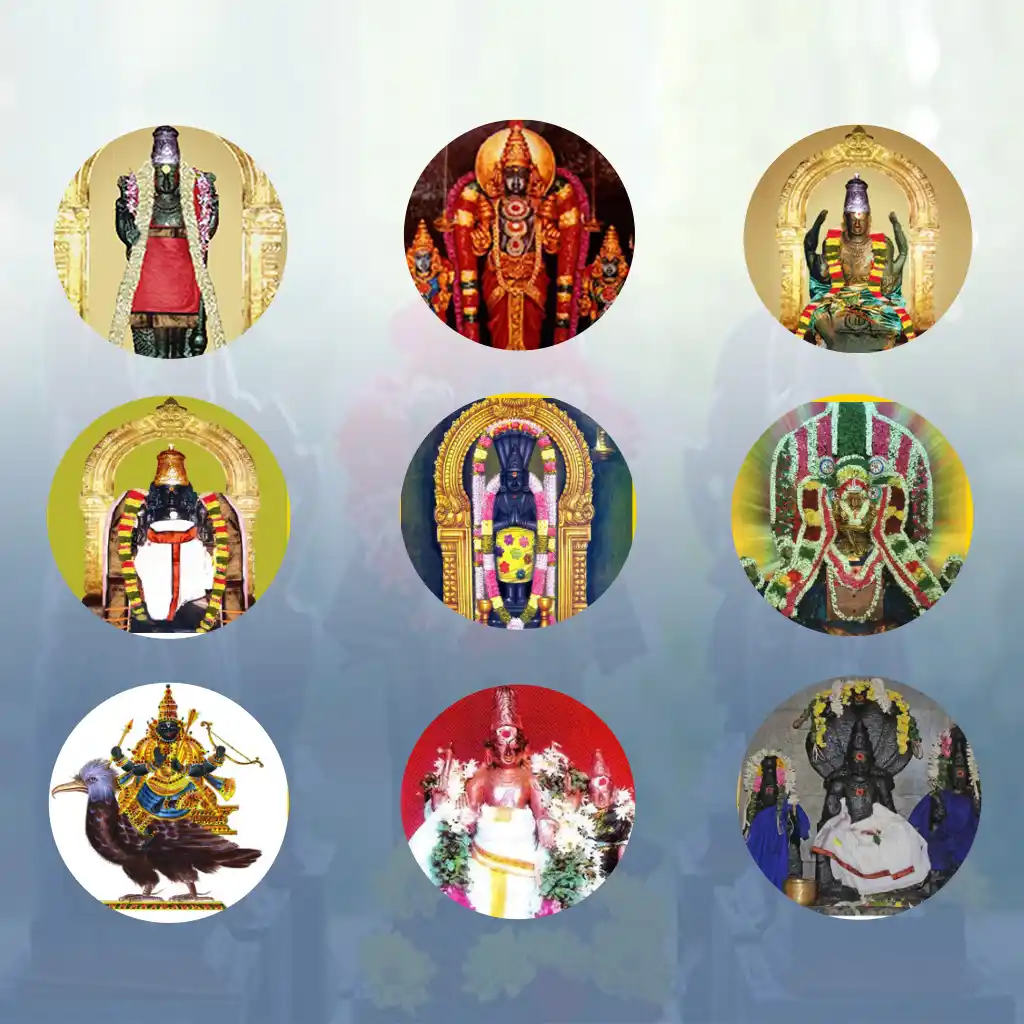
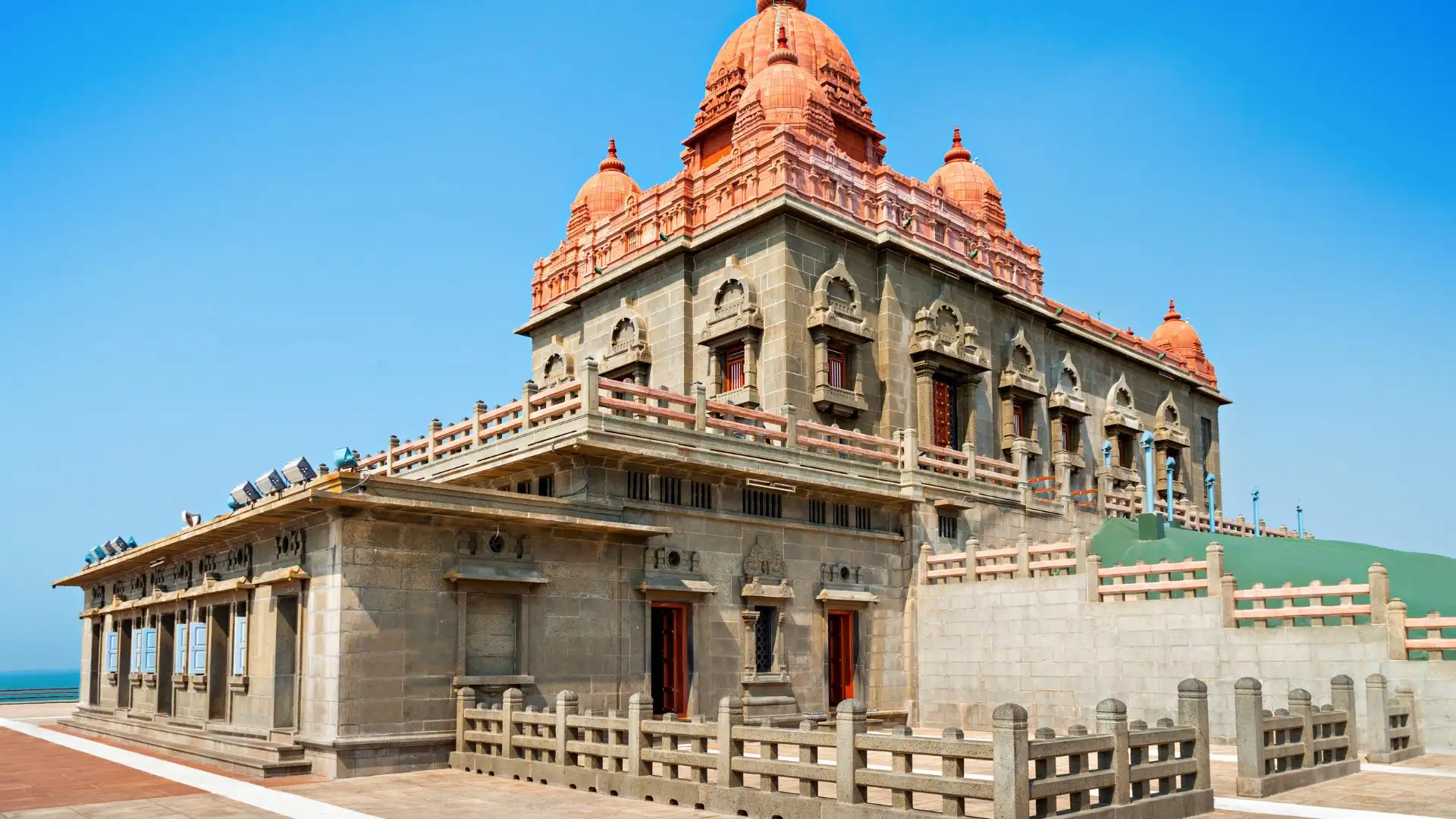
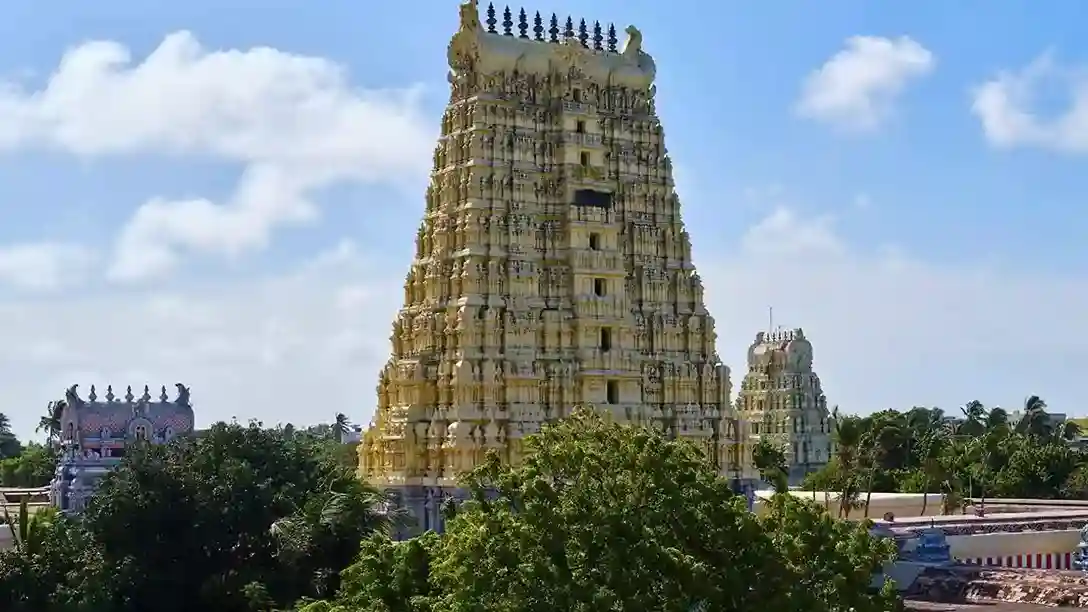
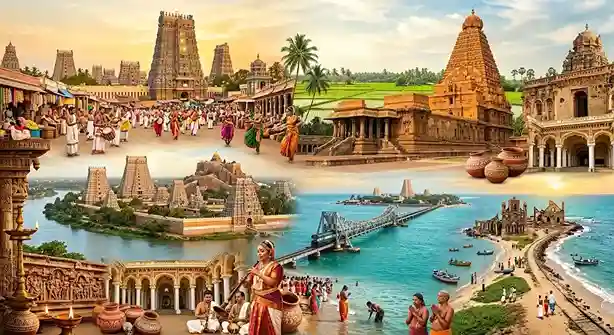
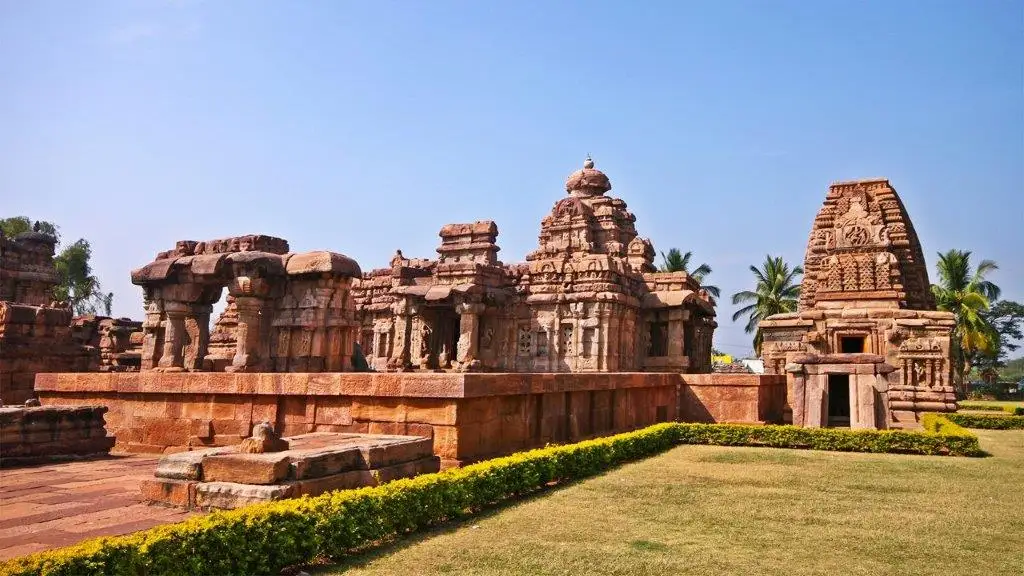
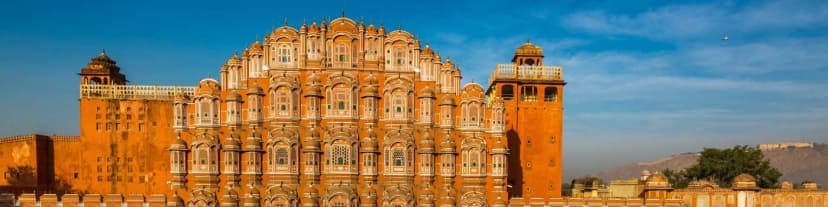
The temples of India act as the central pillar to the nation's rich and vibrant culture, social, and economic hub. In India, visitors can witness the scenic and mesmerising view of the Kedarnath Temple in Uttarakhand, and the colourful and intricate towers of Meenakshi Amman Temple of Tamil Nadu.
The temples of India are considered to be the abodes of the deities, and also act as a sacred space for meditation, worship, and inner realisations. In the nation, you can witness the stunning and unique architectural structures, like the intricately carved Gopurams in South India, and the amazing stone carvings in North India.
Temples of North India:
The temples of North India feature central towers, which represent a mountain peak. The temples in the northern region showcase exquisite craftsmanship, with detailed sculptures.
- Kedarnath Temple, Uttarakhand: The 8th-century temple is dedicated to Lord Shiva, and is one of the 12 jyotirlinga.
- Kashi Vishwanath Temple, Uttar Pradesh: The Kashi Vishwanath Temple is among the most prominent shrines of Lord Shiva, situated on the banks of the Ganga River.
- Golden Temple, Punjab: Considered the holiest shrine in the Sikh religion, the temple offers stunning architecture, with a serene atmosphere.
- Khatu Shyam Temple, Rajasthan: The Khatu Shyam Temple symbolises devotion and divine love. The temple is dedicated to Barbarika, the grandson of Bhima, son of Ghatotkacha.
Temples of West India:
The temples of West India feature the stunning Nagara-style of architecture, with exquisite stone carvings and immense spiritual and historic values.
- Somnath Temple, Gujarat: The temple is considered the start of the 12 jyotirlingas. The temple features stunning architecture and symbolises the endurance of the Indian spirit.
- Siddhivinayak Temple, Maharashtra: The Siddhivinayak Temple is among the most revered temples in Maharashtra. The temple features an idol of Lord Ganesha, carved from a single black stone.
- Mahakaleshwar Temple, Madhya Pradesh: The Mahakaleshwar Temple is one of the 12 Jyotirlinga and is popular for its Bhasma Aarti.
- Mangeshi Temple, Goa: The 18th-century Mangeshi Temple is dedicated to Lord Mangesh, an incarnation of Lord Shiva. The temple features stunning Hindu and European influences in its architecture, and symbolises the endurance of faith in the region.
Temples of East India:
The temples of East India display the rich culture and architectural heritage of the region, majorly showcasing the Kalinga style of architecture, along with terracotta arts.
- Dakshineswar Kali Temple, West Bengal: The Dakshineswar Kali Temple, situated on the banks of the Hooghly River in Kolkata, features the stunning Bengali Navaratna style of architecture.
- Maa Kamakhya Temple, Assam: Dedicated to Goddess Kamakhya, the temple is among the most prominent and oldest Shakti Peethas in India. The temple symbolises the power of creating and feminine energy.
- Jagannath Temple, Odisha: The Jagannath Temple is considered the premier Hindu pilgrimage site and is one of the major parts of the Char Dham.
- Vishnupad Temple, Bihar: Situated on the banks of the Flagu River, the Vishnupad Temple is believed to house the footprint of Lord Vishnu. The temples are the most important sites for offering rituals for ancestors in the Hindu religion.
Temples of South India:
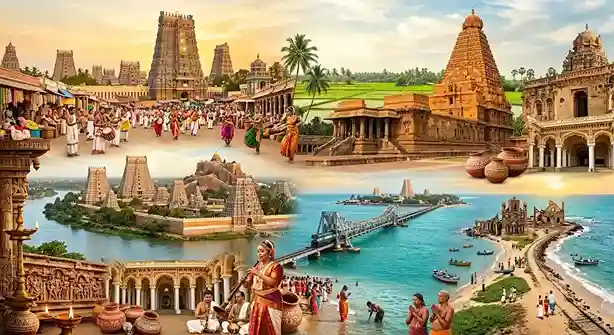
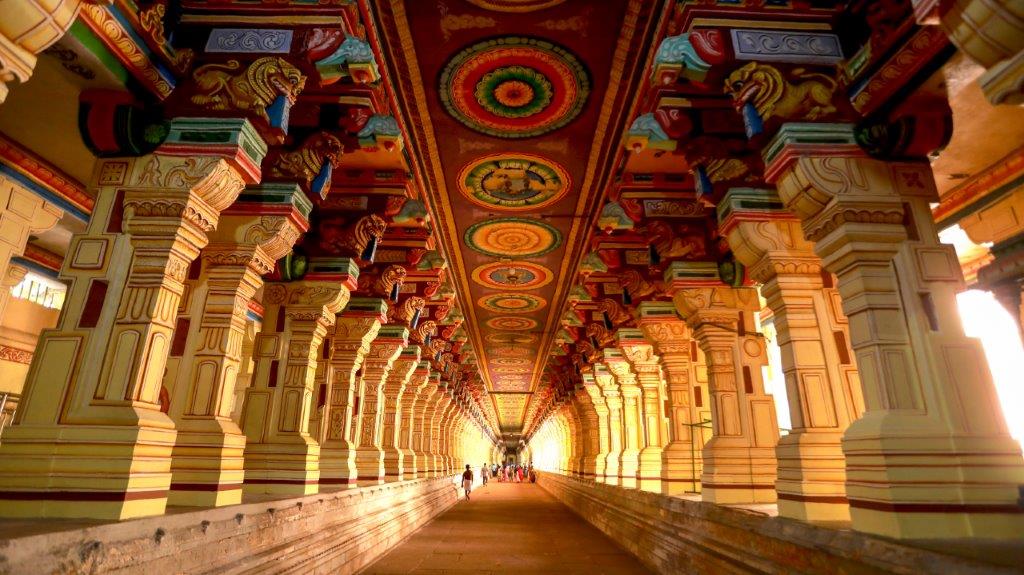
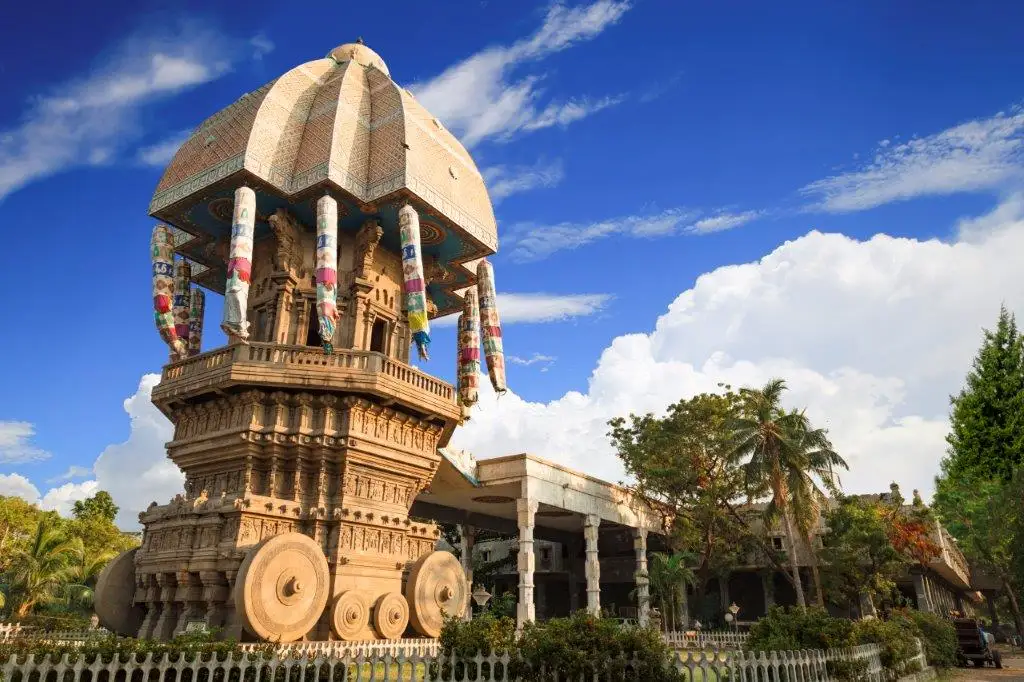
The temples of South India serve as the vital focal point for social and spiritual life in the region. The temple's major features are towering Gopurams or gateways, with intricate carvings and vast halls. The majority of the temples feature the Dravidian-style of architecture, and houses rich historical legacies.
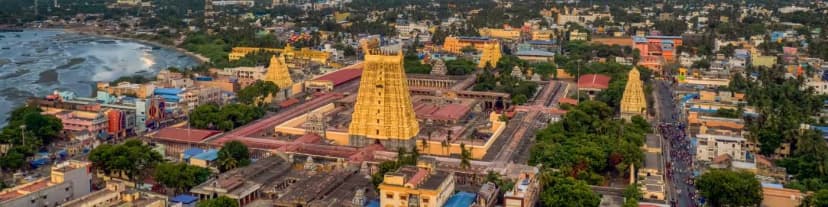
- Meenakshi Amman Temple, Tamil Nadu: A major Hindu pilgrimage site, the Meenakshi Amman Temple, located in Madurai, acts as the major symbol of the rich culture of the Tamil region.
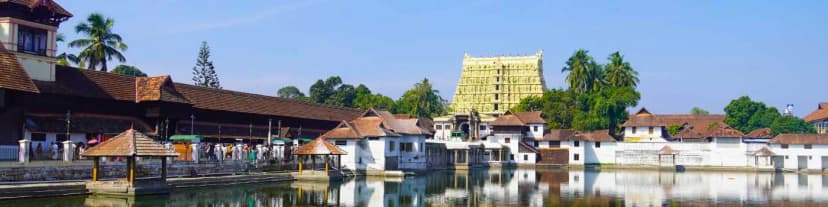
- Sree Padmanabhaswamy Temple, Kerala: The Sree Padmanabhaswamy Temple, situated in Thiruvananthapuram, is considered the world's richest temple. The temple features a stunning Dravidian-style of architecture and a massive reclining idol of Lord Vishnu.
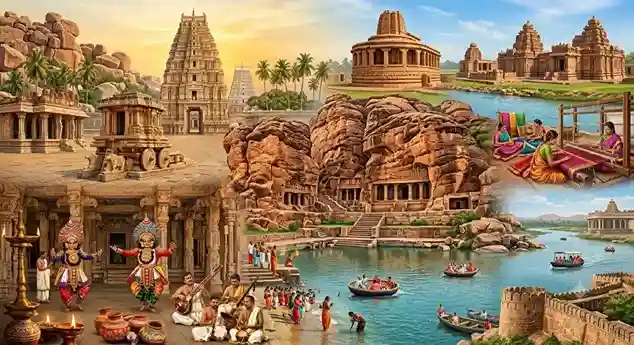
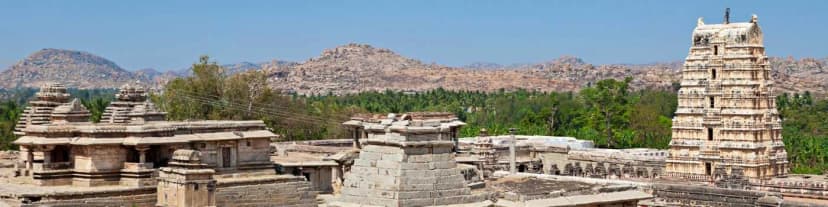
- Virupaksha Temple, Karnataka: Part of the UNESCO World Heritage Site, the 7th-century Virupaksha Temple in Hampi is considered the oldest and continuously active centre of pilgrimage.
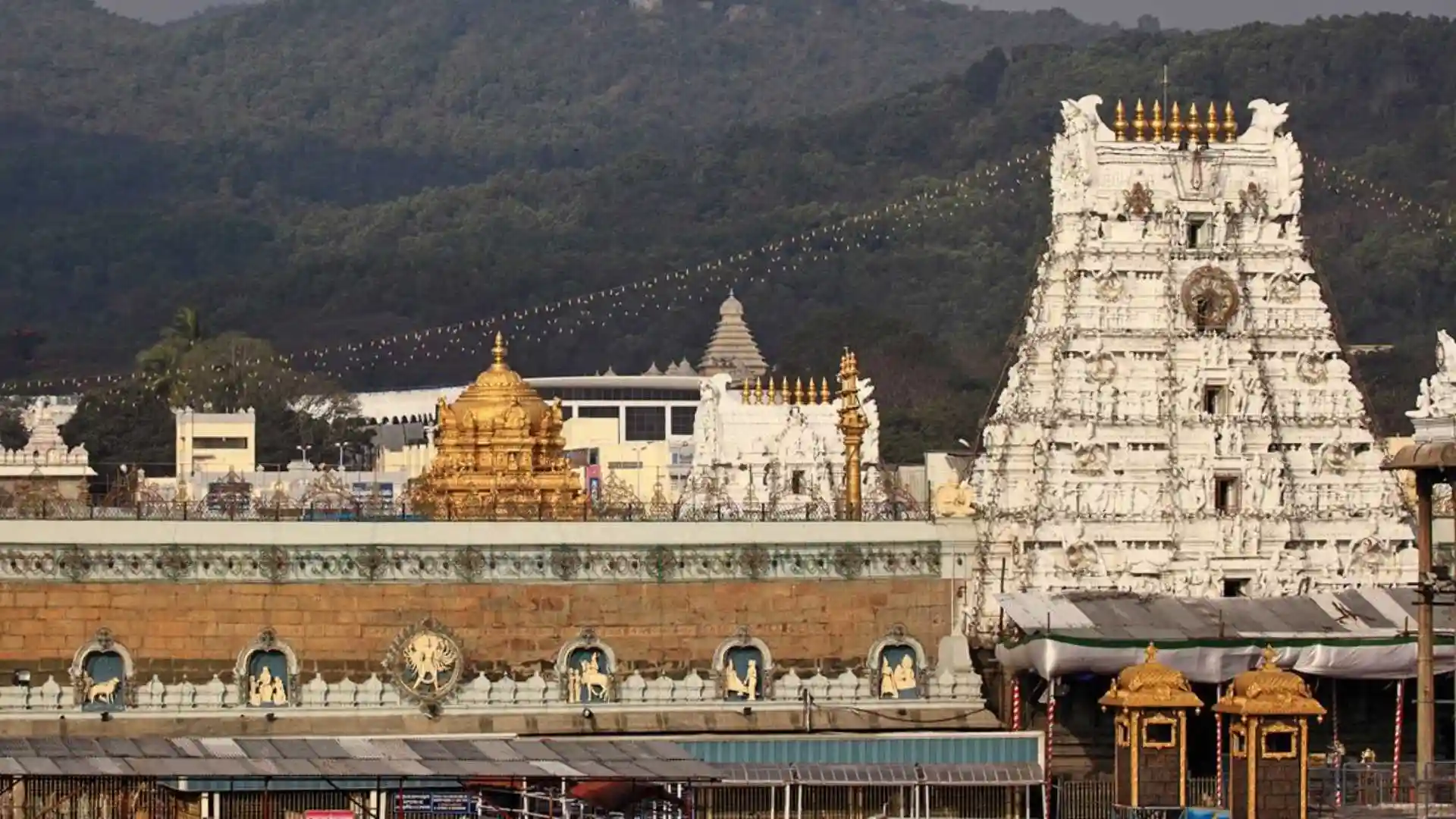
- Tirumala Venkateswara Temple, Andhra Pradesh: The Tirumala Venkateswara Temple is among the most sacred and prominent pilgrimage sites. Dedicated to Lod Vishnu, the temple displays a stunning Dravidian-style of architecture.


 English
 Chinese (Simplified)
 Dutch
Dutch French
 German
 Hebrew
 Italian
 Portuguese (Brazil)
 Russian
 Spanish
 Arabic