- +91 96773 55555
- Toll Free: 1800 123 2255
 English
 Chinese (Simplified)
 Dutch
Dutch French
 German
 Hebrew
 Italian
 Portuguese (Brazil)
 Russian
 Spanish
 Arabic
EnglishChinese (Simplified)DutchFrenchGermanHebrewItalianPortuguese (Brazil)RussianSpanishArabicNorth East India tour packages from Cholan Tours take you into one of the most extraordinary and least explored regions on the subcontinent. Covering all eight states, Assam, Arunachal Pradesh, Meghalaya, Manipur, Mizoram, Nagaland, Tripura, and Sikkim, our North East holiday packages are crafted for travellers who demand depth, authenticity, and expert guidance at every step of the journey.
Called the 'Land of the Seven Sisters', North East India is a region of staggering diversity. In a single trip, you can witness a one-horned rhinoceros graze at the edge of the Brahmaputra floodplain in Kaziranga, stand beneath the thundering columns of Nohkalikai Falls in Meghalaya, trek to the war memorial at Tawang in Arunachal Pradesh, and share a meal with Naga tribespeople in a village that has only recently opened its doors to the world. There is no other region in India, and very few in all of Asia, that packs this scale of natural and cultural variety into a single contiguous landscape.
At Cholan Tours, we have spent years building on-ground expertise across all eight North Eastern states. We understand the permit requirements, the seasonal road conditions, the best local guides, and the hidden experiences that mass-market packages routinely overlook. Whether you are a solo traveller seeking the silence of Dzukou Valley, a couple looking for a romantic North East honeymoon package in Gangtok or Shillong, a family wanting a wildlife-focused Kaziranga itinerary, or a group planning an immersive cultural tour of Nagaland's Hornbill Festival, our team designs the right journey for you.
Every Cholan Tours North East India tour package includes hand-selected accommodation, experienced local guides who speak the regional language, all necessary entry permits and protected area passes, and a 24-hour support line staffed by travel professionals, not chatbots. Our packages range from focused three-night getaways to comprehensive fourteen-day expeditions covering multiple states. All can be customised to match your budget, travel style, and specific interests.
This page is your complete guide to planning a North East India trip: what to see in each state, the best time to visit by season, how to reach the region, the best food to eat, the most important things to do, and the answers to every question we are asked before booking. Read on, and when you are ready, our team is one call away.
Each of the eight states of North East India offers a distinct identity and a different kind of travel experience. Here is how to explore each north-east state with local expertise.
Assam is the most accessible of all the North-Eastern states and the natural starting point for any North East India tour package. The Brahmaputra River, one of the world's largest, runs through its heart, flanked by tea estates, wildlife reserves, and river island villages. Guwahati, Assam's capital, is home to the Kamakhya Temple, one of the most revered Shakti Peethas in Hinduism, and serves as the main air and rail hub for the entire region.
Assam's centrepiece attraction is Kaziranga National Park, a UNESCO World Heritage Site and the world's primary stronghold for the Indian one-horned rhinoceros. Jeep and elephant safaris through Kaziranga's tall elephant grass and swampy marshland are among the most thrilling wildlife experiences in Asia. Further west, Manas National Park offers an even wilder, less-visited alternative. The top attractions include
Arunachal Pradesh is India's largest North-Eastern state and one of its most restricted; most foreign nationals require a Protected Area Permit (PAP) to enter, and Indian visitors need an Inner Line Permit (ILP). Cholan Tours handles all permit logistics as a standard part of our Arunachal Pradesh packages, removing the single biggest administrative barrier for travellers.
The state's crown jewel is Tawang, a high-altitude town near the Tibetan border that is home to the Tawang Monastery, the largest monastery in India and the second largest in Asia. The drive to Tawang via the Sela Pass (4,170 metres) is one of the most dramatic mountain road journeys in the subcontinent. Beyond Tawang, the Namdapha National Park in the east and the Ziro Valley, a UNESCO World Heritage nominee, are world-class destinations. The top attractions include
Meghalaya, meaning 'abode of clouds' in Sanskrit, is the most visited of the seven sisters and for good reason. The state's capital, Shillong, nicknamed the 'Scotland of the East', sits at 1,500 metres and combines colonial-era charm with a thriving contemporary culture. Cherrapunji and the neighbouring village of Mawsynram are among the wettest places on Earth, receiving over 11,000 mm of rainfall annually.
Meghalaya's living root bridges are among the most extraordinary natural engineering feats anywhere in the world, double-decker bridges grown over centuries by training the aerial roots of rubber fig trees across rivers. The Nohkalikai Falls near Cherrapunji, plunging 340 metres into a turquoise pool, are the tallest plunge waterfalls in India. The vast cave systems of the Khasi and Jaintia hills, including Krem Liat Prah, the longest natural cave in India, are a world apart. The Top Meghalaya attractions include:
Nagaland is one of the most culturally singular destinations in all of India. Home to sixteen major Naga tribes, each with its own language, warrior traditions, and ceremonial dress, the state offers travellers an immersion in a living tribal culture with no real parallel elsewhere in South Asia. The capital, Kohima, was the site of one of the most decisive battles of the Second World War in the Pacific theatre, and the Kohima War Cemetery remains a place of extraordinary solemnity.
The Hornbill Festival, held annually from 1-10 December in Kisama village near Kohima, is Nagaland's flagship cultural event, a ten-day celebration featuring tribal song, dance, food, crafts, and games from all sixteen tribes simultaneously. Cholan Tours' Hornbill Festival package is among our most sought-after departures each year. The top Nagaland attractions are-
Manipur occupies a bowl-shaped valley surrounded by forested hills on all sides and is one of India's most culturally rich and historically significant states. It is the birthplace of Manipuri classical dance, one of India's eight classical dance forms recognised by the Sangeet Natak Akademi. The state is also home to Loktak Lake, the largest freshwater lake in North East India, and its famous phumdis: floating islands of decomposing vegetation that support an entire ecosystem, including the endangered Sangai deer.
The Sangai Festival, held each November in Imphal, showcases Manipur's traditions through sport, music, dance, handicrafts, and indigenous games. Cholan Tours' Manipur cultural packages are timed to coincide with major festival dates wherever possible. The top Manipur attractions are-
Mizoram is one of the most literate and peaceful states in India, a quiet destination that rewards curious, unhurried travellers. Its landscape of rolling blue-green hills, terraced fields, and bamboo forests is unlike anything else in the North East. The capital, Aizawl, clings to a dramatic ridgeline with views extending to Myanmar on clear days. The Vantawng Falls, cascading 751 metres, are the tallest waterfall in Mizoram and one of the highest in India.
Mizoram's Chapchar Kut festival in March is a joyful harvest celebration featuring bamboo dances and traditional music. The Phawngpui Blue Mountain National Park, known as the 'Blue Mountain', is a designated protected zone for the rare Hume's Pheasant. The best places to visit in Mizoram are-
Tripura is the third-smallest state in India and one of the most underrated destinations in North East India. Surrounded on three sides by Bangladesh, it has a distinct identity shaped by both Bengali and tribal heritage. Agartala, the state capital, is home to the grand Ujjayanta Palace, now a museum, and the Tripura Sundari Temple, one of the 51 Shakti Peethas of Hinduism.
The Unakoti rock-cut sculptures, a collection of giant bas-relief carvings and rock sculptures dating to the 7th-9th centuries, are among the most under-visited archaeological sites in all of India. The Neermahal Water Palace, built in the middle of Rudrasagar Lake, is a unique example of Mughal and Hindu architectural fusion. The best places to visit in Tripura are
Sikkim, the 'brother state' of the seven sisters, is India's least populous state and arguably its most scenically spectacular. Nestled in the eastern Himalaya between Nepal, Tibet, and Bhutan, Sikkim offers high-altitude lakes, ancient Buddhist monasteries, rhododendron forests, and clear-day views of Kanchenjunga, the world's third-highest peak. The capital, Gangtok, is the most polished and visitor-ready city in the entire North Eastern region.
North Sikkim, including the sacred Gurudongmar Lake at 5,183 metres and the Yumthang Valley of flowers, is one of the most visually overwhelming high-altitude destinations in South Asia. Tsomgo Lake on the road to Nathula Pass is an iconic stop on every Sikkim itinerary. Cholan Tours' Sikkim packages operate both private and small-group departures year-round. The top Sikkim attractions are-
North East India can be visited in any month of the year, but the experience varies significantly by season. Choosing the right window depends on which states you plan to visit, what activities you have in mind, and your tolerance for rain and road conditions. Here is a definitive season-by-season breakdown.
|
Season |
Months |
Temp range |
Conditions |
Best for |
|
Summer |
March - June |
15°C - 32°C |
Warm, clear, excellent road access |
Trekking, wildlife, sightseeing, Arunachal |
|
Monsoon |
July - September |
20°C - 30°C |
Heavy rain, some road closures, lush green |
Meghalaya, waterfalls, off-season pricing |
|
Autumn |
October - November |
10°C - 25°C |
Clear skies, post-rain freshness, festivals |
Hornbill Festival, Sangai Festival, photography |
|
Winter |
December - February |
2°C - 20°C |
Cold, snowfall at altitude, excellent wildlife |
Kaziranga, Sikkim, Hornbill (December) |
Summer is the most popular season for travel in North East India and, for most states, the best overall window for a comprehensive tour. Temperatures across the lower-altitude regions sit between 20°C and 30°C, warm but manageable. The mountain states of Sikkim and Arunachal Pradesh are particularly spectacular: snow begins to recede from the high passes in April, and by May the rhododendron forests are in full bloom. The Yumthang Valley in Sikkim earns its 'Valley of Flowers' name during these weeks.
Kaziranga's famous jeep and elephant safaris operate fully through May, before the park closes for monsoon in late May or early June. The Sela Pass on the approach to Tawang, which can be snow-blocked in winter, is reliably open from April onwards. For first-time visitors to North East India, April and May represent the single best period to travel, with near-perfect weather, open roads, lush but not rain-drenched landscapes, and all eight states accessible without major logistical complications.
The North East receives some of the heaviest monsoon rainfall anywhere in the world. Meghalaya, in particular, is home to Cherrapunji and Mawsynram, and it can see extraordinary daily rainfall totals from June through September. Road conditions in hilly areas become unpredictable; landslides on mountain highways in Arunachal Pradesh and Sikkim can add hours or days to journey times.
However, the monsoon is not a reason to avoid the North East entirely, for travellers specifically visiting Meghalaya, the living root bridges and the great waterfalls are at their most dramatic in the wet season. Assam's plains remain largely accessible. Guwahati, Shillong, and Agartala are safe and functional year-round. Monsoon travel suits independent, flexible travellers more than those on a tight fixed itinerary. Cholan Tours does operate monsoon tours to select destinations, but always with contingency planning built in.
Many experienced travellers to North East India consider October and November the finest time of year to visit. The monsoon has retreated, the landscape is freshly green, the sky is clear, and the air is cool and sharp. Road conditions have recovered from the rains, and the high passes are open before the first winter snowfall.
Crucially, this is festival season. The Hornbill Festival runs from 1-10 December (just after autumn) in Nagaland; the Sangai Festival takes place in late November in Manipur; and Assam's various Bihu and harvest celebrations are also centred around October. Cholan Tours strongly recommends autumn as the second-best overall window, particularly for cultural travellers, photographers, and those combining multiple states in a single itinerary.
Winter divides the North East into two very different travel zones. At low altitudes, Assam's Brahmaputra plains, Guwahati, Agartala, Imphal, the season is pleasantly cool and one of the best times to visit for wildlife. Kaziranga National Park (which reopens in October after the monsoon) is exceptional in winter: the elephant grass is shorter, giving clear sightlines to rhinos, wild buffalo, tigers, and elephants. Birding across the region is outstanding.
At altitudes in Sikkim, Arunachal Pradesh, and Nagaland, winter is genuinely cold, with temperatures well below zero at night in mountain areas and regular snowfall from December onwards. The Nathula Pass and Sela Pass may be closed by snow. Tawang, while accessible to the hardiest travellers, requires serious preparation. Cholan Tours' winter itineraries are carefully calibrated to match clients' fitness and experience levels with appropriate destinations.
Flying into North East India is the most efficient way to begin your journey. The region has a growing network of commercial airports, several of which now receive direct flights from Delhi, Kolkata, Mumbai, and other major Indian cities.
| Airport | State | IATA code | Key connections |
|
Lokpriya Gopinath Bordoloi International Airport |
Assam (Guwahati) |
GAU |
Delhi, Kolkata, Mumbai, Bengaluru, Hyderabad, Chennai |
|
Maharaja Bir Bikram Airport |
Tripura (Agartala) |
IXA |
Kolkata, Delhi, Guwahati, Imphal |
|
Shillong Airport (Umroi) |
Meghalaya |
SHL |
Kolkata, Guwahati, limited services |
|
Donyi Polo Airport |
Arunachal Pradesh (Itanagar) |
HGI |
Kolkata, Guwahati, domestic services |
|
Imphal Airport |
Manipur |
IMF |
Delhi, Kolkata, Guwahati, Agartala |
|
Dimapur Airport |
Nagaland |
DMU |
Kolkata, Guwahati, Delhi, limited services |
|
Pakyong Airport |
Sikkim |
PYG |
Kolkata, small aircraft, limited services |
|
Bagdogra Airport |
West Bengal (gateway to Sikkim) |
IXB |
Delhi, Kolkata, Mumbai, and the primary Sikkim gateway |
Guwahati (GAU) serves as the primary aviation hub for the entire North East. Most comprehensive North East India tour packages begin and end in Guwahati, with onward travel to other states by road or connecting flight. Cholan Tours can include round-trip airfare in your package on request, or advise on the best fares to book independently.
For travellers arriving from Delhi, Kolkata, or other major cities, the train is a popular and cost-effective alternative. The main rail entry point for the North East is Guwahati Junction, one of the busiest railway stations in India's northeast.
Key trains from Delhi: Rajdhani Express (New Delhi to Dibrugarh, approx. 28-32 hours) and the North East Express (Delhi to Guwahati, approx. 32 hours). From Kolkata, the Saraighat Express and Kamrup Express connect Howrah to Guwahati in approximately 17-18 hours. Seats on popular trains, especially during the peak holiday season, fill up weeks in advance; book early.
Note that Arunachal Pradesh has no railway connectivity within the state; the nearest major railhead is Harmuti or Rangapara, from which road travel to Itanagar or Bomdila begins. Sikkim similarly has no operational rail link; the nearest station is New Jalpaiguri (NJP), which connects to Gangtok via a 4-5-hour road journey.
Road travel is the primary mode of transport within the North East once you have arrived in the region. Cholan Tours uses a fleet of well-maintained vehicles, from compact SUVs for couples and solo travellers to larger coaches for group departures, driven by experienced local drivers who know the mountain roads intimately.
Entry by road from the rest of India is most practical from West Bengal, via Siliguri, which serves as the road gateway to Sikkim and the eastern corridor of the North East. National Highway 10 connects Siliguri to Gangtok; National Highway 27 is the main highway through Assam. Bus services connect Kolkata, Guwahati, and Siliguri to most of the state capitals, though long-distance bus journeys in the mountains can be slow and physically demanding.
North East India rewards active engagement. The following are the most significant and distinctive experiences the region offers, each one something you genuinely cannot replicate anywhere else in India.
A jeep safari through Kaziranga is among the finest wildlife experiences in Asia. The park is home to more than 2,600 one-horned rhinoceros, the largest population on Earth, along with Bengal tigers, Asian elephants, wild water buffalo, swamp deer, and over 500 species of birds. Kaziranga operates across four distinct safari ranges; Cholan Tours books the central range, which offers the highest rhino density, as well as the western range for birding.
Best season: October-May (park closed mid-June to October)
The double-decker living root bridge at Nongriat village, reached by a steep 3,000-step descent from Tyrna, is the most famous trekking destination in Meghalaya and one of the most unusual in all of South Asia. The bridges are formed by training the aerial roots of Indian rubber fig trees across streams over generations. Some are over 500 years old and support the weight of fifty people simultaneously. The trek is moderately demanding and takes approximately 4-5 hours return.
Best season: October - April (avoid peak monsoon months for the descent)
The Hornbill Festival, held at Kisama Heritage Village, 12 kilometres from Kohima, each year from 1-10 December, is India's most significant tribal cultural event. All sixteen major Naga tribes gather to showcase their warrior traditions, music, dance, food, and crafts. The festival's morungs (tribal dormitories) are reconstructed in the village and serve as living cultural exhibits. This is not a tourism performance; it is a genuine celebration in which the tribes themselves are the primary participants and audience.
Best season: December 1-10 exclusively
The Siang River, which enters India from Tibet as the Tsangpo before descending into Arunachal Pradesh, offers some of the most technically challenging white-water rafting in South Asia. Grades III to V rapids through deep gorges are the norm on the upper Siang. The Subansiri and Kameng rivers offer less demanding but equally scenic options. Cholan Tours partners with certified rafting operators for all water-based activities.
Best season: October - March
Tawang Monastery, built in the 17th century at an altitude of 3,048 metres, is the largest monastery in India and the second largest in Asia after Lhasa's Drepung Monastery. Home to approximately 400 monks, it is an active centre of Tibetan Buddhist practice and one of the most architecturally and spiritually significant sites in the country. The adjoining Tawang War Memorial commemorates the 1962 Sino-Indian War. Reaching Tawang via the Sela Pass is itself a journey of exceptional drama.
Best season: April - October (Sela Pass may be snow-closed November - March)
Keibul Lamjao National Park in Manipur is the only floating national park in the world, built on the phumdi islands of Loktak Lake. It is the last natural habitat of the Sangai (Eld's deer), a critically endangered species whose hooves are adapted to the floating reed-bed terrain. Combining a boat ride on Loktak Lake with a Keibul Lamjao game drive is one of the most unusual wildlife experiences in India.
Best season: October - March
The North East's greatest human geography is its tribal village culture. Cholan Tours arranges responsible community visits to Naga villages near Kohima and Mon (home of the Konyak tribe, known as the last head-hunters of India), to Apatani villages in Arunachal Pradesh's Ziro Valley, and to Garo and Khasi villages in Meghalaya. All visits are conducted with the knowledge and permission of village councils, and a portion of visit fees is paid directly to community development funds.
Best season: Year-round, but October - March is most comfortable
Meghalaya's limestone plateau conceals one of the most extensive cave systems in Asia. Krem Liat Prah is the longest natural cave in India, at over 31 kilometres of mapped passages. Mawsmai Cave near Cherrapunji is the most visitor-accessible. For serious spelunkers, Meghalaya Adventurers Association runs technical caving expeditions into largely unexplored cave systems. Even casual travellers can enjoy a guided 45-minute walk through Mawsmai's cathedral chambers and stalactite formations.
Best season: November - April (monsoon flooding makes caves dangerous July - September)
Assam produces more tea than any other region on Earth, accounting for over half of India's total output. Cholan Tours offers dedicated tea experiences: guided walks through the estates, visits to orthodox rolling factories to understand the processing of CTC and orthodox teas, and plantation bungalow stays where guests sleep in the original planter's residences. The experience combines history, botany, and one of the world's great flavour traditions.
Best season: March - May (first flush) and October - November (second flush)
The Brahmaputra is one of the world's great rivers, wider than the Thames at London for most of its length through Assam, and a river cruise on its waters is a perspective on the North East that no road journey can provide. Cholan Tours arranges sunset cruises from Guwahati, including a visit to Umananda Temple on its mid-river island, and multi-day river expeditions through the national parks for birding and dolphin-spotting.
Best season: October - April
North East India is an increasingly sought-after honeymoon destination for couples who want something genuinely different, not a package-tour hill station with a cable car, but a landscape that is still discovering itself, where experiences feel earned and memorable. Cholan Tours' North East honeymoon packages are designed around privacy, quality accommodation, unhurried pacing, and moments of genuine beauty.
Gangtok is the most polished city in the North East and the most popular honeymoon base. The city combines excellent boutique hotels, a lively café and restaurant scene, and easy access to dramatic Himalayan scenery. The Tsomgo Lake drive, the monastery circuit (Rumtek, Enchey), and an evening at the rooftop of a Gangtok hotel watching the light fade from Kanchenjunga are among the finest experiences in Indian hill tourism. North Sikkim, reachable on a one or two-night extension from Gangtok, adds the extraordinary high-altitude solitude of Gurudongmar Lake.
Shillong's combination of colonial bungalows, live music venues, cool climate, and proximity to the waterfalls and living root bridges of Cherrapunji makes it one of the most characterful honeymoon destinations in the North East. The two-hour drive from Shillong to Cherrapunji through the cloud-level plateau is one of the most surreal drives in India. Staying at a heritage bungalow in Cherrapunji, waking to mist and the sound of falls, is an experience unlike any 5-star hotel.
Tawang is not an easy destination; the journey requires a full day's mountain driving via the Sela Pass, but for couples who make the effort, it is transformative. The monastery, the lake circuit, the valley views, and the silence of a high-altitude Himalayan town that sees relatively few visitors make Tawang one of the most special places in all of India. Cholan Tours recommends Tawang as a honeymoon destination specifically for couples who have already experienced the standard hill station circuit and want something more.
Yuksom, the first capital of Sikkim, sits in a forested valley at 1,780 metres and serves as the trailhead for the Goechala trek to the base of Kanchenjunga. For honeymooners who want to hike together through rhododendron forests, stay in small eco-lodges, and experience a Sikkim that is untouched by package tourism, West Sikkim, Yuksom, Pelling, and Khecheopalri Lake, is the right choice. Pelling offers unobstructed morning views of the Kanchenjunga massif from hotel terraces.
North East India produces some of the finest handmade textiles, crafts, and organic products in the country, and almost none of it is available anywhere outside the region. Shopping here is not about mass-market souvenirs; it is about taking home something that carries genuine cultural and craft significance.
Assam silk, Muga (golden silk), Pat (white silk), and Eri (peace silk), is produced only in Assam and ranks among the finest natural fibres in the world. Muga silk is naturally golden, requires no dye, and becomes richer in colour with each wash. The Mekhela Chador (Assam's traditional two-piece garment for women), woven in Muga silk, is a genuine heirloom purchase. Manipur's Phanek and Innaphi garments, woven in handloom cotton, and Nagaland's warrior shawls, woven in bold geometric patterns, are equally distinctive.
Where to buy: Assam, Sualkuchi weaving village near Guwahati, Fancy Bazar, Guwahati. Manipur, Khwairamband Bazar (Ima Keithel), Imphal. Nagaland, Kohima town market.
Traditional Naga jewellery is crafted from glass beads, animal bones, seeds, horns, and, in older pieces, brass and ivory. Each tribe has its own distinctive jewellery vocabulary; the Konyak use hornbill feathers and boar tusks; the Ao use coloured glass beads in intricate patterns. Contemporary Naga jewellery makers now produce versions designed for everyday wear that retain the visual boldness of the originals. The Nagaland Emporium in Kohima and the Hornbill Festival craft market are the best places to buy authentic pieces.
The Sattriya tradition of Majuli Island, the world's largest river island and the cultural heart of Vaishnavite Assam, includes a sophisticated tradition of mask-making for theatrical and ritual use. Masks are made from bamboo, clay, and cloth, and feature natural dyes, depicting characters from Hindu epics, including Ravana, Hanuman, and Garuda. Majuli's mask-making community sells directly from their workshops; Cholan Tours can arrange a visit with a mask-making demonstration.
The North East produces the finest bamboo and cane craft in India. Tripura's Agartala market is the best place to buy precisely woven cane furniture, baskets, lamp shades, and storage boxes. Assam's bamboo tea trays and cooking steamers are beautifully functional. Meghalaya produces distinctive bamboo water containers and carrying baskets used by the Khasi and Garo communities in daily life, authentic working objects that travel well.
Assam's first and second-flush orthodox teas from single estates are among the finest black teas produced anywhere in the world. Sikkim's Temi Tea Estate, the state's only tea plantation, produces a delicate, muscatel-noted tea that was a favourite of the Sikkimese royal family. Both are sold in their producing regions at significantly better quality and price than anything available in airport duty-free shops. Assam's black cardamom, dried ginger, and Bhut Jolokia (ghost pepper) are world-class spice buys.
Where to buy: Guwahati's Paltan Bazar and Fancy Bazar. Temi Tea Garden shop, Sikkim. Tea board-certified estate shops near Jorhat and Dibrugarh.
|
What we offer |
What it means for you |
|
15+ years of North East specialisation |
We operate exclusively in the region, not as one destination among hundreds. Every guide, hotel, and route has been personally evaluated. |
|
All permits handled, zero exceptions |
Inner Line Permits, Protected Area Permits, and Restricted Area Permits for Arunachal, Nagaland, Mizoram, and Manipur are arranged as standard, no surprise bureaucracy. |
|
Fully customisable itineraries |
No fixed group departures, you must fit around. Every package is built to your dates, interests, budget, and travel style. |
|
Local guides with community roots |
Our guides in each state are local; they speak the regional language, know the community elders, and open doors that outside guides cannot. |
|
24-hour travel support |
A staffed emergency line, not a voicemail or chatbot, available throughout your journey in case of road closures, weather changes, or health issues. |
|
Responsible travel commitment |
We pay community visit fees directly to village councils, use locally owned accommodation where available, and operate a plastic-free vehicle policy. |
North East India tour packages offer a truly unique travel experience for those seeking something beyond the ordinary. Plan your North East India trip with Cholan Tours and discover one of the most unexplored and authentic regions of the country. Whether you’re looking for customised North East India itineraries, offbeat honeymoon packages, or adventure-filled holidays, our specialists design personalised journeys based on your travel style, duration, and interests.
Spread across eight diverse states, North East India tourism is known for its untouched natural beauty, rich tribal culture, and immersive experiences that feel raw and uncommercialised. From the living root bridges of Meghalaya and the floating lakes of Manipur to the vibrant Hornbill Festival of Nagaland and serene Brahmaputra river cruises in Assam, every journey is filled with unforgettable moments. Ideal for couples, nature lovers, adventure seekers, and cultural explorers, North East India holiday packages offer trekking, river rafting, village experiences, and wildlife exploration.
Whether you are:
Choose from the best North East tour packages in India and experience a destination where traditions are alive, landscapes are pristine, and every trip feels deeply personal and memorable.
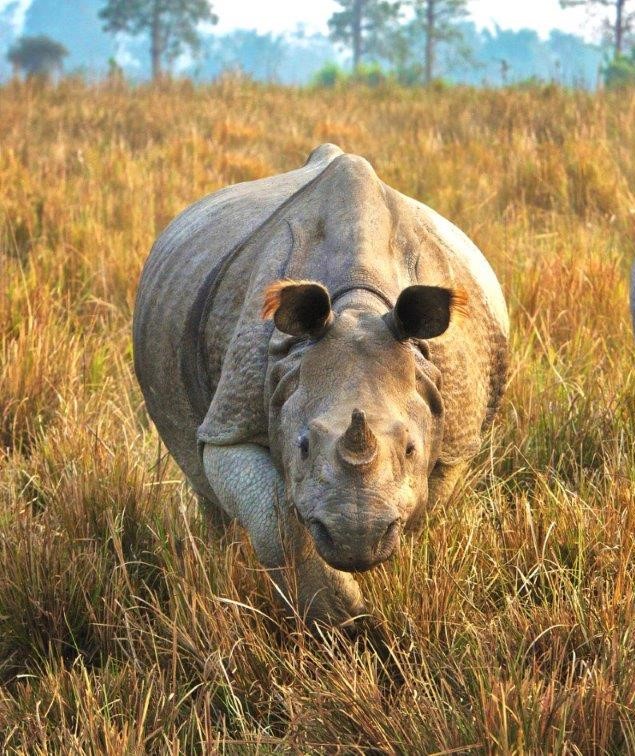
From Central India's legendary tiger heartland to the flood plains of Assam, this journey combines thrilling jeep safaris in Bandhavgarh and Kanha with the extraordinary one-horned rhino spectacle of Kaziranga, India's ultimate big wildlife double.
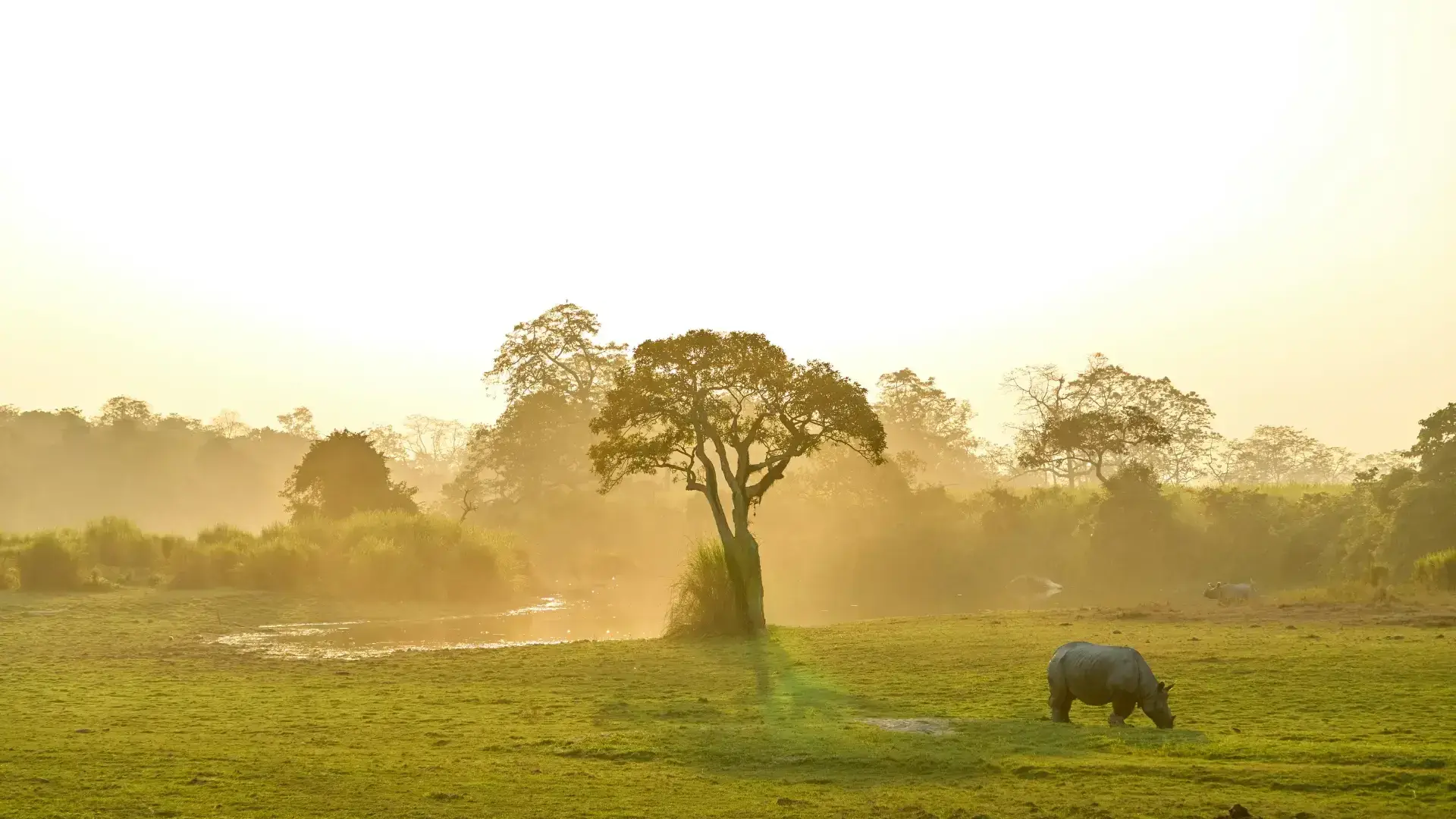
Explore the best of Assam's wildlife. Start with seeking blessings at the divine Kamakhya temple and cruise the mighty Brahmaputra. Continue your journey to the wild, filled with one-horned rhinos and tigers on Kaziranga jeep and elephant safaris. Continue to Majuli, the world's largest river island, to give a serene conclusion to this mindblowing itinerary.
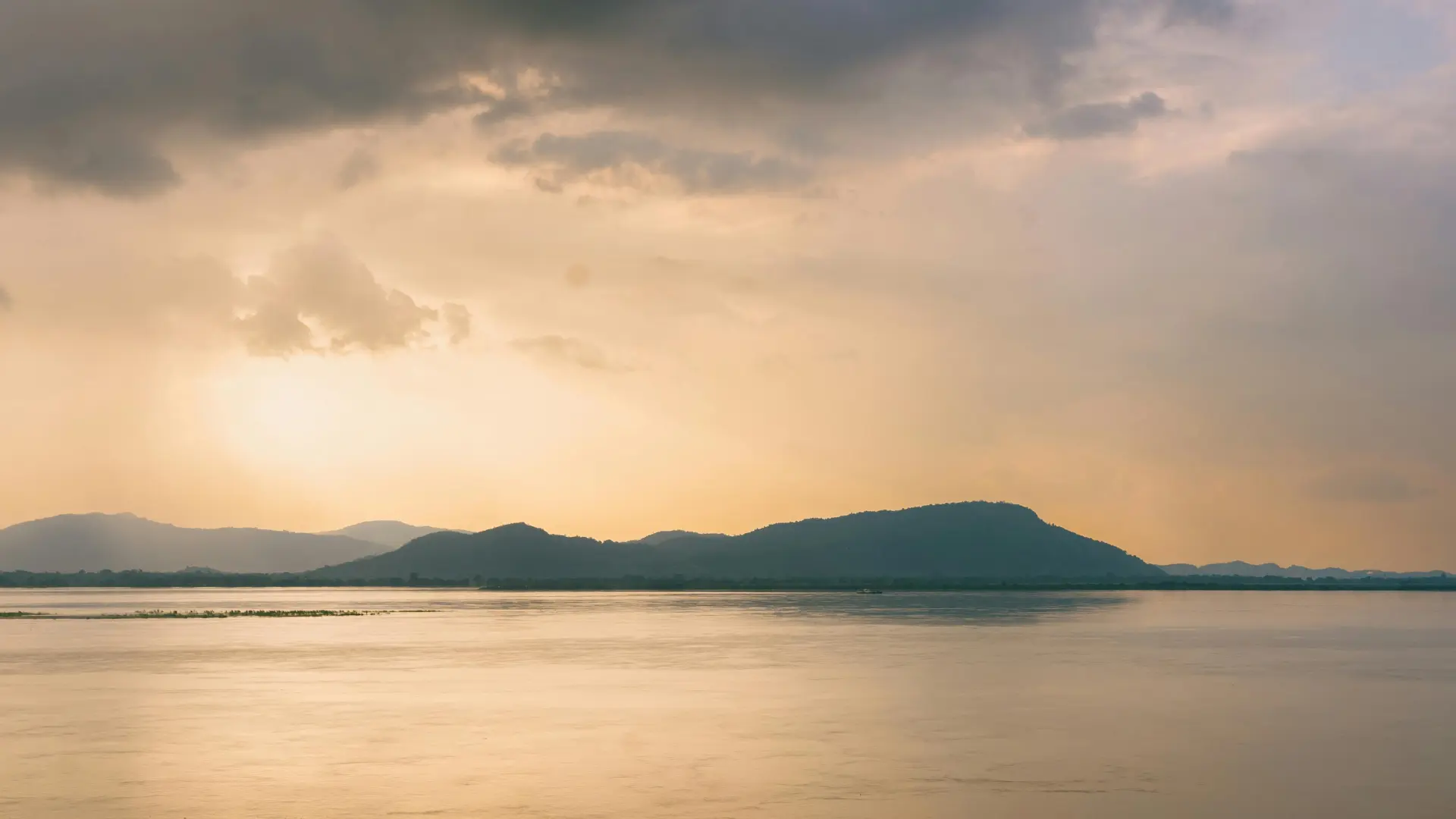
If you want to experience the North East's classic circuit, here is Cholan Tours with the Assam Meghalaya Classic Circuit. Cruise on the Brahmaputra at Guwahati, explore Shillong's colonial charm and living root bridges, stand beneath the world's wettest waterfalls at Cherrapunji, kayak the crystal-clear Umngot River at Dawki, and walk Asia's cleanest village at Mawlynnong, all with this tour.
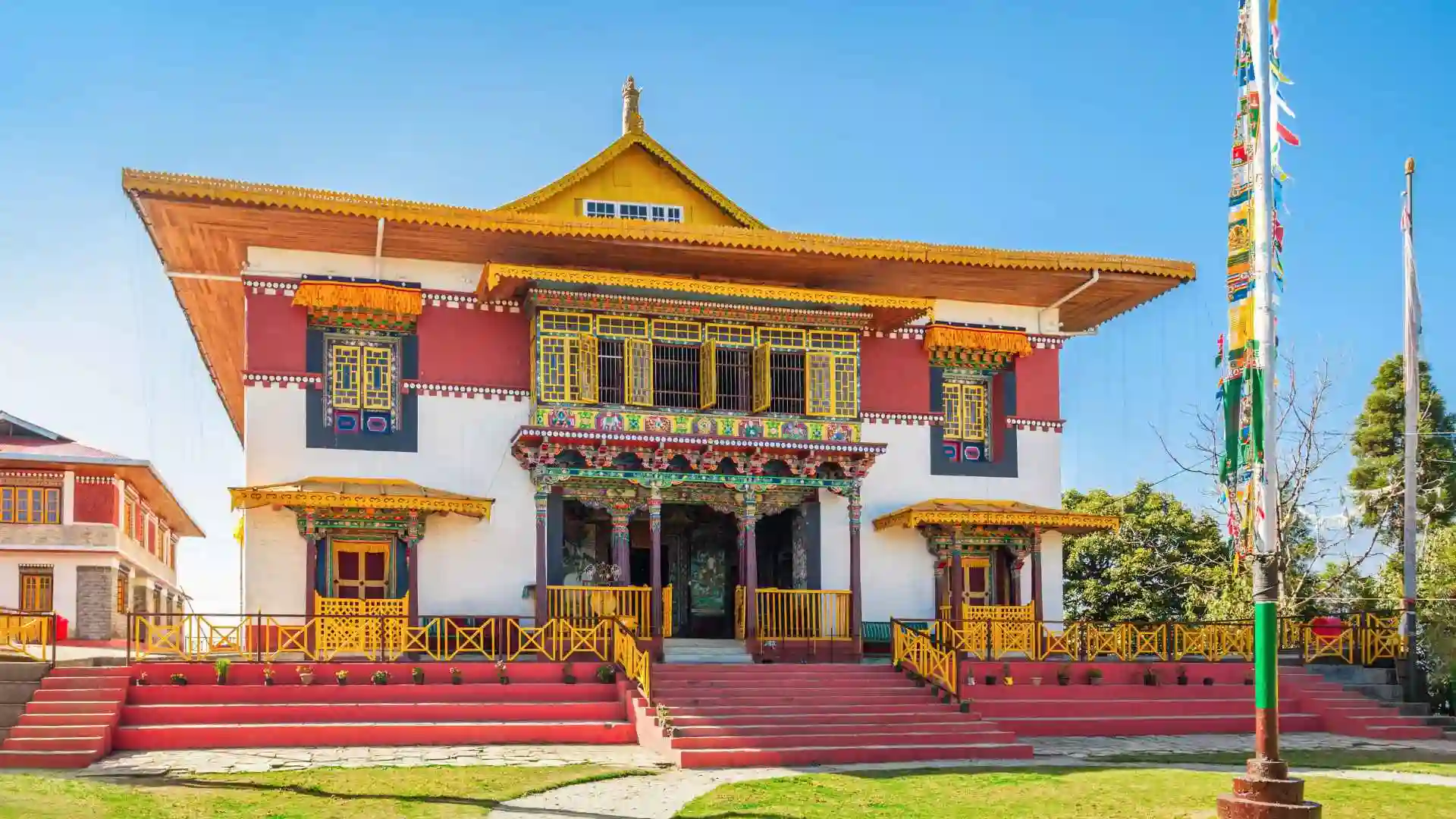
Experience the charm of Gangtok and Darjeeling with scenic Himalayan drives, visits to Tsomgo Lake and Baba Mandir, sunrise at Tiger Hill, tea garden views, monasteries, and breathtaking landscapes of the Eastern Himalayas.

From Kolkata’s colonial charm to Sundarbans wildlife, Himalayan railways, Buddhist enlightenment, waterfall-rich plateaus, and Odisha’s sacred coast, this epic 30-day journey unveils India’s hidden heart.
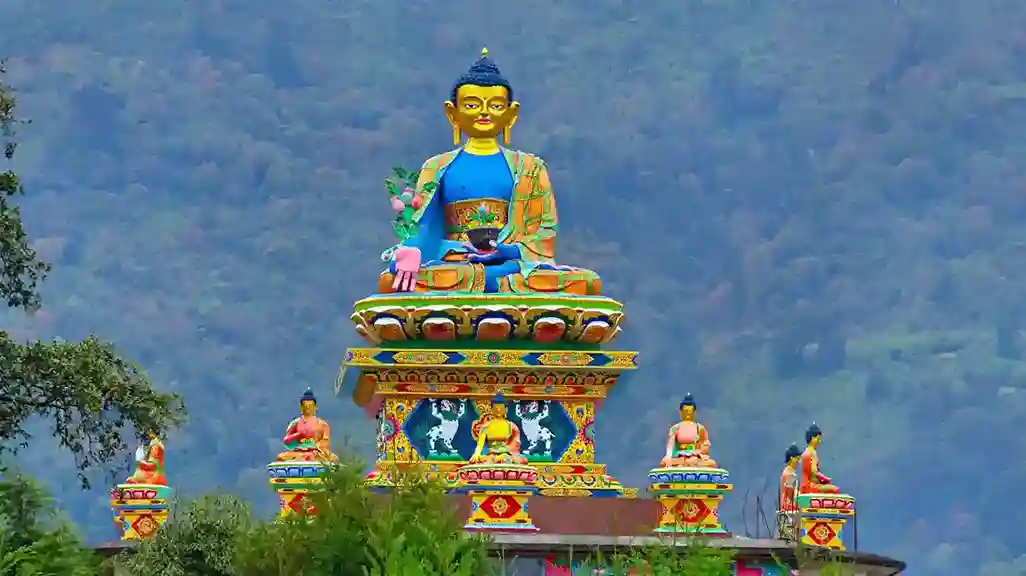
Journey through all Eight Sister states of North East India, Sikkim, Assam, Arunachal, Meghalaya, Nagaland, Manipur, Mizoram & Tripura, featuring Himalayan landscapes, rare wildlife, tribal cultures, pristine rivers and luxury stays.
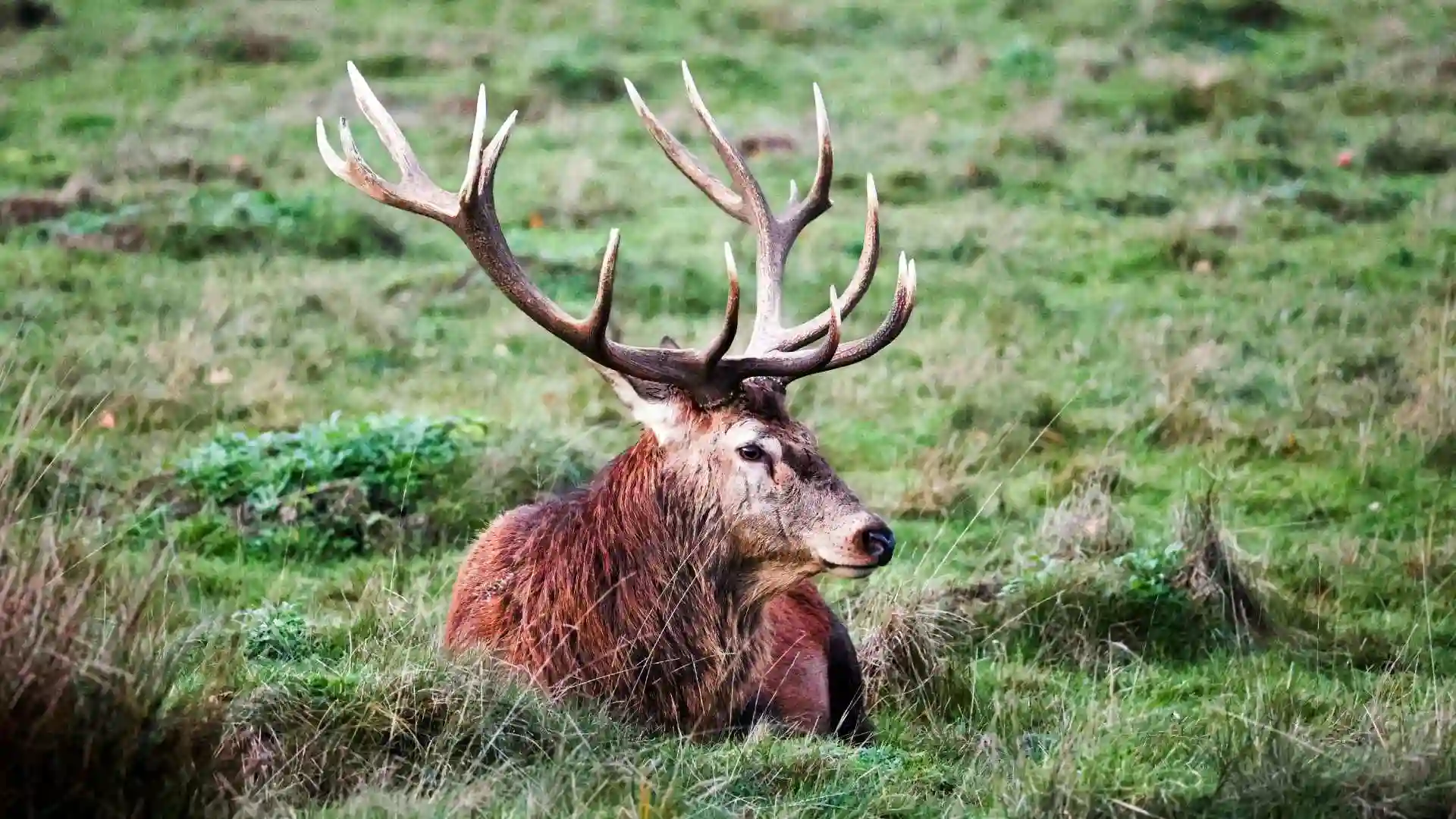
Experience a prosperous wildlife journey through Northeast India. It combines the exploration of national parks, riverine habitats, rainforest landscapes, and tribal regions with a beginning and an ending in Guwahati.
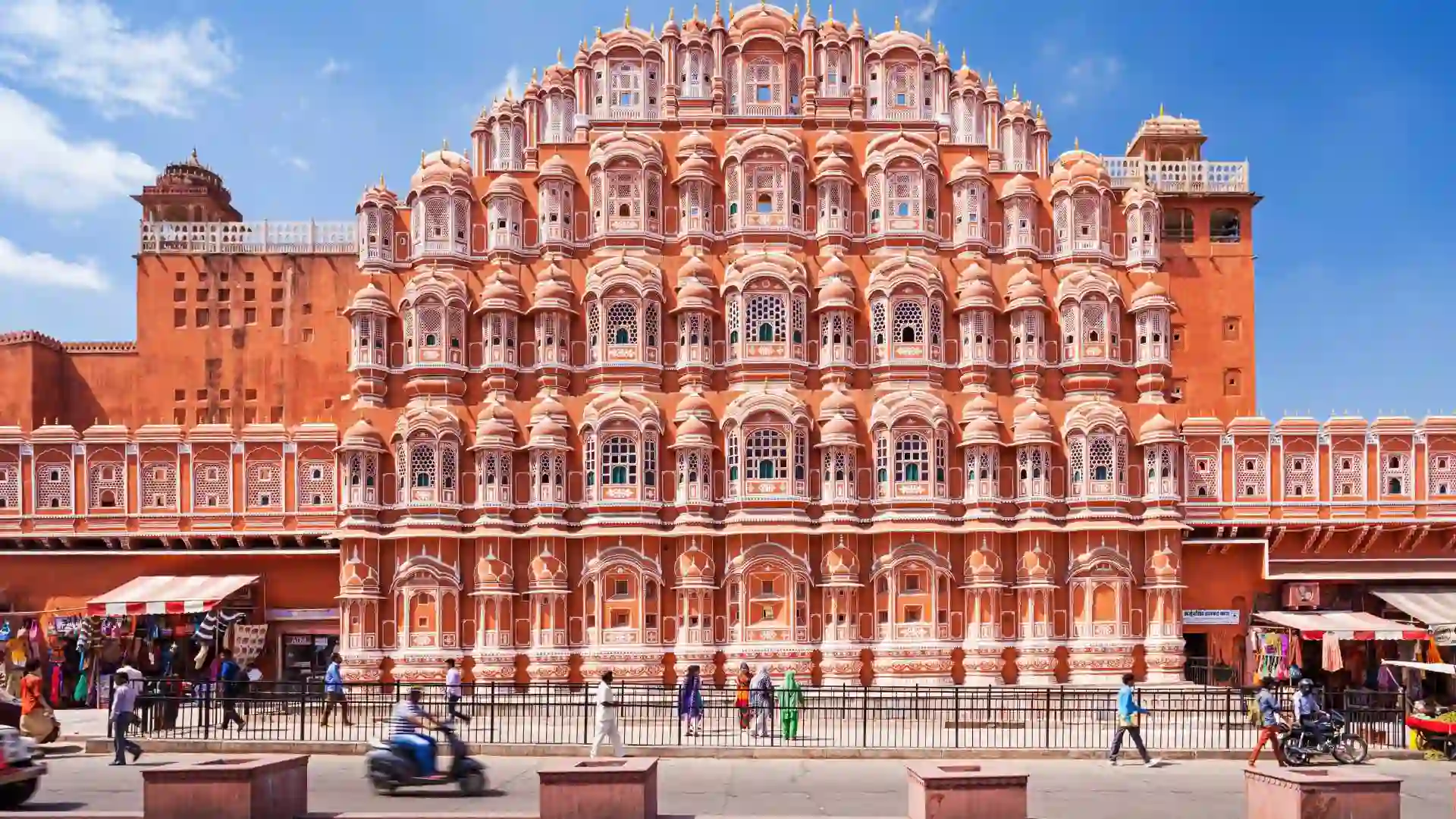
The Rajasthan Desert & Palace Tour package takes you from the majestic palaces and forts to the adventurous and vast sand dunes of the Land of the Kingdoms.
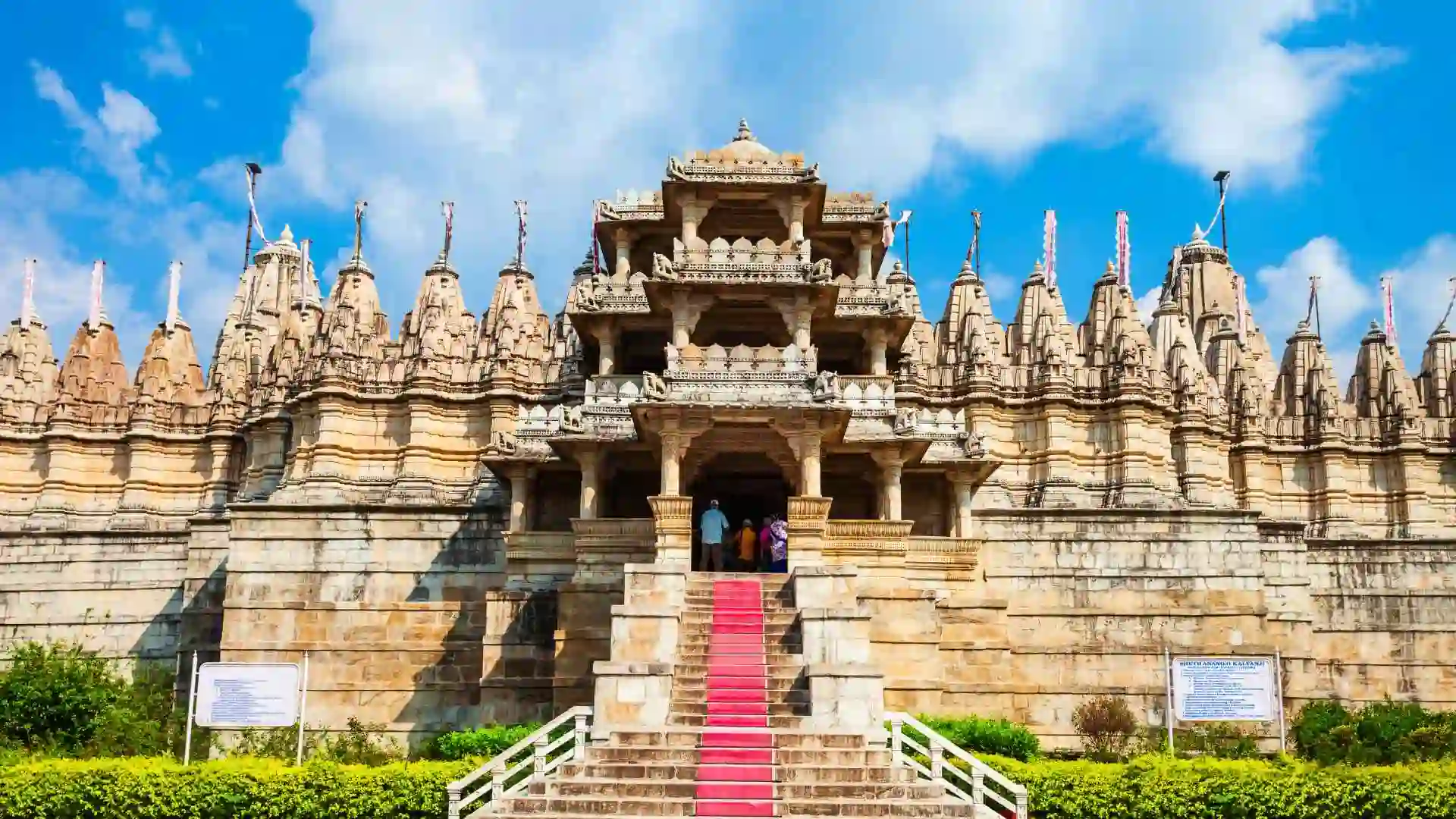
Witness the vibrant culture and diverse celebrations in Rajasthan through its prominent spiritual destinations.
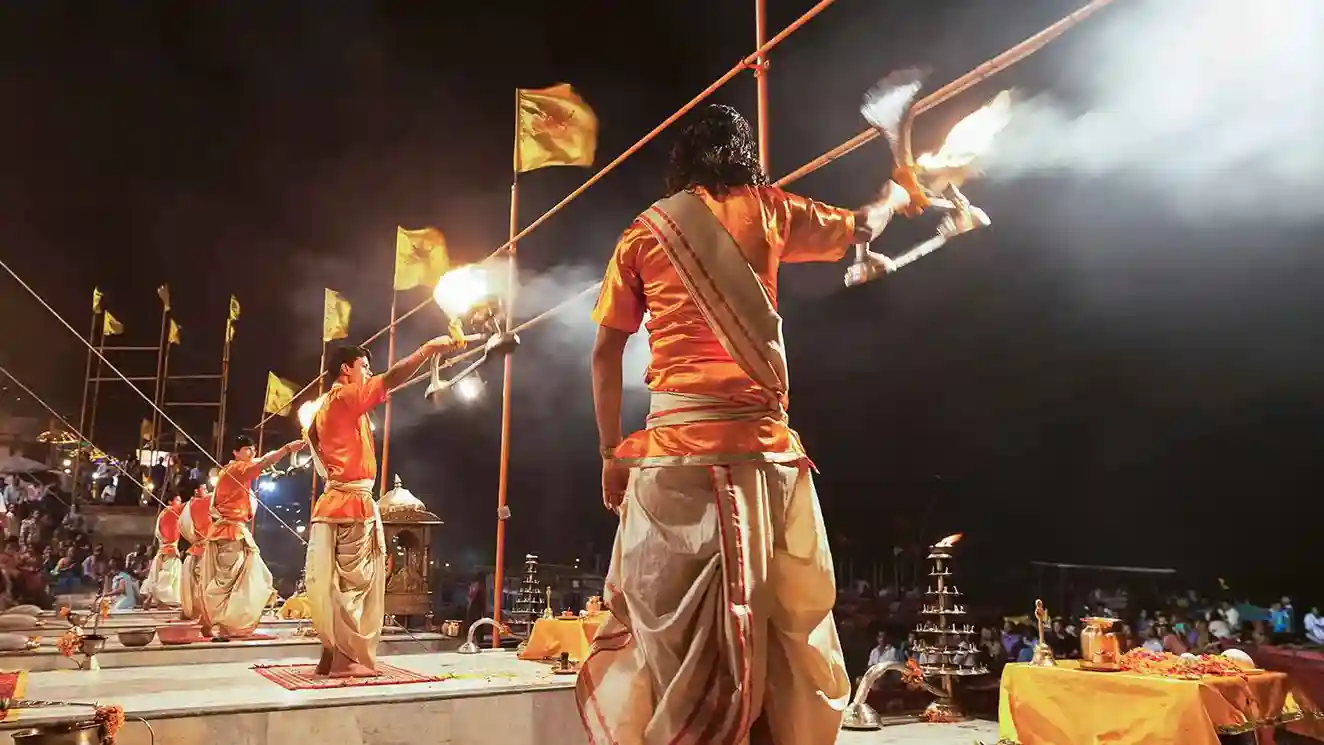
Discover India’s finest heritage and spirituality across Delhi, Varanasi, Agra, Ranthambore, Jaipur, Jodhpur, and Udaipur. Experience sacred river rituals, royal palaces, iconic monuments, wildlife safaris, luxury stays.