- +91 96773 55555
- Toll Free: 1800 123 2255
 English
 Chinese (Simplified)
 Dutch
Dutch French
 German
 Hebrew
 Italian
 Portuguese (Brazil)
 Russian
 Spanish
 Arabic
EnglishChinese (Simplified)DutchFrenchGermanHebrewItalianPortuguese (Brazil)RussianSpanishArabicThiruvananthapuram, also known as Trivandrum, is the capital city of Kerala. Explore one of South India’s most culturally rich and tourism-driven destinations with Thiruvananthapuram Tour Packages. It is positioned along the Arabian Sea on the southern tip of the state. Trivandrum city functions as Kerala’s administrative, political, educational, and cultural nerve centre while continuing to evolve as a modern urban hub.
It has a unique blend of heritage landmarks, coastal landscapes, wellness tourism, and emerging infrastructure. Thiruvananthapuram offers a strong appeal for everyone. Here, every corner carries a story softened by sand, spice, and serenity. You can opt for Thiruvananthapuram Tour Packages to explore this city in great depth.
The city derives its name from the presiding deity of the iconic Sree Padmanabhaswamy Temple. This temple is one of the 108 Divya Desams dedicated to Lord Vishnu. It is also widely regarded as one of the wealthiest temples in the world. Thiruvananthapuram is an important pilgrimage destination while also anchoring its historic connection to the erstwhile kingdom of Travancore.
If you enjoy regal history and stories, you will have a gala time here. Opt for Thiruvananthapuram Tour Packages to see landmarks such as Kanakakkunnu Palace, Kowdiar Palace, Kuthira Malika, and Napier Museum.
The city and its surroundings feature internationally known beaches. You can pay a visit to mesmerising beaches like Kovalam and Shanghumukham. Along with serene backwaters at Poovar, forested highlands like Ponmudi, and protected ecosystems including the Neyyar Wildlife Sanctuary and Agasthyakoodam peak. If you choose Thiruvananthapuram travel packages, you will experience the best natural diversity of Trivandrum.
Areas around Kovalam, Chowara, and Poovar host several established Ayurveda and Panchakarma centres. These centres attract visitors seeking therapeutic treatments combined with yoga and meditation. This eco-system makes Trivandrum one of the most sought- after destinations and a fan-favourite all year round. You can opt for any Thiruvananthapuram tour package to experience it closely.
Urban growth corridors such as the Kazhakootam-Airport stretch highlight the city’s modern outlook, housing Technopark, India’s first IT park, along with large commercial centres, educational institutions, and hospitality developments.
In this city, one moment, you're marvelling at stone-carved temples and in the nex next, you’re lounging on beaches. You could be wandering through museums and markets that glow with culture. Trivandrum tour packages help you explore a place where spirituality, architecture, Ayurveda, and coastal charm merge into one soulful journey, perfect for families, pilgrims, art lovers, and leisure seekers alike.
This is the most favourable for taking a Thiruvananthapuram tour package. It has pleasant weather, lower humidity, and comfortable temperatures. ranging between 23°C and 32°C. Post-monsoon greenery enhances beaches, heritage sites, and cultural landmarks, while winter months offer ideal conditions for sightseeing, leisure travel, and outdoor exploration.
Best suited for:
This time is best for the Thiruvananthapuram tour package. Where every traveller, be it Leisure travellers, first-time visitors, families, or senior citizens, can visit. This season is also ideal for city sightseeing, heritage walks, temple visits, wellness retreats, and short excursions to nearby beaches and backwater regions. You can either choose the Thiruvananthapuram holiday package or the nature package.
Summer months are warmer, with temperatures reaching up to 35°C. But in this capital city, the coastal breeze provides some relief. Tourist footfall is relatively lower, making it a practical time for travellers looking for quieter experiences and better availability at hotels. You can choose the ideal Thiruvananthapuram tour package for your next trip.
Best suited for:
This time is best suited for budget travellers, short-stay visitors, domestic tourists, and business travellers.It is also ideal for travellers who prefer less crowded attractions. Early mornings and evenings are suitable for sightseeing, while indoor attractions and coastal areas remain comfortable.
This period coincides with the southwest and northeast monsoons. So one must consider before opting for any Thiruvananthapuram tour package. The city receives significant rainfall, and the humidity is at an all-time high. While outdoor sightseeing is limited, the landscape turns lush and vibrant.
Best suited for:
This time is ideal for all the practitioners of Ayurveda and wellness travellers. Along with them, slow travellers, long-stay visitors, and those seeking rejuvenation therapies also enjoy. With the Thiruvananthapuram tour package, you can pick a nature-focused stay and off-season travel benefits. This season is traditionally considered ideal for Ayurvedic treatments due to climatic conditions.
Thiruvananthapuram is served by Thiruvananthapuram International Airport. It is one of the oldest and busiest airports in South India. It offers direct international connectivity. It is connected to the Middle East, Southeast Asia, and select global hubs. Along with it, we have frequent domestic flights connecting major Indian cities such as Delhi, Mumbai, Bengaluru, Chennai, Hyderabad, and Kochi. One thing to note is that the airport is in the heart of the city, which makes the transfers convenient and seamless. With the Thiruvananthapuram tour package, we provide airport transfers for your vacation.
The city is a major railhead in Kerala. It is well-connected to the national railway network. Thiruvananthapuram Central Railway Station is the primary station. This station handles long-distance and intercity trains from major destinations across India. You can take an aesthetic ride via this station with our customizable Thiruvananthapuram tour package. One of the major railway stations is Kochuveli Railway Station. It serves as an additional terminal, especially for long-haul and premium trains. This soothes the congestion and improves connectivity.
National Highway 66 (NH 66) links the city with key coastal destinations across Kerala and further north. On the other hand, National Highway 44 (NH 44) provides connectivity towards Tamil Nadu and the rest of South India. Regular government and private bus services operate from neighbouring cities and towns, making road travel a flexible option.
The city is emerging as a cruise and maritime access point through the Vizhinjam International Seaport. It is a deep-water transhipment port located near Thiruvananthapuram. This port is still in its development stage for large-scale passenger cruise operations. However, the port enhances the city’s future potential for international cruise tourism and maritime connectivity.
Trivandrum is one of Kerala’s most spiritually significant cities. If you wish to explore the temples, choose the Thiruvananthapuram tour package. Visiting its temples offers insight into Dravidian architecture, ancient rituals, and living traditions. The temples are not just religious centres but also cultural hubs reflecting Kerala’s social history.
Kovalam is highly famous among everyone who is visiting Thiruvananthapuram. You can enjoy leisurely walks, sunset views, Ayurvedic massages, and coastal seafood. Kovalam’s crescent-shaped beaches are perfect for both relaxation and light adventure.
As Kerala’s administrative capital, Trivandrum has well-established Ayurveda centres and wellness retreats. Many visitors choose the city for rejuvenation therapies, yoga, and a slower, more mindful travel pace.
One of Kerala’s most famous beaches, Kovalam, is known for its lighthouse views. It is also known for its shallow waters and relaxed vibe. It’s ideal for swimming, sunbathing, photography, and evening strolls along the coast.
This island is located where the river, lake, sea, and land meet. Poovar Island is a serene natural escape. It is accessible by boat, and it offers mangroves, golden sand beaches, and calm backwaters. If you are nature lovers or couples who are currently opting for the Thiruvananthapuram tour package, it is perfect for you.
This scenic lake with the Arabian Sea offers landscaped gardens, boating, and waterfront walkways. It’s a peaceful spot for families and evening leisure close to the city.
It is an art of the Western Ghats. This biodiversity hotspot is one of South India’s most sacred mountains. It is known for trekking, rare medicinal plants, and untouched forests. Since it’s ideal for adventure and eco-tourism enthusiasts, plan a visit with the Thiruvananthapuram tour packages.
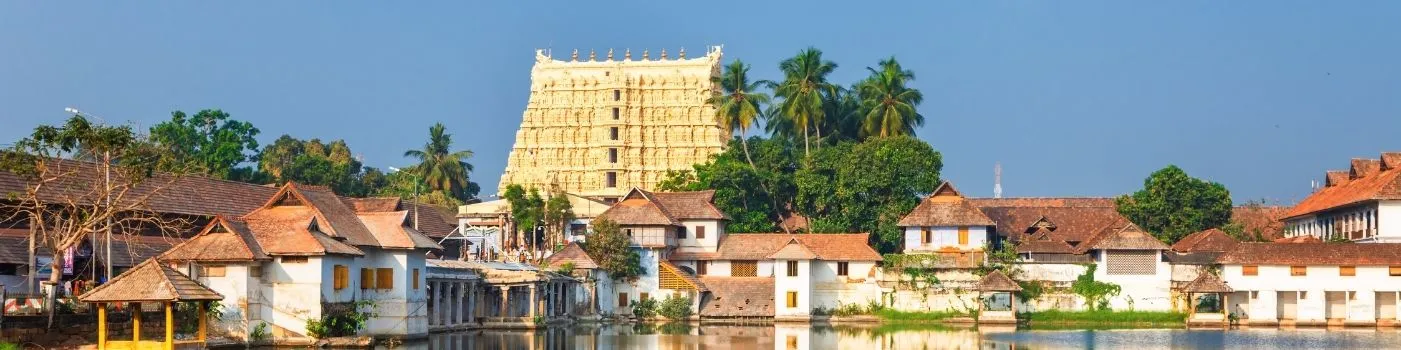
This is one of the richest and most architecturally significant temples in the world. Sree Padmanabhaswamy Temple is dedicated to Lord Vishnu reclining on Ananta (the serpent). It was built in a fusion of Kerala and Dravidian styles, and it reflects the city’s royal legacy. You can take a visit to this temple with the Thiruvananthapuram tour packages.
The temple has strict dress codes and rituals, preserving centuries-old traditions. Its connection to the Travancore royal family makes it a cornerstone of Trivandrum’s identity.
A 19th-century architectural masterpiece, the Napier Museum is a history lesson in itself. It is known for its different architectural patterns like Indo-Saracenic, Gothic, and Kerala styles. It houses rare artefacts such as bronze idols, ancient ornaments, temple chariots, and traditional musical instruments. The building is home to a natural ventilation system and stained-glass interiors.
This beautiful palace was built by Maharaja Swathi Thirunal. It is famous for its intricately carved wooden horses along the roofline. This palace is a reflection of royal artefacts, paintings, musical instruments, and furniture. It is a fun educational trip with the Thiruvananthapuram tour package and offers an insight into Travancore’s royal lifestyle and cultural patronage.
This is one of the oldest zoos in India, which was established in 1857. The zoo is part of a larger heritage complex including the Napier Museum. It is spread across lush greenery and reflects colonial-era planning. It remains an important conservation and educational site. You can explore its beauty with Thiruvananthapuram tour packages.
This landmark was once a royal guest palace of the Travancore kings. Kanakakunnu Palace now serves as a cultural venue. It is surrounded by landscaped gardens. It is known for hosting festivals, art exhibitions, and cultural events, which makes it a living heritage space.
Thiruvananthapuram’s cuisine reflects traditional Kerala flavours. It is dominated by coconut, spices, rice, and seafood. If you truly want to experience Trivandrum's taste, choose Thiruvananthapuram tour packages. The signature dishes include Sadya served on banana leaves, Appam with Stew, Puttu with Kadala Curry, Idiyappam. Along with it, it is famous for fresh seafood preparations, and regional snacks and sweets, offering a balanced mix of vegetarian and non-vegetarian options.
Thiruvananthapuram offers a balanced travel experience. It is a perfect mix of natural beauty, cultural depth, and modern convenience. With the Thiruvananthapuram tour package, you experience scenic coastlines and heritage landmarks, as well as wellness traditions. The destination caters to diverse travel preferences.
Its well-developed infrastructure, year-round accessibility, and range of experiences, leisure, cultural, wellness, and short getaways, make it suitable for families, couples, solo travellers, and international visitors alike.
The destination stands out for offering meaningful experiences without the rush, allowing travellers to explore at a comfortable pace while enjoying high standards of hospitality.
Cholan Tours brings local expertise, curated itineraries, and end-to-end travel support to ensure a smooth and memorable journey. With in-depth destination knowledge, we make sure your journey is seamless and fun. We also have a very strong and reliable on-ground network, and a focus on quality experiences.
Cholan Tours designs Thiruvananthapuram tour packages that balance comfort, value, and authenticity. We provide you with everything, like accommodation and transport to sightseeing and personalised assistance. Every detail is managed professionally, allowing travellers to focus entirely on enjoying their holiday with confidence and peace of mind.
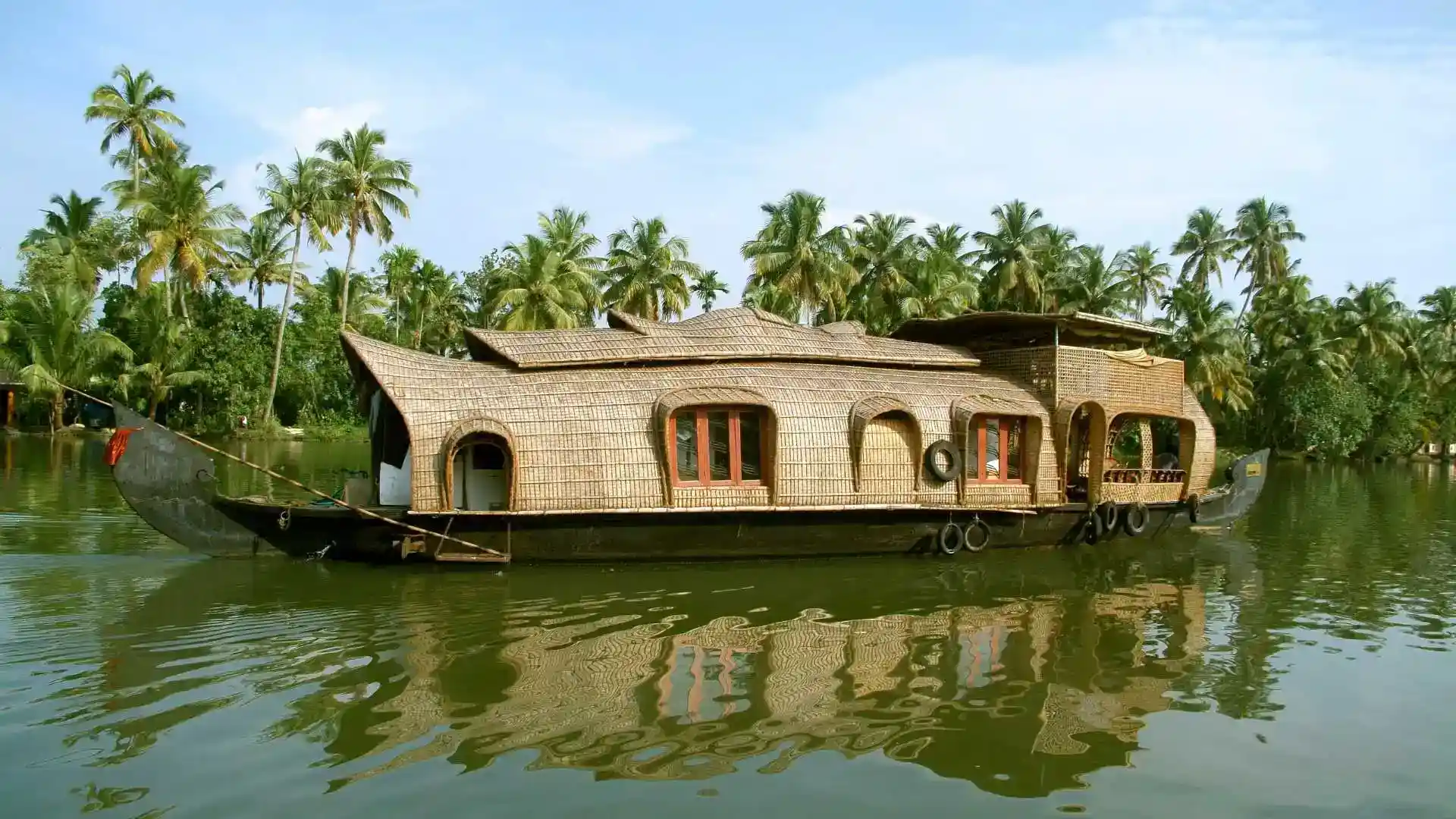
Experience the tranquil backwaters of Alleppey with a 3-day stay including Marari Beach, houseboat cruise, cultural visits, and scenic landscapes for a relaxing Kerala getaway.
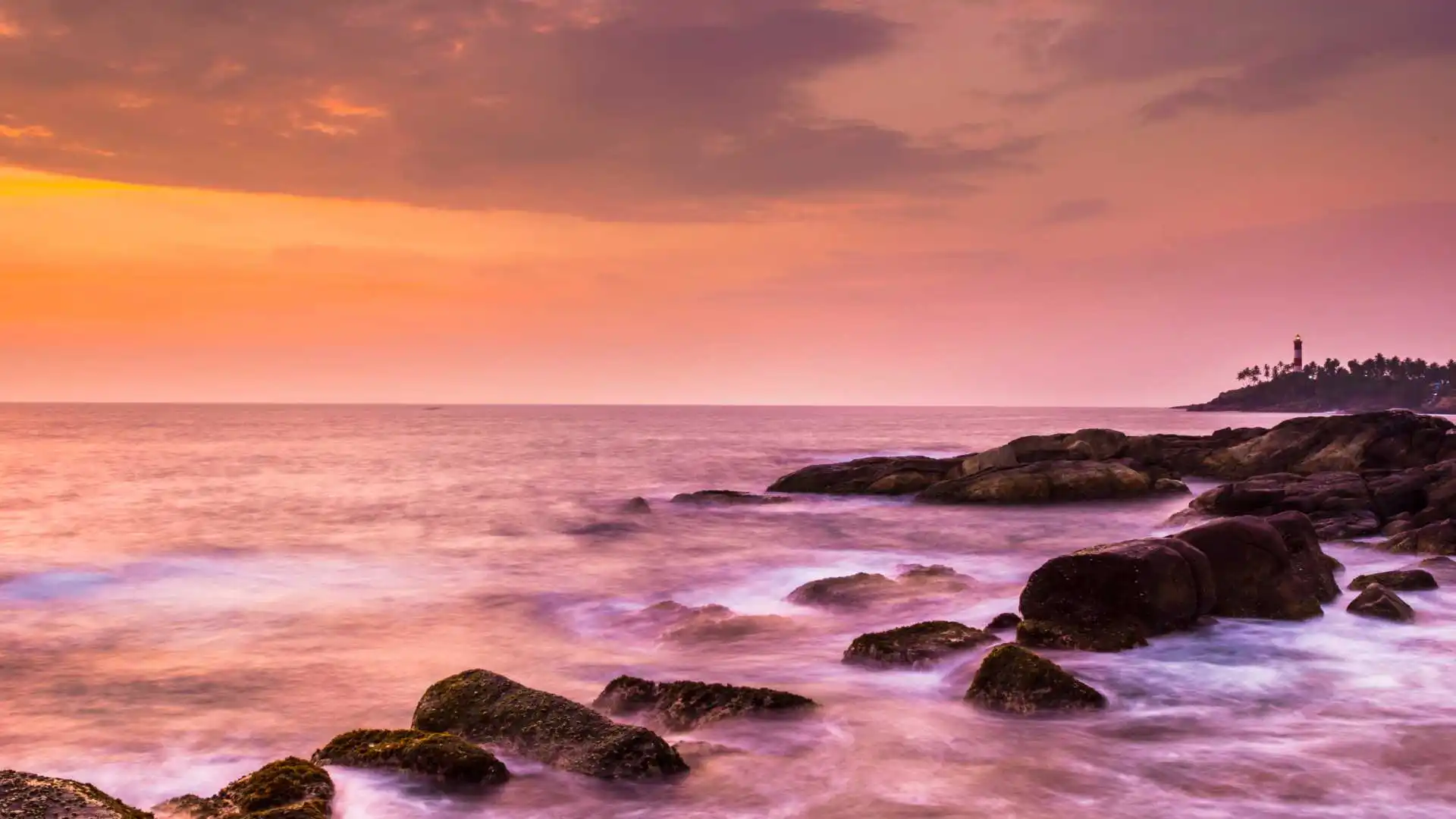
Experience the best of Kerala with Munnar’s tea gardens, Alleppey’s serene backwaters, and Kovalam’s golden beaches, blending nature, culture, and relaxation in one perfect getaway.
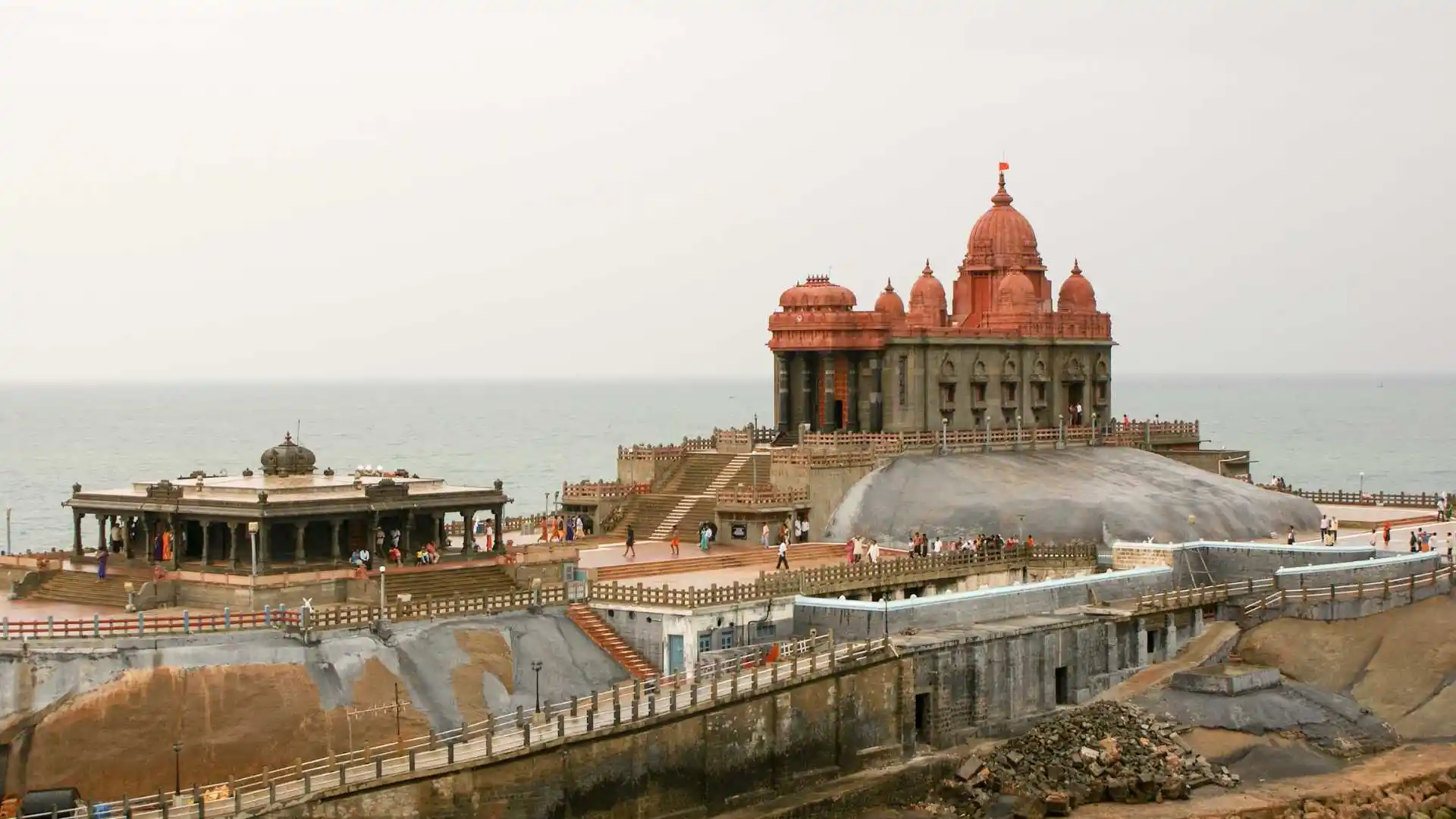
Embark on a spiritual journey through Tamil Nadu and Kerala, exploring temples, heritage sites, serene beaches, and backwaters across Madurai, Rameswaram, Kanyakumari, Kovalam, Trivandrum, and Poovar.
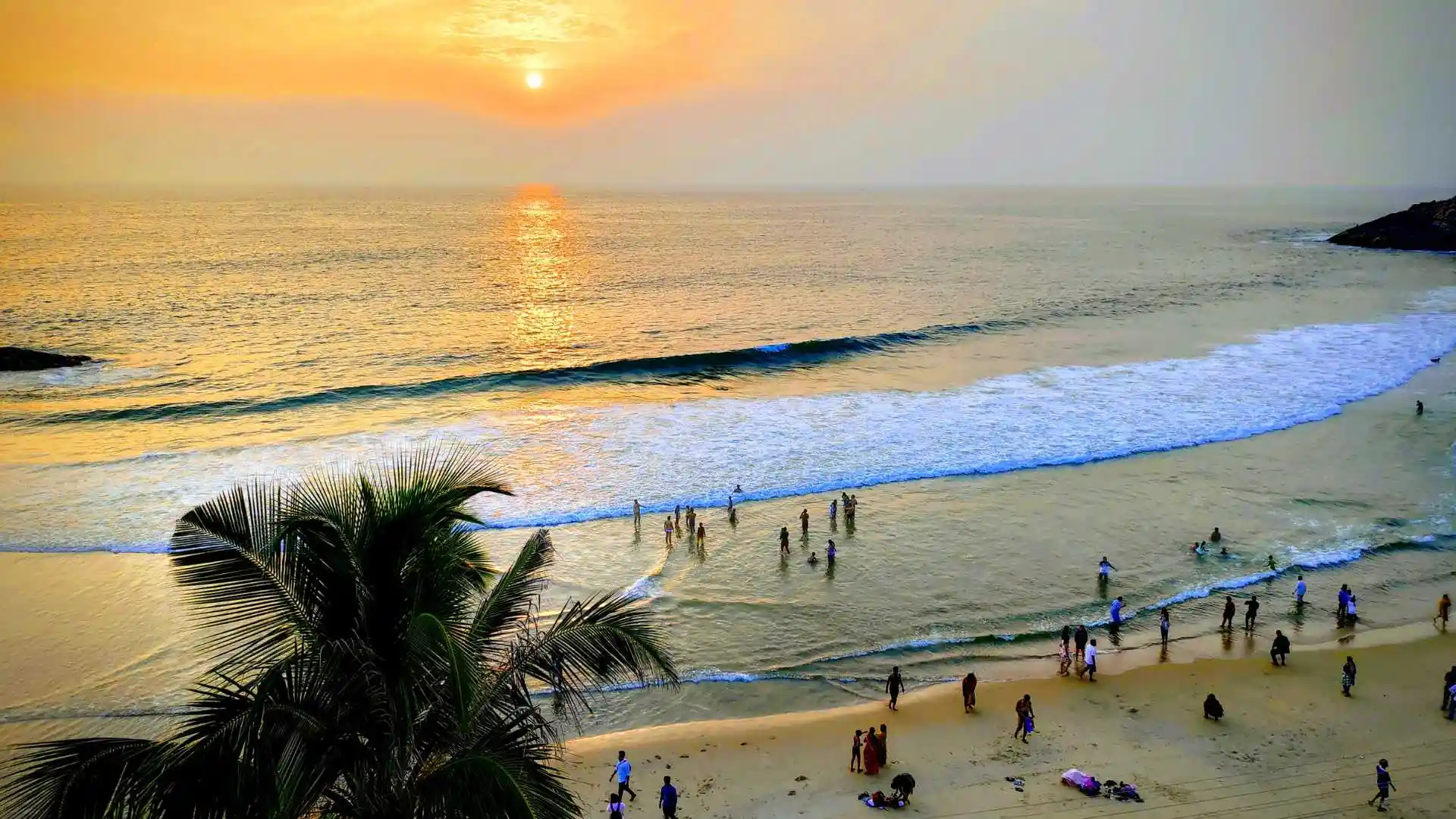
Experience the tranquil landscapes of Kerala. Relax at Marari Beach, explore Alleppey’s backwaters or houseboats, and unwind at Kovalam’s golden shores with heritage and cultural sightseeing.