

- +91 96773 55555
- Toll Free: 1800 123 2255
 English
 Chinese (Simplified)
 Dutch
Dutch French
 German
 Hebrew
 Italian
 Portuguese (Brazil)
 Russian
 Spanish
 Arabic
EnglishChinese (Simplified)DutchFrenchGermanHebrewItalianPortuguese (Brazil)RussianSpanishArabic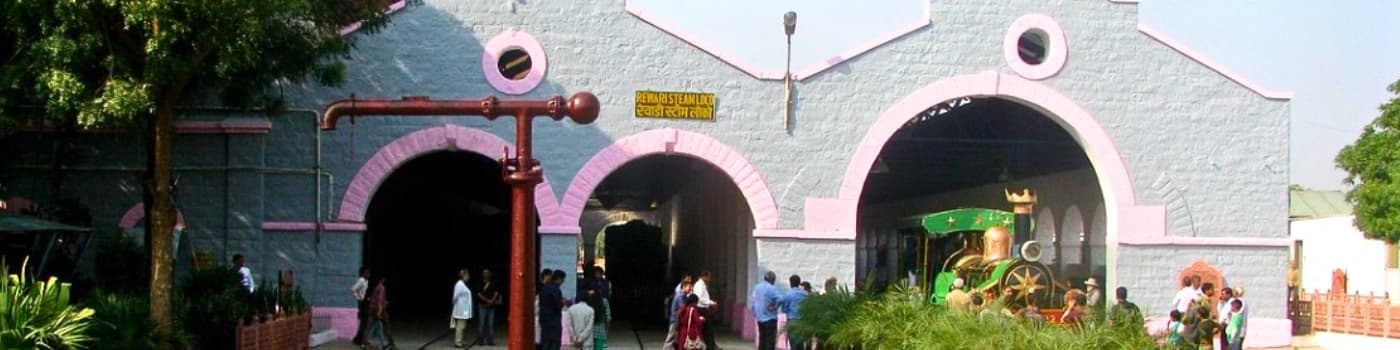
Located in southern Haryana, Rewari is a historic city within the National Capital Region, situated along the important Delhi–Jaipur highway. Its geographical position near Rajasthan has influenced the region's landscape, climate, cultural traditions and architectural character. With a history spanning several centuries, Rewari combines historic landmarks and traditional craftsmanship with modern industrial development.
Rewari is particularly recognised for its railway heritage. The Rewari Steam Locomotive Shed, now known as the Rewari Heritage Steam Shed, preserves historic steam locomotives and offers a glimpse into the development of India's railway network. The city also retains traditional crafts, especially brass metalwork and tilledar jootis—ornamented footwear that reflects the region's skilled craftsmanship.
The city's cultural landscape includes historic temples, traditional water bodies and architectural landmarks such as Ghanteshwar Mandir, Bada Talab and Baag Wala Talab. Beyond the city, the wider district features old settlements, religious sites and the semi-arid terrain characteristic of southern Haryana.
Today, Rewari brings together historical heritage, traditional arts, railway history and industrial growth. Its proximity to Delhi and Rajasthan, along with its distinctive local identity, makes it an interesting destination for discovering the cultural heritage of Haryana.
Places to Visit in Rewari
Rewari Heritage Steam Shed: The Rewari Heritage Steam Shed is one of the city's most distinctive attractions and an important landmark in India's railway history. Established in the late 19th century, the facility is recognised as India's only surviving steam locomotive shed. It preserves several historic locomotives that offer a glimpse into the evolution of railway transportation in the country. Among its most notable exhibits is the Fairy Queen, a historic steam locomotive built in 1855 and recognised as one of the world's oldest surviving working steam locomotives. The shed also preserves other heritage engines, railway equipment and features associated with traditional locomotive maintenance. Its collection makes it an important destination for those interested in industrial heritage and the history of Indian Railways.
Bada Talab (Rao Tej Singh Talab): Bada Talab, also known as Rao Tej Singh Talab, is a historic water reservoir situated near the old Town Hall in Rewari. Built by Rao Tej Singh, the ruler of Rewari, between 1810 and 1815, the historic water reservoir reflects the traditional methods used to collect and conserve water in the region. The large reservoir was designed to receive rainwater and canal water through underground channels. Its architectural features include stonework, traditional brick construction and small chhatris at its corners, reflecting a blend of Rajput and Mughal influences. A Hanuman temple on the banks of the pond adds to its religious significance, making Bada Talab an important part of Rewari's historic and cultural landscape.
Shri Ghanteshwar Mandir: Located in Rewari's Main Market, Shri Ghanteshwar Mandir is a prominent religious landmark in the heart of the city. The temple is notable for its three-storeyed structure and its collection of images representing various deities of the Hindu tradition. It serves as an important place of worship for residents and devotees from nearby areas. The temple's central location makes it an integral part of Rewari's religious and community life. Its broad representation of Hindu deities gives the shrine a distinctive character, while regular prayers and worship reflect the continuing importance of traditional religious practices in the city.
The Red Mosque (Lal Masjid): The Red Mosque, locally known as Lal Masjid, is one of Rewari's historic Islamic monuments. Situated near the old courts, or Kachahari area, the mosque is associated with the Mughal period and is traditionally dated to 1570, during the reign of Emperor Akbar. The mosque represents an important part of Rewari's medieval architectural heritage and reflects the religious and cultural influences that shaped the town during the Mughal era. Two additional monuments near the mosque further contribute to the historical character of this part of the city.
Fort of Bawal: Located in Bawal, a historic town within Rewari district, the Fort of Bawal is associated with the region's earlier political and architectural history. Bawal lies along the important Delhi–Jaipur transport corridor and has developed as both a historic settlement and an industrial centre. The fort is among the heritage sites identified in the wider Rewari region. Its historical association adds another dimension to the district's past, which includes traditional settlements, local ruling families and historic structures that developed along important routes in southern Haryana.
Tombs of Turkiawas: The Tombs of Turkiawas are historic funerary monuments located in Turkiawas village in Rewari district. They reflect the region's medieval and later Islamic heritage, when local religious figures and families were commemorated through tomb structures and associated memorials. These historic tombs enrich the architectural heritage of Rewari's rural landscape, highlighting the region's history beyond the city centre. Their presence offers insight into the area's historic settlements and the religious traditions that developed across the surrounding villages.
Bhagwati Bhakti Ashram: Bhagwati Bhakti Ashram is a religious site associated with devotional worship in the Rewari region. The ashram reflects the continuing importance of spiritual centres in the district, where prayer, religious gatherings and devotional practices form part of community life. Its religious character adds to the variety of spiritual landmarks found across the district, alongside temples, mosques and other places associated with local traditions.
Kanoude Gate: Kanoude Gate is one of the historic landmarks associated with Rewari's older urban landscape. The gate is featured among the heritage structures highlighted by the district administration and represents the architectural legacy of the city's traditional settlement. Historic gateways often served as important markers of entry into older towns and neighbourhoods. Kanoude Gate contributes to the character of Rewari's historic core and offers a glimpse into the city's earlier built environment.
Rani Ki Deodhi: Rani Ki Deodhi is a historic structure in Rewari recognised in Haryana's official register of archaeological sites and monuments. Its inclusion in the state's heritage inventory reflects its value as part of the district's architectural history. The structure adds to Rewari's collection of traditional and historic buildings, which preserve traces of the area's earlier social and political life. Alongside the city's old water reservoirs, religious monuments and railway heritage, it contributes to the broader story of Rewari's development over the centuries.
Best Time to Visit Rewari
The best time to visit Rewari is from October to March, when the weather is generally more comfortable for exploring its historical landmarks, temples and railway heritage. Winters are cool, with temperatures dropping considerably during December and January, so carrying warm clothing is advisable.
How to Reach Rewari