Delhi, the capital of India and officially known as the National Capital Territory (NCT) of Delhi, is a city where time exists in layers. It is a city where you witness India's present, past and future. From the ancient settlements of Indraprastha mentioned in the Mahabharata to the grandeur of Mughal rule, and from British colonial planning to modern urban expansion, Delhi has evolved through centuries while retaining its unique character.
What makes Delhi extraordinary is its seamless blend of contrasts. On one hand, you have the narrow lanes of Old Delhi filled with history, spices, and stories; on the other, the wide boulevards of New Delhi showcase modern infrastructure, embassies, and government institutions. The city thrives on this duality, heritage and innovation coexisting in harmony.
Delhi is also the political and administrative heart of India.
It houses key buildings such as Parliament, the Supreme Court, and Rashtrapati Bhavan. Beyond governance, it is a major hub for education, commerce, art, and culture. With a population exceeding 21 million, Delhi is among the most populous cities in the world.
The city's identity is also shaped by its people. Delhi's diversity is the result of migrants from every corner of India who have made it their home. This diversity is reflected in its languages, festivals, cuisine, and everyday life.
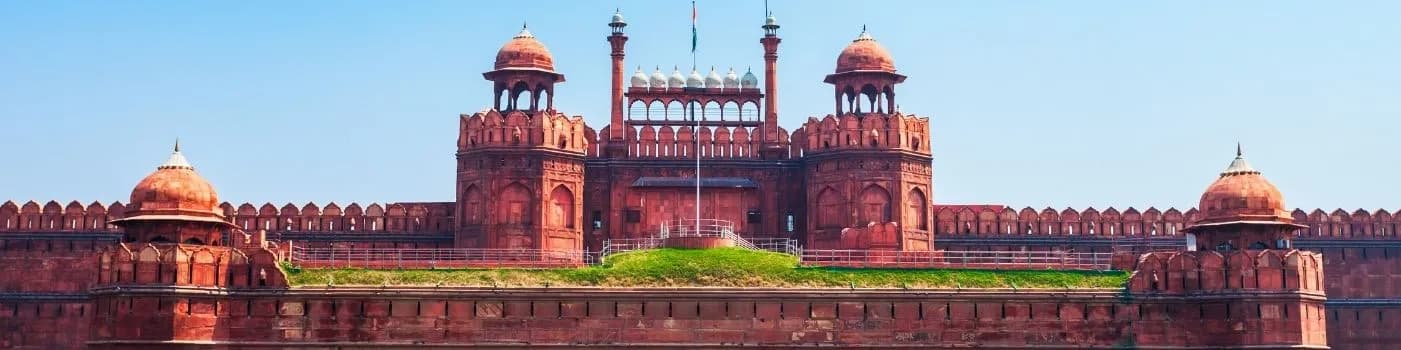
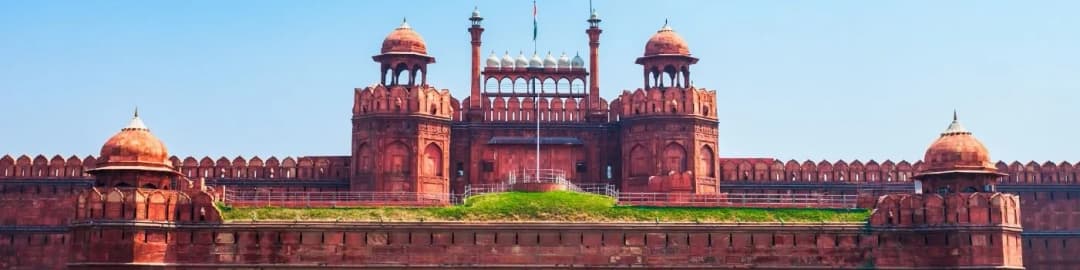
From iconic monuments like the Red Fort and Qutub Minar to vibrant markets such as Chandni Chowk and Sarojini Nagar, Delhi offers something for every traveler. Whether you are a history enthusiast, a foodie, a shopper, or a culture seeker, Delhi promises an immersive experience.
A place where India's cultural fabrics knit together seamlessly, Delhi is a whirlwind of history, flavours, and vibrant city life.
Best Time to Visit
The best time to visit Delhi is from October to March, when the weather is pleasant and ideal for sightseeing. In between these months, the temperatures range from 8°C to 30°C. This makes it comfortable to explore the city's numerous attractions.
Seasonal Breakdown
- Winter (October to February) : The weather is cool and enjoyable, especially in December and January. Festivals like Diwali, Christmas, and Republic Day add vibrancy to the city. You can experience cultural events, art fairs, and outdoor dining experiences during this time.
- Summer (March to June) : Summers in Delhi can be intense, with temperatures soaring up to 40°C. While sightseeing can be challenging, early morning and evening outings are manageable. Indoor attractions like museums and malls become popular.
- Monsoon (July to September): Delhi experiences moderate rainfall during the monsoon. The city turns greener, but humidity levels rise. While not the most popular season for tourism, it offers a quieter and more relaxed travel experience.
How to Reach
Delhi is one of the most well-connected cities in India, accessible by air, rail, and road.
By Train
- Delhi is a major railway hub in India. Key railway stations include New Delhi Railway Station, Old Delhi Railway Station, Hazrat Nizamuddin, and Anand Vihar Terminal. Trains connect Delhi to almost every major city in the country, including Mumbai, Kolkata, Chennai, and Jaipur.
- Advance booking is recommended, especially during peak seasons and festivals.
By Road
Delhi is connected by an extensive network of national highways. Major routes include:
- NH44 connecting Delhi to northern and southern India
- NH48 linking Delhi to Jaipur and Mumbai
- Yamuna Expressway connecting Delhi to Agra
State-run buses, private coaches, and taxis provide convenient road travel options.
By Air
Indira Gandhi International Airport is one of the busiest airports in India, serving both domestic and international flights. Located about 22 km from the city center, it is well connected via taxis, buses, and the Airport Express Metro Line.
State at a Glance
- Latitude- 28.6139° N
- Longitude- 77.2090° E
- Language- Hindi and English are the official languages. Punjabi and Urdu are also widely spoken.
- Population- Approximately 21.5 million (estimated 2024)
- Neighbouring States- Haryana (surrounding Delhi on three sides), Uttar Pradesh (to the east)
Geography and Physical Features
Delhi is situated in northern India on the banks of the Yamuna River. The city lies in a transitional zone between the Indo-Gangetic plains and the Aravalli hills.
The terrain is mostly flat, with slight undulations. The Delhi Ridge, an extension of the Aravalli range, runs through the city and acts as a natural green belt, helping maintain ecological balance.
The Yamuna River is a major geographic feature, though urbanization has affected its ecological health. Efforts are ongoing to restore and conserve the river. Delhi's climate is classified as humid subtropical, characterised by hot summers, cool winters, and a monsoon season.
Why is Delhi so Unique?
Delhi's uniqueness lies in its historical continuity and cultural diversity. Few cities in the world have been continuously inhabited and rebuilt as many times as Delhi.
The city has served as the capital for several empires, including the Delhi Sultanate, the Mughal Empire, and the British Raj. Each era has left its mark, resulting in a rich architectural and cultural heritage.
Delhi is also unique for its multicultural identity. People from across India and beyond have settled here, making it a melting pot of traditions, languages, and cuisines.
Its role as the political centre of India further adds to its significance. Decisions made in Delhi shape the nation's future, making it a city of immense influence.
Culture and Traditions
Delhi's culture is a vibrant mix of traditional and modern influences. Festivals from all religions are celebrated with enthusiasm, reflecting the city's inclusive spirit. Traditional arts such as classical music, dance, and theatre thrive alongside contemporary forms like street art and digital media. Cultural institutions, art galleries, and performance spaces are spread across the city. Delhi's lifestyle is fast-paced yet deeply rooted in tradition. From morning yoga in parks to late-night food trails, the city offers a dynamic cultural experience.
Food and Cuisine
Delhi is arguably a paradise for food lovers. Its cuisine reflects influences from Mughal, Punjabi, and North Indian traditions. Along with this, it is also deeply influenced by global flavours.
Street Food:
Chaat, golgappa, aloo tikki, and parathas are iconic street foods found in areas like Chandni Chowk and Karol Bagh.
Mughlai Cuisine:
Mughlai cuisine is famous for dishes like biryani, kebabs, and butter chicken.
Modern Dining:
Delhi also boasts fine-dining restaurants, cafes, and international cuisines that cater to diverse tastes.
Fairs and Festivals
Delhi celebrates a wide range of festivals throughout the year, reflecting its identity as a cultural crossroads where traditions from every part of India come together. What makes Delhi especially unique is not just the scale of celebrations, but the diversity of communities participating in them. In this city, every festival, regardless of its origin, becomes a shared public experience, blending heritage with modern urban vibrancy.
Diwali
Diwali in Delhi transforms the entire city into a glowing spectacle of lights, diyas, and festive energy. Homes, markets, and streets are decorated with lamps and rangoli, while sweet shops overflow with traditional delicacies like laddoos and kaju katli. Fireworks light up the night sky, and families come together for pooja and celebrations. What makes Delhi’s Diwali special is its grand scale; markets like Chandni Chowk and Lajpat Nagar become festive hubs, blending tradition with vibrant urban celebration.
Holi
Holi in Delhi is a lively and energetic celebration filled with colours, music, and togetherness. People gather in homes, streets, and organised events to play with gulal, dance to upbeat music, and enjoy festive foods like gujiya and thandai. The city’s cosmopolitan nature brings together diverse traditions of Holi, making it a truly inclusive celebration. Delhi’s Holi stands out for its mix of traditional utsav and modern parties, creating a unique blend of cultural and contemporary experiences.
Eid
Eid in Delhi is marked by spiritual devotion, community bonding, and incredible culinary experiences. Large congregations gather at mosques like Jama Masjid for prayers, followed by feasting and sharing meals with family and friends. Areas like Old Delhi come alive with the aroma of Biryani, kebabs, and sweets like sevaiyan. What makes Eid in Delhi special is the way entire neighbourhoods participate, offering a rich cultural and sensory experience that reflects the city’s inclusive spirit.
Christmas
Christmas in Delhi is celebrated with warmth and joy, especially in areas with historic churches and vibrant markets. Churches like Sacred Heart Cathedral host midnight mass, while markets and malls are decorated with Christmas trees and lights. Bakeries offer festive treats like plum cakes, and community events bring people together. Delhi’s Christmas is unique for its blend of Western traditions and Indian warmth, creating a festive atmosphere that is both elegant and inclusive.
Republic Day
Republic Day is one of the most significant national celebrations in Delhi, as the capital hosts the grand parade at Rajpath (Kartavya Path). The event showcases India’s military strength, cultural diversity, and technological achievements through elaborate tableaux and performances. Citizens and tourists gather to witness this display of national pride. What makes Delhi special during Republic Day is its role as the centre of national identity, where the entire country’s spirit is reflected in one.
Qutub Festival
The Qutub Festival is a cultural event held at the historic Qutub Minar complex, celebrating India’s rich heritage of music and dance. Classical performances by renowned artists take place against the backdrop of illuminated monuments, creating a magical ambience. The festival highlights traditional art forms while attracting modern audiences. What makes this festival unique to Delhi is the fusion of history and culture, where ancient architecture becomes a stage for timeless artistic expression.


 English
 Chinese (Simplified)
 Dutch
Dutch French
 German
 Hebrew
 Italian
 Portuguese (Brazil)
 Russian
 Spanish
 Arabic