

- +91 96773 55555
- Toll Free: 1800 123 2255
 English
 Chinese (Simplified)
 Dutch
Dutch French
 German
 Hebrew
 Italian
 Portuguese (Brazil)
 Russian
 Spanish
 Arabic
EnglishChinese (Simplified)DutchFrenchGermanHebrewItalianPortuguese (Brazil)RussianSpanishArabic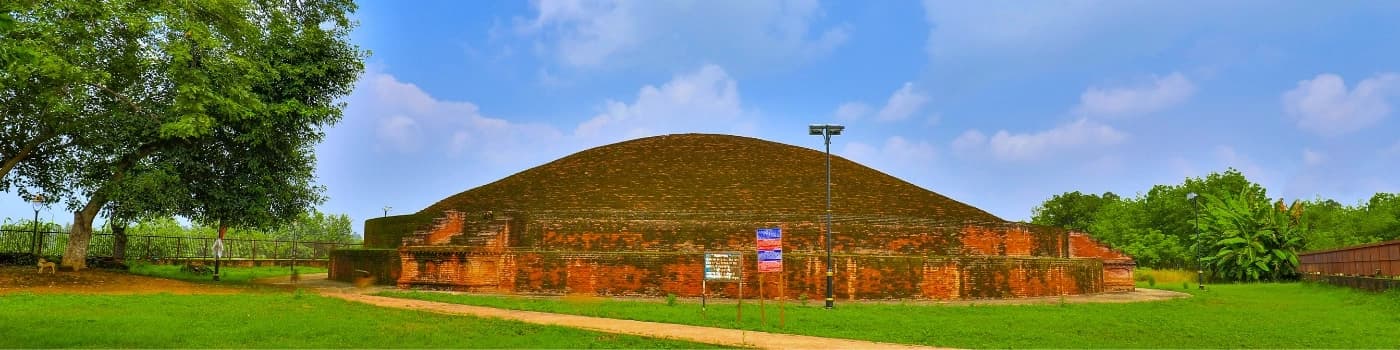
Located in the north-eastern part of Haryana, Yamunanagar is a diverse destination where the Yamuna River, Shivalik foothills, ancient heritage and thriving industries come together. The district extends from the fertile plains towards the lower Shivaliks, giving it a landscape that ranges from agricultural fields and riverine areas to forests and hills.
Yamunanagar has a remarkably old historical legacy. Archaeological discoveries have also revealed connections with the Mauryan period and the spread of Buddhism in the region. The ancient site of Sugh and the Buddhist Stupa at Chaneti are important reminders of this long history. The Yamuna and its associated waterways have also played an important role in the cultural and geographical identity of the district.
Yamunanagar has a strong industrial identity as well. It is particularly recognised for its plywood, timber and metal industries, while agriculture remains an important part of the local economy, with sugarcane, wheat and rice among the principal crops. This combination of traditional agriculture, forest resources and manufacturing has shaped the character of the modern city.
Nature is another defining feature of Yamunanagar. The natural beauty of Yamunanagar is enhanced by the Shivalik foothills and Kalesar National Park. Together with its ancient monuments and religious sites, these natural attractions give Yamunanagar a distinctive character within Haryana. With its blend of ancient archaeology, sacred traditions, forests, rivers and industrial heritage, Yamunanagar offers a fascinating glimpse into the many layers of Haryana's history and landscape.
Places to Visit in Yamunanagar
Kalesar National Park: Nestled in the Shivalik foothills, Kalesar National Park is among the most prominent natural attractions in Yamunanagar. Covering a vast forested area, the park is characterised by sal, khair, shisham, tun and other native tree species. Its diverse forest ecosystem supports a variety of wildlife and birdlife, making the region particularly appealing to nature and birdwatching enthusiasts. The park's landscape combines dense woodland with the distinctive terrain of the Shivalik range. An old dak bungalow within the forest adds a touch of colonial-era heritage to the surroundings, while the peaceful environment provides an opportunity to experience the natural side of northern Haryana.
Adibadri: Adibadri is a picturesque heritage and pilgrimage area located at the foothills of the Shivalik range. The region is closely associated with the ancient Saraswati tradition and is known for its temples, archaeological remains and forested surroundings. Excavations in the area have brought to light antiquities from different historical periods, highlighting its long cultural history. The Somb River and surrounding hills add to the scenic character of Adibadri. Ancient temples, sculptures and other remains found in the wider area further enhance its importance as a site where religious traditions, archaeology and the natural landscape come together.
Kapal Mochan: Kapal Mochan is one of the oldest and most important pilgrimage centres in Yamunanagar district. Also known by the names Gopal Mochan and Somsar Mochan, the site holds significance in both Hindu and Sikh traditions. The sacred complex includes Kapal Mochan, Rin Mochan and Surya Kund, which are traditionally associated with ritual bathing and religious observances. The antiquity of Kapal Mochan is supported by archaeological discoveries in the surrounding region, including sculptures belonging to different historical periods. The presence of Hindu temples alongside Sikh religious sites gives the destination a distinctive multi-faith character and reflects the area's long-standing spiritual traditions.
Chaneti Buddhist Stupa: The Chaneti Buddhist Stupa is an important archaeological monument that reflects the ancient Buddhist heritage of the Yamunanagar region. Located close to the archaeological site of Sugh, the stupa is traditionally dated to the Mauryan period and is believed to have been associated with the spread of Buddhism in this part of northern India. Built primarily with baked bricks, the monument has a characteristic hemispherical structure. Later additions, including small shrines and a circumambulatory path, reflect the continued religious importance of the site during subsequent periods. Its connection with the ancient settlement of Shrughna makes Chaneti an important part of the region's Buddhist history.
Ancient Site of Sugh: Sugh is an important archaeological site associated with the ancient settlement of Shrughna, which once flourished in this region. Historical accounts, including those of the Chinese Buddhist traveller Xuanzang, describe Shrughna as a significant centre with monasteries and Buddhist monuments. Archaeological excavations at the site have revealed evidence of successive periods of settlement and provide valuable information about the region's ancient cultural development. Together with the nearby Chaneti Stupa, Sugh highlights the important role that this part of Haryana once played in the spread of Buddhism.
Ch. Devi Lal Herbal Nature Park: Located at Chuharpur near the Yamunanagar–Paonta Sahib road, Ch. Devi Lal Herbal Nature Park is a green retreat situated against the backdrop of the Shivalik foothills. The park focuses on the region's rich variety of medicinal and aromatic plants and offers an opportunity to learn about Haryana's botanical resources. The natural setting of the park makes it suitable for leisurely walks and nature-based activities. Its combination of greenery, plant collections and peaceful surroundings provides a refreshing contrast to the industrial and urban character of Yamunanagar.
Fort of Buria and Rang Mahal: Fort of Buria is an old settlement with an interesting historical and architectural legacy. One of its notable landmarks is the Rang Mahal, a historic structure associated with the region's Mughal-era past. The remains and traditional architecture found in the area offer glimpses into the political and cultural history of this part of Haryana. The wider Buria area is also associated with historic religious structures, including the Pataleshwar Mahadev Temple at nearby Dayalgarh. Together, these sites reflect the mixture of royal, religious and local traditions that have shaped the region over the centuries.
Harnol and Topra: The villages of Harnol and Topra are associated with the religious heritage of Yamunanagar district. The area around Panjtirthi, situated between Topra Kalan and Harnol, is regarded as a sacred site where devotees traditionally gather for ritual bathing. The site reflects the importance of sacred water bodies in the religious traditions of northern India. Its rural setting also provides an insight into the cultural landscape and traditional village life of the Yamunanagar region.
Panchmukhi Hanuman Mandir: Situated along the Bilaspur–Chhachhrauli road, Panchmukhi Hanuman Mandir is a prominent temple dedicated to Lord Hanuman in his five-faced form. The Panchmukhi representation is traditionally associated with divine protection, courage and strength. The temple remains an important place of worship for devotees from the surrounding areas. Its religious significance and location along an established route make it one of the notable spiritual landmarks of Yamunanagar district.
Kos Minar: The Kos Minar is a reminder of India's historic system of roads and distance measurement. These distinctive masonry pillars were erected along important routes during the medieval period to indicate distances between major settlements. Several such markers have survived across northern India, including the Yamunanagar region. The Kos Minars associated with the area are linked to the Mughal period and provide an interesting glimpse into the infrastructure of the time. These simple yet historically valuable structures illustrate how travellers and administrators once navigated the extensive road networks of the Mughal Empire.
Best Time to Visit Yamunanagar
The best time to visit Yamunanagar is from October to March, when the weather is generally cool and pleasant, making it comfortable to explore the district's historical sites, temples, forests and natural attractions. The period is particularly suitable for visiting outdoor destinations such as Kalesar National Park and the Shivalik foothills.
Overall, October to March is the most comfortable period to explore Yamunanagar, with November to February particularly suitable for sightseeing and nature-based experiences.
How to Reach Yamunanagar