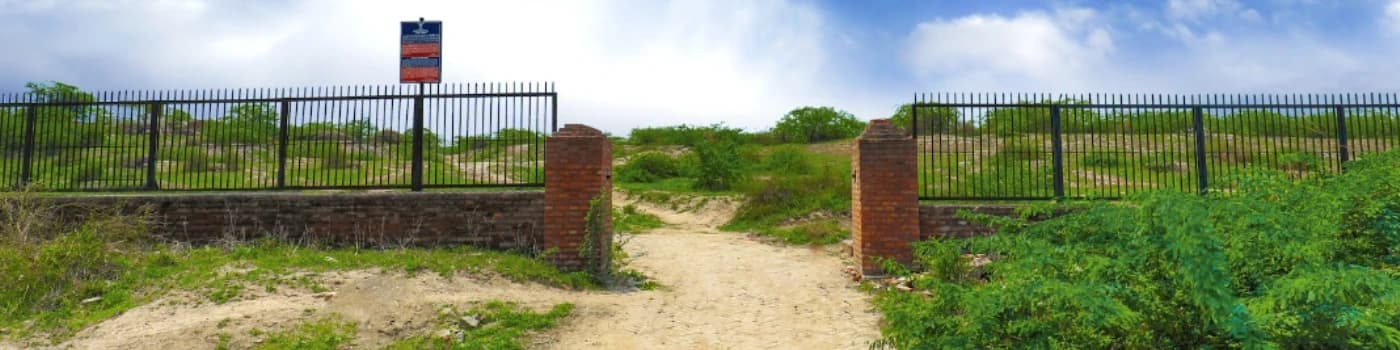
Bhiwani, situated in western Haryana, is known for its rich temple heritage, strong sporting legacy and vibrant local traditions.Often called “Choti Kashi” or “Mini Kashi,” the city is known for its numerous temples and sacred sites, which attract devotees from different parts of the country. Its distinctive spiritual character has earned Bhiwani a prominent place among Haryana’s religious destinations.
Bhiwani’s history extends back to ancient times. Archaeological discoveries at nearby sites such as Mitathal and Naurangabad have revealed evidence of pre-Harappan and Harappan settlements, along with artefacts associated with later historical periods. Bhiwani is also documented in the Ain-i-Akbari, highlighting its importance as a trading hub during the Mughal era.
Beyond its religious and historical significance, Bhiwani is widely recognised for its contribution to Indian sports, particularly boxing and wrestling. The region has produced several accomplished athletes who have represented India in national and international competitions. Its sporting culture, combined with the contributions of local residents to the armed forces, has earned the city a reputation for discipline, determination and athletic excellence.
Today, Bhiwani brings together archaeological heritage, centuries-old religious traditions and a strong sporting identity. From its revered temples to its historic sites and distinctive local culture, the city offers an insight into the diverse heritage of Haryana.
Places to Visit in Bhiwani
- Star Monument: Located at Dinod, approximately 12 km from Bhiwani, Star Monument is the samadhi of Param Sant Tarachand Ji Maharaj, also known as Bade Maharaj Ji. The monument is a distinctive hexagonal pyramid, designed with six sides that give it the appearance of a star. One of its most remarkable architectural features is its pillar-free construction. The monument is surrounded by landscaped gardens and includes a small hut associated with the saint’s meditation, creating a distinctive blend of modern architecture and spiritual significance.
- Devsar Dham: Situated in Devsar village, around 27 km from Bhiwani, Devsar Dham is an important religious destination dedicated to Goddess Durga, worshipped here as Rani Sati Dadi. The temple attracts large numbers of devotees, particularly during Navratri, when special prayers and religious observances take place. Its importance in the region’s devotional traditions makes it one of the prominent pilgrimage sites in Bhiwani district.
- Gauri Shankar Temple (Kirorimal Temple): Gauri Shankar Temple is one of Bhiwani’s well-known Shiva temples and an important part of the city’s religious heritage. Dedicated to Lord Shiva and Goddess Parvati, the temple attracts devotees throughout the year, especially during festivals associated with Lord Shiva, such as Mahashivratri. The shrine reflects Bhiwani’s reputation as Choti Kashi, a name associated with the city’s many temples and strong spiritual traditions.
- Jogiwala Mandir: Located in the central part of Bhiwani, Jogiwala Mandir is dedicated to Lord Shiva and is among the city’s recognised places of worship. Devotees visit the temple regularly to offer prayers, with attendance increasing during Mahashivratri and other important religious occasions. Its location within the established urban area makes it a familiar landmark in Bhiwani’s religious landscape.
- Khakhi Baba Temple: Khakhi Baba Temple is associated with Saint Khakhi Baba, who is known to be a devotee of Lord Rama. The temple houses representations of Lord Rama, Lord Hanuman and Lord Shiva, bringing together worship traditions centred on these deities. The shrine reflects the influence of local saints and devotional practices in shaping Bhiwani’s religious identity.
- Ancient Site of Naurangabad: Located around 8 km from Bhiwani city, Naurangabad is an important archaeological site where excavations have uncovered remains of ancient settlements dating from the early historical period. Excavations have uncovered coins, coin moulds, seals and other artefacts associated with the Yaudheya, Indo-Greek, Kushana and Gupta periods. A terracotta seal discovered at the site identifies the settlement as Nakanagar, which flourished between the 1st and 3rd centuries CE as an important urban centre of the ancient Yaudheya Republic. The remains of fortified townships and brick structures offer valuable insight into the region’s early urban development.
- Ancient Site of Mitathal: Mitathal is an important archaeological site near Bhiwani, known for evidence of ancient settlement associated with the Indus Valley Civilisation and its cultural traditions. Archaeological investigations in the area have revealed material remains that help researchers understand the settlement patterns, everyday life and cultural development of early communities in Haryana. The site is particularly significant for understanding the region’s connections with the broader history of north-western India.
- Tosham Hill: Tosham Hill, located in the Tosham area of Bhiwani district, is a prominent geological and historical landmark. The hill forms part of an ancient volcanic landscape and is known for its rocky terrain, religious sites and association with local legends. Temples and sacred spots around the hill attract pilgrims, while its elevated setting offers views of the surrounding semi-arid countryside. Tosham is an interesting destination for those exploring the natural and cultural heritage of the wider district.
- Loharu Fort: Situated in Loharu town, within Bhiwani district, Loharu Fort is a historic fortification dating to the late 16th century. Haryana Tourism attributes its construction to Arjan Singh, a Rajput ruler, in 1570. The fort reflects the political and architectural history of the region, which experienced the influence of different ruling families over the centuries. Its historical setting makes it a notable landmark beyond Bhiwani city itself.
- Prithviraj Ki Kachheri, Tosham: Prithviraj Ki Kachheri, also known as Prithviraj Ki Kachheri or Baradari, is a historic structure in Tosham, recognised in Haryana’s official list of heritage monuments. Its traditional association with the Rajput ruler Prithviraj Chauhan forms part of local historical accounts. The structure is of interest to visitors exploring the architectural remains and historical traditions of Bhiwani district. The precise historical association should be distinguished from the monument’s documented status as a heritage site.
- Hanuman Temple: The Hanuman Temple in Bhiwani is regarded as one of the city’s older religious establishments and is dedicated to Lord Hanuman. Local accounts place its history several centuries in the past. The temple receives regular worshippers, particularly on Tuesdays and during Hanuman Jayanti, when devotees gather for prayers and religious observances. It represents the enduring role of neighbourhood temples in the city’s spiritual life.
Best Time to Visit Bhiwani
The best time to visit Bhiwani is October to March, when temperatures are generally more suitable for exploring the city’s temples, historical landmarks and archaeological sites. The district experiences a semi-arid climate, with hot summers, limited rainfall and cold winters.
- Summer (April to June): Summers are extremely hot and dry, with temperatures sometimes reaching 45°C. Outdoor sightseeing can be challenging during the afternoon, so visits are best planned for early mornings or evenings.
- Monsoon (July to September): Bhiwani receives most of its annual rainfall during the monsoon, particularly in July and August. Rainfall is generally limited, but occasional showers and increased humidity may affect outdoor activities.
- Winter (October to March): Winter offers more comfortable conditions for exploring Bhiwani’s religious and historical attractions. December and January can be particularly cold, especially during early mornings and nights, so warm clothing is recommended.
How to Reach Bhiwani
- By Air: The nearest major airport is Indira Gandhi International Airport (IGI) in New Delhi, approximately 120–125 km from Bhiwani. From the airport one can reach Bhiwani by taxi or road transport.
- By Rail: Bhiwani Junction is the city’s main railway station, with connections to Delhi, Rohtak and other destinations across Haryana and neighbouring states. Rail services provide a convenient option for reaching Bhiwani from several parts of northern India.
- By Road: Bhiwani is well connected by road to Delhi, Rohtak, Hisar and other nearby cities. National and state highways link the city with the wider road network, while Haryana Roadways and other bus services operate between Bhiwani and neighbouring destinations. Taxis and private vehicles are also convenient options for reaching the city.


 English
 Chinese (Simplified)
 Dutch
Dutch French
 German
 Hebrew
 Italian
 Portuguese (Brazil)
 Russian
 Spanish
 Arabic