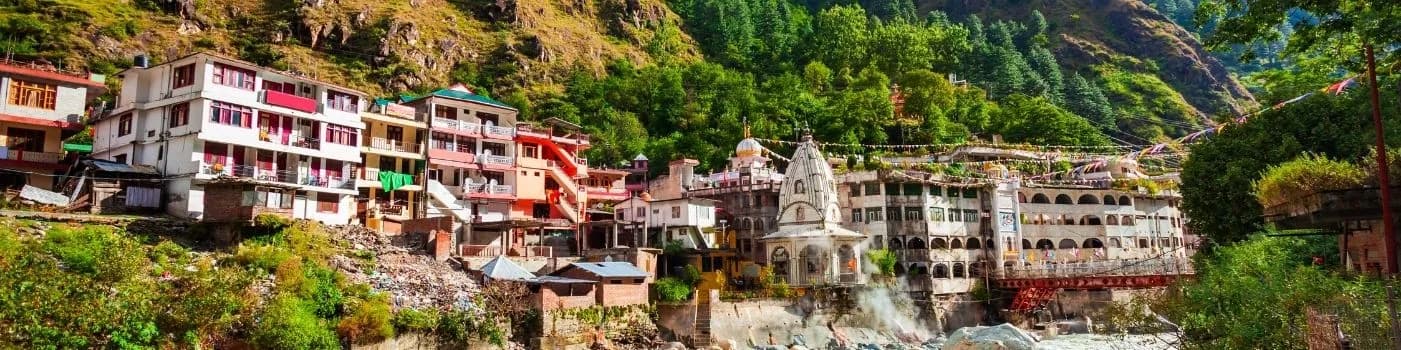
Located in the northern state of Himachal Pradesh, Manali is a well-known hill station. This hilly town's nature unfolds in its best poetic form. It lies on the banks of the Beas River and is surrounded by the Himalayas' higher peaks. Here, adventure and tranquillity coexist. The hill station has evolved significantly from its origins to its present form, without losing its serene charm.
Due to its striking contrast, Manali is a truly captivating place. On one hand, it features ancient temples, peaceful villages, and pine forests. On the other hand, it features vibrant markets, modern cafes, and a tourism culture. This hill town is well-known for the coexistence of sophistication and simplicity.
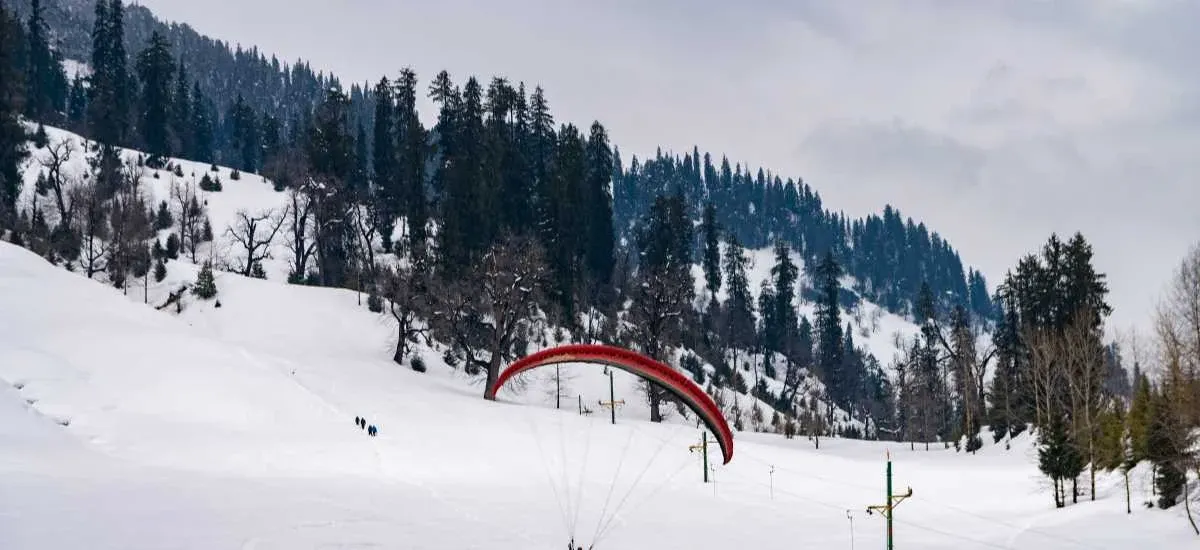
Manali offers endless opportunities for adventure and exploration. It connects visitors to popular destinations like Solang Valley and Rohtang Pass, and is a hub for skiing, paragliding, trekking, and other outdoor activities. Apart from adventure, it is a centre for local handicrafts, culture, and Himachali traditions that have been shaping its identity.
Manali's true essence is shaped by its own people. A combination of local Himachalis and travellers from across the country and the world has created a diverse and welcoming environment here. This cultural mix is reflected in its festivals, cuisine, and daily interactions.
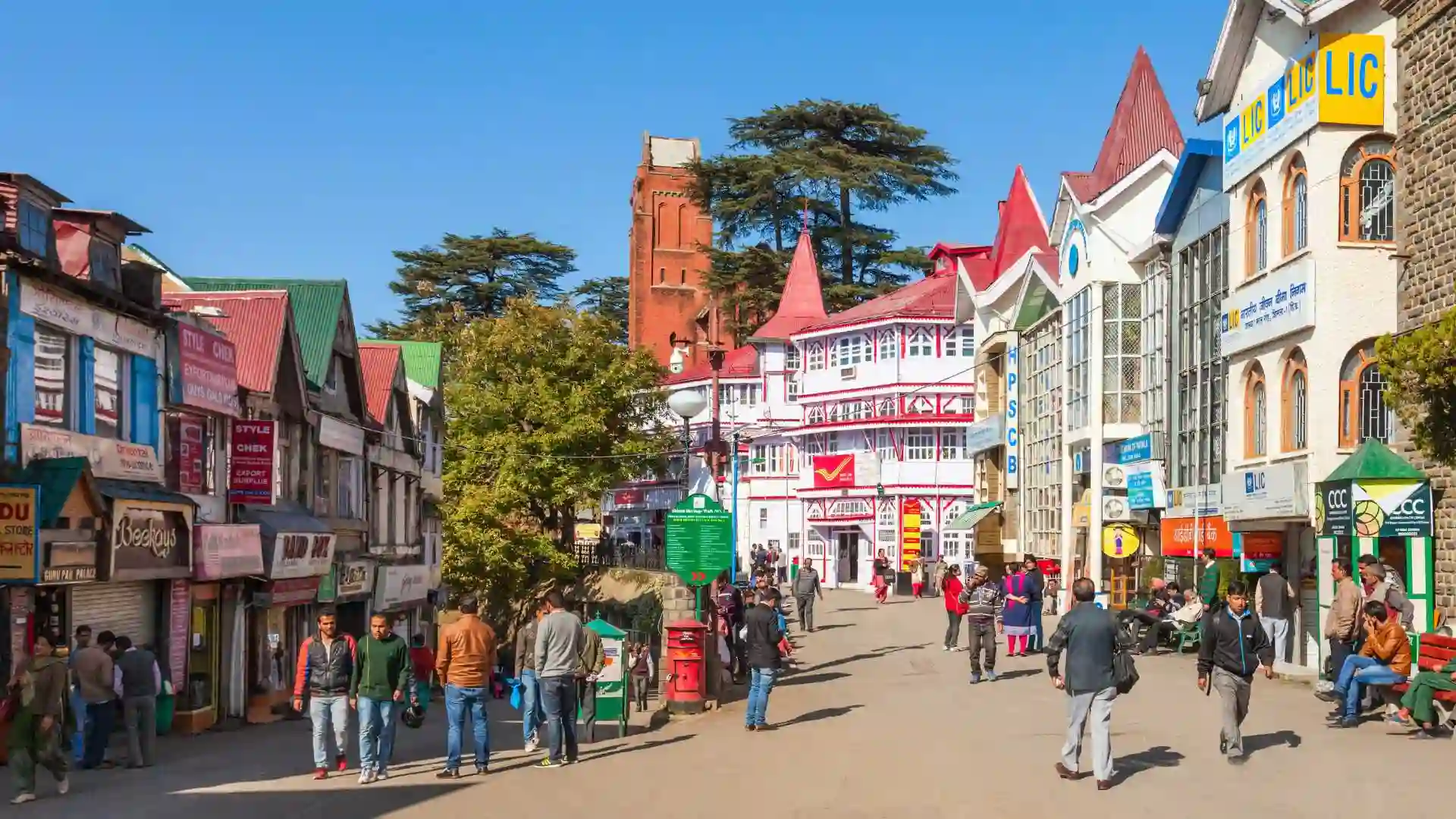
Manali offers a rich, diverse experience, from its beautiful streets like Mall Road to ancient landmarks like Hadimba Temple. It delivers it all, whether you look for a cultural retreat, solitude in nature, or adventure-filled activities. This hill station is a good escape, offering raw natural beauty, universal charm, and adventure.
Manali at Glance
- Latitude: 32.2432° N
- Longitude: 77.1892°
- Altitude/Height from Sea Level: 2,050 meters (6,730 ft)
- Language: Hindi (official), Kullui (regional), and English/Punjabi
- Population: 8,096 (2011 Census)
- Neighbouring Towns: Kullu (about 40 to 45 km south), Naggar, Vashisht (3 km), Solang Valley (around 10 to 12 km), and Kothi
Geographical and Physical Features
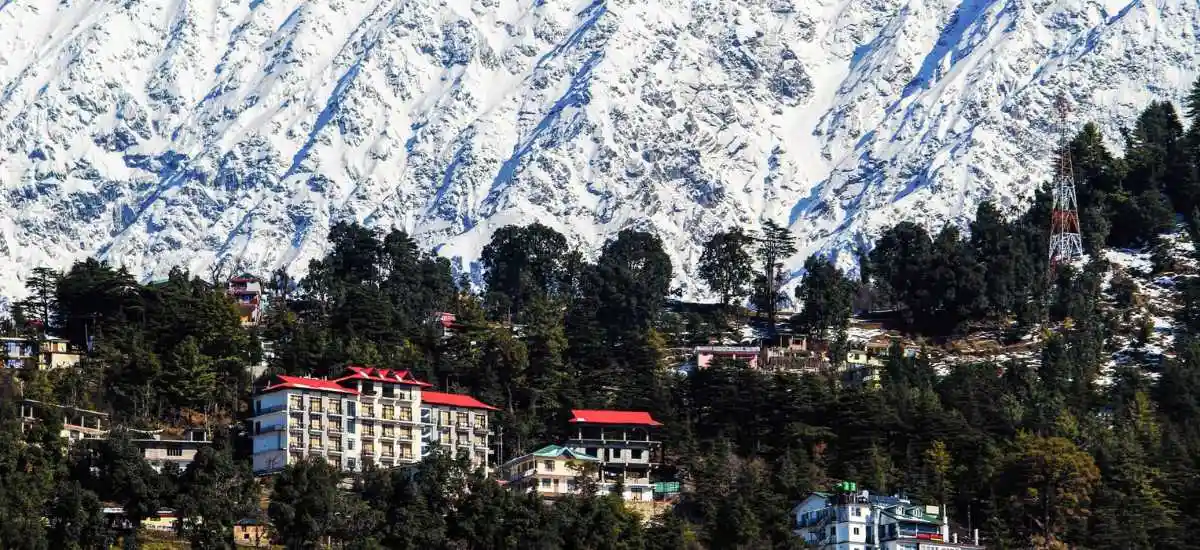
Located in the northern part of the Kullu Valley at an altitude of 2050 metres, Manali is a well-known hill station in Himachal Pradesh, India. It lies on the banks of the Beas River. The dramatic transition between the lush, snow-capped peaks of the Pir Panjal and the terraced hills of the lower Kullu Valley defines the region's geography.
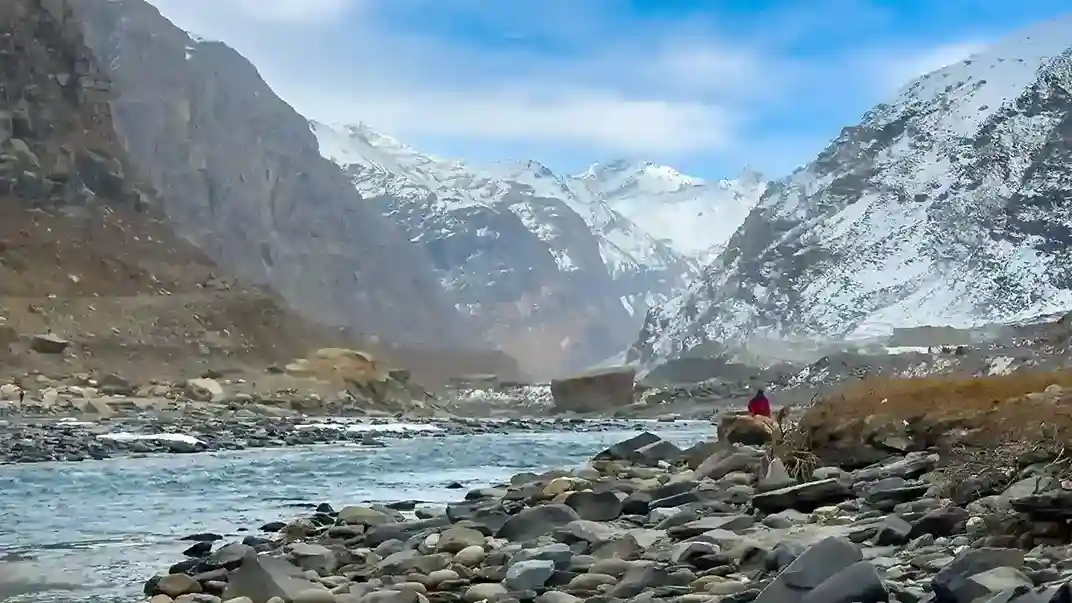
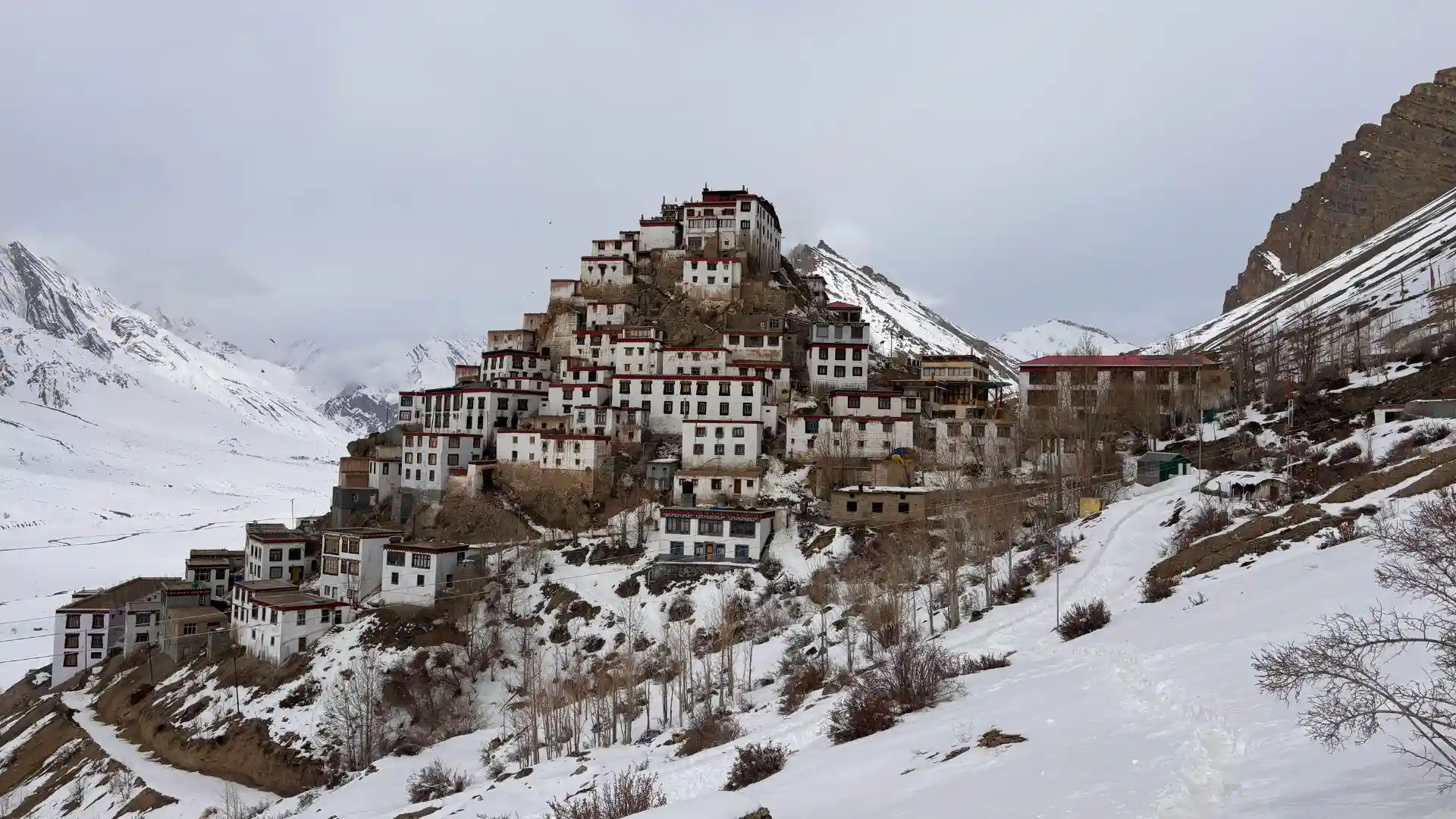
The Beas River is the primary lifeline of this hill town. Steep slopes, fertile apple orchards, and dense pine & deodar forests characterise its terrain. To the north, its formidable geography rises near the Rohtang Pass (3,978 metres). The pass is a natural gateway to connect the green valley to the arid, high-altitude desert of Spiti and Lahaul.
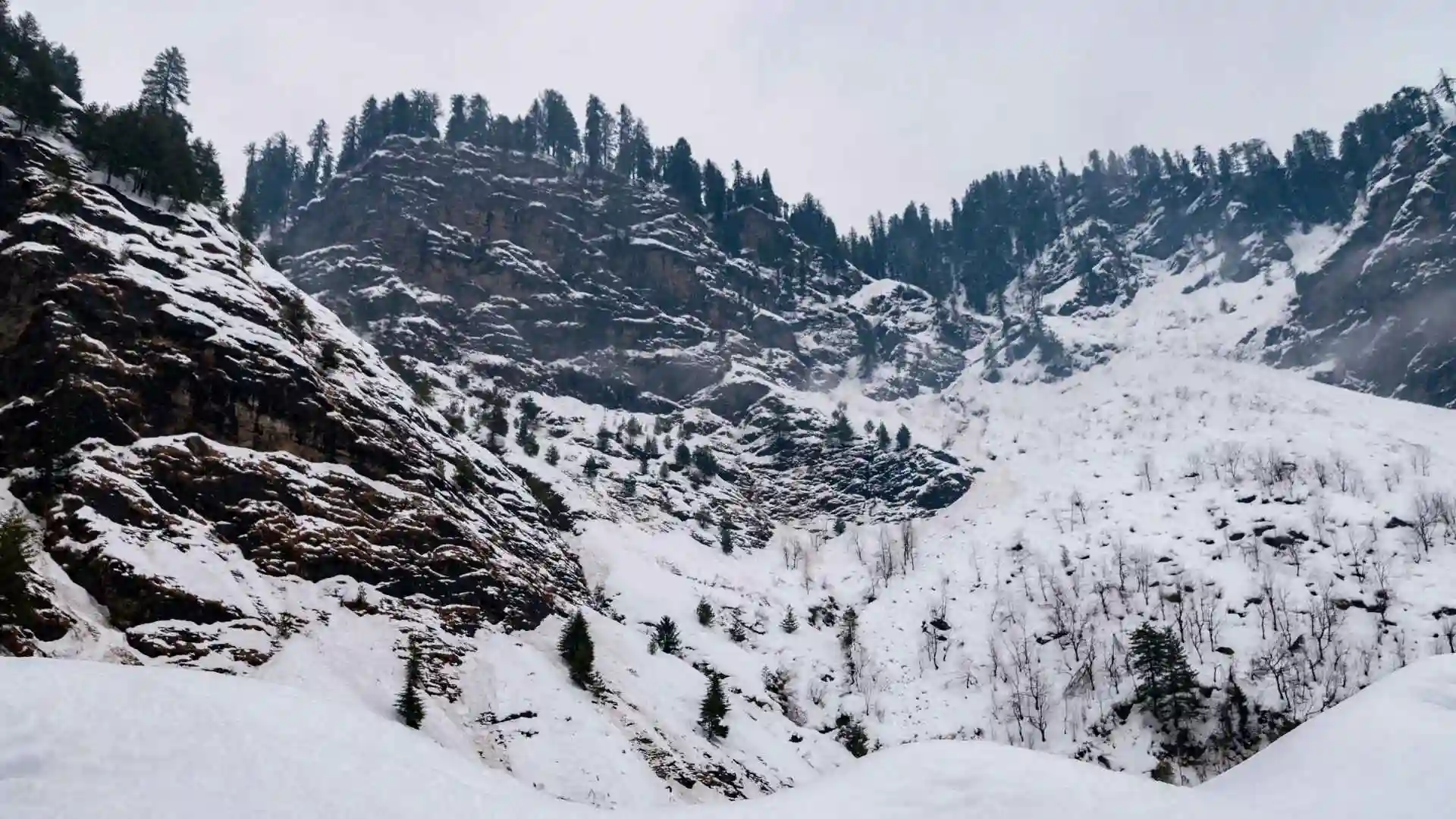
Heavy snowfall and glacial activity physically shape the region. Manali's climate is sub-tropical highland, featuring chilly winters and cool summers. High seismic activity and frequent landslides are natural features of this young mountain range.
Why is Manali Unique?
Manali is popularly known as the Home of Manu and holds deep spiritual significance while also being a modern hub for travel and tourism. Its uniqueness lies in its perfect amalgamation of mythological importance, diverse landscapes, and architectural heritage.
Named after Sage Manu, this hill town is frequently referred to as the Valley of the Gods.
It is home to the ancient Manu Temple, the single shrine in India dedicated to the ancestors of humanity. According to Hindu mythological beliefs, Sage Manu stepped off his ark to recreate human life.
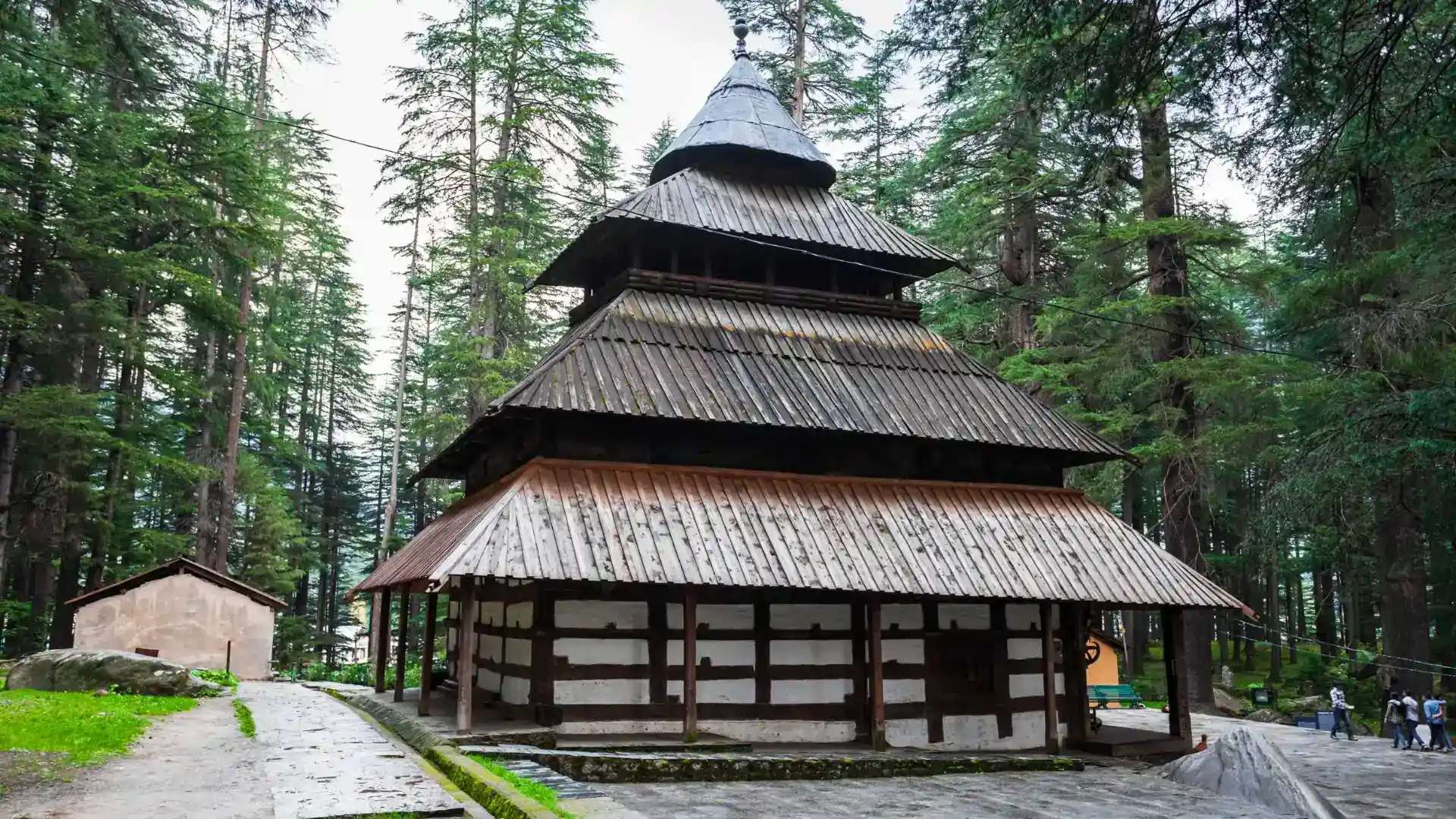
This hill town is famous for its distinctive Kathkuni architecture, evident in the 16th-century Hadimba Devi Temple. This wooden structure is associated with a goddess from the Mahabharata. Locals worship her as a deity.
Manali offers a diverse array of experiences, from Rohtang Pass and the lush green Kullu Valley to Vashisht Hot Springs and the Spiti Valley. Apart from spiritual and natural retreats, it offers highly thrilling experiences of adventure sports like skiing and paragliding. Due to all these, the town is incomparable to other hill stations in the Himalayas.
Culture and Traditions
Manali's culture is an ideal blend of evolving modern influences and ancient Himalayan traditions, shaped by its spiritual heritage and tribal roots. Its cultural identity is closely associated with nature. Here, forests, mountains, and rivers are considered as sacred elements of daily life.
Local communities and tribes, such as the Gujjar and Kinnauri, have kept their age-old customs alive for generations. These customs reflect a strong sense of community, simplicity, and harmony.
Religion plays a primary role in everyday life, with ceremonies and rituals that are dedicated to local gods and natural deities. Colourful fairs and festivals, such as the Hadimba Devi Fair and Dussehra, are celebrated with great enthusiasm. They bring together music, devotion, and dance, offering a glimpse into Manali's communal unity and spiritual depth.
Traditional arts, such as folk dance and music, are usually performed at festivals and social gatherings. The local attire, usually handwoven woollen garments, reflects the artistic sensibilities of local people and the local climate. Despite the growth of modern lifestyles and tourism, Manali has retained its distinctive traditional character. Over generations, cultural and traditional practices have been passed down and continue to shape daily life.
Food and Cuisine
Manali's culinary landscape reflects its cultural diversity, evolving tastes, and mountainous terrain. With a deep connection to traditional Pahari cooking, Manali's food is known for its strong local flavours, warmth, and simplicity.
Dham holds a good place in the region's staples. It is a traditionally prepared festive meal and features lentils, rice, and yoghurt-based gravies. Siddu is another dish travellers must try in Manali. It is a soft, steamed bread stuffed with poppy seeds or walnuts. This dish is best enjoyed with a generous drizzle of ghee. Hearty dishes like Madra, prepared using kidney beans or chickpeas, taste better when simmered in spiced yoghurt. These dishes reflect the depth of Himachali flavours.
Manali's cuisine also has Tibetan influences. Famous street foods, such as thukpa and momos, are available throughout the city, especially in busy market areas. In addition, its bakeries and cafes serve freshly baked pancakes, apple-based desserts, and goods, reflecting the abundance of local orchards. Along with the revival of traditional recipes, Manali caters to tourists' varied tastes by offering North Indian and continental cuisines.
Accommodation Guide
Manali offers numerous accommodation options, from budget hotels to luxury resorts, to cater to all visitors' needs. Whether you are on a business, group, solo, or family trip, you will find an ideal stay.
Before selecting an ideal hotel or resort, keeping the following points in mind will be helpful:
- Book in advance
- Opt for off or shoulder season and avoid peak season to save money
- Proximity to tourist attractions and accessibility
- In-house dining options
- Modern and climate-friendly amenities
- Privacy and safety
- Industry presence
Where to Stay
The entire city is ideal for accommodation. However, prefer to stay around:
- Old Manali for peaceful stays, cosy cafes, and scenic views
- Mall Road for restaurants and shops
- Vashisht for budget travellers
Places to Visit in Manali
- Hadimba/Hidimba Devi Temple
- Solang Valley
- Rohtang Pass
- Old Manali
- Mall Road
- Jogini Waterfalls
- Manali Sanctuary
- Vashisht Temple and Village
Things to Do in Manali
- River Rafting near the Kullu Valley
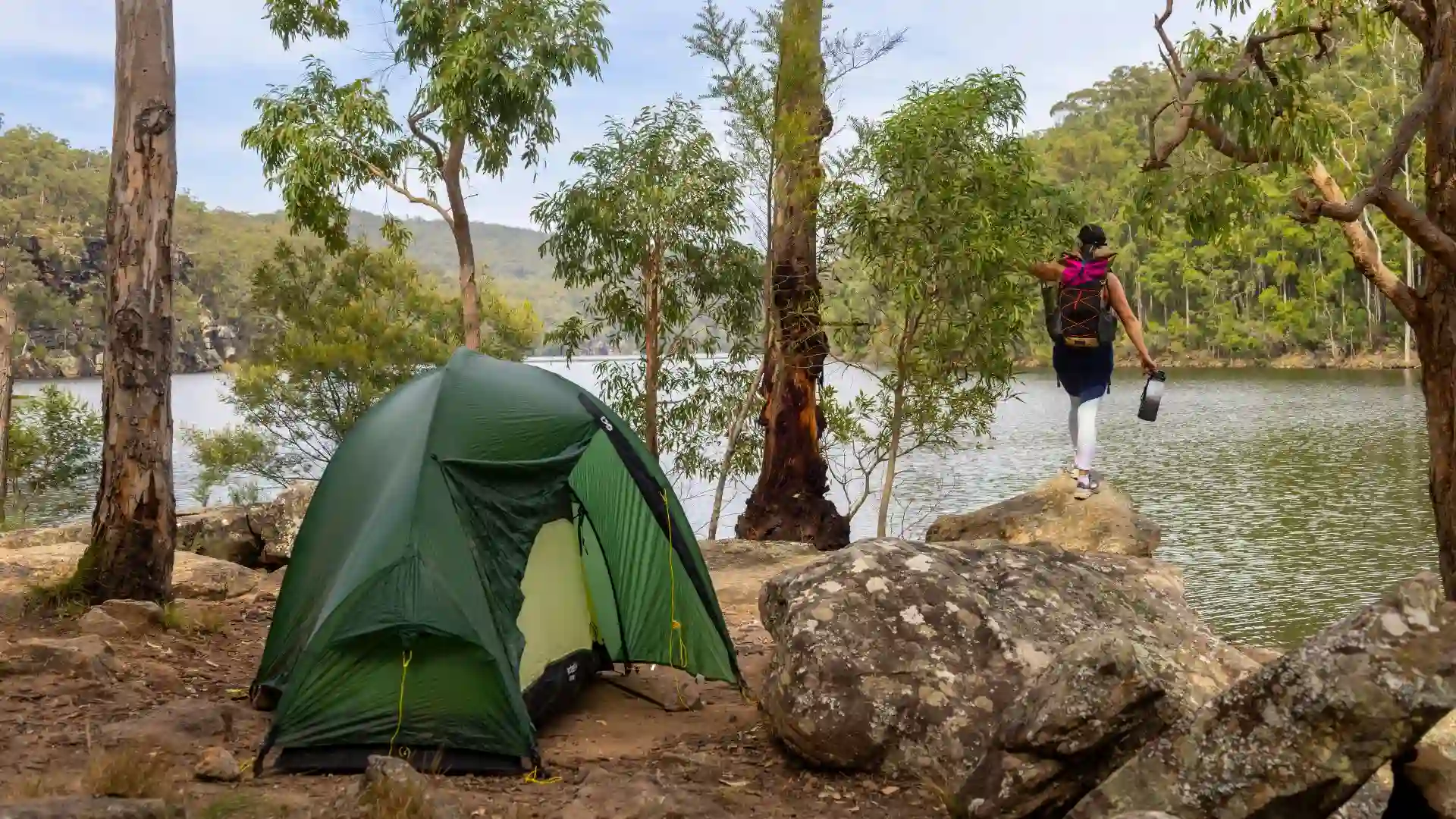
- Trekking & Camping near Hampta Pass, Bhrigu Lake, and the Lama Dugh
- Zorbing and Paragliding in Solang Valley
- Snowboarding and Skiing in Rohtang Pass and Solang Valley during winter
- Picnic on the banks of the Beas River


 English
 Chinese (Simplified)
 Dutch
Dutch French
 German
 Hebrew
 Italian
 Portuguese (Brazil)
 Russian
 Spanish
 Arabic