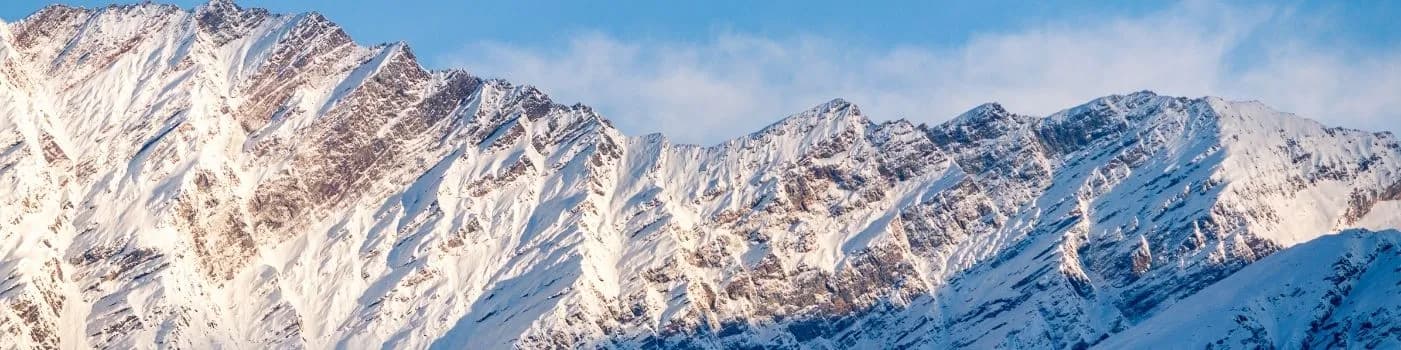
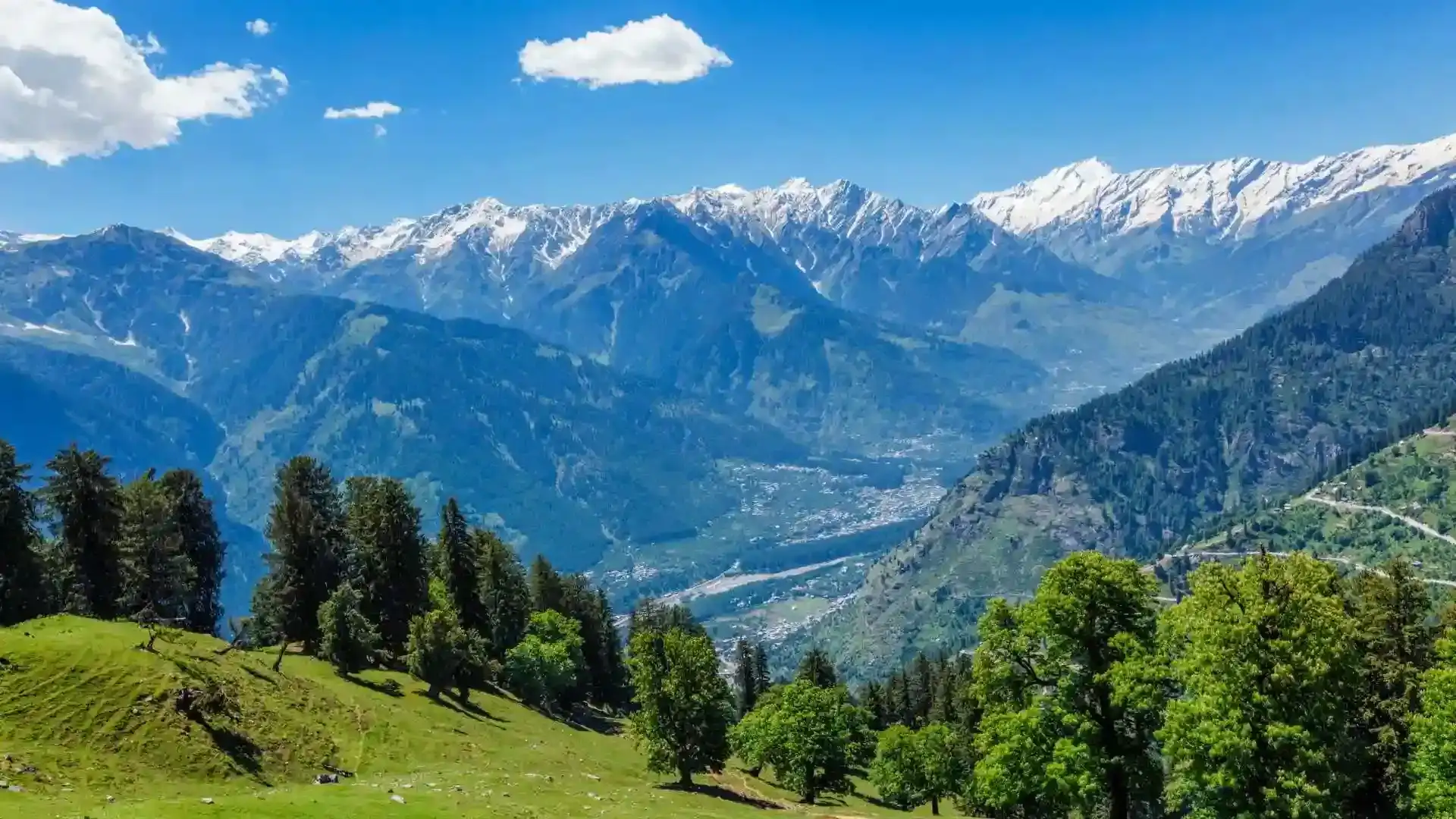
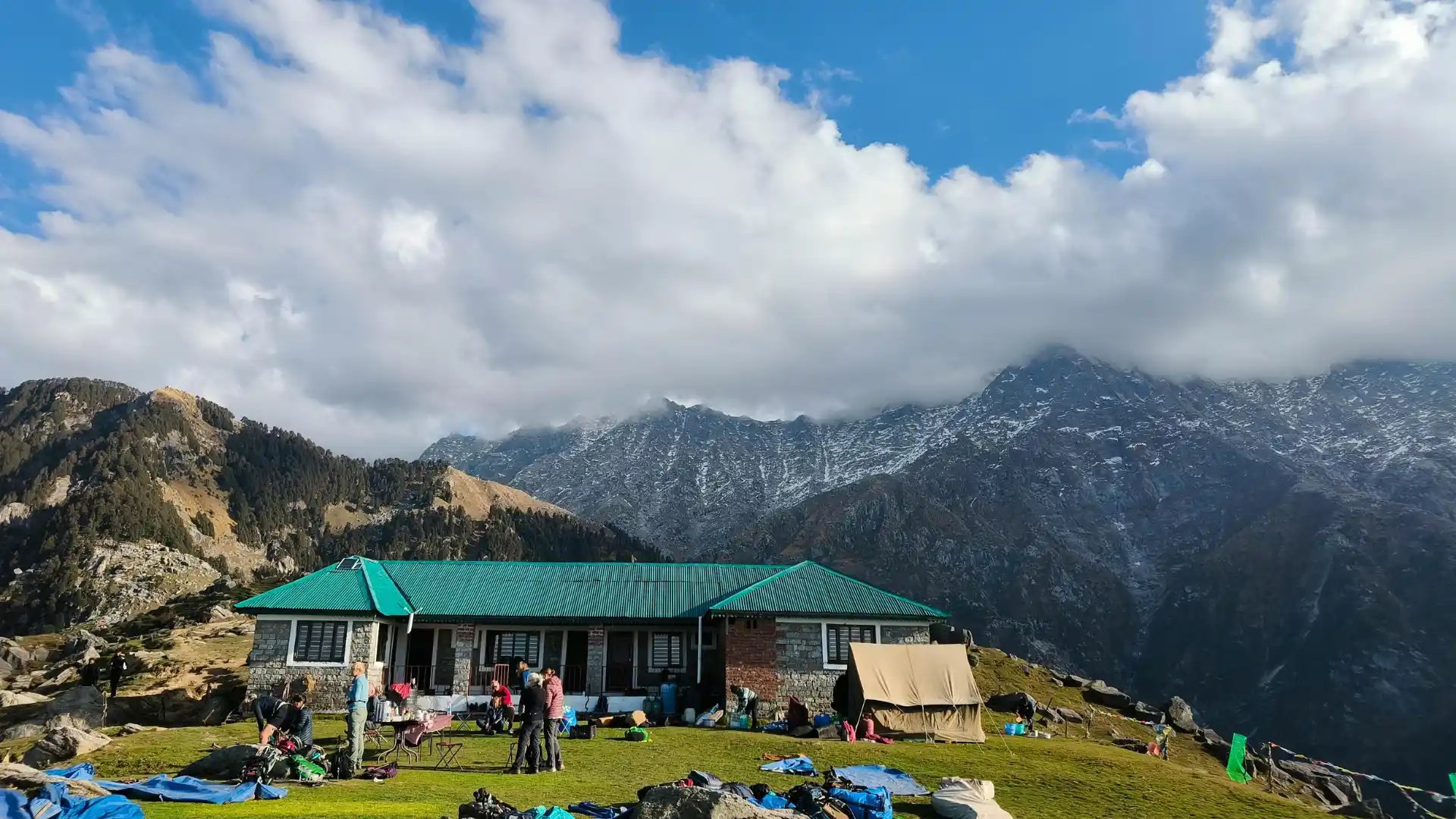
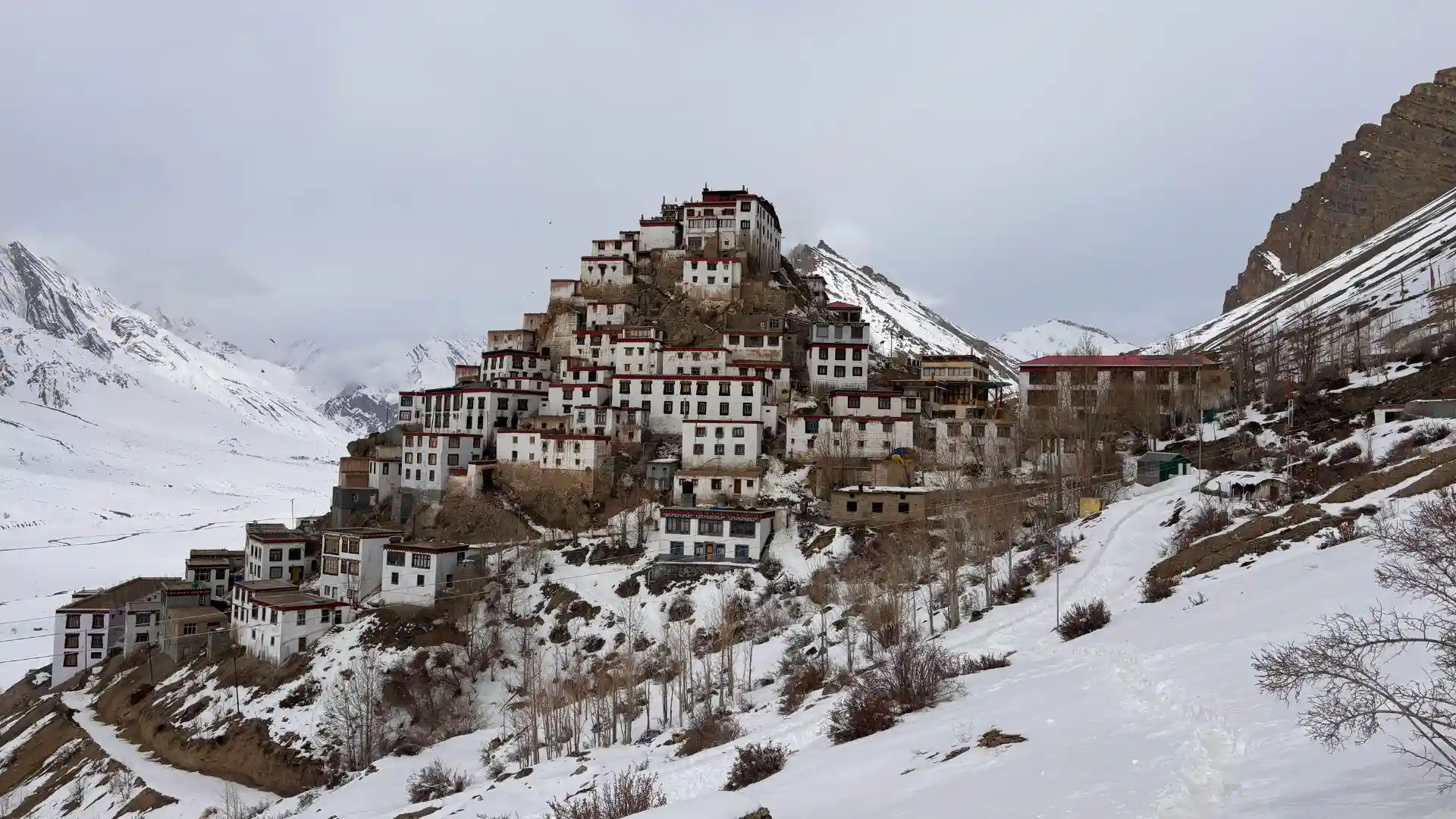
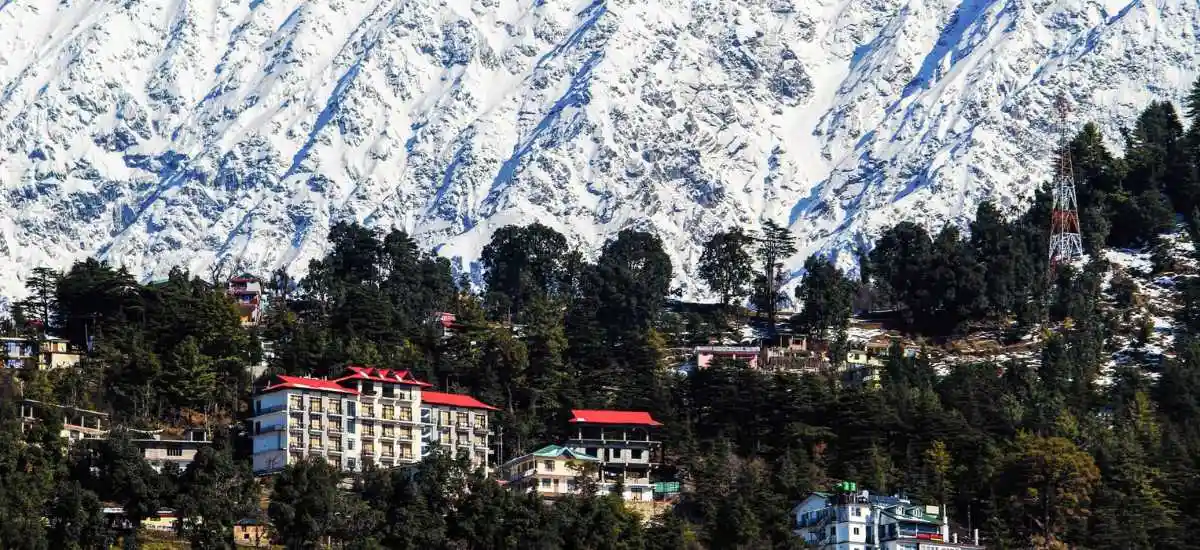
Shimla, known as the Queen of Hills, is located in the foothills of the Himalayas. It offers a classic British-era retreat and is attractive as it was during the summer capital of British India. This hill city whispers stories of its colonial past through its winding lanes, architecture, and gentle rhythm of life.
Situated at a height of more than 2,000 metres in Himachal Pradesh, Shimla welcomes visitors with its deodar forests, fresh mountain air, and a nostalgic aura that takes you back to a time when people lived a very simple life.
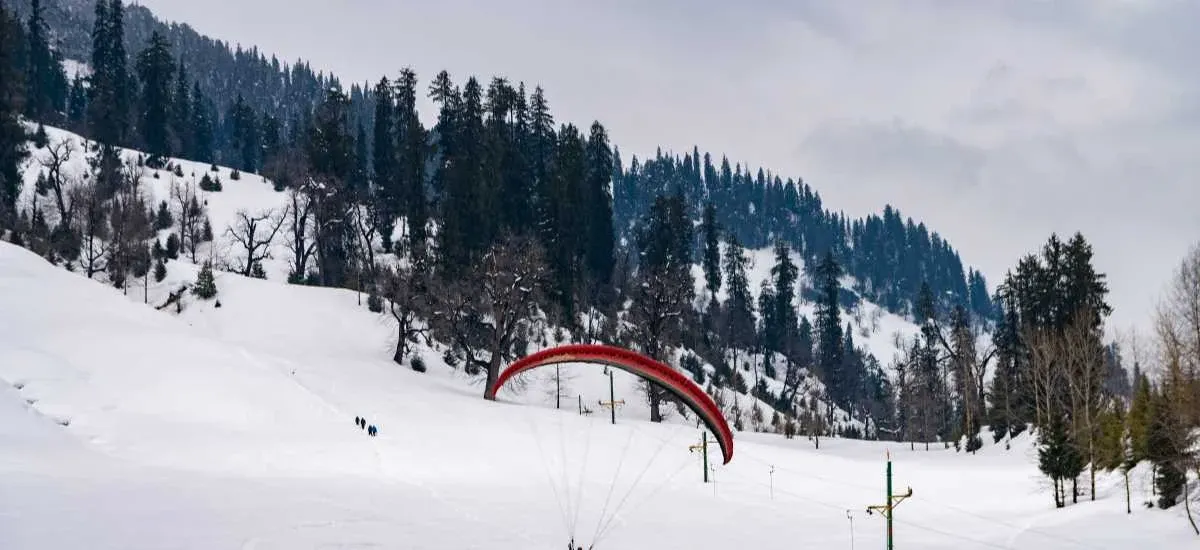
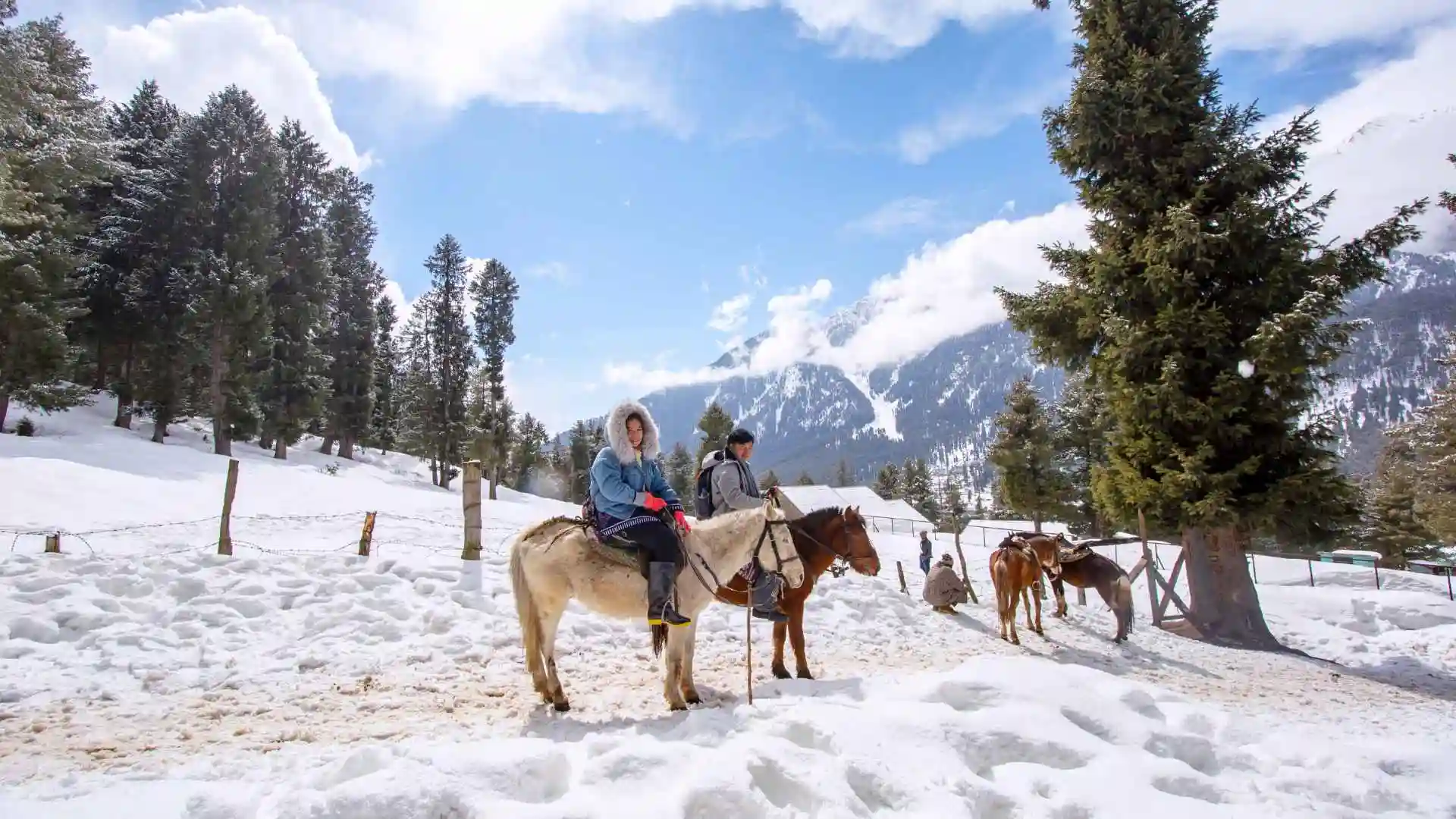
This hill town offers you a balanced mix of Himalayan adventure and leisurely charm, whether you enjoy the UNESCO-listed Kalka-Shimla toy train or go through the busy Lakkar Bazar for buying local hand-crafted items. In winter, this city transforms into a snow-covered wonderland, offering opportunities to enjoy various winter sports near Kufri.
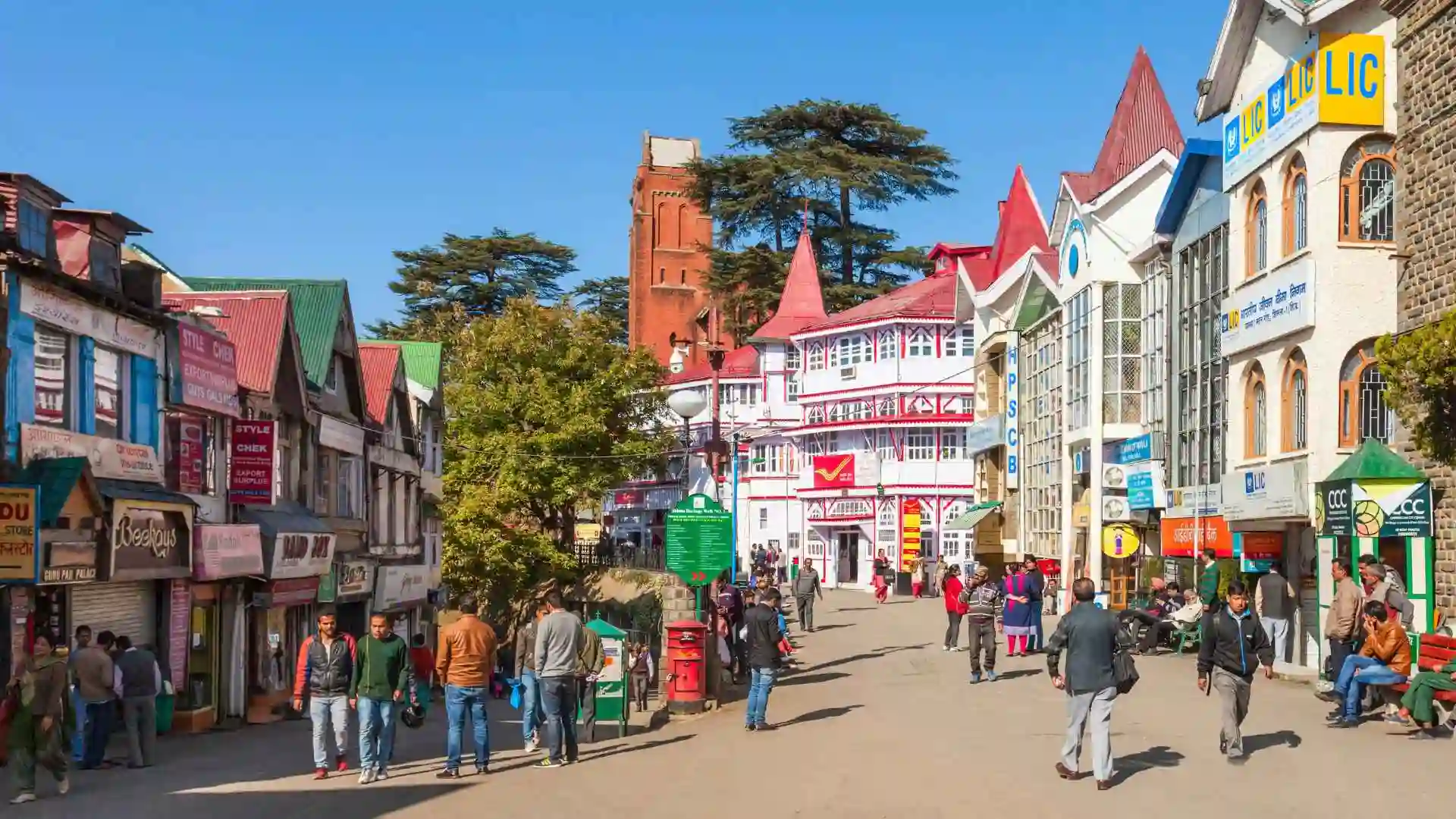
The iconic Mall Road lies at the heart of Shimla. Here, locals and visitors gather to walk, simply take in the atmosphere, and converse. Nearby, the historic Ridge provides panoramic views of distant peaks. Bakeries and quaint cafes offer cosy corners for short breaks in the exploration of this hill town.
For the authentic British-era experience, have a cup of coffee/tea at one of the cafes on The Ridge. Hiking up to the clear Chadwick Falls gives a mesmerising natural connection. With spiritual sites like the Kali Bari Temple, raw natural beauty, and colonial history, Shimla is a wonderful place to explore throughout the year. It leaves a long-lasting impression on each traveller.
Shimla at Glance
- Latitude: 30° 6' North
- Longitude: 77° 11' East
- Height from Sea Level: 2,397.59 meters (7,866 ft)
- Language: Hindi, English, and Pahari
- Population: 169,578
- Neighbouring Cities: Solan, Kalka, Parwanoo, and Narkanda
Geographical and Physical Features
Shimla lies in the southwestern ranges of the Himalayas in Himachal Pradesh, India. This hill town is situated on a crescent-shaped, multifaceted ridge that spans around 9.2 kilometres from east to west. It is originally built across seven hills - Jakhu (the highest), Observatory, Prospect, Bantony, Summer, Inveram, and Elysium.
Geographical Features
Located at 31.61°N 77.10°E, Shimla is a main administrative area of Himachal Pradesh. Its landscape is largely sloped and mountainous. High mountain ridges and deep valleys characterise it.
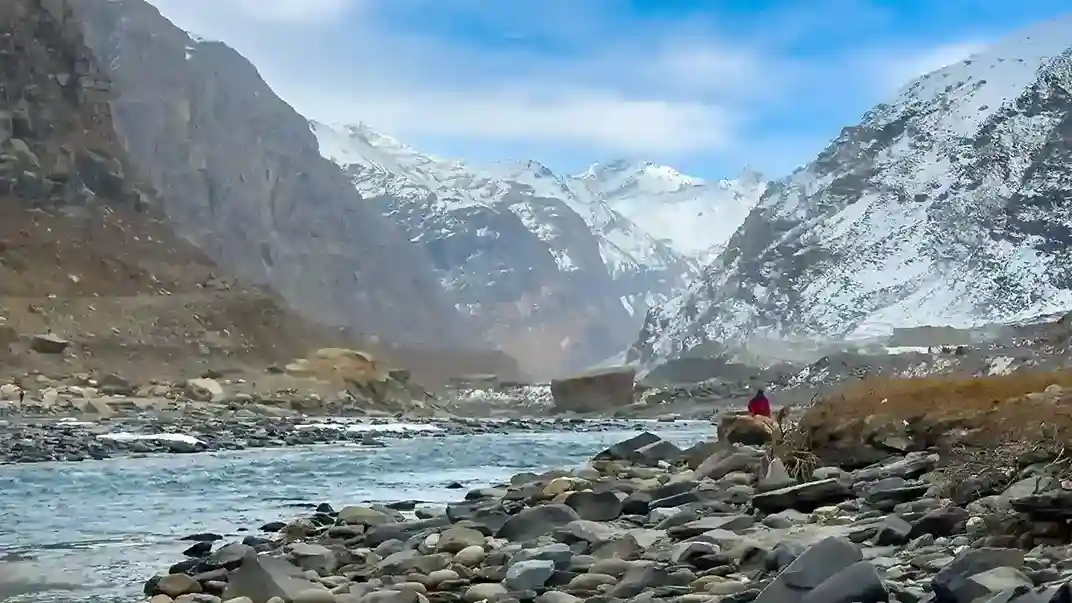
This hill town acts as a unique watershed; the northern ridge waters feed the Sutlej River, and the southern slopes drain towards the Yamuna River. No significant rivers flow through the main city. The Pabbar and Giri rivers flow nearby, and the Sutlej River is around 21 kilometres away from the main town.
Physical Features
Shimla has a subtropical climate with cold winters and moderately warm summers. In winter, the temperatures range from 3 to 11 degrees Celsius. The city receives heavy snowfall in January and February and experiences notable rainfall from July to September.
It has pleasant weather with temperatures from 16 to 25 degrees Celsius in the summer (May and June). Green, dense forests of Oak, Deodar, Rhododendron, and Pine trees surround the city.
Why is Shimla Unique?
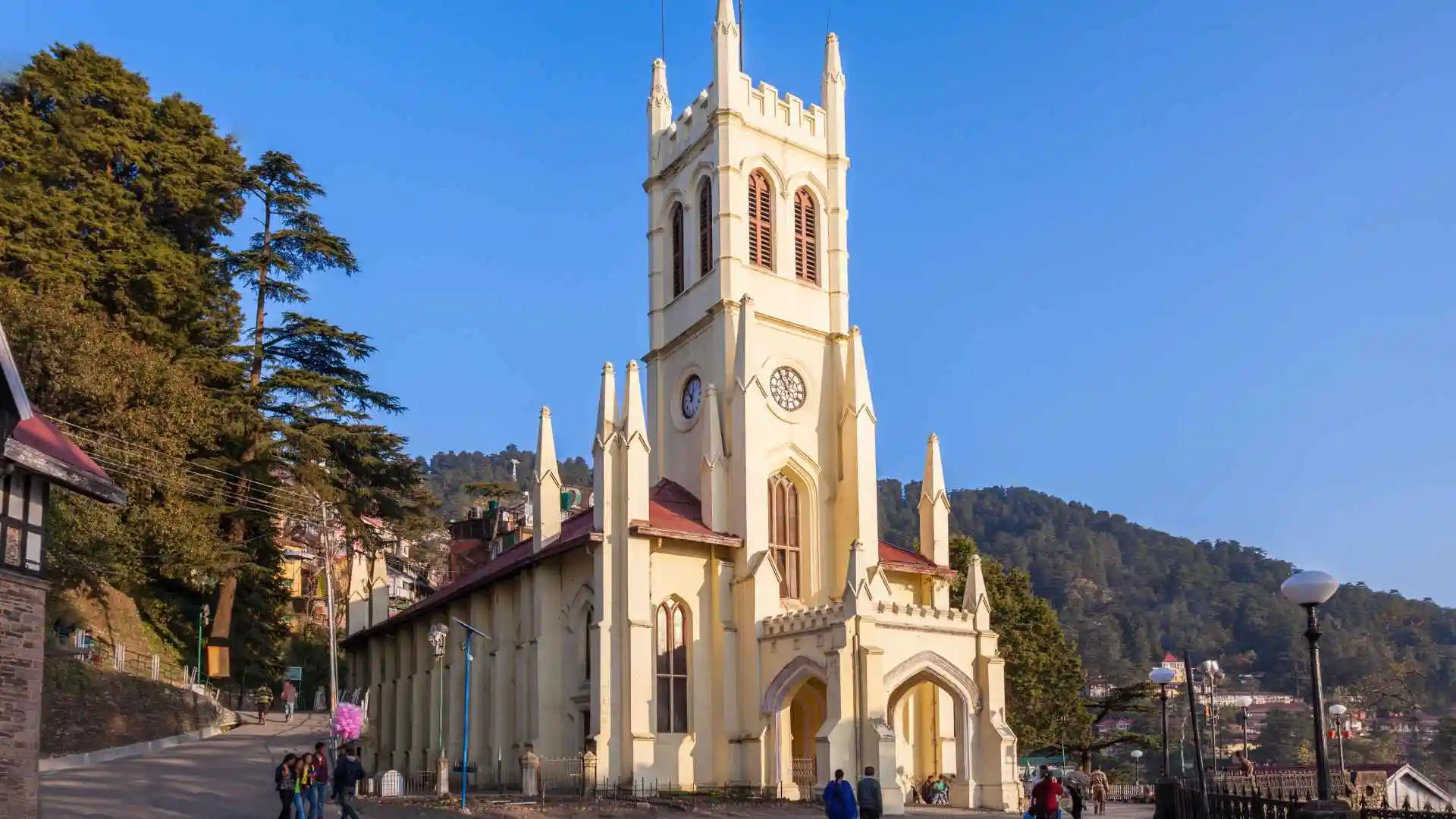
Shimla's uniqueness lies in its perfect combination of natural beauty, a rich colonial past, and a distinguished geographical setting. It offers breathtaking views of dense forests, snow-packed mountain peaks, and a cool climate that make it a highly popular hill station. Developed during British rule, the city reflects colonial influence in its architecture that travellers can easily notice in churches, buildings, and the Mall Road.
This hill town is also famous for its Kalka-Shimla Railway, which is a UNESCO World Heritage site and offers a scenic journey through hills and tunnels. Due to its construction along a narrow ridge, it has a unique linear layout with little space for expansion.
Shimla's cultural charm, peaceful atmosphere, and the right combination of history with nature make it stand apart from other Indian cities. Its scenic landscape and pleasant weather continue to draw visitors year-round.
Culture and Traditions
The cultural identity of Shimla reflects the combination of colonial legacy, Himalayan heritage, and deep connection to local traditions. Its layered history and mountain geography shape it. Based in the hills of Himachal Pradesh, a northern Indian state, Shimla's lifestyle is richly expressive and unhurried.
Here, local community bonds, spiritual beliefs, and seasonal rhythms influence everyday life in the contemporary world. Even amid the obvious presence of modernity, the city retains its reverence for its past, evident in its customs, architecture, and artistic expression.
Dance and Theatre
Dance and theatre in Shimla and adjoining regions are closely associated with local agricultural practices, festivals, and spiritual devotion. These performances are community-driven, celebratory, and participatory.
Traditional folk dances like Nati are the most recognised cultural expressions of Himachal Pradesh. Nati, performed in groups during fairs and festivals, features graceful hand movements and rhythmic footwork and is accompanied by live music. Apart from being a cultural symbol, it is a social activity and brings people together across generations.
Local theatrical performances usually take place during village festivals, where historical legends and mythological tales are enacted in open spaces. They are more about storytelling than spectacle. In addition, they have been preserving moral narratives and folklore through engaging means.
Ritualistic performances also hold importance in nearby rural areas. Symbolic enactments and masked honour spirits and deities. Even though they are not commercialised, these forms are part of the community's spiritual life.
Music and Oral Traditions
In Shimla, music reflects the depth and simplicity of mountain life. Folk songs are cultural and central expressions that have been transferred orally from one generation to another. These songs narrate stories of nature, separation, love, and daily struggles and echo this hill station's emotional landscape.
Conventional musical instruments like nagada, dhol, and sehnai accompany festive occasions and ceremonial events. Their rhythmic beats build an atmosphere of celebration, especially during local fairs and weddings.
Oral storytelling is a crucial part of cultural continuity. Elders recount ancestral tales, historical events, and local gods to preserve heritage without written records. Apart from carrying moral lessons, these narratives reflect respect for nature, communal harmony, and the value of resilience.
Food and Cuisine
Shimla's cuisine is a perfect blend of Pahari traditions and colonial influences. The use of locally sourced ingredients and simplicity characterise it well. Shimla's key dishes include:
- Madra: A rich, kidney bean or yoghurt-based chickpea curry made with aromatic spices like cloves and cardamom.
- Siddu: A steamed fermented bread stuffed with walnuts, lentils, or poppy seeds and served with a mild dollop of ghee.
- Dham: It is a traditional festive feast featuring several courses of rice, madra, and lentils, usually cooked by experienced chefs.
- Non-Vegetarian Specialities: Dishes like Chicken Anardana and Chha Gosht (mutton in yoghurt gravy) are famous for their spicy, deep flavours.
In addition, Shimla cuisine is influenced by Tibetan cuisine. Street food staples such as momos and thukpa are very common around Shimla's iconic Mall Road. Its Old-school cafes and bakeries present colonial-era cuisine heritage and serve fruit-based snacks like pancakes and apple pies. In the current world, there is a revival in traditional food. However, Shimla offers a diverse range of North Indian and international cuisine.
Accommodation Guide
Shimla offers an extensive array of accommodation options, including budget hotels, cosy boutique homestays, and luxury colonial-style resorts, to cater to every traveller's needs. Whether you are on a solo, family, group, or business trip, Shimla offers a comfortable and safe stay as per your exact needs.
Before you finalise a 3 to 5-star hotel, a luxury resort, or a homestay, here are the points to keep in mind:
- Closeness to famous tourist attractions
- In-house dining options
- Climate-friendly and modern amenities like AC and fireplaces
- Easy transportation access and transfers to and from sightseeing places
- Privacy and industry presence
Where to Stay
Accommodation facilities span across Shimla. However, the best areas to stay are:
- Chotta Shimla - Scenic, posh and quieter area
- Mall Road or Ridge - Noisy, busy, and centrally located
- Kufri/Mashobra - Ideal for families and nature lovers
Places to Visit in Shimla
- Mall Road
- The Ridge
- Kufri
- Naldhera
- Mashobra
- Chail
Things to Do in Shimla
- Walk along Mall Road
- Hike at Jakhoo Temple
- Skiing in Kufri
- Ride the UNESCO-listed Kalka-Shimla toy train


 English
 Chinese (Simplified)
 Dutch
Dutch French
 German
 Hebrew
 Italian
 Portuguese (Brazil)
 Russian
 Spanish
 Arabic