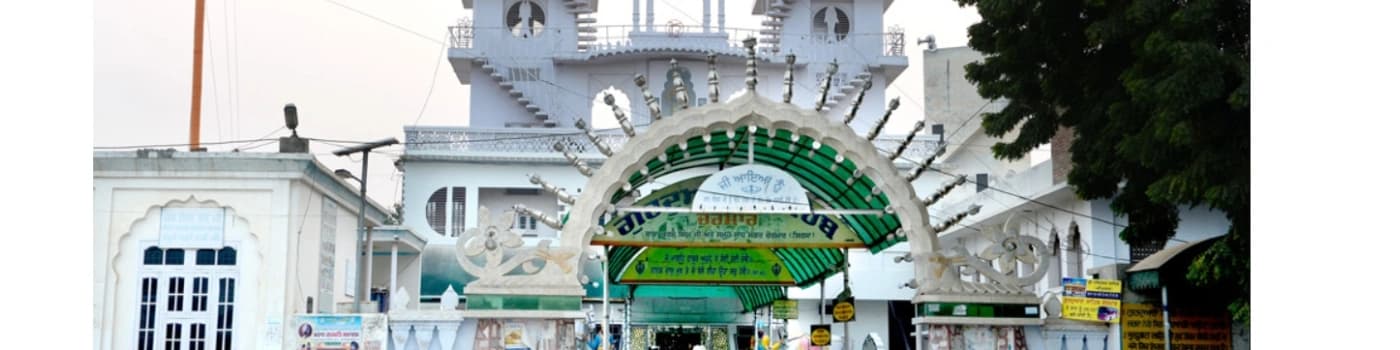
Located in the north-western part of Haryana, close to the borders of Punjab and Rajasthan, Sirsa is one of the region’s historically significant towns. The identity of Sirsa is shaped by religious traditions, ancient settlements, agricultural activity and a cultural landscape influenced by its position at the meeting point of neighbouring states.
Sirsa has a history that stretches back to ancient times. The town was formerly known as Sairishaka, a name mentioned in ancient literary sources, including the Mahabharata, Panini’s Ashtadhyayi and the Buddhist text Divyavadana. Local tradition associates the town’s foundation with a king named Saras, who is believed to have established a settlement and fort here. Remains of an ancient fortified settlement can still be found in the south-eastern part of the city.
The city’s heritage is reflected in landmarks such as the Ther Mound, an important archaeological site containing evidence of historical habitation, and religious establishments associated with Hindu and Sikh traditions. Sites including Dera Baba Sarsai Nath, Gurudwara Guru Gobind Singh and the Hanuman Temple at Ram Nagria highlight Sirsa’s diverse religious heritage.
Sirsa’s economy is largely agriculture-based, with cotton and wheat among its major crops, alongside paddy and other seasonal produce. Sirsa’s location near Punjab and Rajasthan has also shaped its local customs, language and food traditions, giving the region a distinctive cultural identity. Today, Sirsa brings together ancient history, religious landmarks and the agricultural traditions of western Haryana, offering an insight into a part of the state with a long and varied past.
Places to Visit in Sirsa
- Ther Mound (Ancient Archaeological Site): Located to the south-east of Sirsa city, Ther Mound is an important archaeological site that reflects the region’s long history of human settlement. The extensive mound covers an area of approximately five kilometres in circumference and rises to around 15 metres at its highest point. Surface discoveries, including pottery fragments, coins, stone sculptures and inscriptions, indicate its historical significance. The site is associated with the ancient settlement of Sairishaka, a name mentioned in classical Indian texts. It offers a glimpse into Sirsa’s past as an established settlement along historic routes.
- Dera Baba Sarsai Nath: Dera Baba Sarsai Nath is a significant religious destination in Sirsa, associated with Sarsai Nath, a saint of the Nath tradition devoted to Lord Shiva. The shrine is held in high regard by local devotees and contains temples dedicated to Shiva and Goddess Durga. Historical accounts also associate the site with Mughal Emperor Shah Jahan, who is said to have visited to seek blessings for his ailing son and subsequently donated land to the shrine.
- Gurudwara Guru Gobind Singh: Situated in the Noharia Bazaar area of Sirsa, Gurudwara Guru Gobind Singh commemorates the traditional association of the site with Guru Gobind Singh, the tenth Sikh Guru. According to local tradition, the Guru stayed here during his travels. The complex includes a library, a sacred water tank and a small museum, adding historical and cultural interest to the Gurudwara.
- Hanuman Temple (Ram Nagria): Situated in the Gandhi Colony area, Hanuman Temple at Ram Nagria is a well-known place of worship in Sirsa. Tuesdays may be heavily crowded as the devotees from across the city visit the temple to offer prayers to Lord Hanuman. The temple forms part of Sirsa’s active religious landscape and provides an insight into local devotional practices.
- Jama Masjid: Jama Masjid is a historic religious landmark in Sirsa, recognised for its prominent minarets that rise above the surrounding urban landscape. The mosque reflects the Islamic architectural and cultural heritage of the region and continues to hold significance for the local Muslim community. Its presence adds to the diversity of Sirsa’s historical and religious sites.
- Tomb of Khawaja Pir: The Tomb of Khawaja Pir is associated with the Sufi heritage of Sirsa. According to local tradition, Khawaja Pir accompanied Muhammad Ghori to India and later resided in the area. Historical accounts also connect the site with Guru Nanak Dev, who is said to have stayed there with his companions, Bala and Mardana. Although the original tomb and adjoining mosque no longer survive, the site remains part of the town’s religious history and shared cultural traditions.
- Tara Baba Kutiya: Tara Baba Kutiya is a religious site in Sirsa associated with local spiritual traditions and attracts devotees seeking a place for prayer and reflection. The complex is known as a prominent devotional landmark in the city. The place has a peaceful atmosphere and is very much loved by spiritual seekers.
- Dera Sacha Sauda: Dera Sacha Sauda is a social and religious organisation established by Shah Mastana Ji Maharaj in Sirsa. Its headquarters has become a significant centre for followers of the organisation. The institution is associated with spiritual gatherings and social service activities, giving it a notable presence in the modern history and social landscape of Sirsa.
Best Time to Visit Sirsa
The best time to visit Sirsa is October to March, when temperatures are generally more favourable for exploring the city’s historical landmarks, religious sites and local markets. The region experiences an arid climate, with extremely hot summers and chilly winters.
- Summer (April to June): Summers are intensely hot and dry, with temperatures often exceeding 40°C in May and June. Outdoor sightseeing is best planned for early mornings or evenings, while the afternoon heat is best avoided.
- Monsoon (July to September): Sirsa receives most of its annual rainfall during the southwest monsoon, particularly in July and August. Humidity increases during this period, and occasional heavy showers may affect outdoor plans.
- Winter (October to March): The cooler months offer more comfortable conditions for sightseeing. October and November are particularly pleasant for exploring the city, while December and January can bring cold mornings and nights. Warm clothing is recommended for winter visits.
How to Reach Sirsa
- By Air: The nearest major airport is Indira Gandhi International Airport (IGI) in New Delhi, approximately 258 km from Sirsa. From the airport, visitors can continue their journey by taxi or other road transport.
- By Rail: Sirsa has its own railway station, with train services connecting it to destinations such as Delhi, Bathinda and Rewari. Rail connections make the city accessible from several locations across Haryana and neighbouring states. Train availability and schedules vary, so checking connections in advance is advisable.
- By Road: Sirsa is well connected to neighbouring towns and cities through national and state highways. It lies approximately 259 km from Delhi and is accessible via the Delhi–Sirsa highway corridor. Haryana Roadways and other bus services connect Sirsa with important destinations in Haryana and neighbouring states.


 English
 Chinese (Simplified)
 Dutch
Dutch French
 German
 Hebrew
 Italian
 Portuguese (Brazil)
 Russian
 Spanish
 Arabic