

- +91 96773 55555
- Toll Free: 1800 123 2255
 English
 Chinese (Simplified)
 Dutch
Dutch French
 German
 Hebrew
 Italian
 Portuguese (Brazil)
 Russian
 Spanish
 Arabic
EnglishChinese (Simplified)DutchFrenchGermanHebrewItalianPortuguese (Brazil)RussianSpanishArabic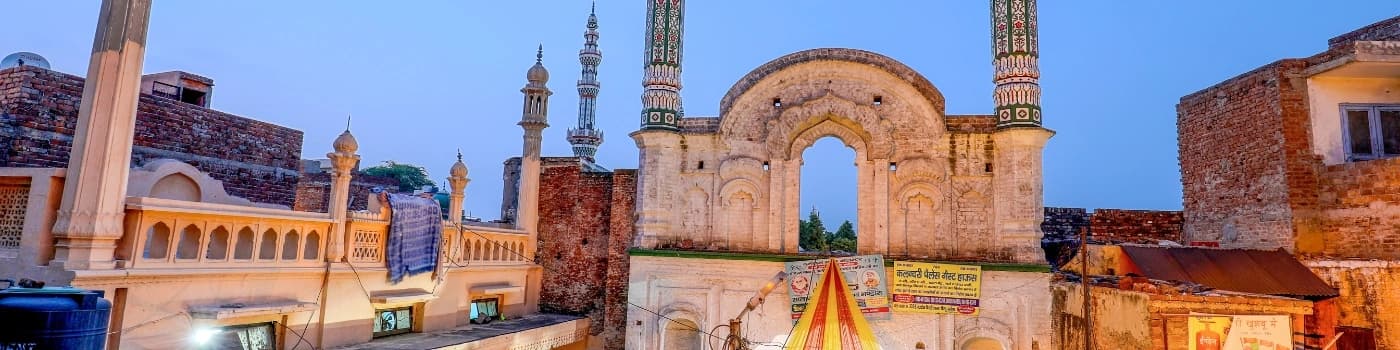
Located in north-central Haryana, Karnal is a historic city situated midway between Delhi and Chandigarh along the Grand Trunk Road. The city is traditionally associated with Karna, one of the most celebrated figures of the Mahabharata, and is believed to have been founded by him. This connection has given Karnal a distinctive place in Haryana's cultural landscape and earned it the popular association of being the “City of Karna.”
Karnal's history extends beyond its mythological traditions. Its strategic location along the historic Delhi–Ambala route made it an important settlement over the centuries, and the region witnessed significant events during the Mughal and later periods. The city also gained historical prominence in 1739, when Nadir Shah defeated the Mughal emperor Muhammad Shah in the Battle of Karnal. Remnants of different periods can still be found in and around the city, including old tombs, sarais, bridges and other heritage structures.
The city has a strong agricultural and scientific identity as well. Karnal is renowned for its high-quality Basmati rice and fertile agricultural landscape, while institutions such as the National Dairy Research Institute (NDRI), Central Soil Salinity Research Institute and other agricultural research organisations have made it an important centre for scientific research and development. Karnal is also known for the manufacture of agricultural implements and their components. With its blend of epic traditions, historic landmarks and modern agricultural heritage, Karnal offers a distinctive glimpse into the cultural landscape of Haryana.
Places to Visit in Karnal
Karna Lake is one of Karnal's best-known landmarks and is closely connected with the city's legendary association with Karna of the Mahabharata. According to local tradition, Karna used to bathe at this spot and was known for giving away his protective armour and other possessions in charity. The name Karna-Taal, meaning Karna's lake, is traditionally associated with the origin of the city's name. Today, the lake forms part of a landscaped tourist complex and is known for its peaceful waterfront, boating facilities and recreational surroundings. Located along the historic Grand Trunk Road between Delhi and Chandigarh, it has long served as a popular stop for visitors travelling through Karnal.
Kalander Shah's Tomb is an important medieval heritage monument situated just outside the main town. The marble tomb was built by Ghias-ud-din, the ruler of Delhi, in memory of Bo-Ali-Qalander Shah, a respected Muslim scholar and spiritual figure whose teachings influenced people across different communities. The complex contains an intricately decorated marble grave along with a mosque and a reservoir with fountains attributed to Emperor Alamgir. The combination of the tomb, mosque and water structure reflects the architectural and spiritual traditions of the period.
Sita Mai Temple is an unusual religious landmark located in Sitamai village near Karnal. The temple is dedicated to Goddess Sita and is associated with the Ramayana tradition that identifies this place as the spot where Mother Earth received Sita after she proved her purity. The temple is particularly notable for its brick construction and elaborate ornamental detailing covering the shrine. Its distinctive association with Sita makes it one of the more unusual pilgrimage sites in Haryana.
Miran Sahib's Tomb is a historic religious monument dedicated to Sayad Mohammad, also known as Miran Sahib, a saint associated with the medieval history of Karnal. Local tradition credits him with rescuing a Brahmin girl during a conflict with a local ruler. The tomb stands alongside a small mosque and a historic cemetery associated with the Mandal family. Together, these structures form an important part of Karnal's medieval religious heritage and reflect the region's long tradition of Sufi influence.
Gurdwara Manji Sahib is an important Sikh religious site in Karnal associated with the journeys of the Sikh Gurus. The gurdwara commemorates the meeting of Guru Nanak Dev Ji with Bo-Ali Shah Qalandar. It is also associated with Guru Tegh Bahadur Ji, who is believed to have stopped here while travelling towards Delhi. The site represents an important chapter in the religious history of Karnal and remains a place of devotion and remembrance within the Sikh community.
The Karnal Cantonment Church Tower is a notable reminder of the city's British-era history. The church was associated with the old Karnal cantonment, which was later shifted to Ambala. The surviving tower stands as a reminder of the military and colonial history of the region. Its simple yet distinctive architecture and historical setting make it an interesting heritage landmark, particularly when exploring the remnants of Karnal's colonial past. The monument is also recognised among Haryana's heritage sites.
The Gateway of the Old Mughal Sarai is a surviving reminder of Karnal's importance along the historic trade and travel routes of North India. Sarais were established along major highways during the Mughal period to provide shelter and facilities for travellers, merchants and caravans. The gateway reflects the architectural character of these historic roadside establishments and represents Karnal's longstanding connection with the Grand Trunk Road, one of the most important historic routes of the Indian subcontinent.
The Old Badshahi Bridge is a historic stone structure consisting of three arches. Its construction reflects the importance of bridges and road infrastructure in supporting movement along the historic routes connecting the settlements of northern India. The bridge is among Karnal's surviving heritage structures and provides an example of traditional stone engineering from an earlier period. Its simple construction and enduring form make it an interesting part of the district's architectural heritage.
The Kushan Stupa at Assandh, in Karnal district, is an important archaeological site associated with the ancient history of the region. Assandh has been identified with the ancient settlement of Asandhivat, which finds mention in Indian literary traditions. The stupa provides evidence of the area's connection with ancient Buddhist traditions and adds an archaeological dimension to Karnal's otherwise predominantly historical and religious attractions. Its presence highlights the long cultural history of the region extending well beyond the medieval and Mughal periods.
Taraori Sarai is a historic roadside structure associated with the old settlement of Taraori, located in Karnal district. Taraori is particularly significant in Indian history because of its association with the Battles of Tarain, fought in the 12th century between Prithviraj Chauhan and Muhammad Ghori. The sarai represents the later importance of the area as a stopping point along the historic northern trade and travel routes. Together with the surrounding historical landscape, it connects Karnal district with some of the major military and political events of medieval North India.
Anjanthali is a religious site in Karnal district associated with Anjana, the mother of Lord Hanuman. A temple dedicated to Anjana stands at the site, connecting the village with the wider devotional traditions surrounding Hanuman and the Ramayana. The site is particularly interesting for its connection with local religious traditions and the many sacred places across Haryana that preserve stories and beliefs associated with India's epic literature.
Best Time to Visit Karnal
The best time to visit Karnal is from October to March, when the weather is generally comfortable for exploring the city's historical monuments, religious sites and outdoor attractions.
How to Reach Karnal