Jalandhar, one of Punjab’s historic cities, is known for its sporting goods industry, religious landmarks and strong Punjabi cultural identity. Located in the fertile Doaba region between the Beas and Sutlej rivers, the city has developed into an important centre for trade, manufacturing and education.
The city has a long history that stretches back to ancient times. Known as Jullundur during British rule, Jalandhar has witnessed the influence of several dynasties and historical periods. Its past is reflected in old religious structures, traditional neighbourhoods and monuments that preserve different aspects of its cultural heritage.
Jalandhar is particularly recognised for manufacturing sports equipment, including items used in cricket, hockey, football and other games. Its products reach markets across India and overseas, earning the city a prominent place in the country's sporting goods industry. Religious sites form an important part of Jalandhar’s identity. Devi Talab Mandir, dedicated to Goddess Durga, is among its notable temples, while Gurdwara Chhevin Padshahi and other Sikh shrines attract devotees throughout the year. The city also offers museums and memorials that explore Punjab’s history and its contribution to India's freedom movement.
Alongside its historical attractions, Jalandhar has lively markets, Punjabi food traditions and modern entertainment facilities. This combination of industry, faith, sport and culture makes the city an interesting destination for discovering a different side of Punjab.
Places to Visit in Jalandhar
- Devi Talab Mandir:Dedicated to Goddess Durga, Devi Talab Mandir is one of Jalandhar’s best-known religious landmarks. The temple complex surrounds a historic sacred tank and includes shrines dedicated to other deities, including Goddess Kali. It is an important pilgrimage destination, particularly during Navratri, when devotees gather for special prayers and celebrations.
- Tulsi Mandir: Situated in the old part of Jalandhar, Tulsi Mandir is associated with the Hindu legend of Vrinda and Jalandhara. The temple stands in a historic neighbourhood where several older shrines and sacred water structures can also be found. Its traditional setting makes it a point of interest for those exploring the city’s religious heritage.
- Baba Sodal Mandir: Baba Sodal Mandir is a temple dedicated to Baba Sodal. The shrine attracts devotees throughout the year, with particularly large gatherings during the annual Baba Sodal Mela. The festival brings together worshippers for prayers and customary observances, making the temple an important part of Jalandhar’s community life.
- Gurdwara Chhevin Padshahi: This Sikh shrine commemorates the visit of Guru Hargobind Sahib, the sixth Sikh Guru, to Jalandhar. Devotees from all over the city come here to offer prayers and participate in religious services. The gurdwara holds significance within the city’s Sikh heritage and provides a place for worship and community gathering.
- Gurudwara Talhan Sahib Ji: Located in Talhan village near Jalandhar, this gurdwara is a renowned place of worship. Its religious importance draws devotees from surrounding areas, and the complex serves as a centre for prayer and community service. The visit also offers an opportunity to experience the role of village gurdwaras in Punjab’s spiritual and social life.
- Imam Nasir Mausoleum and Jama Masjid: The Imam Nasir Mausoleum and the nearby Jama Masjid are historic Islamic landmarks in Jalandhar. The mausoleum is associated with the Sufi saint Imam Nasir, while the mosque continues the area’s tradition of Islamic worship.
- St. Mary’s Cathedral Church: Situated in Jalandhar Cantonment, St. Mary’s Cathedral Church is a prominent Christian place of worship. Its design combines elements of European church architecture with features suited to its Indian setting. The church serves the local Christian community and stands as a reminder of the cantonment’s colonial-era history.
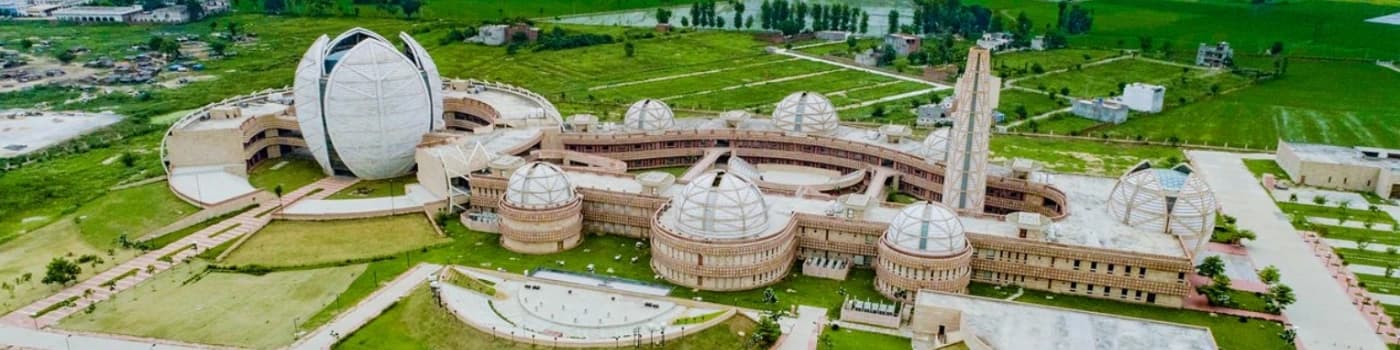
- Jang-e-Azadi Memorial: Located in Kartarpur, near Jalandhar, the Jang-e-Azadi Memorial commemorates Punjab’s contribution to India’s independence movement. The large complex contains galleries and exhibits that recount key events, personalities and sacrifices associated with the freedom struggle. Its displays provide historical context for understanding the region’s role in India’s modern history.
- Pushpa Gujral Science City: Situated on the Kapurthala Road near Jalandhar, Pushpa Gujral Science City is an educational attraction designed to make scientific concepts accessible through interactive experiences. Its exhibits cover subjects such as space, technology, the environment and natural sciences. The centre is particularly suitable for school groups and families looking for an activity that combines learning with entertainment.
- Wonderland Theme Park: Wonderland Theme Park, on Nakodar Road, offers amusement rides and water-based activities for visitors of different age groups. The water park’s seasonal operating schedule may vary, so checking current timings before visiting is advisable.
- Rangla Punjab Haveli: Rangla Punjab Haveli celebrates the traditions of rural Punjab through its village-inspired setting, regional food and cultural presentations. Visitors may encounter elements of Punjabi folk music, dance, crafts and traditional hospitality, depending on the activities scheduled. It is a suitable place to experience aspects of Punjabi culture in a recreated village environment.
- Nikku Park: Nikku Park is a public recreational space in Jalandhar, popular with families and local residents. With green areas and attractions for children, it provides a relaxed setting away from the city’s busy commercial streets. It is particularly suitable for a short outing or a leisurely stop during a city visit.
Best Time to Visit Jalandhar
The ideal time to visit Jalandhar is October to March, when the cooler climate is suitable for exploring the city’s temples, gurdwaras, historical sites and local markets.
- Summer (April to June): Summer brings intense heat to Jalandhar, with June among the hottest months. Daytime temperatures can rise above 40°C, making outdoor activities less comfortable, particularly during the afternoon.
- Monsoon (July to September): Rainfall is concentrated during the monsoon months, with July generally receiving the most rain. The rainfall eases the summer heat, but high humidity and periods of heavy rain can sometimes disrupt outdoor visits.
- Winter (November to March): Winter offers favourable conditions for exploring Jalandhar and its surrounding attractions. January is usually the coldest month, with chilly mornings and occasional fog. February and early March are also suitable for sightseeing, with gradually milder temperatures.
How to Reach Jalandhar
By Air: Adampur Airport, around 25 km from Jalandhar city centre, is the closest airport, though flight availability may be limited. For a wider choice of domestic and international connections, Sri Guru Ram Dass Jee International Airport in Amritsar is approximately 75–90 km away.
By Rail: Jalandhar City Junction is a major railway station with connections to Delhi, Amritsar and several other cities across India. Regular train services make it a convenient option for reaching the city from different parts of the country. Local taxis, auto-rickshaws and other transport services are available near the station.
By Road: Jalandhar has a well-connected road network linking it with cities such as Amritsar, Ludhiana, Chandigarh and Delhi. National highways and regional roads provide access from neighbouring states, while government-operated and private buses serve many intercity routes. Taxis and private vehicles are also convenient options for travelling to Jalandhar.


 English
 Chinese (Simplified)
 Dutch
Dutch French
 German
 Hebrew
 Italian
 Portuguese (Brazil)
 Russian
 Spanish
 Arabic