Located on the banks of the Sutlej River’s historic course, Ludhiana is one of Punjab’s major urban centres, recognised for its manufacturing industries, Punjabi culture and historical landmarks. The city developed during the rule of the Lodhi dynasty in the 15th century, with its name believed to have originated from “Lodhi-ana,” meaning the town of the Lodhis.
Ludhiana is widely associated with India’s hosiery and knitwear industries, producing woollen garments, textiles, bicycle components, machine tools and other manufactured goods. Its commercial energy is matched by a strong cultural identity, seen in its traditional markets, Punjabi cuisine, festivals and lively neighbourhoods.
Lodhi Fort recalls its medieval past, while the Maharaja Ranjit Singh War Museum documents important chapters of India’s military history. Nehru Rose Garden offers a green retreat within the urban landscape, and the Punjab Agricultural University Museum preserves aspects of traditional rural life in Punjab.
Religious sites, particularly historic gurdwaras, add another dimension to Ludhiana’s character. With its combination of industrial importance, local traditions and heritage attractions, the city presents a distinctive picture of contemporary Punjab.
Places to Visit in Ludhiana
- Lodhi Fort: Lodhi Fort, also known as Purana Qila, is a historic fort associated with the Lodhi period of the 15th century. Although much of the original structure has deteriorated, its remaining walls and fortifications recall Ludhiana’s early history and its strategic importance in the region.
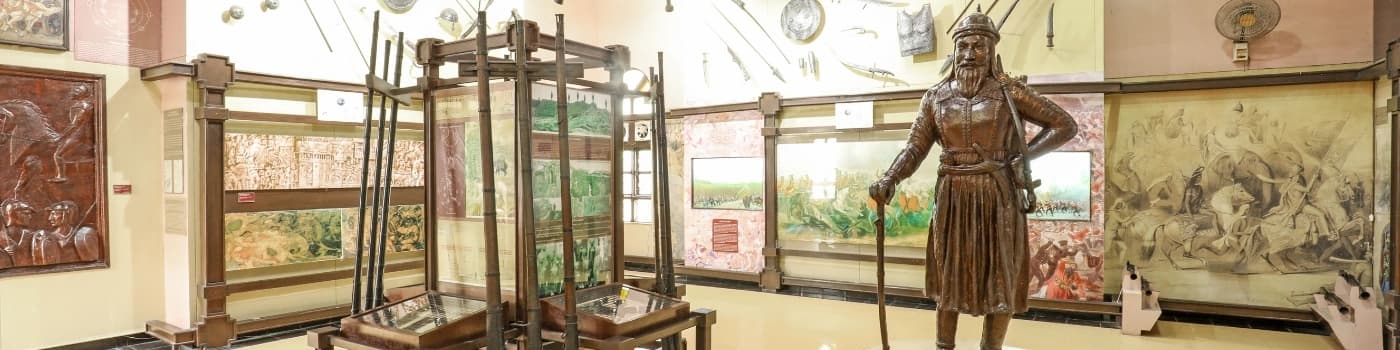
- Maharaja Ranjit Singh War Museum: Located along the Grand Trunk Road, this museum honours the contributions of Indian soldiers and documents important episodes in the country’s military history. Its galleries display photographs, historical records, uniforms and other military exhibits. Outdoor displays featuring military equipment add to the experience, making it a notable destination for visitors interested in India’s armed forces and history.
- Nehru Rose Garden: Founded in 1967, Nehru Rose Garden covers around 30 acres in Ludhiana. The garden is known for its wide variety of roses, open lawns, walking trails and decorative fountains, offering a refreshing green retreat within the city. The garden also hosts an annual rose festival, bringing together flower displays and cultural activities. It is a pleasant place for a leisurely walk or a break from the busy city streets.
- Punjab Agricultural University Museum: Situated within the Punjab Agricultural University campus, this museum showcases traditional Punjabi village life and the agricultural practices that shaped the region. Its exhibits include farming implements, household objects, traditional artefacts and displays connected with rural customs and it offers a detailed information about Punjab’s agrarian traditions and the everyday life of earlier generations.
- Clock Tower: The Clock Tower, locally known as Ghanta Ghar, is one of Ludhiana’s recognisable urban landmarks. Its architecture reflects the city’s colonial-era development, while the surrounding commercial district captures the energy of its traditional markets. The nearby streets are known for textiles, garments, household goods and local shopping, making the area a useful stop for experiencing the city’s commercial life.
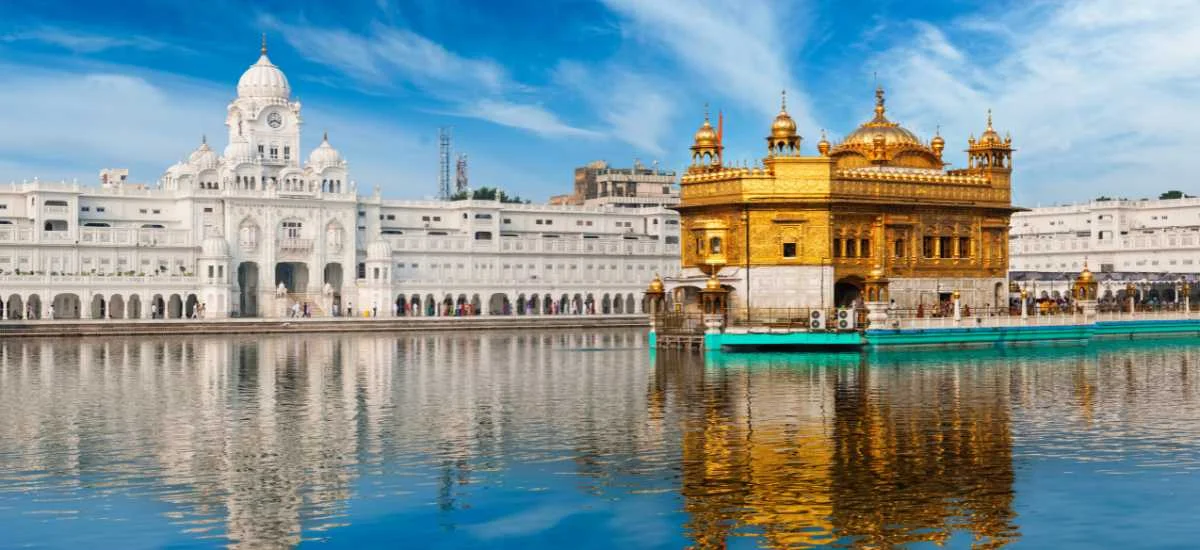
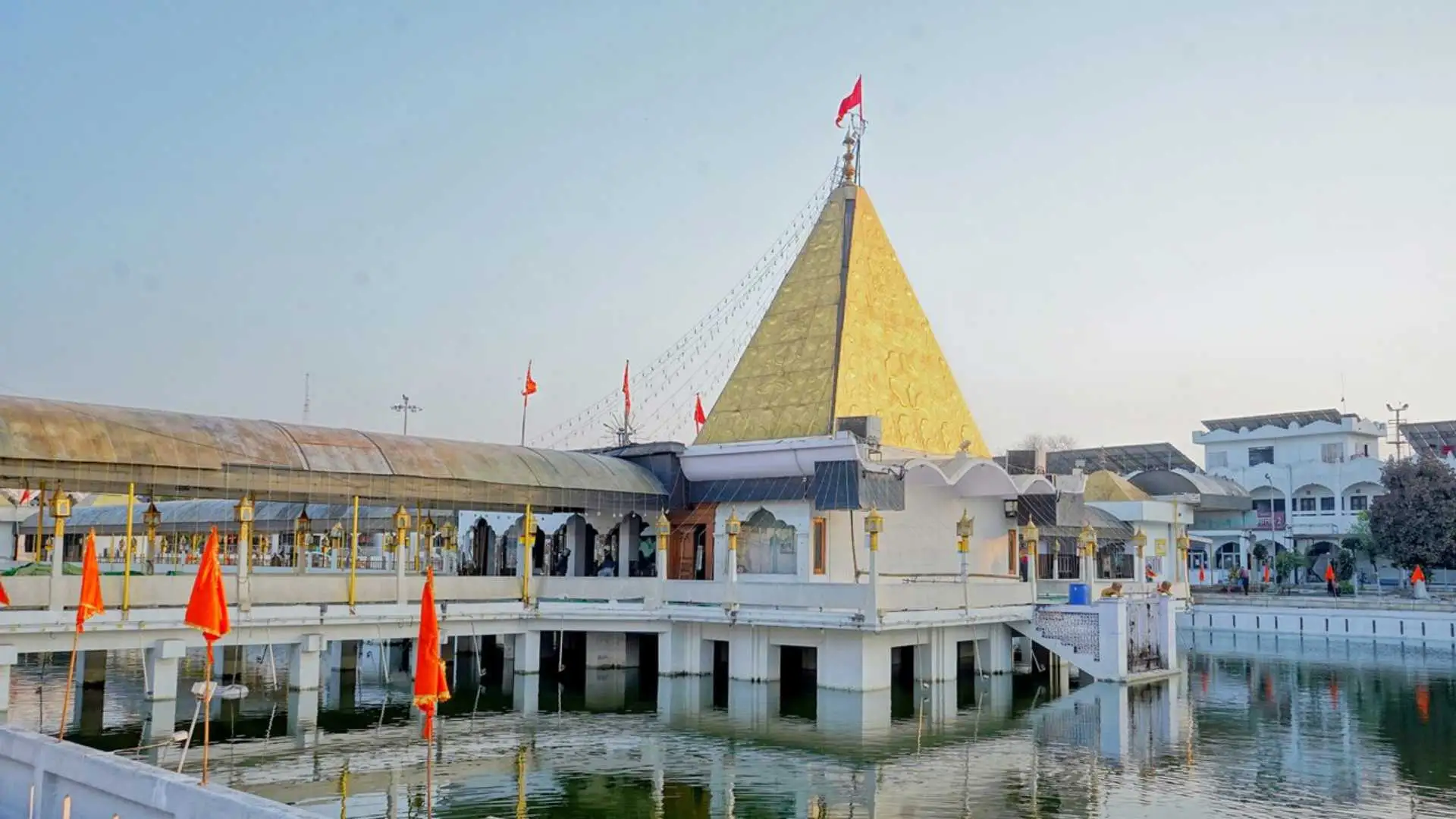
- Gurudwara Dukh Niwaran Sahib: This revered Sikh shrine is an important place of worship in Ludhiana, attracting devotees throughout the year. The gurdwara welcomes devotees for daily prayers and spiritual reflection. It also serves langar, a free community meal open to everyone, reflecting Sikhism’s values of equality, generosity and selfless service.
- Gurudwara Shri Manji Sahib, Alamgir: Located in Alamgir village near Ludhiana, this historic gurdwara is associated with Guru Gobind Singh Ji and his stay in the area. The complex is an important pilgrimage destination for Sikhs and is visited by devotees seeking to connect with the history of the tenth Sikh Guru. Its religious significance and community traditions make it a notable spiritual landmark in the district.
- Gurudwara Charan Kamal Sahib, Machhiwara: Situated in Machhiwara, this gurdwara commemorates an episode in the life of Guru Gobind Singh Ji during a difficult period following the Battle of Chamkaur. The shrine is closely connected with Sikh history and devotion, drawing pilgrims who come to pay their respects and learn about the events associated with the Guru’s journey through the region.
- Hardy’s World Amusement Park: This water park is located on the Ludhiana–Jalandhar highway which offers entertainment for families and groups. Its attractions include rides and recreational activities suited to different age groups. It provides an alternative to historical and religious sightseeing, particularly for those looking for a day of leisure and outdoor fun.
- Tiger Safari, Amaltas: Located near the Jalandhar Bypass on Ludhiana’s Grand Trunk Road, Tiger Safari is part of Ludhiana Zoo. The facility allows visitors to view Royal Bengal tigers from a designated safari vehicle, alongside opportunities to see other wildlife housed within the zoo.
- F2 Raceway: F2 Raceway is a motorsport and recreational attraction in the Ludhiana area, offering an option for visitors interested in speed and driving-based activities. Depending on the facilities and activities currently available, it can provide a change of pace from the city’s museums, gardens and religious landmarks. Confirm operating hours and activity availability in advance.
- Rural Museum and Traditional Village Displays: Ludhiana’s rural heritage can also be explored through traditional artefacts and village-life exhibits associated with the Punjab Agricultural University campus. These displays preserve examples of older household objects, agricultural tools and customs that were once part of everyday life in Punjab. They help place the region’s modern agricultural and industrial development in a wider cultural context.
Best Time to Visit Ludhiana
Ludhiana is most comfortable to explore between November and March, when the cooler weather makes sightseeing, visiting gurdwaras and exploring local markets more enjoyable. Temperatures vary considerably throughout the year, with hot summers, a rainy monsoon and chilly winter mornings.
- Summer (April to June): Temperatures climb sharply during this period, and May and June can bring intense daytime heat. Those planning outdoor visits may find mornings and evenings more manageable than the hotter hours of the day.
- Monsoon (July to September): Heavy rainfall is expected during these months, especially in July and August. The rains can make the humidity better, but it might still be difficult for sightseeing.
- Winter (November to March): This season is best suited for exploring Ludhiana’s heritage sites, gardens and religious landmarks. January can be particularly cold, with low temperatures and occasional fog, while February and March generally bring milder conditions. Carrying warm layers is advisable for early mornings and evenings.
How to Reach Ludhiana
- By Air: Ludhiana has its own airport at Sahnewal, with limited scheduled flight connectivity. Another option is Shaheed Bhagat Singh International Airport in Chandigarh, approximately 100 km away by road. From either airport, the onward journey can be completed by taxi or other road transport, depending on available services.
- By Rail: Ludhiana Junction is a major railway station on the Delhi–Amritsar route. It connects the city with several destinations across Punjab and the rest of India, including Delhi, Amritsar, Jalandhar and other major cities. Taxis and local transport are available from the station to reach different parts of Ludhiana.
- By Road: Ludhiana has road links with major cities in Punjab and neighbouring states. National Highway 44 provides an important connection towards Delhi and Jalandhar, while other highways link the city with Chandigarh and surrounding destinations. State-run and private buses operate on intercity routes, and taxis or private vehicles offer additional travel options.


 English
 Chinese (Simplified)
 Dutch
Dutch French
 German
 Hebrew
 Italian
 Portuguese (Brazil)
 Russian
 Spanish
 Arabic