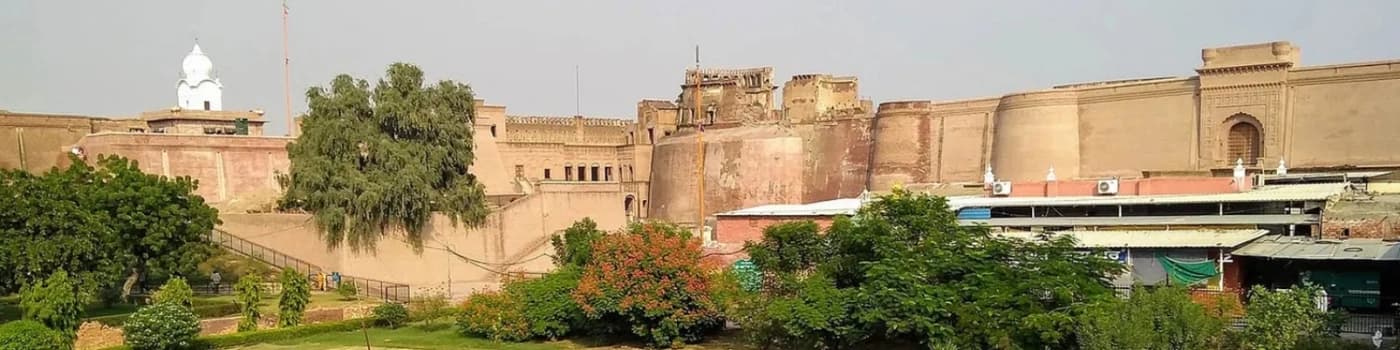
Bathinda, located in the Malwa region of Punjab, is one of the state’s oldest cities, with a history shaped by successive kingdoms, military conflicts and religious traditions. Often called the City of Lakes, it is also known for its ancient fort, significant Sikh pilgrimage sites and growing industrial importance.
The city’s historical identity is closely associated with Qila Mubarak, a centuries-old fortress that has witnessed the rise and fall of different rulers. One of the most notable episodes linked to the fort is the imprisonment of Razia Sultan, the ruler of the Delhi Sultanate, during the 13th century. Its enduring presence gives Bathinda a distinctive place in the history of northern India.
Bathinda also holds an important position in Sikh religious history. Takht Sri Damdama Sahib, situated in Talwandi Sabo within the district, is one of Sikhism’s five Takhts, or seats of temporal authority. The area is associated with Guru Gobind Singh Ji and attracts devotees throughout the year. Other temples, gurdwaras and historic religious sites reflect the region’s diverse spiritual traditions.
Beyond its heritage, Bathinda has developed into an important centre for agriculture-related trade, manufacturing and energy industries. Its markets serve the surrounding farming communities, while parks, gardens and lakes provide recreational spaces within the city. With its combination of historic architecture, religious significance and modern development, Bathinda offers a distinctive perspective on Punjab’s past and present.
Places to Visit in Bathinda
- Qila Mubarak: Located in the heart of Bathinda, Qila Mubarak is a historic fortress that has stood through centuries of political change in northern India. Built largely of brick, the fort is associated with the imprisonment of Razia Sultan, the first woman to rule the Delhi Sultanate, following her defeat in the 13th century. Its massive walls and surviving structures make it one of the city's most significant historical landmarks.
- Takht Sri Damdama Sahib: Situated in Talwandi Sabo, around 30 km from Bathinda, Takht Sri Damdama Sahib is one of the five principal seats of authority in Sikhism. Guru Gobind Singh Ji stayed in this area after the battles against Mughal forces and helped strengthen Sikh religious and literary traditions. The complex includes several gurdwaras and sacred water tanks, drawing pilgrims throughout the year, particularly during the Baisakhi celebrations.
- Maiser Khana Temple: Located on the Bathinda–Mansa road, Maiser Khana Temple is dedicated to Mata Jawala Ji. Local tradition tells of the goddess appearing as a divine flame to bless a devotee who could not travel to the famous shrine at Jwala Ji. The temple attracts large gatherings during its annual fairs, when devotees come to offer prayers and participate in religious observances.
- Bathinda Rose Garden: Spread across approximately 10 acres, the Rose Garden is a green retreat within the city, known for its collection of rose varieties and landscaped lawns. It is a popular spot for morning walks, family outings and relaxed breaks from urban activity. The garden is particularly attractive during the cooler months, when the roses are generally in bloom.
- Bir Talab Mini Zoo and Deer Safari: Located a short drive from Bathinda, Bir Talab Mini Zoo is a recreational and wildlife attraction that offers visitors a chance to see animals in a managed environment. The surrounding complex includes open spaces and facilities for family visits. Check current opening hours and the availability of the deer safari before travelling.
- Chetak Park: Situated along the Bathinda–Barnala road, Chetak Park is a recreational space with landscaped grounds and facilities for family outings. The park has been associated with boating and children’s activities, making it a choice for a relaxed outdoor visit. Visitors should confirm which activities are currently operating before planning their visit.
- Dhobi Bazaar: Dhobi Bazaar is one of Bathinda’s well-known traditional shopping areas, where busy streets are lined with clothing stores, local businesses and everyday retail outlets. It is a good place to experience the city’s commercial rhythm and browse for garments, accessories and local products. The surrounding lanes also offer opportunities to sample popular Punjabi snacks and refreshments.
- Mazaar of Peer Haji Rattan: The shrine of Peer Haji Rattan is a notable spiritual site in Bathinda, associated with local religious traditions and a history of devotion. The site is visited by people from different communities who come to pay their respects. Its presence reflects the varied religious influences that have shaped the city over time.
- Jogger’s Park: Jogger’s Park provides an open recreational area for residents and visitors looking for a quiet place to walk or exercise. Its green surroundings make it suitable for a short break from sightseeing, particularly in the early morning or evening. It is primarily a local leisure space rather than a major historical attraction.
- Bahia Fort: Bahia Fort is a heritage landmark that reflects Bathinda’s history during the era of princely rule in Punjab. Unlike the much older Qila Mubarak, it reflects a different phase of the city’s architectural and political history. The property has also been adapted for hospitality use, so access to parts of the complex may depend on its current operations.
Major Festivals of Bathinda
- Vaisakhi Mela at Takht Sri Damdama Sahib
When: Around 13–14 April
Where: Talwandi Sabo, approximately 30 km from Bathinda
Vaisakhi is an important festival in Punjab, marking the wheat harvest and commemorating the establishment of the Khalsa by Guru Gobind Singh Ji in 1699. At Takht Sri Damdama Sahib, one of Sikhism’s five principal seats of authority, the occasion draws large gatherings of devotees from Punjab and beyond. The celebrations include prayers, devotional singing, religious processions and community meals served through langar. The surrounding fair adds a festive dimension, with traditional food stalls, local merchandise and cultural activities. Vaisakhi offers an opportunity to experience the region’s Sikh heritage alongside the agricultural traditions that remain central to life in Punjab.
- Maiser Khana Mela
When: Twice a year during the Navratri period
Where: Maiser Khana Temple, around 29–30 km from Bathinda on the Bathinda–Mansa Road
The Maiser Khana Mela is a major religious gathering held at the temple dedicated to Mata Jawala Ji. According to local legend, the goddess appeared in the form of a sacred flame to bless a devotee who was unable to undertake a pilgrimage to the distant shrine of Jwala Ji. This story continues to shape the faith associated with the temple. During the fair, devotees arrive from Punjab and neighbouring states to offer prayers and participate in customary rituals. The temple grounds become especially busy during the festival, with devotional activities and arrangements for pilgrims. The gathering reflects the enduring importance of faith and community traditions in the Bathinda region.
- Bathinda Virasat Mela
When: Dates vary according to the event edition
Where: Bathinda; traditionally associated with the Jaipalgarh heritage village area
The Bathinda Virasat Mela is a cultural festival created to preserve and showcase the traditional arts and everyday heritage of Punjab. Organised by the Malwa Heritage Foundation, the event has featured recreated village settings, folk performances and displays of rural life. Depending on the programme, visitors may experience Bhangra and Giddha, folk music, traditional crafts, regional food and demonstrations of older household and agricultural practices. The festival brings attention to customs that have shaped life in the Malwa region and provides a platform for local performers and artisans. As its schedule and venue can vary between editions, current event details should be checked before planning a visit.
Best Time to Visit Bathinda
Bathinda is best explored between October and March, when the weather is generally more suitable for visiting its historic fort, religious landmarks, gardens and local markets. The city experiences very hot summers, a rainy monsoon season and cold winters.
- Summer (April to June): Temperatures rise considerably during summer, with May and June bringing particularly intense heat. Outdoor sightseeing can be uncomfortable during the afternoon, so visits are better planned for early morning or evening.
- Monsoon (July to September): Rainfall brings a change from the dry summer weather, but increased humidity and occasional heavy showers may affect outdoor activities. Checking local weather conditions before travelling is advisable.
- Winter (October to March): The cooler season is well suited to exploring Bathinda and nearby attractions such as Takht Sri Damdama Sahib. December and January can bring chilly mornings and nights, while October, November and February generally offer comfortable conditions for sightseeing. Warm clothing is recommended during the coldest weeks.
How to Reach Bathinda
- By Air: Bathinda Airport is located near Virk Kalan, approximately 25–30 km from the city centre. However, flight availability may be limited, so it is advisable to check current schedules before booking. Travellers can also consider Chandigarh or Sri Guru Ram Dass Jee International Airport in Amritsar, depending on flight connections and onward travel preferences.
- By Rail: Bathinda Junction is a major railway station in Punjab, with train services connecting the city to Delhi and several other destinations across northern India. Rail travel is a convenient option for reaching Bathinda, and taxis, auto-rickshaws and other local transport are available from the station.
- By Road: Bathinda is connected by road to major cities such as Chandigarh, Ludhiana, Patiala and Delhi. Regular bus services and taxis operate on routes linking the city with Punjab and neighbouring states. Travellers can also reach Bathinda by private vehicle using the regional highway network.


 English
 Chinese (Simplified)
 Dutch
Dutch French
 German
 Hebrew
 Italian
 Portuguese (Brazil)
 Russian
 Spanish
 Arabic