- +91 96773 55555
- Toll Free: 1800 123 2255
 English
 Chinese (Simplified)
 Dutch
Dutch French
 German
 Hebrew
 Italian
 Portuguese (Brazil)
 Russian
 Spanish
 Arabic
EnglishChinese (Simplified)DutchFrenchGermanHebrewItalianPortuguese (Brazil)RussianSpanishArabic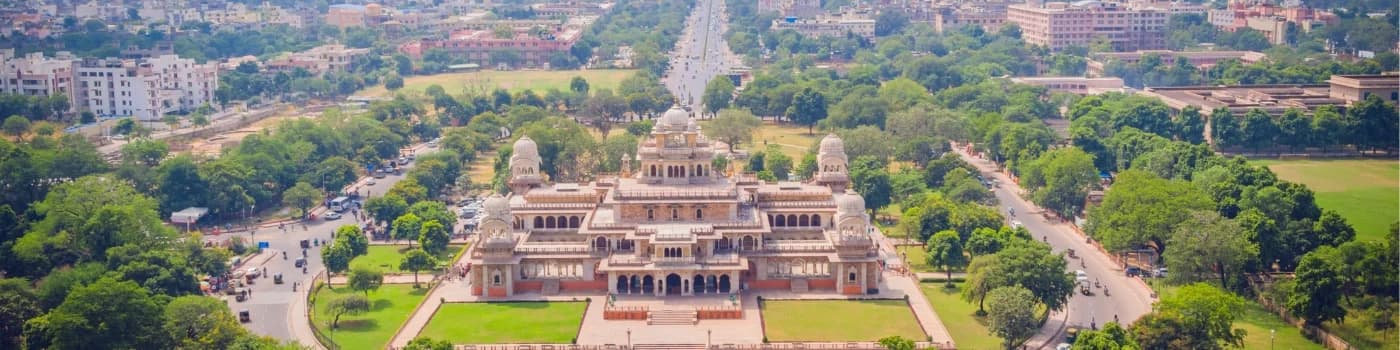
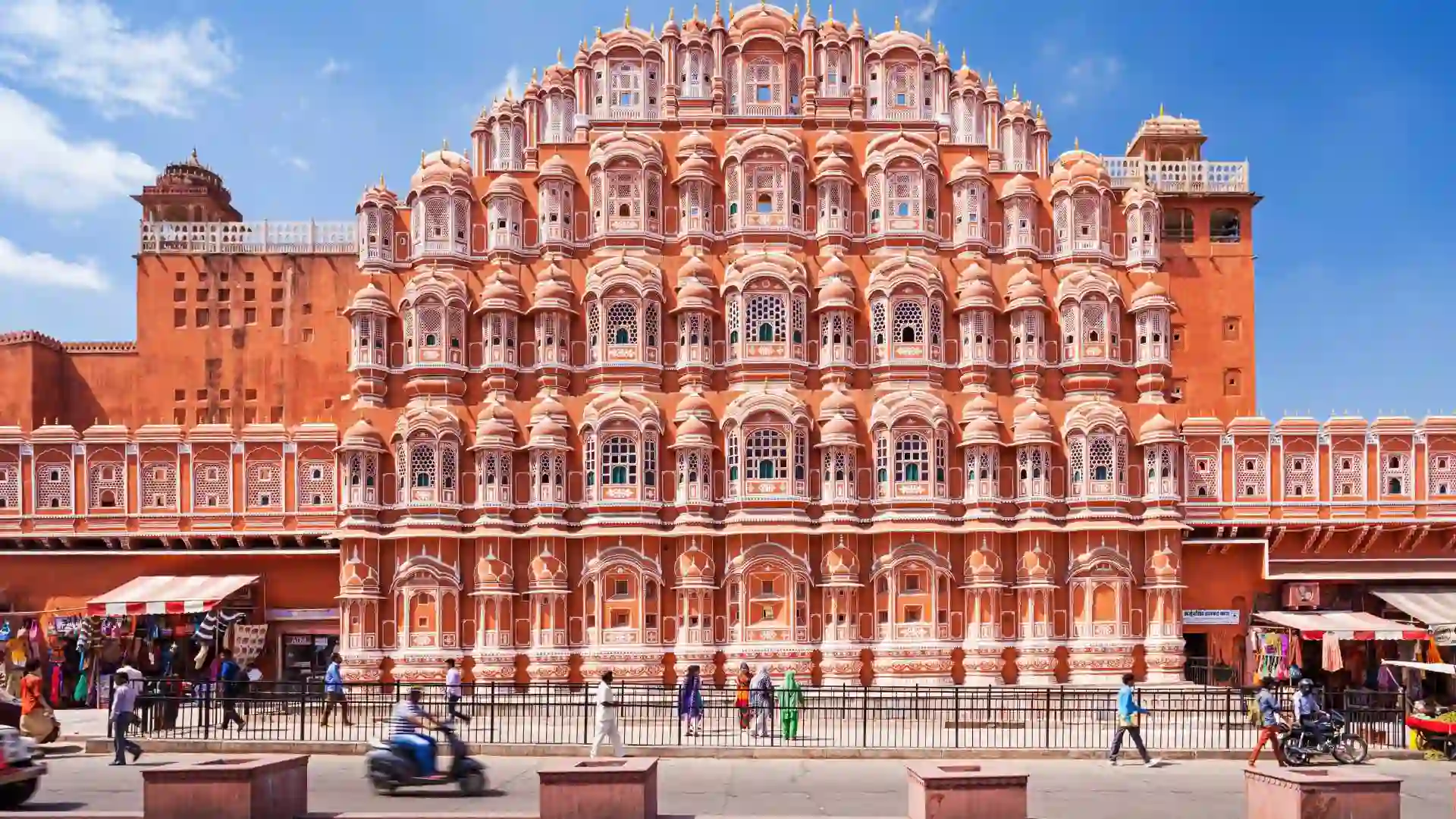
Jaipur, the Pink City of India, is Rajasthan's royal capital and India's first scientifically planned grid city, founded in 1727 by Maharaja Sawai Jai Singh II. Its iconic terracotta-pink old town, painted in 1876 to welcome Prince Albert, earned UNESCO World Heritage status in 2019. Known as the "Paris of India" for its architectural beauty, Jaipur remains a global hub for gemstone cutting, Kundan jewellery, Bandhani textiles, and blue pottery. As a key point of India's Golden Triangle alongside Delhi and Agra, it offers a timeless blend of royal heritage, vibrant bazaars, and living craft traditions.
Why Should Travellers Visit Jaipur?
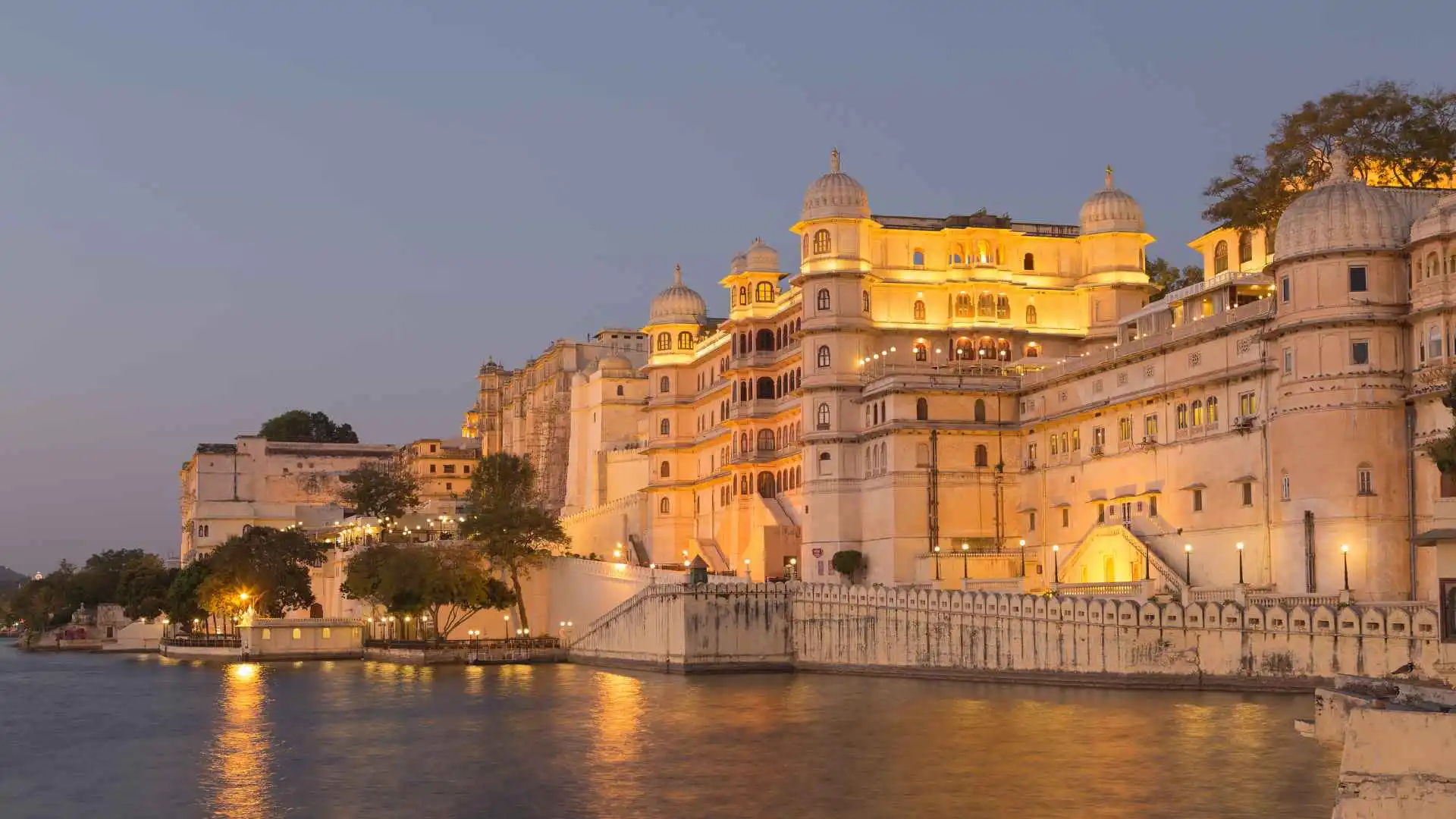
Jaipur is a must-visit destination for travellers seeking royal heritage, impressive architecture, and vibrant Rajasthani culture. You can explore majestic landmarks like Amer Fort, Hawa Mahal, and City Palace, or shop for traditional textiles, gemstone jewellery, and handicrafts in colourful local bazaars. A Full Day Jaipur Tour offers a convenient way to discover the city’s iconic attractions, while a Golden Triangle Tour connects Jaipur with Delhi and Agra for a memorable cultural journey. With romantic palaces, scenic viewpoints, and rich culinary experiences, Jaipur is also an enchanting choice for a honeymoon trip.
Major Attractions in Jaipur:
Some of the best places to visit in Jaipur and its surrounding region include:
Famous Festivals in Jaipur:
Jaipur’s vibrant festivals offer travellers a wonderful glimpse into Rajasthan’s royal heritage, colourful traditions, and cultural spirit. The Teej Festival in July–August honours Goddess Parvati with a grand Shahi Sawari royal procession, folk dances, and women in green. Gangaur Festival in March–April features colourful street processions from the City Palace. On January 14th, the Kite Festival fills rooftops with colourful kites and evening fireworks. The Elephant Festival around Holi brings painted, richly adorned elephants, polo matches, and traditional music. Finally, the world-renowned Jaipur Literature Festival, held annually in January, attracts renowned authors and book lovers worldwide, while Holi celebrations showcase the city’s lively cultural charm.
Best Time to Visit Jaipur:
The best time to visit Jaipur is from October to March, when pleasant weather makes exploring forts, palaces, and colourful markets comfortable. Winter is ideal for sightseeing and cultural events like the Jaipur Literature Festival and Kite Festival. Monsoon brings greener landscapes, while summer offers budget-friendly stays but intense heat.
Climatic Conditions Jaipur: Winter: 8°C–28°C | Summer: 25°C–45°C | Monsoon: 23°C–35°C
Things to Buy in Jaipur:
Jaipur is a shopper's paradise brimming with royal crafts and textiles. Take home exquisite Kundan and Meenakari jewellery, gemstones, Sanganeri and Bagru block-print fabrics, bandhani and leheriya sarees, and the famous Jaipuri Razai quilts. Don't miss handcrafted lac bangles, embroidered mojris and juttis, distinctive blue pottery, wooden puppets, miniature paintings, marble inlay crafts, and local delights like Ghevar and aromatic spices.
How to Reach Jaipur: