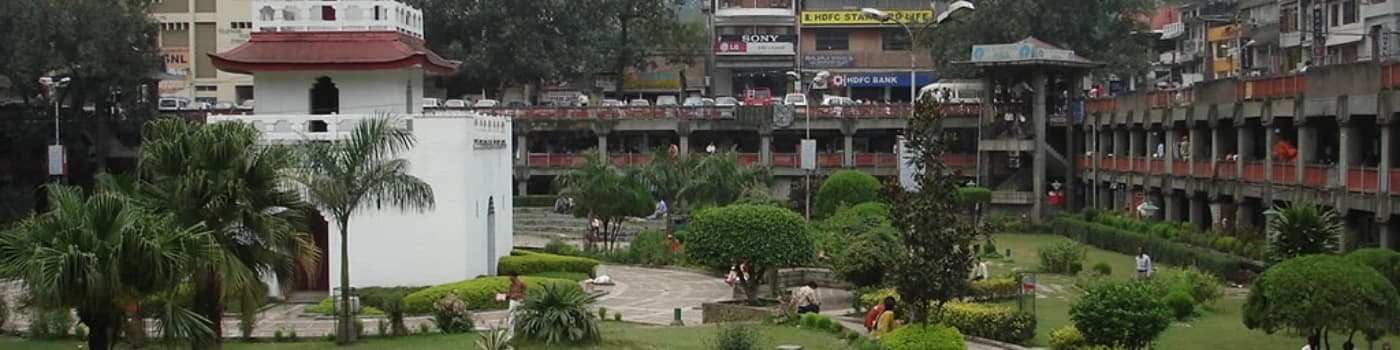
Mandi is a historic town in Himachal Pradesh, situated along the banks of the Beas River and surrounded by forested hills. Often called the “Varanasi of the Hills,” Mandi is known for its concentration of ancient temples, traditional architecture and long-standing religious customs.
The town has a rich history shaped by the former princely state of Mandi, whose rulers supported the construction of temples and other public structures. Many of these historic shrines remain active places of worship, with intricate stone carvings and distinctive architectural features. The annual Shivratri International Festival is among Mandi’s most significant cultural events, bringing together local deities, processions, music and traditional celebrations.
Mandi’s setting beside the Beas River adds to its appeal, while the surrounding region offers access to scenic valleys, forested slopes and highland villages. The nearby Rewalsar Lake is sacred to Hindus, Buddhists and Sikhs, making it an important destination for visitors interested in the spiritual diversity of Himachal Pradesh. The area also has opportunities for nature walks and excursions through the foothills.
With its temple heritage, lively religious festivals, riverside landscape and connections to the wider Himalayan region, Mandi offers a distinctive blend of history, faith and mountain culture. It provides a valuable perspective on the traditions of Himachal Pradesh beyond its better-known hill stations.
Places to Visit in Mandi
- Bhootnath Temple: Located in the heart of Mandi, Bhootnath Temple is one of the town’s oldest and most revered shrines, dedicated to Lord Shiva. Dating back to the early 16th century, the temple is closely associated with Mandi’s founding and religious traditions. Its traditional stone architecture and intricately carved entrance make it an important heritage landmark. During the International Shivratri Festival, the temple becomes a focal point for religious processions and ceremonies.
- Panchvaktra Mahadev Temple: Situated near the confluence of the Beas and Suketi rivers, Panchvaktra Mahadev Temple is renowned for its distinctive five-faced representation of Lord Shiva. The historic stone shrine features traditional Himalayan temple architecture and detailed sculptural work. Its riverside location and religious importance make it one of Mandi’s most recognised landmarks.
- Triloknath Temple: Triloknath Temple, located in the old part of Mandi, is dedicated to Lord Shiva and Goddess Parvati. The shrine is known for its traditional stone construction and the three-faced image of Shiva housed within. Its location among the town’s historic lanes adds to its character, while daily worship and festival observances preserve its role in local religious life.
- Tarna Devi Temple: Perched on Tarna Hill above Mandi, Tarna Devi Temple is dedicated to Goddess Shyama Kali. The elevated setting offers broad views across the town, the Beas valley and the surrounding hills. Visitors can reach the temple by road or by walking uphill. The shrine is particularly visited during Navratri, when devotees gather for special prayers.
- Mahamrityunjaya Temple: This historic temple in Mandi is dedicated to Lord Shiva in his Mahamrityunjaya form, associated with protection and the overcoming of suffering. Its traditional architecture and sacred atmosphere make it an important stop among the town’s many Shiva shrines. The temple is especially significant to devotees who come to offer prayers and perform rituals.
- Rewalsar Lake: Located approximately 25 km from Mandi, Rewalsar Lake is a sacred water body revered by Hindus, Buddhists and Sikhs. Temples, Buddhist monasteries and Gurdwara Shri Rewalsar Sahib stand around its shores, creating an unusual concentration of religious sites from different traditions. The lake is also associated with Guru Padmasambhava, who is believed to have travelled from this region to Tibet. Floating reed islands and a large statue of Padmasambhava overlooking the water add to the area’s distinctive character.
- Prashar Lake: Set at an altitude of approximately 2,730 metres, Prashar Lake is surrounded by mountain meadows and forests, with views towards the Dhauladhar ranges. Beside the lake stands a traditional three-storey pagoda-style temple dedicated to Sage Prashar. A small floating island moves across the lake’s surface, making it one of the area's most recognisable natural features. The site is popular for trekking, photography and camping, although winter snow and changing mountain weather can affect access.
- Victoria Bridge: Built in 1877, Victoria Bridge is a historic suspension bridge across the Beas River that connects parts of Mandi town. Its construction reflects the engineering methods used during the princely era and the town’s development as a regional centre. The bridge remains a notable landmark for its historic value and views of the river below.
- Indira Market and Ghanta Ghar: Indira Market is one of Mandi’s principal shopping areas, with shops selling clothing, household goods, handicrafts and everyday essentials. At its centre stands Ghanta Ghar, a three-storey clock tower built in 1939, which has become a familiar feature of the townscape. The nearby Subhash Garden provides a small green space, while the surrounding streets offer a chance to experience Mandi’s local food and market culture.
- Sunder Nagar and Sukhdev Vatika: Located around 26 km from Mandi, Sunder Nagar is known for its landscaped gardens and the large water body created as part of the Beas–Sutlej hydropower project. Sukhdev Vatika is a popular green space for leisurely walks and relaxation. The area’s gardens, water views and surrounding hills provide a pleasant change of pace from Mandi’s busy town centre.
- Shikari Devi Temple: Situated high in the mountains of Mandi district, Shikari Devi Temple is dedicated to a local form of the goddess and stands on a prominent mountain peak. The temple is notable for its open-roof design, leaving the sanctum exposed to the mountain elements throughout the year. The summit offers sweeping views of the surrounding ranges and forests. Reaching the temple involves a mountain journey, and visitors should check road access and weather conditions before travelling.
- Barot Valley: Barot is a scenic mountain settlement in Mandi district, set beside the Uhl River and surrounded by forested slopes. Originally developed in connection with a hydropower project, the area is now known for its riverside scenery, walking routes, trout fishing and access to nearby trekking trails. Its quieter atmosphere and natural surroundings appeal to visitors seeking time away from busy hill towns.
Major Festivals in Mandi
- Mandi Shivratri International Festival: The Mandi Shivratri International Festival is the city’s most prominent annual celebration, usually held in February or March around the Hindu festival of Shivratri. The festivities begin with religious ceremonies at Bhootnath Temple and bring together numerous local deities carried in traditional processions from surrounding villages. Cultural performances, folk music, handicraft displays and community gatherings form an important part of the week-long celebration. The festival highlights Mandi’s deep-rooted religious customs and the distinctive tradition of deity worship in Himachal Pradesh.
- Sair Festival: Celebrated in September, Sair is a traditional harvest festival observed in parts of Himachal Pradesh, including the Mandi region. The occasion marks the seasonal transition after the monsoon and is associated with prayers for prosperity, good health and a successful agricultural season. Families prepare traditional dishes, visit relatives and participate in local customs. In rural communities, the festival retains a strong connection with farming life and the changing seasons.
- Dussehra: Dussehra is observed in Mandi with prayers, temple visits and community celebrations marking the victory of good over evil. While the grand Kullu Dussehra is the best-known celebration in the wider region, Mandi also observes the occasion through local religious traditions and cultural activities. The festival generally falls in September or October, depending on the Hindu lunar calendar.
- Diwali: Diwali, the festival of lights, is celebrated across Mandi with homes and shops illuminated by lamps and decorative lights. Families offer prayers, exchange sweets and gather for festive meals. Temples become focal points for worship, while local markets take on a lively atmosphere in the days leading up to the festival. The celebration usually takes place in October or November.
- Mahashivratri: Mahashivratri holds particular importance in Mandi, a town renowned for its numerous Shiva temples. Devotees visit shrines such as Bhootnath Temple and Panchvaktra Mahadev Temple to offer prayers and participate in religious observances. Fasting, night-long worship and special temple rituals mark the occasion. Mahashivratri also serves as the spiritual centrepiece of Mandi’s larger Shivratri festival celebrations.
Best Time to Visit Mandi
Mandi can be visited throughout the year, but the most comfortable period is generally from March to June and September to November. These months are suitable for exploring the town’s historic temples, enjoying its riverside surroundings and taking excursions to nearby destinations such as Rewalsar Lake. The ideal time also depends on whether you prefer pleasant weather, lush monsoon landscapes or the colder mountain atmosphere of winter.
- Summer (March to June): Summer brings mild to warm weather, making it a good season for sightseeing and exploring Mandi’s temples, markets and nearby natural attractions. Days are generally comfortable in early summer, although temperatures can rise in May and June. This is also a suitable period for visiting higher-altitude destinations such as Prashar Lake, subject to local weather and road conditions.
- Monsoon (July to September): The monsoon transforms the surrounding hills into a lush green landscape, and the Beas River and nearby valleys become particularly scenic. However, Mandi receives substantial rainfall, which can cause landslides, road closures and travel delays.
- Autumn (October to November): Autumn is one of the pleasant periods to explore Mandi, with generally clearer skies and comfortable temperatures. The season is suitable for temple visits, sightseeing and excursions to Rewalsar Lake and other nearby attractions. The changing landscape and reduced monsoon rainfall can also make road journeys more convenient.
- Winter (December to February): Winter brings cold mornings and evenings, with temperatures dropping further in the surrounding hills. The season is particularly appealing to visitors interested in Mandi’s religious traditions, especially those planning to attend the Shivratri International Festival, usually held in February or March. Higher-altitude destinations may experience snowfall or difficult access, so checking conditions before travelling is advisable.
How to Reach Mandi
Mandi is well connected by road to major towns and cities across Himachal Pradesh and neighbouring states. Although the town does not have its own commercial airport or railway station, travellers can reach it through nearby transport hubs and continue by road.
- By Air: The nearest airport is Kullu-Manali Airport at Bhuntar, approximately 60–70 km from Mandi. Flight services are limited and may be affected by weather conditions. Chandigarh International Airport, around 190–200 km away, is another option with a wider range of flight connections. Taxis and buses can be used for the onward journey to Mandi.
- By Rail: Mandi does not have a railway station. The nearest broad-gauge railheads include Kiratpur Sahib and Chandigarh, from where travellers can continue by road. The narrow-gauge Kalka–Shimla railway is another option for those wishing to experience a scenic mountain train journey, although it is not the most direct route to Mandi.
- By Road: Road travel is the most practical way to reach Mandi. The town lies on National Highway 3 and is connected to destinations such as Chandigarh, Shimla, Kullu and Manali. Regular buses operated by Himachal Road Transport Corporation and private operators link Mandi with several towns in Himachal Pradesh and northern India. Taxis and private vehicles are also available for a more flexible journey through the mountain roads.


 English
 Chinese (Simplified)
 Dutch
Dutch French
 German
 Hebrew
 Italian
 Portuguese (Brazil)
 Russian
 Spanish
 Arabic