
- +91 96773 55555
- Toll Free: 1800 123 2255
 English
 Chinese (Simplified)
 Dutch
Dutch French
 German
 Hebrew
 Italian
 Portuguese (Brazil)
 Russian
 Spanish
EnglishChinese (Simplified)DutchFrenchGermanHebrewItalianPortuguese (Brazil)RussianSpanish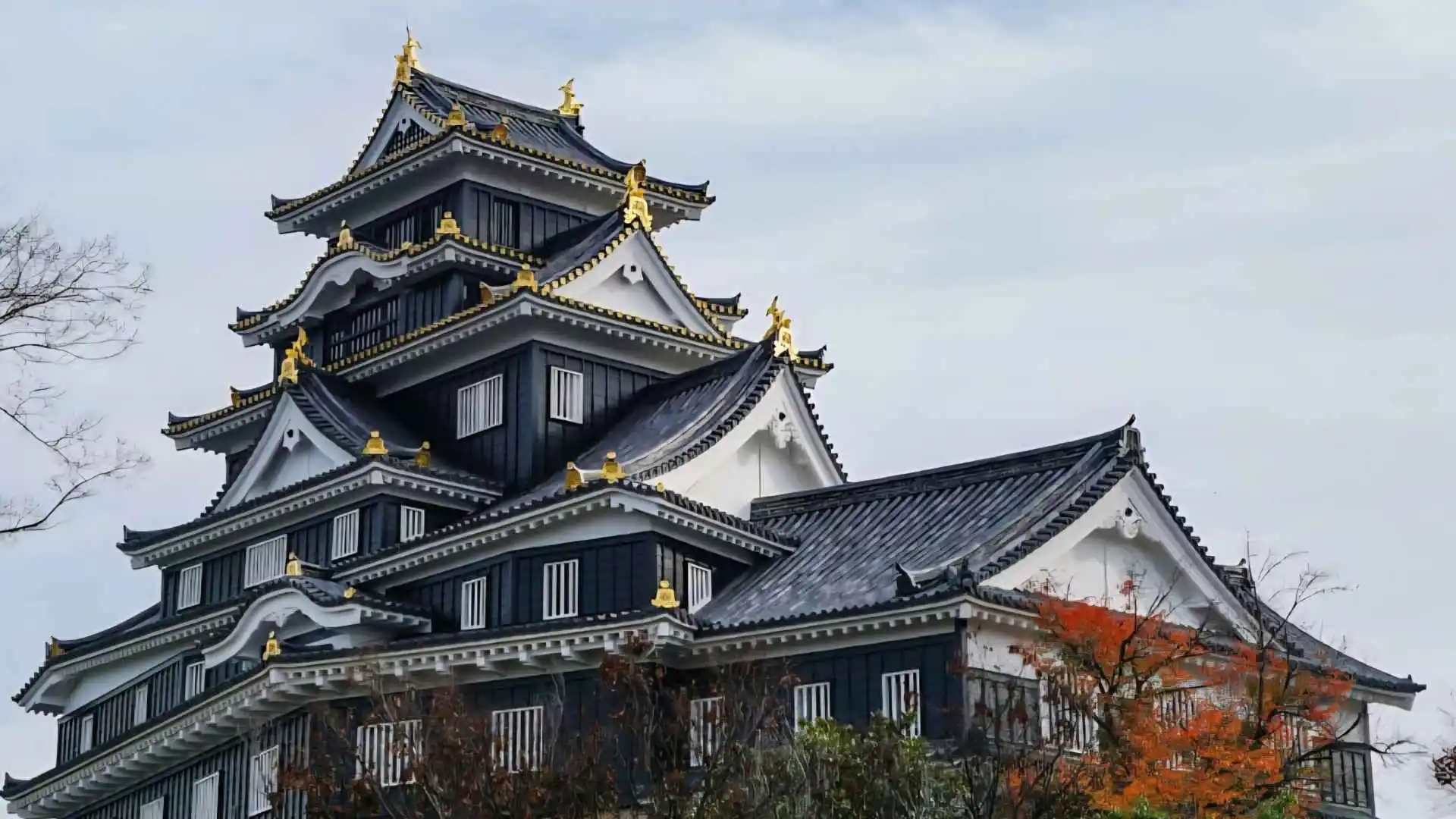
 3N Tokyo 2N Hakone 1N Takayama 3N Kyoto 2N Hiroshima
 Flights
  Breakfast
  Hotel
Hotel  Sightseeing
  Transfers
  Wi-Fi
Wi-Fi The 12-day Japanese Cultural Immersion Tour package takes you on a heritage tour across the nation, where you can experience vibrant arts, stunning landscapes, and majestic monuments across Tokyo, Hakone, Takayama, Kyoto, and Hiroshima.
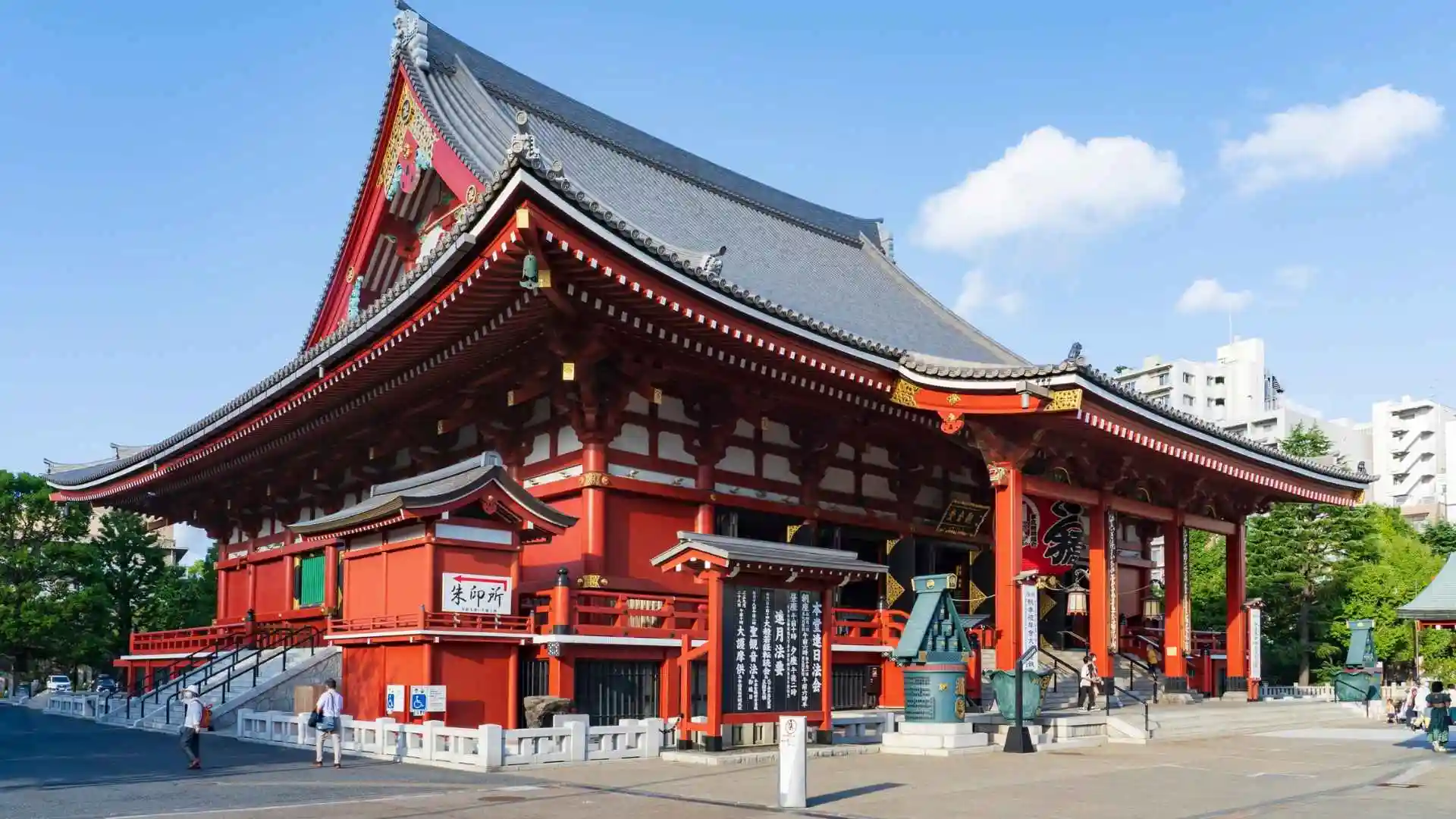
The tour begins in Tokyo, the capital city of Japan, which houses various cultural, spiritual, and historic sites for you to explore. In Tokyo, you can visit the Tokyo National Museum, Imperial Palace East Garden, Senso-ji Temple, and Edo-Tokyo Museum, among others.
The 11-night tour also takes you to Hakone and Takayama, which feature the Open-Air Museum, Shrines, and scenic sites. You can also visit the city of Kyoto, the ancient city, which is renowned for its historic temples and shrines.
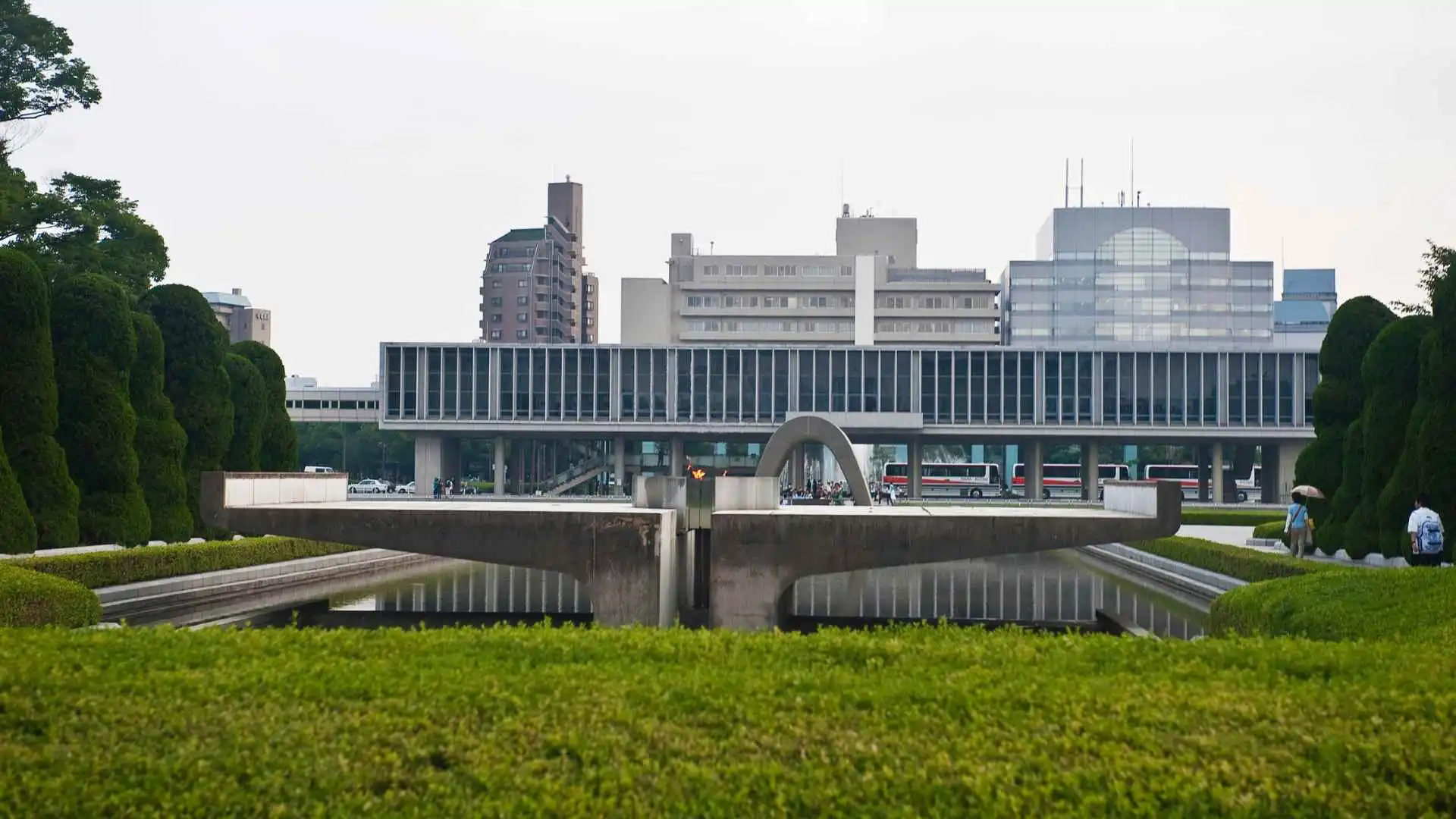
The 12-day and 11-night cultural tour of Japan ends at Hiroshima, which acts as the global symbol of peace and a world heritage site. In Hiroshima, you can visit the Atomic Bomb Dome, along with Hiroshima Castle, Shukkei-en Garden, and Itsukushima Shrine.
The Japanese Culture Immersion Tour package takes you on a culturally rich and mesmerising tour to Japan's key tourist destinations, which include Tokyo, Hakone, Takayama, Kyoto, and Hiroshima.
Overnight Stay- Tokyo
On the third day in Tokyo, you can explore the culinary route of the nation, along with participating in traditional experiences. On the third day, you can watch the traditional Sumo Wrestling tournament at the Sumo Museum and participate in Kimono wearing and sushi making workshops in the city.
In Tokyo, you can feast on some of the authentic and delicious dishes, like Ramen, Sushi, Sashimi, Yakitori, Tonkatsu, and Tempura, among others.
Overnight Stay- Tokyo
You can enjoy local sightseeing on the second day in Hakone by visiting the iconic Hakone Shrine, which is also known as Hakone Jinja. Famous for its Peace Torri gate, which rises from Lake Ashi, the shrine is dedicated to the nine-headed dragon deity of the lake.
You can also explore the Choanji Temple, which features a beautiful garden with various rakan statues. In Hakone, you can also experience the traditional Tea Ceremonies, which display the authentic Japanese tea culture.
Overnight Stay- HakoneFrom Hakone, you can move towards Takayama, which is situated about 320 kilometres away, and takes roughly 5 hours to reach. Takayama is among the most peaceful and serene cities in Japan, which preserves the essence of the Edo era.
In Takayama, you can explore Sanmachi Suji, the Edo-era street, which features traditional wooden houses, artisan shops, and sake breweries. You can also visit the Takayama Festival Floats Exhibition Hall, which houses the magnificent floats, which are used during the renowned Takayama Spring and Autumn Festival.
Overnight Stay- Takayama
On the seventh day of the tour, you can move to Kyoto from Takayama, which is about 263 kilometres away, and takes roughly 3.5 hours to reach. In Kyoto, you can visit the Fushimi Inari Taisha, which features endless tunnels and majestic red torii gates that lead up to a mountain.
In Kyoto, you can also visit the Ryoan-ji Temple, which is home to the globally renowned Zen rock garden. You can also explore the Gion District of the city, which boasts traditional wooden machiya houses and beautiful treehouses.
Overnight Stay- Kyoto
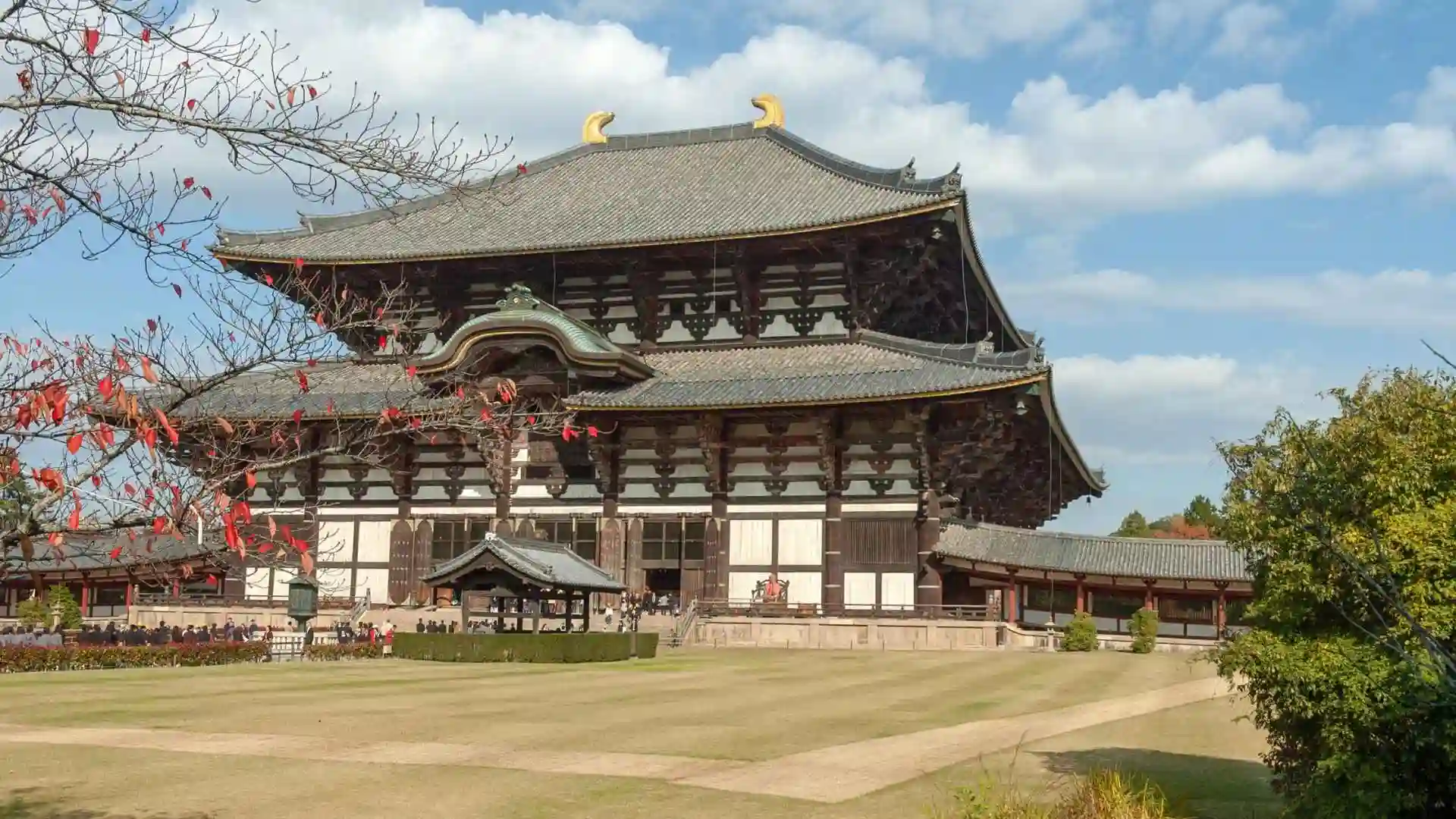
On the second day, you can take a day trip to visit Nara, which is situated about 55 kilometres away, and takes roughly 1 hour to reach. In Nara, you can visit the UNESCO World Heritage Site, Todai-ji Temple, which features a majestic wooden structure, along with a massive bronze Great Buddha statue.
From the temple, you can also visit the Nara temple, which is renowned for its large population of deer. Nara also houses the Nara National Museum, which displays the stunning and unique Buddhist art.
After visiting Nara, you can travel back to Kyoto for a peaceful and comfortable night's sleep.
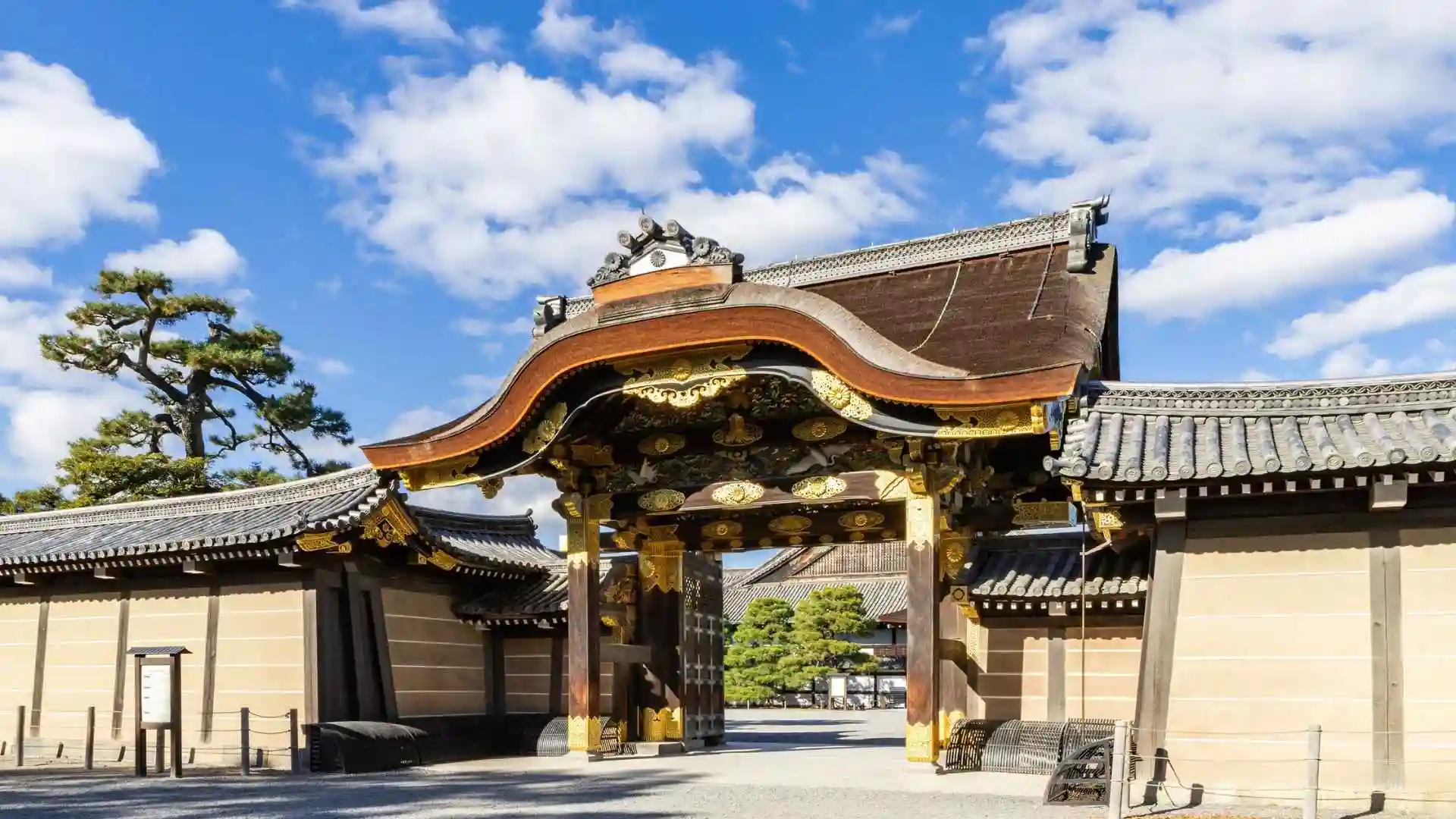
Overnight Stay- KyotoOn the third day in Kyoto, you can explore the stunning Nijo Castle, a majestic samurai castle that displays the opulence of the Edo era, and mesmerising architecture with intricate carvings and serene gardens.
You can also visit the Philosopher's Path, a stunning stone path, which is situated along a canal and is lined with cherry trees offering a scenic view.
Overnight Stay- KyotoOvernight Stay- Hiroshima
On the second day in Hiroshima, you can visit various traditional and spiritual sites in the city, like the renowned Itsukushima Shrine, which is also known as Miyajima. The shrine, renowned for its 'floating' red torii gate, displays a vast history.
You can also explore the iconic Hiroshima Castle, or Carp Castle, which offers you deep insight into the history of the samurai culture of the nation. The castle also offers stunning panoramic views.
Overnight Stay- Hiroshima
On the third and final day in Hiroshima, you can explore various cultural and scenic sites. You can visit the Yamato Museum, which explores the naval history of Japan and houses the massive and majestic battleship Yamato.
You can also explore the Hiroshima Museum of Art, which displays a vast collection of stunning European and Japanese art.
Departing From Hiroshima
