- +91 96773 55555
- Toll Free: 1800 123 2255
 English
 Chinese (Simplified)
 Dutch
Dutch French
 German
 Hebrew
 Italian
 Portuguese (Brazil)
 Russian
 Spanish
 Arabic
EnglishChinese (Simplified)DutchFrenchGermanHebrewItalianPortuguese (Brazil)RussianSpanishArabicAs the evening sets over the Naga Hills, the bells of the temples at Silghat begin to chime softly as the sound of flowing water against wooden vessels rises.
Situated on the south bank of the Brahmaputra in Nagaon district, Silghat is far more than a point of transit—it is a living historical corridor linking the plains of central Assam to the sacred wild heartlands beyond.
“Here, life moves slowly and steadily, perfectly attuned to the rhythm of the river.”
Silghat serves as an entry point for those seeking spiritual peace as well as nature in Assam. Before there were highways linking Assam, this riverside port acted as the sentinel lookout and a major trading hub in the Ahom Kingdom. Guards watched over these waters to defend the valley from invasions, while the traders offloaded their cargo at Silghat destined for the tea gardens.
The river served as an essential route during the colonial period when Silghat became the most significant steamship landing where jute, tea, and people passed through. Currently, the old jetty holds on to its serenity even as the new bridges transport traffic on the highway.
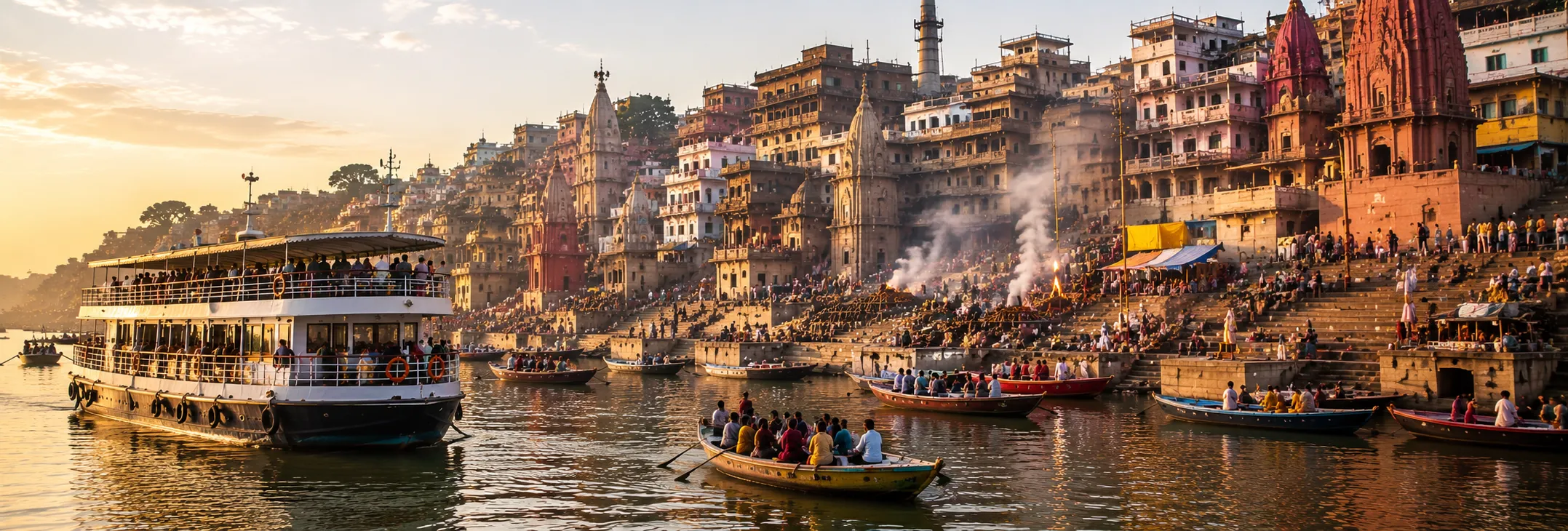
Fishermen cast their large, handmade nets beneath the golden evening sun. At the same time, the riverboats slowly move towards the northern side of the river, filled with storytellers, pilgrims, and people who have depended on the river for years.
Silghat is home to the historic Kamakhya Temple of Silghat (also known as the Mahamaya Temple), built during the Ahom reign, where devotees gather every year during Ashok Ashtami to perform sacred river dips along the ghats.
The rituals, sights and quiet corners that make this ghat unforgettable.
The sacred chants flow along with the waters, as the evening bells start tolling.
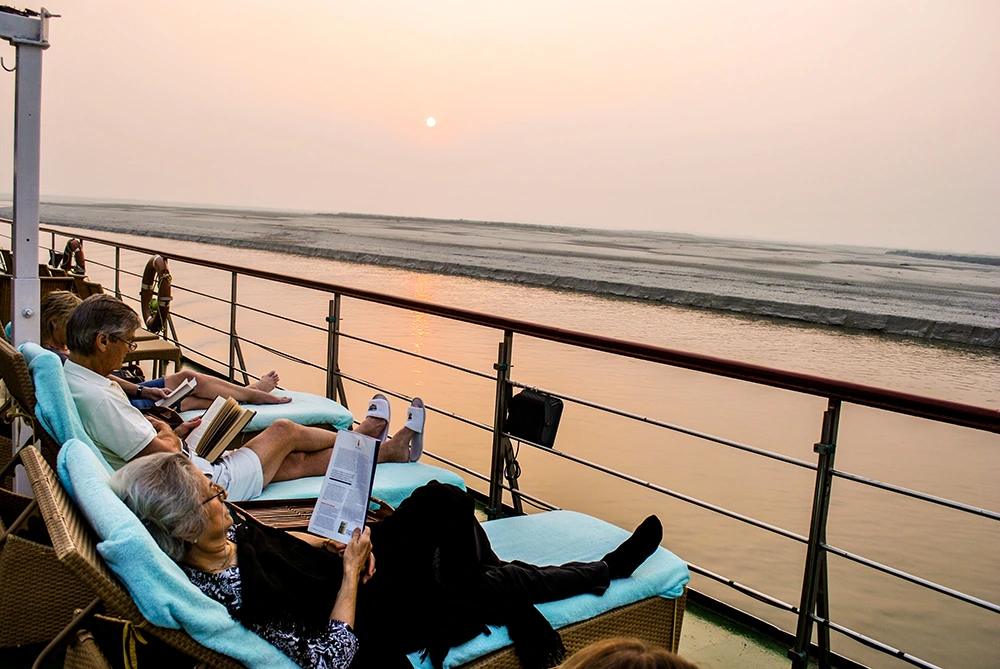
Golden hues paint the waters, casting an evening spell across the river.
A historical riverside, directly connected to our ancient origins and wild boundaries.
Experience the magical touch of the Brahmaputra River with a private tour from Silghat by the local experts of the river