
- +91 96773 55555
- Toll Free: 1800 123 2255
 English
 Chinese (Simplified)
 Dutch
Dutch French
 German
 Hebrew
 Italian
 Portuguese (Brazil)
 Russian
 Spanish
 Arabic
EnglishChinese (Simplified)DutchFrenchGermanHebrewItalianPortuguese (Brazil)RussianSpanishArabic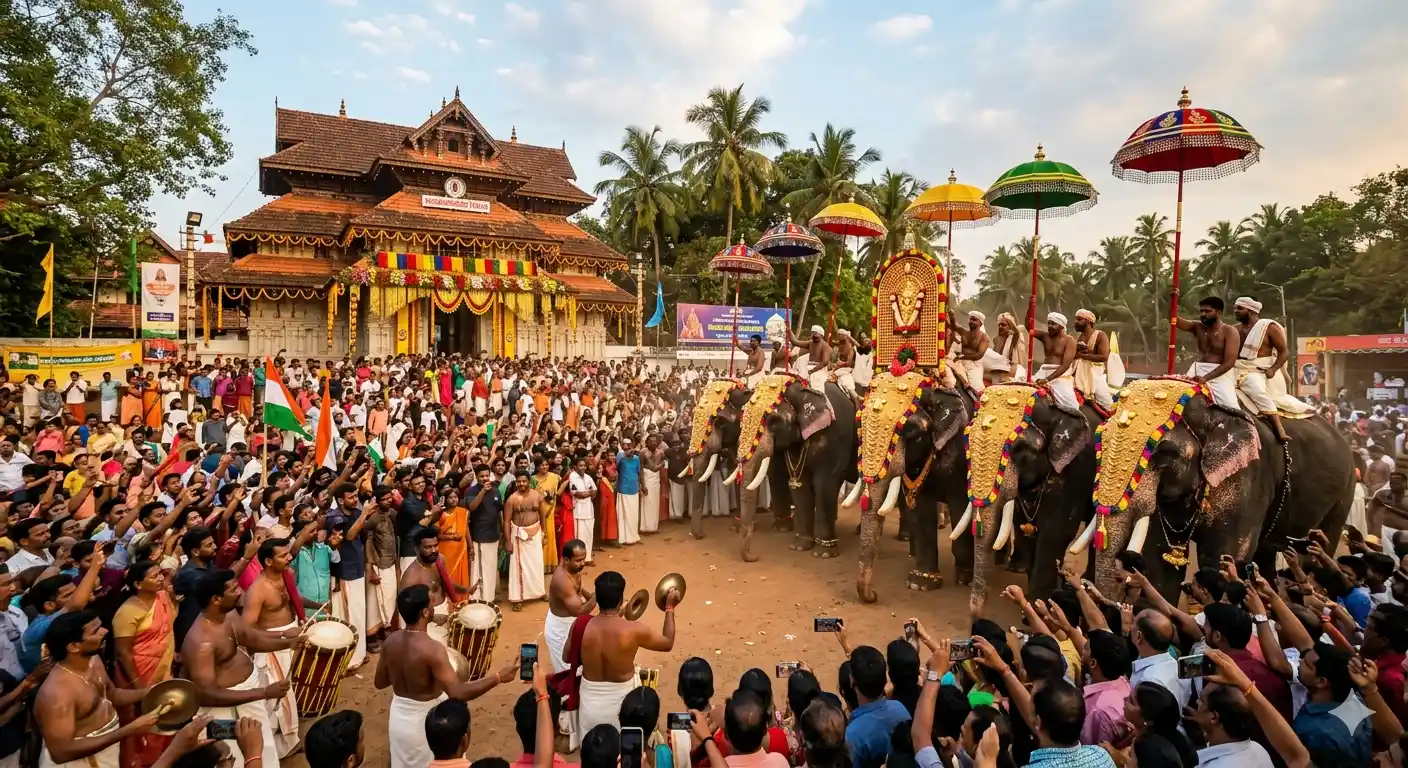
We are pleased to write to you at the beginning of this auspicious new financial year.
While the current global situation has posed certain challenges, we remain positive and hopeful that normalcy will soon return, peace will prevail, and tourism will regain its momentum.
We are glad to share that our Women E-Auto initiative is now successfully operational in Madurai, reflecting our continued commitment to women’s empowerment and inclusive tourism. The response from clients has been very positive, which is both encouraging and motivating. We sincerely request your support in promoting this initiative by including it as an activity in your itineraries, as we believe it adds meaningful value to the overall travel experience.
We are also in the process of identifying and training women captains (drivers), primarily graduates, for tour operations. They will take on the role of Chauffeur-cum-Tour Managers, ensuring both safety and enhanced guest engagement. We will share a detailed update on this shortly.
As you may be aware, Kerala Travel Mart (KTM) will be held from 24th to 27th September in Kochi. Registration is now open at www.keralatravelmart.org, and you may refer Cholan Tours while registering. If you need any further clarification, you may please write to us.
Please also note that renovations of Madurai Meenakshi Temple have been completed. The much-awaited consecration ceremony (Kumbhabhishekam) is scheduled to be held on 17th September 2026 in a grand manner. This event is expected to attract lakhs of devotees from across South India. Scaffolding on the temple towers will be removed, allowing clients to photograph the beautifully renovated, colourful, and vibrant structures and admire their architectural splendour. We will keep posting updates in this regard as and when we have the details.
As we enter the summer season, we are happy to share curated destination insights from South India, including key festival highlights. Festivals in this region are deeply rooted in culture and traditions, offering unique and enriching experiences for travellers. We have compiled details of major festivals across South India for your reference.
We hope this guide will support you in promoting South India to your guests, showcasing its vibrant colours and rich cultural heritage. Please find the details below.
Kindly note: Festival dates are tentative and subject to confirmation. We will update you with exact dates closer to the time. In the meantime, should you require any further information, please feel free to write to us. We will be happy to assist.
Tamilnadu
Disclaimer: In Tamil Nadu, festival dates are decided based on the moon calendar and the local traditions and customs. The festival dates given here are based on these. But there can be changes in the dates according to the customs and rituals associated with each place of worship. As such, these should be considered only approximate dates and must be confirmed with the local authorities. If you are looking for specific festival dates, please write to us. We shall reconfirm the same closer to the festival day.
Panguni Uthiram: 1st April 2026
Venue: Tiruparankundram, Madurai
In Tiruparankundram, Lord Murugan’s celestial wedding happens every year during March–April. On this day, God Sundrasewar and Goddess Meenakshi (Parents of Lord Murugan) visit Tiruparankundram to host the wedding of Lord Murugan with Devainai. Hence, Meenakshi Amman Temple remains closed on this day.
Unique Traditions:
Thousands of devotees perform Kavadi Aattam, carrying decorated bamboo poles, or Paalkudam (milk pots), as acts of penance and gratitude. Devotees often observe a strict fast to seek blessings for marital harmony or to find a suitable life partner. The deities are taken on daily processions using various gold and silver vehicles like the Golden Peacock, Golden Horse, and Silver Goat.
Madurai Chithirai Festival 2026: 19th April to 4th May 2026
Venue: Meenakshi Temple, Madurai
The Madurai Chithirai Festival is a month-long celebration uniting Shaivism and Vaishnavism, featuring the celestial wedding of Goddess Meenakshi and Lord Sundareswarar, followed by Lord Kallazhagar's historic procession from Alagar Hills to the Vaigai River. The festival re-enacts a 700-year-old tradition. The city of Madurai becomes a bustling centre of devotion, bringing together varied culinary, artistic, and traditional practices.
Key Events Schedule:
19th April 2026. The festival will commence with the flag-hoisting ceremony. Goddess Meenakshi will be taken in a procession in a lion-faced palanquin through the Masi streets of Madurai
26th April 2026. Meenakshi Pattabhishekam – Coronation ceremony of Goddess Meenakshi
28th April 2026: Meenakshi Thirukalyanam / Celestial wedding of Meenakshi and Sundareswarar
29th April 2026: Ther Thiruvizha / Grand chariot procession through Madurai’s streets
1st May 2026: Kallazhagar’s entry into the Vaigai River
Ooty Flower Show: Mid May 2026
Venue: Government Botanical Garden, Ooty
The 128th Ooty Flower Show in 2026 is expected to be held in mid-May at the Government Botanical Garden in Udhagamandalam. This flagship event of the Nilgiris Summer Festival features thousands of blooming flowers, rare plants, and artistic floral arrangements, typically attracting over 20 lakh visitors. The flower show is a highlight of the month-long summer celebration in the Nilgiris district. It's an excellent opportunity to witness a spectacular display of flowers, with over 150 types and 52 varieties. Approximately 10,000 flowerpots are artistically placed to create a vibrant spectacle. It is organized in the Government Botanical Garden of Ooty. The show's highlights include flower arrangements, flower rangoli, vegetable sculptures, bonsai, and cut flower shops with a wide variety of blossoms. The event is part of a larger Summer Festival featuring a Rose Show and Fruit Show.
Kodaikanal Flower Show: around May 15th–25th 2026
Venue: Bryant Park, Kodaikanal
The 63rd Annual Kodaikanal Flower Show is tentatively scheduled for mid-May 2026 (around May 15th–25th) at Bryant Park, serving as the highlight of the annual summer festival (Kodai Vizha). This popular event features elaborate flower structures, vegetable carvings, and cultural activities. The flower exhibition, a festival highlight, takes place in the middle of Kodaikanal at Bryant Park. Beautiful floral displays showcase the creativity and talent of local horticulturists. The flower exhibit showcases a wide range of flowers, including towering gladioli, tiny pansies, fragrant roses, spicy marigolds, and many other local and exotic blooms. The Summer Kodai festival also has vegetable sculptures, Rangoli competitions, cultural activities, food vendors, and boat races on Kodai Lake. The Summer Kodai festival provides an excellent opportunity to experience the beauty and culture of Kodaikanal. Evening performances featuring traditional folk dances like Bharatanatyam, Silambam, and Mayilattam.
Brahmotsavam & Chariot festival: 25th May 2026 - 6 June 2026
Venue: Varadaraja Perumal Temple, Kanchipuram
Brahmotsavam is the most significant annual festival of Kanchipuram, celebrated over ten days at the Varadaraja Perumal Temple in honour of Lord Varadaraja.
Spiritual Significance
Believed to have been initiated by Lord Brahma, this festival holds deep religious importance and attracts large numbers of devotees.
Processions & Key Highlights
The festival features daily processions of the deities through the temple streets, allowing devotees to receive blessings. Garudotsavam is a major highlight, drawing significant crowds.
Chariot Festival
The grand Temple Car Festival on the ninth day is a key attraction, where devotees pull the chariot in a display of collective devotion.
Cultural Experience
Brahmotsavam offers a rich blend of ritual, tradition, and community celebration—making it a valuable cultural experience for visitors.
Villianur Temple Car Festival - 28th May 2026
Venue: Sri Gokilambal Thirukameswarar Temple, Villianur, Pondicherry
It is a significant annual event held at the Sri Gokilambal Thirukameswarar Temple in Villianur, near Pondicherry, attracting devotees and visitors alike.
Grand Chariot Procession
The highlight of the festival is the magnificent temple chariot, beautifully adorned with flowers and intricate carvings, which is pulled through the streets by devotees in a vibrant procession.
Cultural Significance
This festival is a powerful expression of faith, community participation, and Pondicherry’s rich cultural heritage, offering a memorable experience for visitors.
Aani Thirumanjanam Festival: 13 to 22 June 2026
Venue: Chidambaram Natarajar Temple, Chidambaram
It is one of the most important festivals celebrated at the Chidambaram Nataraja Temple. It is a grand occasion that marks the sacred abhishekam (holy bath) of the revered Nataraja idol, commemorating the cosmic dance of Lord Shiva. The festival is held in the Tamil month of Aani (June-July), coinciding with the summer solstice. It is believed to hold immense spiritual significance, symbolising the purification of the soul and the renewal of life. Aani Thirumanjanam is a week-long festival, with the main rituals and abhishekam taking place on the full moon day of Aani. The festivities commence with flag hoisting and special prayers. The temple complex is adorned with vibrant decorations, and an air of devotion fills the atmosphere. On the day of the abhishekam, the Nataraja idol is ceremoniously taken out of the sanctum sanctorum and placed on a special platform in the temple courtyard. Devotees gather in large numbers to witness the sacred ritual. The abhishekam, is believed to cleanse the idol and bestow blessings upon devotees. The abhishekam is performed by a team of priests, following strict Vedic chants and procedures. The idol is bathed in various sacred liquids, including milk, curd, honey, panchamrita (a mixture of five nectars), and herbal concoctions. The priests also adorn the idol with sandalwood paste, flowers, and ornaments. Devotees eagerly catch the holy water dripping from the idol, believing it to possess immense purifying and healing powers.
Key HIghlight
The highlight of the festival is the Therottam (chariot festival), where the imposing chariot carrying the idol of Nataraja is paraded through the streets of Chidambaram. Thousands of devotees throng the streets to witness this spectacle, creating an atmosphere of fervor and devotion
Festival date: 13th to 22nd June 2026, Main attraction Chariot Festival – 21st June 26 & Aani Uthiram Darshan & Abhishekam – 22nd June 26)
Bastille Day (National Day of France): 14th July
Venue: Pondicherry
It is celebrated annually on July 14, commemorating the Storming of the Bastille in 1789, a pivotal event in the French Revolution symbolising liberty, equality, and fraternity. Situated along the Coromandel Coast, Pondicherry was once the hub of French trade and activities in southern India and Asia. As a significant former French colony in India, this day holds special significance for Pondicherry and is observed with great fervour, reflecting the enduring cultural ties between France and India. Bastille Day is also referred to as the ‘National Day of France’.
Key Aspects:
On the eve of Bastille Day, retired soldiers participate in parades, joining in the celebration with both the Indian and French National Anthems. On the day itself, uniformed soldiers march through the streets to honour the French soldiers who lost their lives in battle. Both the French and Indian flags are seen flying together, symbolising the blend of cultures and heritages. A dazzling fireworks display is held on the night of July 14th on the seafront near the French Consulate, attracting large crowds to the Beach Promenade.
Aani Thirumanjanam Festival: June-July 2026
Venue: Chidambaram Natarajar temple, Chidambaram
Aani Thirumanjanam is one of the most prominent festivals celebrated at the Chidambaram Nataraja Temple, marking the sacred abhishekam of Lord Nataraja and symbolising Lord Shiva’s cosmic dance. It is one of the most prominent celebrations held at the Chidambaram Nataraja Temple. It is a magnificent ceremony that commemorates the sacred abhishekam (holy bath) of the famed Nataraja idol and Lord Shiva's cosmic dance. ural Festivities
Spiritual Significance
It is thought to have profound spiritual significance, representing soul purification and life regeneration. Aani Thirumanjanam is a week-long celebration, with the primary rites and abhishekam occurring on the full moon day of Aani.
Cultural Festivities
The activities begin with flag-raising and special prayers. The temple complex is decked with vivid decorations, and there is a strong sense of dedication in the air. On the day of the abhishekam, the Nataraja idol is ceremonially removed from the sanctum sanctorum and installed on a separate platform in the temple courtyard. Devotees come in great numbers to watch the sacred event. The abhishekam is thought to purify the idol and confer benefits to worshipers. A team of priests performs the abhishekam according to rigorous Vedic chants and rituals. The statue is immersed in a variety of sacred liquids, including milk, curd, honey, panchamrita (a blend of five nectars) and herbal concoctions. The priests also decorate the idol with sandalwood paste, flowers, and jewellery. Devotees eagerly collect the holy water falling from the idol, believing it to have incredible cleaning and healing properties.
Key Highlight
The Therottam (chariot festival) is a highlight of the celebration, with an imposing chariot carrying Nataraja's idol being carried through Chidambaram's streets. Thousands of followers crowd the streets to see this spectacle, generating an aura of zeal and devotion.
Aadi Peruku: 3rd August 2026
Venue: In regions along the Cauvery River and its delta.
The Aadi Perukku festival, also known as Pathinettam Perukku, will be celebrated on Saturday, August 3rd, 2026. Observed on the 18th day of the Tamil month of Aadi (July-August), Aadi Perukku is a unique South Indian festival that honours the vital role of water in agriculture and daily life. Celebrated predominantly in Tamil Nadu, it marks the onset of the monsoon and the consequent rise in water levels in rivers and reservoirs. The festival is a form of gratitude towards nature, seeking blessings for prosperity and a bountiful harvest. Devotees gather along riverbanks, particularly the Cauvery River, to perform rituals and offer prayers to water deities. Aadi Perukku is not just a festival but a celebration of nature’s bounty, emphasising the harmonious relationship between humans and the environment. Aadi Perukku is a deeply cherished occasion, especially for young unmarried girls who seek divine blessings for a blissful marital life.
Unique Rituals and Traditions:
A core tradition for married women is replacing the yellow thread of their thaali (mangalsutra) with a new one. Newly married couples often visit riverbanks where the husband reties the thaali, symbolising a renewal of their marital bond and commitment. Devotees prepare edible lamps made from rice flour and jaggery. These are lit and floated on the river atop mango or banana leaves as an offering to the river goddess, typically Kaveri Amman. Young girls perform special pujas involving Kaadholai (palm-leaf earrings), Karugamani (black beads), and Kaapparisi (sweet hand-pounded rice) in the belief that they will be blessed with good husbands.
Aadi Pooram (Aandal Jayanti) - 14th August 2026
Venue: At Srivilliputhur Aandal Temple, Renganathar Temple in Sri Rangam, Jambukeshwarar temple in Tiruvanaikaval, Trichy & Kapaleeshwarar temple in Mylapore, Chennai
Aadi Pooram, also known as Aandal Jayanti or Thiruvadipooram, is one of the most significant festivals of Tamil Nadu, celebrated in honour of Goddess Aandal, the only female Alvar and an incarnation of Goddess Lakshmi.
Significance
The festival marks the divine birth of Aandal, discovered by Saint Periyalvar at Srivilliputhur Aandal Temple. Known for her deep devotion to Lord Vishnu, Aandal composed the revered Tamil works Thiruppavai and Nachiyar Thirumozhi. Her spiritual union with Lord Ranganatha is the central theme of the celebration.
Key Celebrations
Srivilliputhur: A grand 10-day festival culminating in Thirukalyanam (celestial wedding), with processions, poojas, and cultural programs.
Trichy, Srirangam Ranganathaswamy Temple: Celebrations include divine wedding rituals and recitation of Andal’s hymns.
Madurai Meenakshi Amman Temple: Special Valaikappu ceremony where bangles are offered and distributed, symbolising prosperity and protection.
Other Celebrations
Festivities are also observed at Kapaleeshwarar Temple, Chennai and Akhilandeshwari Temple in Trichy with rituals, processions, and devotional programs.
Essence
Aadi Pooram beautifully celebrates devotion, divine love, and Aandal’s timeless spiritual legacy, continuing to inspire generations of devotees.
Sri Aurobindo’s Birth Anniversary: 15th August 2026
Venue: Shri Aurobindo Ashram, Pondicherry
Sri Aurobindo’s Birth Anniversary is celebrated with great grandeur in Pondicherry on August 15, coinciding with India’s Independence Day, as he was born on this date in 1872 in Kolkata. Sri Aurobindo founded Integral Yoga, a spiritual practice, in Pondicherry. His vision focused on the transformation of human life into a divine life in a divine body. He believed in a spiritual awakening that not only emancipated but transformed human nature, allowing for heavenly life on earth.
Ashram Celebration:
The Sri Aurobindo Ashram becomes the main center of activity, drawing large numbers of devotees and visitors. The day begins with collective meditation around the samadhi (shrine) where Sri Aurobindo was laid to rest. Sri Aurobindo's Birth Anniversary is commemorated every year through a celebration of his life work, vision, philosophy, and creative force for their relevance for the people of India and the world and in the life and realisation of Auroville.
Key Highlight:
Sri Aurobindo's room, where he lived and carried out his spiritual work, is opened for public darshan. Devotees wait in long queues to visit this sacred space. A traditional bonfire meditation is held at the Matrimandir Amphitheatre in Auroville around 5:00 AM to mark the occasion.
Puttu Festival: 24th August 2026
Venue: Puttuthopu Thidal near Arappalayam at Madurai.
It is also known as the Puttu Thiruvizha, a religious festival celebrated in Madurai, Tamil Nadu, India. It is dedicated to Lord Shiva, particularly in his form as Puttu Sokkanathar. The festival commemorates a legend associated with Lord Shiva and a poor old woman who sold puttu, a steamed rice cake dish popular in Tamil Nadu and Kerala. According to the legend, the old woman was struggling to make ends meet. One day, Lord Shiva, disguised as a labourer, approached her and offered to help her carry bags of rice. After working diligently, he became very hungry and ate all the puttu she had prepared to sell. The old woman was initially upset, but Lord Shiva revealed his true form and blessed her, granting her moksha (liberation from the cycle of rebirth). The Puttu Festival is held annually during the Tamil month of Avani, which usually falls in August or September according to the Gregorian calendar.
Please note that clients who arrive at Madurai on this day will not be able to visit the temple as Meenakshi Amman Temple will be closed on this day. But they do have an option of witnessing this festival on the same day, evening, 6:00 pm at Puttuthopu Thidal near Arappalayam area at Madurai.
Consecration Ceremony of Meenakshi Amman Temple: 17 September 2026
Venue: Meenakshi Amman Temple, Madurai
The Madurai Meenakshi Amman Temple Kumbabhishekam is scheduled to take place on September 17, 2026, after 17 years, on the 31st of the month of Avani, between 7:45 am and 8:10 am. For this grand event, which will be held after 2009, the temple renovation work and the Veeravasantharaya Mandapam work will be completed by the end of March, and the Thirukkudamuzhu will take place in September. The Kumbabishekam is one of the most anticipated religious festivals in Madurai, expected to draw hundreds of thousands of devotees from across the globe. A unique post-Kumbabishekam belief in Madurai is the "Blessing Granted to All Living Beings." It is traditionally believed that during such grand consecrations, Goddess Meenakshi's grace extends beyond humans to all forms of life, including animals and plants, symbolizing universal protection.
Navarathri celebrations / Dussehra: 11th October 2026 to 20th October 2026
Venue: All over South India
Duration: 10 Days
Navaratri in Tamil Nadu is a unique nine-day festival dedicated to the feminine divine in three forms: Durga (power) for the first three days, Lakshmi (wealth) for the next three, and Saraswati (wisdom) for the final three. The celebrations are characterised by artistic doll displays called Golu, specialised legume-based offerings known as Sundal, and grand temple festivities. The most distinctive feature is the Golu (or Kolu), a tiered display of dolls set up in homes. Women and children visit each other's homes to view the Golu, sing devotional songs (often Carnatic music), and exchange gifts like turmeric, Kunkum, and bangles.
Madurai Meenakshi Amman Temple features elaborate golu displays in the temple and special, traditional rituals dedicated to the goddess. Kanchi Kamakshi Amman Temple, Kanchipuram, celebrates Navarathri with great fervour, attracting large numbers of pilgrims for specialised, ancient rituals.
Kulasai Dussehra: 11th October 2026 to 20th October 2026
Venue: Kulasekarapattinam, Tuticorin District, Tamil Nadu
Dussehra in Tamil Nadu is famously celebrated as Kulasai Dasara at the Kulasekarapattinam Mutharamman Temple, a unique 10-day festival where devotees dress as gods, demons, or animals to portray divine energies, culminating in a dramatic victory over evil. It focuses on intense, raw devotion to Goddess Kali, often involving trances, street performances, and colourful costumes in a coastal setting. Devotees fast and dress in elaborate costumes—representing Kali, kings, monkeys, or beggars—treating it as a personal, spiritual transformation rather than a dramatic recreation. On the 10th night (Vijaya Dashami), a grand procession takes place, where the goddess kills Mahishasura on the beach, celebrating the victory of good over evil.
The most important part of the festivities is the Mutharamman Devi Temple, a 300-year-old temple dedicated to Goddess Mutharamman. During the festival, the temple and the entire town transform into a vibrant hub of religious and cultural activities.
Raja Raja Cholan Sadhaya Vizha – Tanjore: 22nd October 2026
Venue: Brihadeeswarar Temple, Tanjore
The Great Chola King Raja Raja Cholan's birth anniversary is commemorated every year by celebrating "Sadhaya Vizha". The festival is typically observed in the Tamil month of Aippasi, which runs from mid-October to mid-November. The Brihadeeswarar Temple, also known as the Tanjore Big Temple, hosts this celebration every year.
The Raja Raja Chola was a brilliant ruler and administrator of the Chola Dynasty who constructed several temples. There are various wonders to be found inside the Brihadeeswarar temple. The Sadhaya Vizha commemorates the celebration by adorning the statue of Raja Raja Cholan, which is located outside the temple, with silk robes. “Rajaraja Cholan brought the glory of the Chola Empire to the world. This great temple is not only a spiritual place but also a place of art, culture, and tradition. The event is being organized to throw light on the great ruler’s outstanding contribution to the development of his subjects.
The abhishekam (sacred bath) is done to the deity of Lord Peruvudaiyar. The deity, Lord Peruvudaiyar, is God Shiva in the shape of a lingam. The Perundheepa vazhipaadu (waving of lamps) and Swami purappadu (holy procession of the deity) inside the temple are observed on the day of the festival. Each year, thousands of devotees congregate at this temple to lavishly celebrate this festival.
Anna Abhishekam – Kumbakonam: 25th October 2026
Venue: Gangaikondacholapuram Temple
Abhishekam is the process of bathing the deity. “Annam” means rice, and Anna Abhishekam denotes bathing the deity with cooked rice. This divine ritual is performed on the Full Moon day in the Tamil month of Aippasi (mid-Oct to mid-Nov). Performing this ritual once a year can help you get rid of all the problems in your life. This ceremony is also known as Shiva Abhishekam or Maha Anna Abhishekam and is conducted in many Shiva temples throughout South India, particularly in Tamil Nadu. The rice is cooked in the temple premises, and then it is carried around the temple. Priests chant mantras, and musical instruments like Nadaswaram, drum, etc., are played.
The cooked rice is then used to cover the Shiva Linga, and it is referred to as Anna Linga. Various types of rice preparations like Pongal, curd rice, Sweet Pongal, tamarind rice, sesame rice, payasam, and other sweets from freshly harvested rice are prepared and offered to Lord Shiva on the day. The food is then shared by people and is also given to domesticated animals and birds. At the Arulmigu Brihadeeswarar Temple in Gangaikondacholapuram, this ceremony holds profound spiritual and cultural significance.
Soorasamharam: 15th November 2026
Venue: Arulmigu Subramaniya Swamy Temple, Tiruchendur, Tamil Nadu
Soorasamharam in Tiruchendur is the grand, annual reenactment of Lord Murugan defeating the demon Soorapadman, marking the victory of righteousness (dharma) over evil. Celebrated at the shore, it signifies the destruction of ego, maya, and karma, culminating in the demon's transformation into Murugan's mount, the peacock. The event symbolizes the triumph of righteousness (dharma) over demonic forces, inspiring devotees to overcome personal problems. Soorapadman's surrender and subsequent transformation into the peacock (vahana) and rooster (flag) signifies that when surrendered to God, ego is refined into devotion.
The festival ends the following day with Thirukalyanam, the divine marriage of Lord Murugan and Devasena.
The festival is celebrated at all primary Murugan temples (Arupadaiveedu) in Tamil Nadu, including Palani, Tirupparankundram, Swamimalai, Vayalur, Thiruthani, and Pazhamudircholai.
Karthigai Deepam (Maha Deepam) at Tiruvannamalai: 24th November 2026
Venue: Arunachala hill, Tiruvannamalai
Karthigai Deepam, or "Festival of Lights," is one of Tamil Nadu's most important festivals. It commemorates the triumph of good over evil, as symbolised by the lighting of lamps with the big flame ignited atop Arunachala Mountain, which represents the light of knowledge conquering darkness. In Tiruvannamalai, it is even more significant because a giant ghee (clarified butter) lamp is lit atop the Arunachaleswarar Temple, symbolising Lord Shiva's flaming appearance as a pillar of light. The event, also known as Karthigai Brahmotsavam, lasts ten days. Throughout the ten days, the temple hosts unique pujas (worship ceremonies) in honour of Lord Shiva.
Key Highlight:
The highlight of the festival is the lighting of the Maha Deepam (a gigantic ghee lamp) atop the Arunachaleswarar Temple. The event culminates with the lighting of the Maha Deepam (Great Lamp) on top of the temple. This lamp is lit in the evening, and the holy fire is claimed to be obtained via a specific yagna (fire ceremony) performed by temple priests. It's a stunning sight, visible for miles. Thousands of devotees converge to see this breathtaking spectacle. Like Maha Shivaratri, devotees celebrate Girivalam by circumambulating the holy Arunachala peak. This is an important spiritual practice for believers during Karthigai Deepam (the full moon day) and contributes to the joyful ambience. During this festival, Tiruvannamalai's accommodations tend to fill up rapidly.
Vaikunta Ekadasi: 20th December 2026
Venue: All Vishnu temples in South India
Vaikunta Ekadasi is one of the most sacred and significant Hindu festivals dedicated to Lord Vishnu. It is believed that on this day, the gates of Vaikuntha (Lord Vishnu's celestial abode) are opened for devotees, offering a rare opportunity for spiritual liberation or moksha.
Key Highlight:
The hallmark of this festival is the opening of a special northern entrance in Vishnu temples called the Vaikunta Dwaram or Uttara Dwaram. Passing through this gate is symbolic of entering the divine realm. Devotees observe a rigorous fast, often avoiding grains (especially rice) and water (Nirjala) to cleanse the body and mind. Staying awake all night (Jagaran) while chanting the Vishnu Sahasranama or other hymns is a common practice.
In Sri Ranganathaswamy Temple, Srirangam, this is one of the grandest celebrations that takes place with the opening of Paramapada Vaasal (the Gateway to Heaven). The temple witnesses lakhs of devotees, special rituals, and Vaikunta Dwaram darshan from early morning. This day is part of the 21-day Vaikunta Ekadasi festival, which includes the famous Pagal Pathu (during the day) and Ira Pathu (during the night) utsavams.
In Tirumala Tirupati - A massive influx of pilgrims will be there for Vaikunta Dwara Darshan at the Lord Tirupati Balaji Temple. Elaborate arrangements are made by Tirumala Tirupati Devasthanams (TTD) for crowd management and darshan.
In Kerala, this festival is being celebrated in Guruvayur Temple, Thiruvananthapuram Anantha Padmanabha Swamy Temple, and other Vishnu shrines. Fasting, special poojas, and early morning darshan through the Vaikunta Dwaram are observed.
In Karnataka, Melkote Cheluvanarayana Swamy Temple, Udupi Sri Krishna Matha, and Srirangapatna Ranganathaswamy Temple also holds important rituals during Vaikunda Ekadesi.
Music Festival: The exact date is yet to be finalised.
Venue: Chennai
The Chennai Music Festival, popularly known as the Margazhi Music Season, is one of the world’s largest cultural festivals dedicated to Carnatic music and classical dance. The festival is an annual cultural season held during the Tamil month of Margazhi (December–January). It began in 1927, centred on The Music Academy Madras. It showcases: Carnatic vocal and instrumental music, Bharatanatyam dance, Harikatha and classical discourses. It will be a month-long celebration of classical arts, filling the city with music, dance, devotion and cultural energy—especially in areas like Mylapore, T. Nagar, and Alwarpet.
Mahabalipuram Dance Festival: approx. Dec 21, 2026 – Jan 20, 2027
Venue: Shore Temple, a UNESCO World Heritage Site in Mahabalipuram
Duration: 30 Days.
The Mamallapuram Dance Festival is held annually in Mahabalipuram during December & January by the Department of Tourism, Government of Tamil Nadu. This 30-day extravaganza is a visual treat for art lovers. The breathtaking backdrop of the Shore Temple and the vibrant performances create a magical experience. Indian classical dances, including Bharatanatyam, Kuchipudi, Kathakali, Mohini Attam, Odissi, and Kathak, will be performed by well-known exponents of the art & performance will be on an open-air stage against the magnificent backdrop of the Pallava rock sculptures. Professional classical dance artists from across India will perform. Folk dancers add a vibrant local touch to the festival. The Dance festival has evolved as one of the major cultural attractions of the southern state of India.
Float Festival: 22nd January 2027
Venue: Mariamman Teppakulam tank.
Meenakshi Amman temple remains closed for the devotees on this festival day
Each and every year, the float festival (Known as Theppam festival in Tamil) is celebrated during January- February (On the day of Poosam star) on a full moon day at Shri Mariamman temple, Theppakulam – A Large Tank. In a Decorated palanquin, The Idols of Sri Meenakshi Amman, Swami Sundareshwarar are taken to the Theppakulam. A huge crowd are gathered at this place to witness this festival. Due to this, Shri Meenakshi Amman Temple remains closed on that day, and the guests will not be able to visit the temple; alternatively, they can witness this festival at Shri Mariamman Tank/Temple.
Thai Pongal (Harvest Festival): 14th January 2027 – 17th January 2027
Venue: All over Tamilnadu
14th January 2027: Bhogi Pongal
Bhogi Pongal, the first day of the four-day Pongal harvest festival in South India, symbolises renewal and spiritual cleansing by shedding the old to embrace the new. People clean their homes and burn old, unused household items to symbolise letting go of the past and removing negative energy. Bhogi is dedicated to Lord Indra, the king of the gods and the rain god. Farmers pray to him to bless the land with prosperity, good rains, and a bountiful harvest. It marks the day before the main Thai Pongal, preparing households to welcome fresh agricultural produce and new beginnings.
15th January 2027: Thai Pongal
The main day, Thai Pongal, is a thanksgiving to the Sun God (Surya) for a bountiful harvest, typically celebrated by cooking rice in clay pots in the open courtyard, allowing the milk and rice to "boil over"—symbolising overflow of prosperity. Thai Pongal marks the start of the Tamil month of Thai, which is considered a harbinger of good luck and new opportunities ("Thai Pirandhal Vazhi Pirakkum").
Key Highlight:
The highlight is cooking a dish called Pongal, a sweet rice dish prepared using freshly harvested rice, milk, jaggery, and ghee. It is boiled in an earthen pot until it overflows, symbolising prosperity. The moment the milk boils over (symbolising abundance), everyone shouts "Pongalo Pongal!”
16th January 2027: Mattu Pongal
Mattu Pongal, celebrated on the third day of the Tamil harvest festival, is crucial in villages for honouring cattle (cows and bulls) as integral partners in agriculture. It emphasises gratitude, with farmers decorating cattle with garlands and painted horns, offering them special sweet rice (Sakkarai Pongal), and praying for their health and continued prosperity. Cattle are treated as sacred, as they provide milk and assist in ploughing fields, making them vital for rural livelihoods.
Jallikattu is a 2,000-year-old Tamil bull-taming sport held during the festival to celebrate culture, valour, and native cattle conservation. It symbolises Tamil heritage and rural identity, honouring the close bond between farmers and bulls, where participants grab a bull's hump to win prizes.
The most famous places to witness Jallikattu are concentrated in the Madurai district of Tamil Nadu. The three events at Avaniyapuram, Palamedu and Alanganallur are considered the most prestigious and draw the largest crowds, often featuring thousands of bulls and hundreds of tamers. They attract significant international attention and are often flagged off by high-ranking officials.
17th January 2027: Kannum Pongal
Kaanum Pongal, the fourth and final day of the Tamil harvest festival, signifies reunion, gratitude, and community bonding. Meaning "to view/visit," it is a day of relaxation where families visit relatives, picnic at beaches or parks, honour siblings, and offer thanks to nature, often featuring traditions like Kaanu Pidi. The day often showcases traditional folk dances like Mayilattam (peacock dance) and Kolattam (stick dance).
Natyanjali Festival, a confluence of India’s Classical Arts: 2nd to 6th March 2027 (tentative date)
Venue: Chidambaram Temple, Chidambaram
The Chidambaram Nataraja Temple celebrates several festivals throughout the year, with the Natyanjali Dance Festival being the prominent one, where dance meets divinity. Natyanjali literally means "offering of dance," paying homage to Lord Shiva in his form as Nataraja, the cosmic dancer.
It's a five-day extravaganza held during the Tamil month of Maasi (February-March), coinciding with Maha Shivaratri, making it spiritually and culturally vibrant.
Highlight:
The festival is a fusion of art and faith, which brings together dancers from across India to showcase their talents and pay their respects to Lord Shiva. The rhythmic footwork, graceful movements, and expressive storytelling through dance create a mesmerising atmosphere.
Cultural evenings and musical excellence: The evenings come alive with Carnatic music concerts, featuring renowned artists who enthral audiences with their soulful renditions of devotional songs dedicated to Lord Shiva. It's an excellent opportunity to experience the rich cultural heritage of Tamil Nadu.
A valuable cultural experience for clients:
Natyanjali offers an exceptional opportunity for travellers to witness India’s rich artistic heritage in a deeply spiritual setting. For dancers, it is a prestigious platform; for visitors, it is a memorable cultural highlight.
A confluence of India’s Classical Arts: The festival brings together acclaimed dancers from across India, presenting classical forms such as Bharatanatyam, Kuchipudi, Odissi, Kathak, Mohiniyattam, and Chhau within the temple precincts.
Arubathimoovar Festival (a Grand Shavite Celebration): 20th March 2027
Venue: Kapaleeswarar temple, Chennai
It is one of the grand festivals of Kapaleeshwarar Temple in Mylapore. This festival honours the 63 Nayanmars, the revered Shaivite saints, whose devotion to Lord Shiva is celebrated with great reverence.
Sacred Procession of Deities: A key highlight of the festival is the grand procession, where the idols of all 63 Nayanmars are taken out on beautifully decorated palanquins. They are accompanied by the deities of Kapaleeshwarar, Karpagambal, Ganesha, Murugan, and Chandikeswarar, creating a spiritually uplifting and visually magnificent spectacle.
Timings & Festive Atmosphere
The procession typically commences around 15:00 hrs and continues until approximately 22:30 hrs. The streets of Mylapore come alive with thousands of devotees and visitors who gather to witness this remarkable event.
Visitor Advisory & Logistics
Due to the large crowds and festival arrangements, vehicle access in and around the temple area is restricted. Visitors are required to park at designated areas away from the temple and may need to walk approximately 1.5 km to reach the venue.
Kerala
Disclaimer: In Kerala, festival dates are determined based on the Malayalam calendar, as well as local traditions and customs. While the dates provided here are based on these references, they may vary depending on the specific rituals followed at each place of worship. Therefore, the dates mentioned should be treated as indicative and are subject to confirmation with local authorities. For exact festival dates, please feel free to write to us, and we will reconfirm them closer to the festival period.
Malabar Kite Festival: April - May (exact dates to be finalized)
Venue: Pallikkara Bekal Beach Park. Bekal, Kasargod.
The Malabar kite festival is a colourful event co-organised by the Kasargod District Tourism Promotion Council, Bekal Resort Development Corporation, and the Bakel Lions Club. Kite enthusiasts from all around the world and the country demonstrate their skills by flying various types of kites. The lively celebration attracts hundreds of spectators and participants. The festival features massive kites representing animals (teddy bears, tigers), cultural icons (Kathakali masks), and unique designs like Russian, rainbow, and circle kites. Evenings include musical concerts (Ghazal nights), traditional dances (Bharatnatyam, Mohiniyattam), and specialized performances like Theyyam and Yakshagana.
Thrissur Pooram: 26th April 2026
Venue: Vadakkumnathan Temple, Thrissur
The Thrissur Pooram is widely regarded as the most spectacular temple festival in Kerala. It is celebrated with grandeur at the Vadakkunnathan Temple in Thrissur and was introduced in the late 18th century by Sakthan Thampuran, the Maharaja of Cochin. Thousands of spectators gather every year to witness this grand cultural spectacle. The festival features ten temples, with the main rivalry and processions involving the Thiruvambady Sree Krishna Temple and Paramekkavu Bhagavathy Temple.
Kudamattom (Umbrella Exchange)
This visual centrepiece happens when 15 elephants from each side stand face-to-face. As the percussion builds, mahouts atop the elephants rhythmically exchange hundreds of uniquely designed, multi-tier, and even LED-integrated umbrellas. Designs are kept a closely guarded secret until the very moment of exchange.
Ilanjithara Melam
Led by the Paramekkavu side, this is one of the world's largest live percussion assemblies. Over 250 artists gather under the Ilanji tree inside the Vadakkunnathan Temple to perform a technical masterpiece of Pandi Melam for four continuous hours.
Signature Fireworks (Vedikettu)
The fireworks are among Asia's largest non-commercial displays, known for their unique "chemistry" of light and sound. Held at 3:00 am on the day following Pooram, this competitive display lasts for several hours and can be heard for miles.
Edathua Perunnal: 27th April 2026 to 07th May 2026
Venue: St. George's Church, Alappuzha District
The Edathua Church, located on the banks of the Pamba River in Alleppey, is known for its structural prowess and serves as a representation of God's own architectural heritage. It was built in 1810 and is dedicated to St. George. The festival begins with a flag hoisting on April 27, followed by special prayers, traditional band music, candlelight rituals, and a spectacular procession of the saint's statue to the riverbank and back. The event features vibrant festivities, including a large trade fair, attracting thousands of tourists from South India.
Puthupally Perunnal: 7th & 8th May 2026
Venue: St. George Orthodox Church, Kottayam District
The famed Puthuppally Perunnal (perunal meaning feast) is a two-day festival full of magnificence and majesty. It is celebrated in the St. George Orthodox Church in Puthuppally. The big holiday parade, or Raza, sees the holy golden cross from the church brought to the neighbouring Puthuppally intersection. The procession is visually stunning, featuring brightly coloured ceremonial umbrellas, an orchestra, and the Holy Cross in wood, silver, and gold. The festival is known for attracting people from all castes and creeds, representing strong communal harmony in Kerala. A major highlight is the Vechootu (votive feast), a massive community meal offered to devotees as a blessing.
Key Highlight:
On the eve of the main feast, the church surroundings and nearby fields are illuminated with thousands of oil lamps (Chirath), creating a stunning "Lakshadeepam" (hundred thousand lamps) effect. The festivities often include a spectacular sky-high fireworks display late in the evening.
Kannambra Vela: 25th May 2026
Venue: Sree Kurumba Temple, Palakkad District
Kannambra Vela is a major, vibrant festival in Palakkad, Kerala, marking the climax of summer celebrations. It is considered the main event in this region and goes by the intriguing nickname 'Chakka Vela', which refers to a story about the harvest of jackfruits and mangoes. The holiday is celebrated with a grand elephant ceremony. A prominent event is the Vaalum Chilambum Ezhunnallathu, a colorful procession from the Sree Kurumba Temple to R. Mangalam Mannam that marks the goddess' arrival. The Eedu Vedi fireworks display starts at 12:00. The festival represents a mix of deep-rooted community traditions, intense celebration, and artistic performances, highlighting the cultural richness of the region.
Vaishaka Mahotsavam: 29th May 2026 – 24th June 2026
Venue: Kottiyoor temple, Kannur District
A 28-day event is held in a deep forest next to a roaring river. The Kottiyoor Vysakha Mahotsavam takes place in Kannur's hills, and it is hosted by two temples: Akkara Kottiyoor and Ikkara Kottiyoor. It is one of Northern Kerala's most popular festivities, taking place on the banks of the great River Baveli. The venue is the Akkara Kottiyoor Temple, which is open only on festival days each year. It begins with the transport of a sword from Muthirerikavu to Wayanad.
Unique Rituals:
Neyyattam: The opening ritual involving the pouring of ghee over the Swayambhoo Lingam (self-manifested idol of Lord Shiva).
Elaneer Vayppu: Devotees offer thousands of tender coconuts to the deity.
Rohini Aaradhana: A significant ritual where the priest embraces the Shiva Linga.
Thirukalasattu: The concluding ritual marking the end of the festival.
Ochira Kali: 15th – 16th June 2026
Venue: Ochira Parabrahma Temple, Kollam District
The festival's highlight is a pretend battle between the former Kayamkulam and Ambalapuzha kingdoms, accompanied by drums, in a swampy field known as Padanilam. The event comprises boys and men divided into two groups who jump into the field for a pretend fight. Sticks are used instead of swords in this pretend fight, and participants splash muddy water at one another. The temple is unique, having no central idol or conventional building, focusing instead on the concept of Parabrahma (universal consciousness), as described on Kerala Tourism. The event is a major attraction showcasing the rich martial history of the region and attracts large crowds.
Champakulam Boat Race: expected between July 7 and July 10, 2026
Venue: Pamba River in Alappuzha, Kerala
The Champakulam Moolam Boat Race (or Champakulam Moolam Vallamkali) is one of Kerala's oldest and most iconic snake boat races, held annually on the Pamba River in Alappuzha. It officially marks the start of the boat racing season in Kerala. The race is held on the Moolam day of the Malayalam month of Midhunam (typically June or July), which commemorates the installation of the deity at the Ambalappuzha Sree Krishna Temple. The Champakulam Moolam Boat Race attracts thousands of spectators annually, drawing both locals and tourists to the banks of the Pampa River in Alappuzha, Kerala. It is a high-energy event, often packed with enthusiastic crowds shouting, cheering, and singing traditional songs along with the rowers
Aanayoottu Festival: 17th July 2026
Venue: Vadakkumnathan Temple, Thrissur
Aanayoottu literally means “feeding elephants.” During this special ceremony, elephants are lined up inside the temple courtyard and ceremonially fed by devotees. The day begins with specialized rituals, including Ashtadravya Maha Ganapathi Homam and Gaja Pooja, which are performed to invoke Lord Ganesha, the remover of obstacles and deity of wealth. A large number of elephants are lined up within the temple premises. They are fed a special mixture of rice balls, pineapple, sugarcane, and Ayurvedic medicines. The ceremony honours the bond between humans and elephants and is believed to bring prosperity. Thousands of devotees and tourists visit the Vadakkunnathan Temple to witness the spectacle and take part in feeding the elephants.
Malabar River Festival: July 2026
Venue: Iruvanjhipuzha & Chalipuzha Rivers at Thusharagiri, Kozhikode
The Malabar River Festival is a white water kayaking championship held in the Kozhikode district, Kerala. This worldwide event will be organized by the Kerala Adventure Tourism Promotion Society (KATPS) and the District Tourism Promotion Council (DTPC) in Kozhikode, Kerala, India. Kayakers from over 15 countries will take part in the event. This year's International Race Series is set to feature some of the top white water athletes. The competition will be divided into three categories: extreme race, boater cross, and giant slalom. There will also be categories for intermediate and professional kayakers. Kayak Session Magazine, France, has named the Malabar River Festival (MRF) one of the world's top five white-water kayak festivals. Winners in several categories each receive a cash prize of one million Indian rupees.
Nehru Trophy Boat Race: 8th August 2026
Venue: Punnamada Lake in Alappuzha, Kerala
The Nehru Trophy Boat Race is a prestigious annual water regatta held on Kerala's Punnamada Lake (usually in August) that symbolises Kerala's vibrant cultural heritage, communal harmony, and competitive spirit. Initiated in 1952 to honour Prime Minister Nehru's visit, it features traditional Chundan Vallams (snake boats), which are over 100 feet long and manned by more than 100 oarsmen rowing in perfect synchronisation at speeds up to 100–120 strokes per minute. It serves as a symbol of unity, with rowers displaying intense dedication and teamwork. The event brings together communities from different villages. The race attracts thousands of domestic and international visitors, playing a major role in promoting Kerala’s backwater tourism, particularly in Alappuzha.
Athachamayam: 16th August 2026.
Venue: Thripunithura, Ernakulam.
The Onam celebrations in the district begin with the ceremonial Athachamayam procession. Thripunithura is well known as the Land of Maharajas. In earlier times, Athachamayam was the royal procession of the Maharaja of Kochi from Thripunithura to the Thrikkakara Vamana Temple. The procession features many traditional folk art forms such as Theyyam, Kummatti, Kolkali, Mayilattom, Pulikali, Kathakali, Panchavadyam, and Chenda Melam, along with many other traditional performances. Decorated floats are also part of the celebration, showing famous scenes from epics such as the Mahabharata and the Ramayana, as well as themes from the Bible and important social messages.
The parade is beautifully decorated with characters from ancient myths and legends representing various gods and goddesses. Along with the procession, several competitions and entertainment activities also take place, making Athachamayam a colourful and lively festival.
Onam (Thiruvonam): 16th August 2026 - 26th August 2026
Venue: All over Kerala
Onam is the biggest and most celebrated festival of Kerala. The ten-day festival commemorates the return of the legendary king Mahabali, whose reign is believed to have been a golden era of prosperity and equality. People wear new clothes to mark fresh beginnings. Women typically wear the Kerala Kasavu Saree (white with gold border), while men wear the Mundu.
Pookkalam (Floral Carpets): Intricate circular floral designs are laid at the entrances of homes. Starting with a small design on the first day (Atham), it grows in size and complexity daily until the final day (Thiruvonam).
Onam Sadya (The Grand Feast): A massive vegetarian feast served on banana leaves. It traditionally consists of 20 to 30 dishes, including staples like Avial, Sambar, Parippu, and various types of Payasam (dessert).
Vallam Kali (Snake Boat Races): Thrilling races featuring long, narrow boats rowed by nearly 100 oarsmen to the rhythm of traditional songs. Major events include the Nehru Trophy Boat Race and the Aranmula Uthrattathi Boat Race.
Pulikali (Tiger Dance): A unique folk art form where performers paint their bodies like tigers and hunters, dancing to the beats of percussion instruments like the Chenda. It is a major highlight in Thrissur.
Athachamayam (Royal Procession): A grand parade in Thrippunithura that kicks off the 10-day festival. It features decorated elephants, folk art forms, and colourful floats.
Manarcad Perunnal or Ettunoyambu: 1st – 8th September 2026
Venue: St. Mary’s Church- Manarcaud, Kottayam
The yearly feast of St. Mary's Cathedral in Manarcaud in Kottayam is marked by eight days of devotion and festivities. Thousands of devotees gathered on church grounds from morning to night to demonstrate their faithfulness and fasting. The event culminates in a procession carrying the sacred golden cross, known as "Rassa," on the last three days. Devotees holding muthukkuda (decorated parasols) join in the parade. It is also known as ettunoyambu (in Malayalam, ettu means eight, and noyambu means rapid). The St. Mary's Church in Manarcad is considered a Global Marian Pilgrim Centre. Devotees often stay at the church throughout the week-long event.
Neelamperoor Padayani: 11th September 2026
Venue: Palli Bhagavathi Temple, Neelamperoor, Alappuzha
Padayani, which means 'row of warriors', is believed to have been created by Kalaripayattu-trained warriors to demonstrate their might and chivalry to intimidate their foes in Travancore's south. Thus, this art style has its roots in the rich martial art history of Kalaripayattu. The annual Neelamperoor Padayani Festival, held at the Neelamperoor Palli Bhagavathy Temple, is one of the most colorful events in the Alappuzha area. It happens during the Malayalam month of Chingam (typically in August or September) and is one of the most unusual Padayani presentations in all of God's Own Country. Its distinctiveness stems from the Kettukazhcha custom, which involves the display of artistically adorned images. Massive images of swans and other mythical characters are brought in and erected locally using a process known as annamkettu. At night, a colorful procession carrying images of mythological characters like as Bhima, Ravana, and Yakshi sets the mood. The aura and magic surrounding this site and its traditions have captivated and inspired people for years, and it is without a doubt one of the most amazing events in the neighborhood.
Feast of Vallarpadathamma: 24th September 2026
Venue: Basilica of Our Lady of Ransom – Vallarpadam, Ernakulam
In 1524, Portuguese missionaries established the Basilica of Our Lady of Ransom (National Shrine Basilica of Our Lady of Ransom) in Vallarpadam, Ernakulam. They installed the Lady of Ransom artwork here, and the locals quickly attributed many miracles to it. The Feast of Vallarpadathamma is observed with great reverence from the 16th to the 24th of September. This week-long celebration is truly a feast for the eyes and souls of attendees. A unique ritual called "Adima" is performed, where devotees submit themselves to the protection of Mother Mary.
Aranmula Boat Race: 27th September 2026
Venue: Pampa River, Aranmula, Pathanamthitta (Near Alleppey)
The Aranmula Uthrattathi Vallamkali, also known as the Aranmula Boat Race, is one of Kerala’s most ancient and revered boat races. It is famous for its grandeur and unique history and is held on the day of the Uthrattathi asterism during the Malayalam month of Chingam (August–September). Aranmula is a heritage village located on the banks of the Pampa River in the Pathanamthitta district. According to legend, a devoted Brahmin once pledged to provide all the items required for the Thiruvona Sadya, the feast conducted on the Thiruvonam star. These items were carried to the Aranmula Parthasarathy Temple by boat known as the Thiruvona Thoni. During the journey, the boat was attacked by enemies, but snake boats from nearby villages came to its rescue. This event is believed to have started the tradition of the snake boat race in the region. The race is conducted as an offering to Krishna, the presiding deity of the temple. The snake boats used in this event are known as Palliyodams, and their design is traditionally believed to have been inspired by Lord Krishna.
Navarathri Sangeetholsavam: 11th to 21st October 2026
Venue: Navarathri Mandapam – East Fort, Thiruvananthapuram
To celebrate the auspicious time of Navarathri, the lights shine brightest at Thiruvananthapuram's historic Navarathri Mandapam in the Fort Palace complex. It holds the famed Navarathri Music Festival every year, a nine-day music extravaganza in which fans may see some of the classical music industry's biggest names. The main attractions are the magnificent kritis (compositions) of Swathi Thirunal, a famed composer and former monarch of Travancore. Oil lamps adorn the stage, illuminating the acts in a blaze of glory. Concerts typically follow a traditional schedule, starting precisely at 06:00 p.m. and concluding at 08:30 p.m. to maintain a reverent atmosphere. The festival is a celebration of Carnatic classical music and devotion, honouring the rich cultural heritage of Kerala.
Panachikkadu Festival: 11th to 21st October 2026
Venue: Panachikkadu Saraswati Temple – Kottayam
The Panachikkadu Saraswati Temple is one of the holiest venues for this ceremony, which takes place on the final day of the Navaratri Festival, Vijayadashami. The Dakshina Mookambika (Mookambika Temple of the South) honours Saraswati, the Goddess of Knowledge. The shrine, which is over 1,000 years old, features an idol of Saraswati placed near a water spring, with creepers growing over it. It has no formal roof, and rituals are held in thatched huts. Vidyarambham, which literally means 'beginning of education', is one of the most important rituals for Hindus throughout the state. A sacred temple rite introduces young children to the mystical world of letters, which is widely regarded as a watershed moment in their lives. The festival is a significant cultural and spiritual event, drawing devotees from across India to seek blessings for knowledge and wisdom.
Koratty Muthy Feast: 10th and 11th October 2026
Venue: St. Mary’s Forane Church – Koratty, Thrissur
It is hosted in Koratty, a picturesque village in the Thrissur district. The St. Mary's Forane Church hosts a spectacular festival known as the Koratty Muthy Feast. The celebration honours the Virgin Mary, known locally as Koratty Muthy, and is highlighted by colourful spectacle and ceremonies. Poovan Kula (a type of plantain) is the primary dish here. The highlight here is the 'Thulabharam' with 'Poovan Kula' rite, in which devotees sacrifice their body weight in plantains. Koratty Muthy is also called Our Lady of the Poovan Bananas (Poovankula Matha). Thousands of pilgrims participate in Muttilizhayal (walking on knees) to offer prayers. The festival attracts millions, drawing visitors regardless of caste or creed, to the St. Mary's Syro-Malabar Catholic Church, commonly known as Koratty Muthy.
Aipasi Utsavam Aarattu: 20th October 2026
Venue: Padmanabha Swami temple, Trivandrum
The Aippasi Utsavam (Alpashi Festival) Aarattu is the grand, culminating festival of the Sree Padmanabhaswamy Temple in Thiruvananthapuram, held annually in the Tamil month of Aippasi (October/November). It is a centuries-old tradition that signifies the formal conclusion of the 10-day festival and the purification of the deities.
Holy Bath & Purification: Aarattu (or Arattu) represents a sacred ritual bath where the deities—Padmanabha Swamy, Narasimha Swamy, and Parthasarathy—are bathed in the sea at Shanghumugham Beach, symbolizing purification and the end of the festival festivities.
Royal Tradition: The procession is historically significant as it is led by the male members of the Travancore Royal Family, with the Maharaja leading the procession with a sword in hand, acting in his capacity as Thrippappoor Mooppan (representative of the Lord).
Symbolic Triumph (Pallivetta): Preceding the Aarattu, the Pallivetta (holy hunt) takes place on the penultimate day, where the deity hunts down the demon of evil, marking the victory of good over evil.
The festival brings together intense devotion and royal heritage, with the Lord considered the emperor of the land, reinforcing the bond between the Temple and the Royal Family.
Mannarasala Ayilyam: 2nd November 2026
Venue: Sree Nagaraja Temple, Mannarasala, Alappuzha District
It is a remote shrine in a forest glade, with over 30,000 snake figures adorning the paths and among the trees. This is the only Mannarasala Sree Nagaraja Temple in Alappuzha District. The temple, which is dedicated to the Serpent Gods, is particularly unique in that its priestess is a Brahmin woman. The Ayilyam Festival is the main event here, taking place on the Ayilyam asterism in the Malayalam month of Thulam, which roughly corresponds to October and November. The festival celebrates the serpent deity Nagaraja and the fertility goddess Sarpa Yakshi. It is world-renowned for its unique tradition where a Brahmin woman serves as the chief priestess (Mannarasala Amma). Devotees visit to seek blessings for fertility, prosperity, and protection from snake-related afflictions.
Key Rituals:
Ezhunallathu (Grand Procession): The chief priestess carries the golden idol of Nagaraja in a ceremonial procession from the temple to the Illam (ancestral Brahmin home).
Nurum Palum: A sacred offering of rice flour and milk made to the serpent deities.
Uruli Kamazhthal: A unique ritual where childless couples place a bronze vessel (Uruli) upside down in the temple, believing it will bless them with children.
Prasadamoottu: A massive traditional feast organized for the thousands of participating devotees.
Kalpathy Ratholsavam: 14th – 16th November 2026
Venue: Sree Viswanatha Swamy Temple, Kalpathi, Pallakad
Kalpathi Ratholsavam (Kalpathi Chariot Festival) is a yearly Hindu festival held at Kalpathi, Palakkad district, at the Sri Visalakshi Sametha Sri Viswanatha Swamy Temple. The three-day festival conducted at Sree Viswanatha Swamy Temple situated at Kalpathi near Palakkad, Kerala, draws thousands of devotees and tourists every year. Kalpathi is known as a Traditional Brahmin settlement in Kerala. The epicentre of the entire three-day festival is Lord Vishwanatha, housed as the presiding deity in this 700-year-old temple. The highlight of the festival is that the three chariots, which are elaborately bedecked, come on a procession around the village. On the first day of the festival, only one chariot is taken out, and the number increases. On the third day, all three chariots are taken around with Vedic recitals and poojas everywhere. The temple is very near the Palakkad Railway Station.
Vaikathashtami: 1st December 2026
Venue: Vaikom Mahadeva Temple, Kottayam District
The Vaikom Mahadeva temple, located on the shores of the Vembanad Lake in Vaikom (Vaikkom) and featuring exquisite Kerala-style temple architecture, is a sight to behold. The temple is referred to as Dakshinakasi of the South. The temple and its surroundings will be especially beautiful in December, when Vaikathashtami, the festival, takes place. The festival is a 12 to 13-day grand celebration at the Vaikom Mahadeva Temple in Kottayam, Kerala. It is held annually during the Malayalam month of Vrischikam. It commemorates the day Lord Shiva and Goddess Parvati appeared before the saint Vyaghrapada on Krishna Ashtami. A major highlight where the temple is beautifully illuminated with thousands of oil lamps.
Puthari Thiruvappana: 2nd December 2026
Venue: Sri Muthappan Temple, Parassinikadavu, Kannur District
The Puthari Thiruvappana festival at Parassinikadavu Sri Muthappan Temple in 2026 is expected to occur around December 1, 2026, marking the first Thiruvappana of the temple year and the start of the harvest season. This major, vibrant festival features Theyyam performances and unique offerings, including fish and toddy. Puthari means "new rice," celebrating the harvest season by offering the first paddy to the deity. Dogs are considered sacred at this temple. The Prasadam (temple offering) is traditionally first served to a dog within the temple complex.
Guruvayur Ekadasi: 21st November 2026
Venue: Shree Guruvayurappan Temple, Guruvayur
Ekadasi, the eleventh day of a lunar fortnight, is considered auspicious in Hinduism. Of the 24 Ekadasis in a year, the Vrishchika Ekadasi in the Malayalam month of Vrishchikam (November or December) is especially significant. The Ekadasi Vilakku (vilakku = lighted lamp) at the Guruvayur temple, whose presiding deity is Lord Krishna, begins one month before the Ekadasi day. This is done as an offering by devotees. On this day, the temple typically opens early (around 3:00 AM) for Nirmalya Darshan and remains open continuously until the morning of Dwadasi (the 12th day). Majestic elephant processions, including a memorial service for the legendary temple elephant Gajarajan Kesavan, are central to the celebrations.
International Film Festival: 11th – 18th December 2026
Venue: Trivandrum
The 31st International Film Festival of Kerala (IFFK 2026) is scheduled to take place from December 11 to 18, 2026, in Thiruvananthapuram. Organised by the Kerala State Chalachitra Academy, this eight-day event remains one of India's most prominent cultural festivals, celebrating global and regional cinema. Various venues across Thiruvananthapuram, including the Tagore Theatre (festival hub), Nishagandhi Auditorium (open-air screenings/ceremonies), and multiple cinema halls like Kairali, Sree, Nila, and Kalabhavan. The festival typically features an International Competition, World Cinema, Malayalam Cinema Today, Indian Cinema Now, and specialised categories such as Midnight Screenings and Restored Classics.
Niranam Valiyapally Perunnal: 21st December 2026
Venue: St. Mary’s Church, Pathanamthitta District
The St. Mary's Church at Niranam in Pathanamthitta (popularly known as Niranam Valiya Pally) is one of Kerala's oldest churches, believed to have been founded by St. Thomas, the Apostle of Jesus Christ, in AD 54. The church is famous for its yearly feast, which is held on December 21st each year in remembrance of St. Thomas. The perunnal is marked by traditional ceremonies, processions, and a vibrant gathering of devotees. As one of the seven churches believed to be founded by St. Thomas, it is a significant pilgrimage site. The church also features a museum with historical artefacts. The structure displays a blend of traditional Kerala and Syrian Christian styles.
Cochin Carnival: 23rd December 2026 to 1st January 2027
Venue: Cochin
The Cochin Carnival reflects the rich and diverse history of Fort Kochi. Its roots go back to the colonial period under the Portuguese Empire and the British Empire. The Portuguese New Year celebrations during that time are believed to have inspired the modern Cochin Carnival. The Carnival was revived in 1984 during the International Youth Year 1985 with the themes of Participation, Development, Peace, Adventure, and Environment. The festival is organized by the District Tourism Promotion Council.
During these seven days, a variety of events take place, including sports competitions, cultural programs, music performances, treasure hunts, and many other entertainment activities. At midnight on New Year's Eve, a large effigy of an "old man" (Pappanji) is burned to represent burning away the past year's woes and welcoming the new.
Attukal Pongala: 22nd February 2027
Venue: Attukal Bhagavathy Temple, Trivandrum
The Attukal Pongala is one of the largest religious gatherings of women in the world and is held annually at the Attukal Bhagavathy Temple in Thiruvananthapuram. During the festival, millions of women devotees gather along the streets surrounding the temple to prepare a sacred offering called Pongala in earthen pots. The offering is made to the presiding deity, Attukal Amma, seeking blessings for prosperity and well-being. The festival has earned a place in the Guinness World Records for the largest gathering of women for a religious activity.
Karnataka
Varamahalakshmi Habba: 21st August 2026
Venue: Temples and streets of Karnataka
Varamahalakshmi Habba (or Varalakshmi Vratam) is a significant South Indian Hindu festival dedicated to Goddess Lakshmi, the deity of prosperity and wealth, celebrated on the Friday before Purnima in the month of Shravana. In 2026, it falls on August 21, observed by fasting, special prayers, and decorating homes to invite prosperity. It is believed that worshipping Goddess Varalakshmi (the goddess who grants boons) is equivalent to worshipping Ashtalakshmi (the eight forms of Lakshmi), bringing wealth, health, and family prosperity. Homes are cleaned and decorated. A yellow thread (toram) is tied to the wrist after the puja, and special offerings (naivedyam) are prepared. Married women, often known as sumangalis, fast and offer prayers. A traditional Kalasham (pot) is decorated to represent Goddess Lakshmi, filled with rice, water, or coins, and adorned with flowers and jewellery.
Vitla Pindi: 5th September 2026
Venue: Udupi Krishna temple, Udupi
Vitla Pindi, also known as Mosaru Kudike, is a popular festival in Udupi city, Coastal Karnataka. Vitla Pindi helps people recall childhood antics of Lord Krishna and is celebrated during Srikrishna Janmashtami, which falls during the month of August-September.
Key highlights:
Vittal Pindi (Sri Krishna Leelothsava): This event, which includes the ceremonial immersion of the clay idol in Madhava Sarovara, is usually held on the day following Janmashtami.
Mosaru Kudike (Dahi Handi): Participants form human pyramids to break earthen pots filled with milk and curds, echoing Krishna's butter-stealing antics.
Procession: A grand procession with traditional "Pili Vesha" (tiger dance) performances is a major attraction.
Devotion: Thousands of devotees gather at the Udupi Sri Krishna Matha to celebrate, which also involves the distribution of many "chakkulis" and "laddus".
Kaveri Sankaramana: 17 October 2026
Venue: Thalacauvery, Coorg
Kaveri Sankaramana is celebrated at Talakaveri, Kodagu district, in mid-October (the first day of Tula month according to the Hindu calendar). This festival marks the birth of the River Kaveri, which originates at Talakaveri in Kodagu (Coorg). The Talakaveri temple's fountainhead is said to be the source of the river Kaveri. Thousands of devotees travel to Talakaveri and Bhagamandala to take holy baths in this water. Theerthodbhava is a phenomenon in which holy water appears at the Brahma Kundike (pot) or fountainhead of the pond in Talakaveri. This water is regarded as sacred, and the villagers gather and preserve it, while hundreds of visitors take holy dips in the Kaveri River to be blessed. Kaveri Sankramana is celebrated with special poojas in temples and Kodava houses. Kaveri Jatre (fair) entertains guests.
Mysore Dussehra: 11th to 21st October 2026
Venue: Mysore
Mysore Dasara (Nadahabba) is a magnificent 10-day state festival in Karnataka, celebrated in Sept/Oct, marking the victory of Goddess Chamundeshwari over Mahishasura.
Key Highlights:
Jamboo Savari: The culmination on the 10th day (Vijayadashami), featuring a procession with the Goddess Chamundeshwari idol carried on a decorated elephant from the Palace to Bannimantap.
Palace Illumination: The Mysore Palace is lit up every night (typically 7–10 PM) for the entire duration of the festival.
Cultural Programs: Concerts, dance performances, and art exhibitions are held, particularly in front of the illuminated palace.
Torchlight Parade: A spectacular evening event with cultural performances, fireworks, and stunt shows.
Gombe Habba: A traditional exhibition of dolls within homes, a cherished cultural aspect.
Exhibition: The annual Dasara exhibition is held, featuring local handicrafts, food, and fun activities.
For the best view of the illuminated palace and streets, visit in the evening. The procession is extremely crowded, so booking seats for the Jamboo Savari in advance is advisable. Celebrations typically occur over 10 days, beginning with a puja at Chamundi Hill, culminating on Vijayadashami.
Basavanagudi Kadalekai Parishe: Expected in Mid-November
Venue: Bull Temple, Basavangudi, Bangalore
Popularly known as the groundnut festival, the Kadalekayi Parishe welcomes the first yield of the groundnut crop. Karnataka’s farmers congregate at the Bull Temple each year to seek blessings for a good harvest. Heaps of different varieties and qualities of groundnuts spring up in the area surrounding the Bull Temple, the Dodda Ganesha Shrine, and the Bugle Rock Park in Basavanagudi, one of Bengaluru’s oldest suburbs. During Kadalekai Parishe, visitors buy groundnuts in bulk directly from farmers at prices cheaper than market rates. During Kadalekai Parishe, special pooja and prayers are held at the bull temple. Decorated streets will have lots of shopping options, food outlets, games and toys for kids. Locals look forward to the festival and indulge in celebrations as well as shopping. Basavanagudi Kadalekai Parishe is held on the last Monday of Karthikai month each year (falls between November & December), as the festival follows the Hindu calendar
Kambala: November - April
Venue: Coastal Karnataka Districts (over 45 different villages)
Kambala is a buffalo race event popular in the Coastal Karnataka districts. It is a spectacular sport and entertainment event for villagers and is equally popular with tourists and photographers.
The race: Two teams of buffaloes, along with their jockeys, race towards the finish line on the two parallel race tracks. The race goes on all day, and winners qualify for the next rounds. Besides reaching the finish line first, prizes are also given for splashing water high till a target set above (known as kolu).
Season: Kambala events begin after the paddy harvest is done, which is usually during the month of October. Kambála events are held in various parts of Tulu Nadu (Tulu-speaking regions in South Canara districts, the coastal belt of Karnataka, mainly Dakshina Kannada + Udupi today) between November and March.
Where to witness Kambala: The Kambála schedule will be available in local media and certain private websites. When clients visit coastal Karnataka towns of Mangaluru, Udupi, and Moodubidire during winter and summer months, we can help them find the nearest or next Kambala event that they can visit. Most Kambala events are free to visit and run for several hours/overnight.
Hampi Utsava: 2nd November 2026 – 4th November 2026
Venue: Hampi, Karnataka
The ruins of Hampi, a UNESCO World Heritage site in central Karnataka, come alive with music and sounds of dance when the State Government holds the Hampi Utsava to recreate the grandeur of the erstwhile Vijayanagara Empire. It is believed that the Utsava has been celebrated since the time of the Vijayanagara Empire, and hence it might be one of the oldest celebrations/festivals in India. Today, the Hampi Utsava, also called Vijaya Utsava, is celebrated over a week, capturing the pomp, splendour, and glory of the Vijayanagara Empire. The backdrop of the Utsava is Hampi and its ruins. The festival includes lighting up the prominent monuments in Hampi, Jumbo Saavari (elephant procession), and performances by some of India’s most celebrated singers, dancers, and performers, water sports, food courts, photography competitions, Rangoli/ Mehndi competitions, etc. Hampi Utsava attracts lakhs of visitors from all parts of the world and is one of the most popular celebrations in Karnataka, making Hampi one of the top places to visit in Karnataka. Against the backdrop of the River Tungabhadra, the illuminated ruins of Hampi stand tall, igniting a billion sparks during the Hampi Utsava. Hampi Utsava is an ode to the legacy of the Vijayanagara Empire, showcasing the rich heritage and culture of the region
Pattadakal Dance Festival: January 2027
Venue: Pattadakal
The Pattadakal Dance Festival, also known as the Chalukya Dance Festival, is an annual 3-day cultural event held in January or February at the UNESCO World Heritage site in Karnataka, India. Organized by the state government, it showcases classical and traditional Indian dance/music against the 7th-century Chalukyan temple backdrop, including a craft fair. The festival brings together art lovers, history enthusiasts, and tourists for a unique experience, offering a glimpse into India's rich cultural history. The site was once the ceremonial location for royal coronations of the Chalukya dynasty. The festival often aligns with Maha Shivaratri, adding a spiritual dimension to the cultural performances. A major attraction is the handicrafts exhibition, where local artisans showcase and sell traditional works of art.
Lakkundi Utsava: February & March 2027
Venue: Lakkundi Village, Gadag District, Karnataka.
Lakkundi Utsava (festival) is an annual festival held in the town of Lakkundi, near Gadaga in north Karnataka. Organized by the Lakkundi Development Authority and the district administration, the festival celebrates the region's rich architectural heritage, particularly its 11th-century Western Chalukyan-era temples and unique stepwells. It aims to showcase the "Gatha Vaibhava" (past glory) of Lakkundi’s historical and sculptural significance.
Key Highlights:
Cultural Performances: Folk dances (like Dollu Kunitha), musical concerts by national and local artists, and dance dramas.
Art & Literature: Poet meets (Kavi Goshti), seminars on history and heritage, and sculpture exhibitions.
Temple Illuminations: Special poojas and decorative lighting at major sites like the Brahma Jinalaya, Kashi Vishvanatha Temple, and Nanneshwara Temple.
Other Activities: Fireworks displays, stand-up comedy, and processions featuring local art troupes.
Chalukya Utsava: early February in 2027
Venue: Badami & Aihole
Chalukya Utsava (festival) is an annual cultural and heritage festival held in the historic cities of Badami and Aihole in north Karnataka. Chalukya Utsava is celebrated as a two or three-day event, usually in early February, which gives a perfect excuse to visit Badami and Aihole, explore ancient cave temples and historic sites, while witnessing various cultural extravaganzas put forth by talented performers. The festival brings together artists, historians, and tourists to experience the "Chalukya's land" of Badami, making it a prominent cultural event in Karnataka.
***********