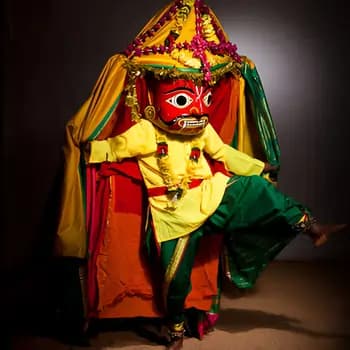
The art forms of Karnataka have flourished under the generous patronage of powerful dynasties such as the Chalukya dynasty, Hoysala dynasty and Vijayanagara Empire. These empires understood that art was not merely decoration, but a means of nurturing identity, spirituality and communal harmony. Even today, Karnataka’s traditional arts continue to follow ancient codifications while evolving gracefully with modern influences.
Among the most celebrated art forms is Yaksha Ghana, more accurately known as Yakshagana. This spectacular performing art seamlessly blends dance, drama, music, elaborate costumes and extempore dialogue. Originating largely in the coastal and agrarian regions of the state, Yakshagana performances traditionally take place during the winter months, when harvest celebrations bring communities together. The vibrant face paint, towering headgear and mythological storytelling create an atmosphere that is nothing short of mesmerising.
Folk Traditions Rooted in Devotion
Another striking folk performance is Goravara Kunita, performed by devotees of Lord Shiva. Dressed in dramatic attire featuring fur caps and symbolic ornaments, performers move rhythmically to devotional chants. The dance is both fierce and deeply spiritual, reflecting centuries-old Shaivite traditions.
Equally captivating is Dollu Kunita, traditionally performed by men of the Kuruba community. This high-energy drum dance features powerful beats and synchronised movements. What makes Dollu Kunita particularly noteworthy is its evolution beyond religious boundaries. While rooted in temple traditions, it has adapted to contemporary themes and social awareness campaigns, making it both relevant and widely appreciated today.
Other popular art forms include Krishna Parijata, a lyrical folk theatre narrating tales of Lord Krishna; Somana Kunita, known for its vibrant masks and ritualistic significance; and Beesu Kamsale, performed by devotees of Lord Male Mahadeshwara with rhythmic cymbals.
Hidden Artistic Treasures Beyond Performance
Karnataka’s artistic brilliance is not confined to performing arts. The intricately carved temples of Belur and Halebidu, the grand ruins of Hampi, and the exquisite Mysore painting tradition reveal the region’s mastery in sculpture and visual arts. These architectural marvels narrate stories of devotion, mythology and royal patronage carved painstakingly into stone.
To explore Karnataka’s art forms is to experience an extraordinary blend of tradition and creativity. For lovers of art, culture and history, this southern Indian state offers a living gallery where heritage breathes through music, movement and craftsmanship.


 English
 Chinese (Simplified)
 Dutch
Dutch French
 German
 Hebrew
 Italian
 Portuguese (Brazil)
 Russian
 Spanish
 Arabic