- +91 96773 55555
- Toll Free: 1800 123 2255
 English
 Chinese (Simplified)
 Dutch
 French
 German
 Hebrew
 Italian
 Portuguese (Brazil)
 Russian
 Spanish
 Arabic
EnglishChinese (Simplified)DutchFrenchGermanHebrewItalianPortuguese (Brazil)RussianSpanishArabic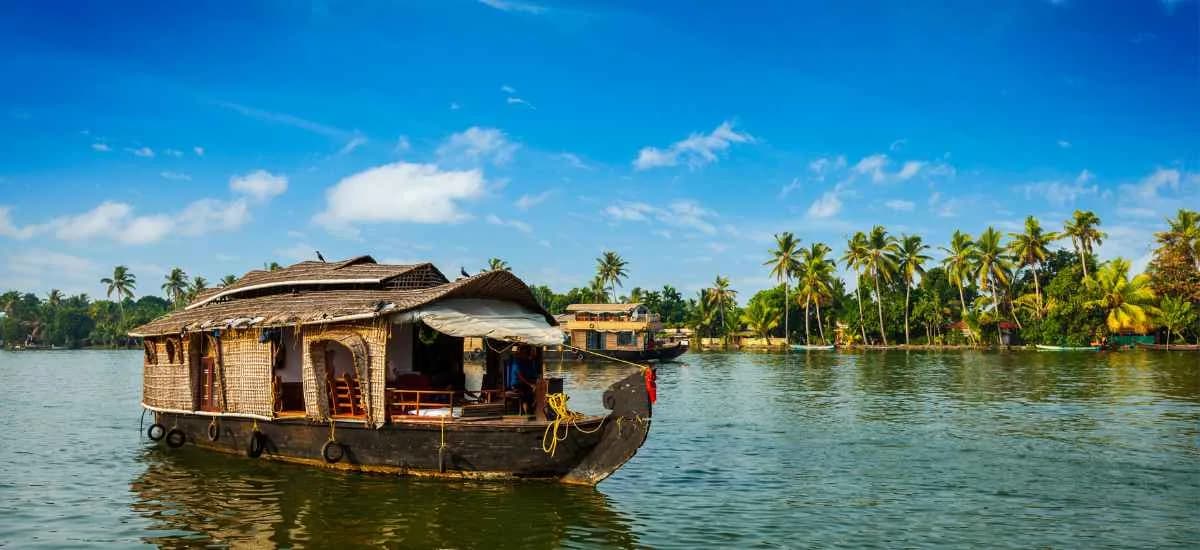
Kerala, known as God’s Own Country, is a convergence of geography, culture, biodiversity, and human harmony that makes it one of the most distinctive travel destinations in the world.
Located along the south-western coast of India, between the Arabian Sea and the UNESCO-listed Western Ghats, Kerala offers an extraordinary range of landscapes within a compact stretch of land.
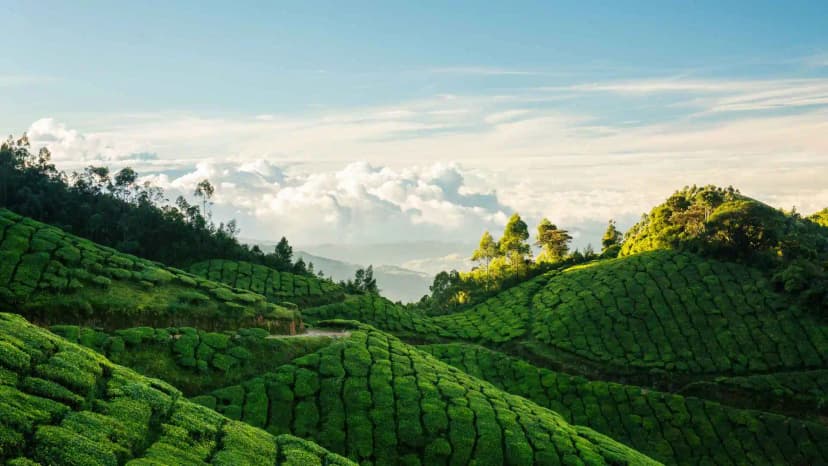
Emerald tea plantations, mist-covered hills, palm-lined beaches, tropical rainforests, and cascading waterfalls are all part of the beauty that make this destination easy to travel through. In addition to the scenic wonders, the lush tropical climate, nourishing monsoons, and an extensive network of rivers, lakes, and backwaters help bring life to Kerala with each passing day.
The people of Kerala, Malayalis, are known for the exceptional level of literacy, life expectancy, gender balance, and public health care throughout the world, while still preserving traditions that date back centuries.
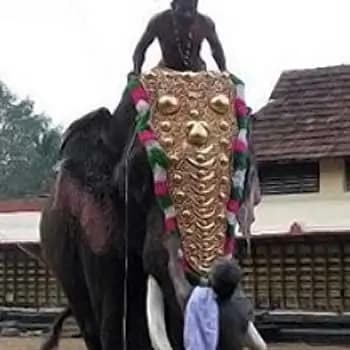
Many of Kerala's festivals, such as Onam, Vishu, and Thrissur Pooram, demonstrate the culture of celebration and inclusiveness that its people share, as well as their ability to find joy together. The coexistence of the Hindu, Muslim, and Christian communities provides a has formed a pluralistic culture that can be seen in everything, from architecture and cuisine to everyday life.
Kerala’s global fame is also inseparable from its historic relationship with nature and trade. For over two thousand years, its spice-rich hills attracted traders from Arabia, Europe, and East Asia, leaving behind a legacy of cosmopolitan port cities such as Kochi and Kozhikode.
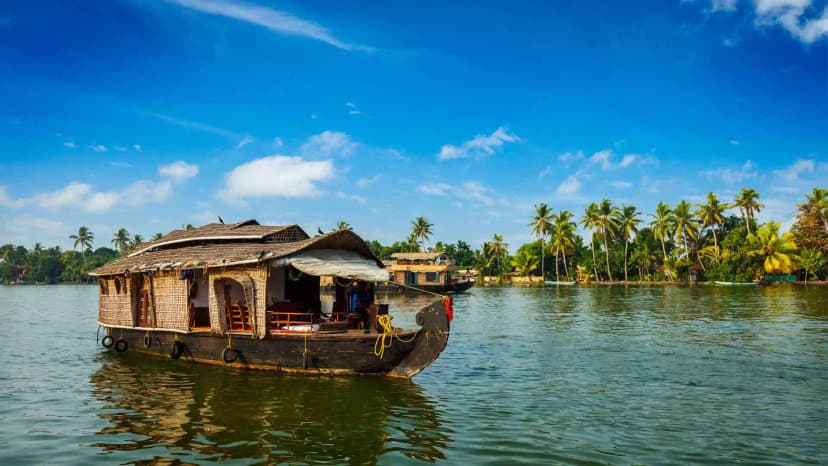
Today, this heritage blends seamlessly with modern tourism experiences, from luxury houseboat cruises on Vembanad Lake and wildlife safaris in Periyar and Wayanad to rejuvenating Ayurveda therapies rooted in ancient wellness science.
What truly elevates Kerala is the balance it maintains between tourism and sustainability. Protected forests, wildlife corridors, responsible backwater tourism, community-run homestays, and eco-friendly hill station practices reflect a conscious approach to preserving its fragile ecosystems. Excellent connectivity through international airports, rail networks, and highways makes Kerala easily accessible, yet once inside, the pace of life slows into something deeply restorative.
Whether experienced as a honeymoon destination, family holiday, wellness retreat, cultural journey, or nature escape, Kerala offers more than sightseeing. It offers a sense of calm, continuity, and connection, making every journey through this lush land not just a vacation, but a lasting emotional experience.
Geography and Physical Features
Kerala’s geography is one of the most distinctive in India, shaped by its narrow land strip running between the Arabian Sea and the Western Ghats. This unique positioning creates extraordinary biodiversity, fertile landscapes, and a climate that supports rich ecosystems and human settlement.
This balanced geography supports agriculture, inland waterways, forests, and one of the highest population densities in the country.
Rivers, Lakes, Backwaters, and the Arabian Sea
Water defines Kerala’s identity more than any other natural element.
Climate and Weather
Kerala experiences a tropical monsoon climate, moderated by the sea and mountains.
This climate supports year-round vegetation, plantation agriculture, and Kerala’s globally renowned Ayurveda system.
Wildlife, Forests, and National Parks
Kerala is one of India’s richest states in terms of biodiversity and forest cover, largely due to the Western Ghats.
Kerala’s conservation model balances human habitation with ecological protection, making it a leader in sustainable tourism.
Soil, Agriculture, and Natural Resources
Why Kerala’s Geography is Exceptional
Kerala’s physical setting creates a rare balance of mountains, water systems, forests, fertile land, and coastline within a compact area. This geographical harmony directly influences climate stability, biodiversity, cultural practices, cuisine, settlement patterns, and high human development outcomes. Kerala is not just shaped by nature; it lives in continuous conversation with it.
Culture and traditions
Kerala’s culture is a refined blend of ancient traditions, artistic excellence, social harmony, and lived heritage, shaped by geography, history, and a strong community-centric way of life. Rooted deeply in ritual yet adaptive to time, Kerala’s cultural identity expresses itself through classical arts, folk traditions, clothing, architecture, festivals, and everyday practices that remain integral to modern society.
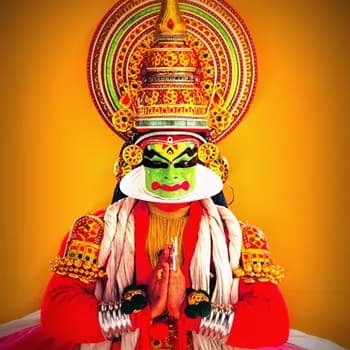
Dance and Theatre
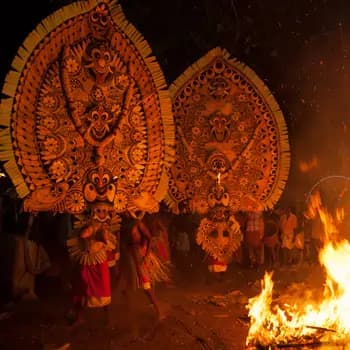
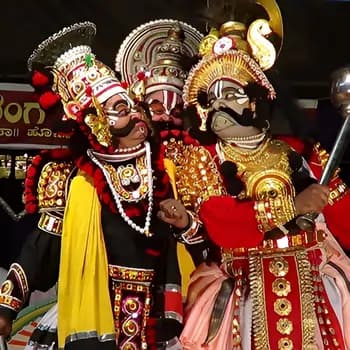
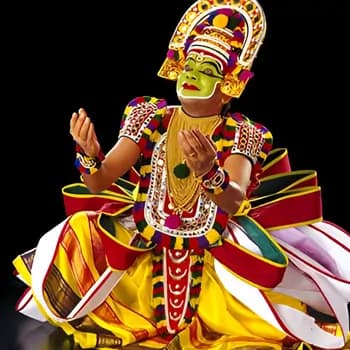
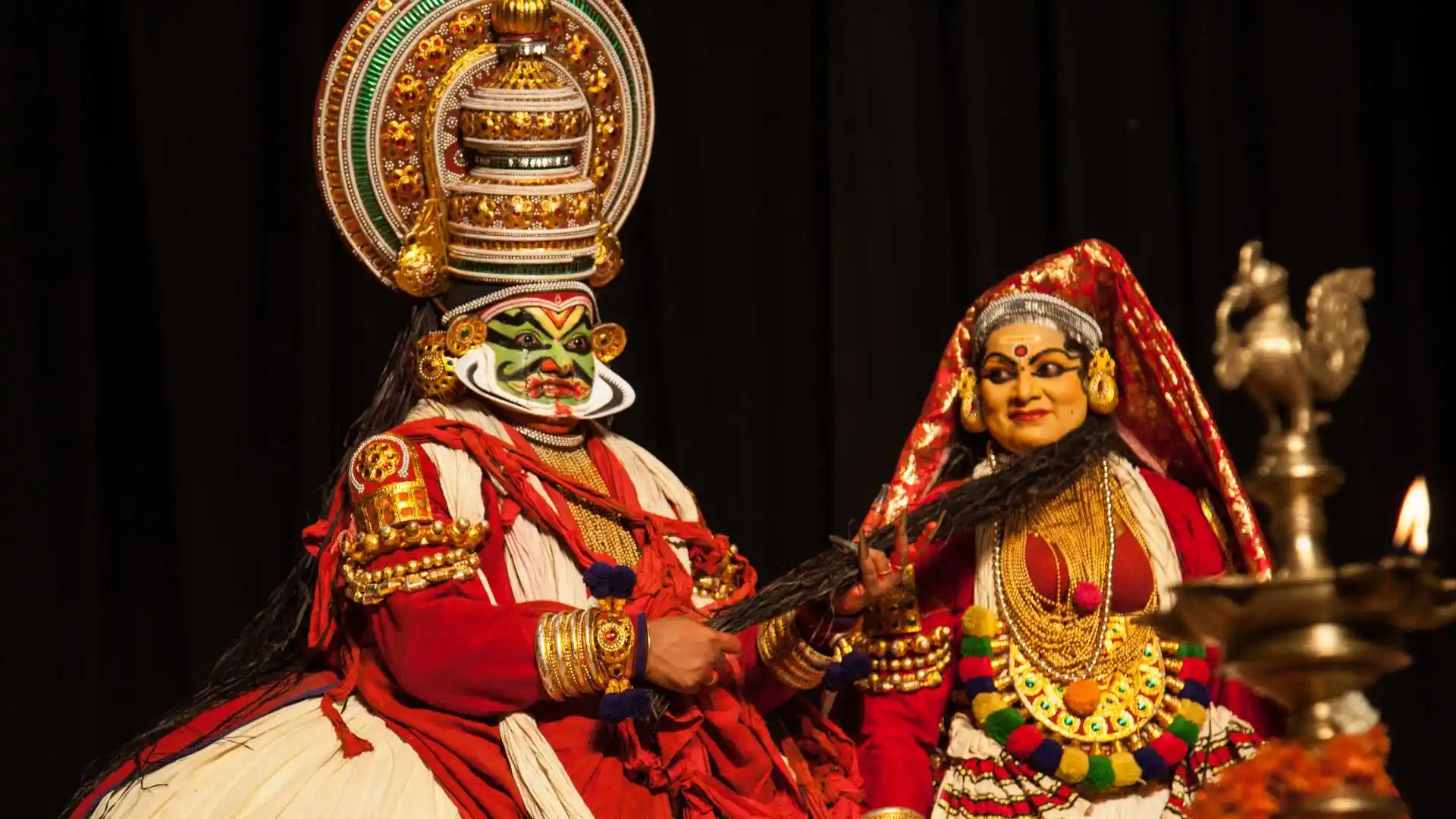
Dance and theatre in Kerala are not merely performance arts; they are ritualistic expressions of mythology, philosophy, and devotion.
Music and Oral Traditions
Kerala’s musical traditions are closely tied to its ritual arts and festivals.
Music in Kerala is collective in spirit, emphasising harmony, timing, and communal participation.
Fairs and Festivals
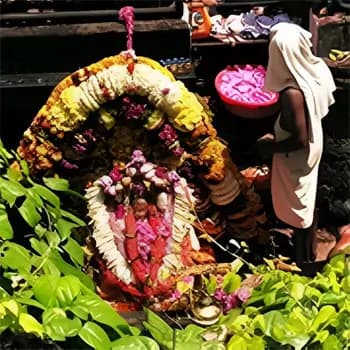
Festivals in Kerala transcend religion and function as social unifiers.
Traditional Clothing
Kerala’s traditional attire reflects its climate, values, and aesthetics.
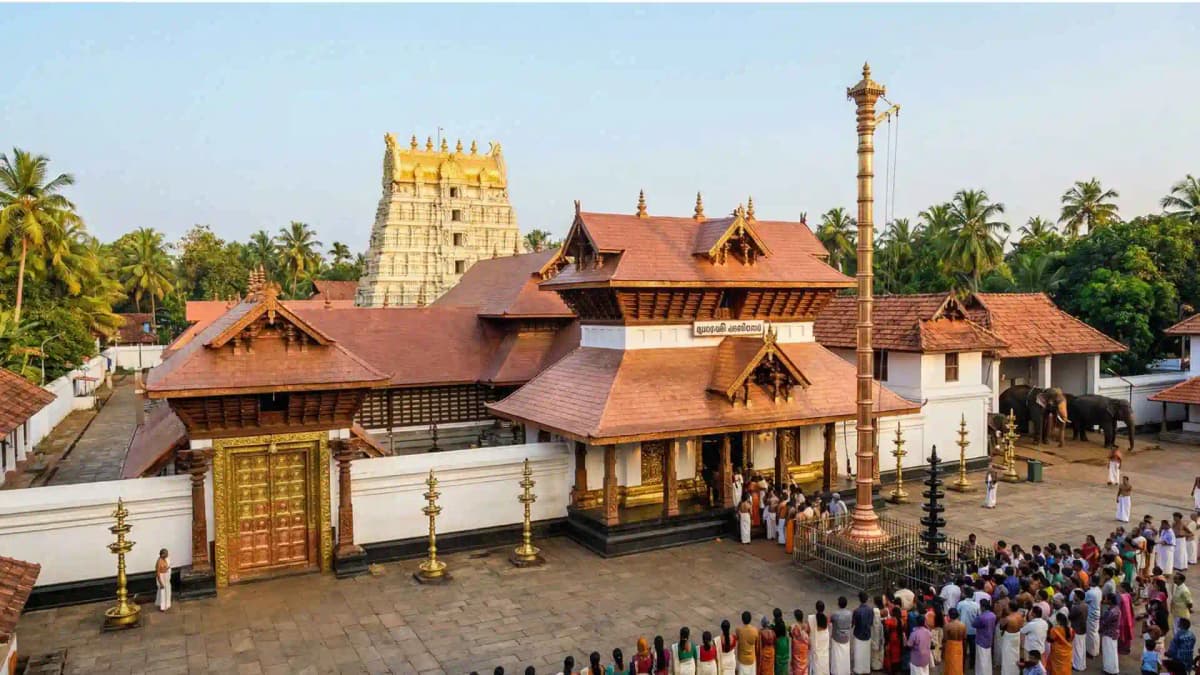
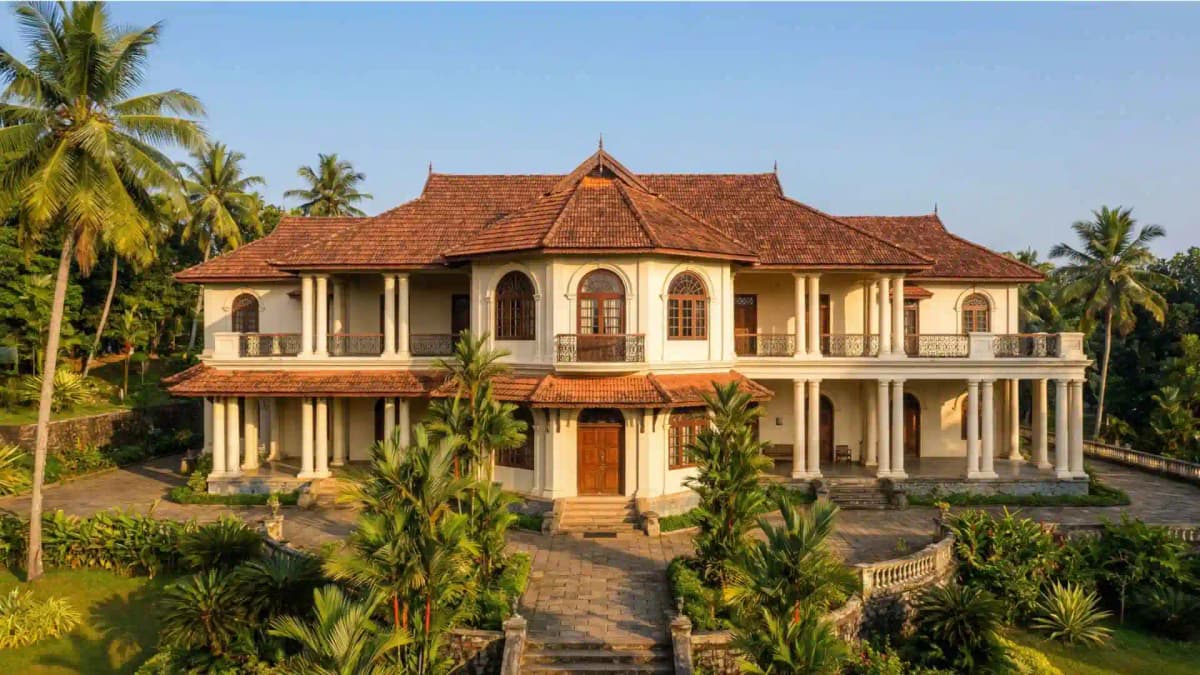
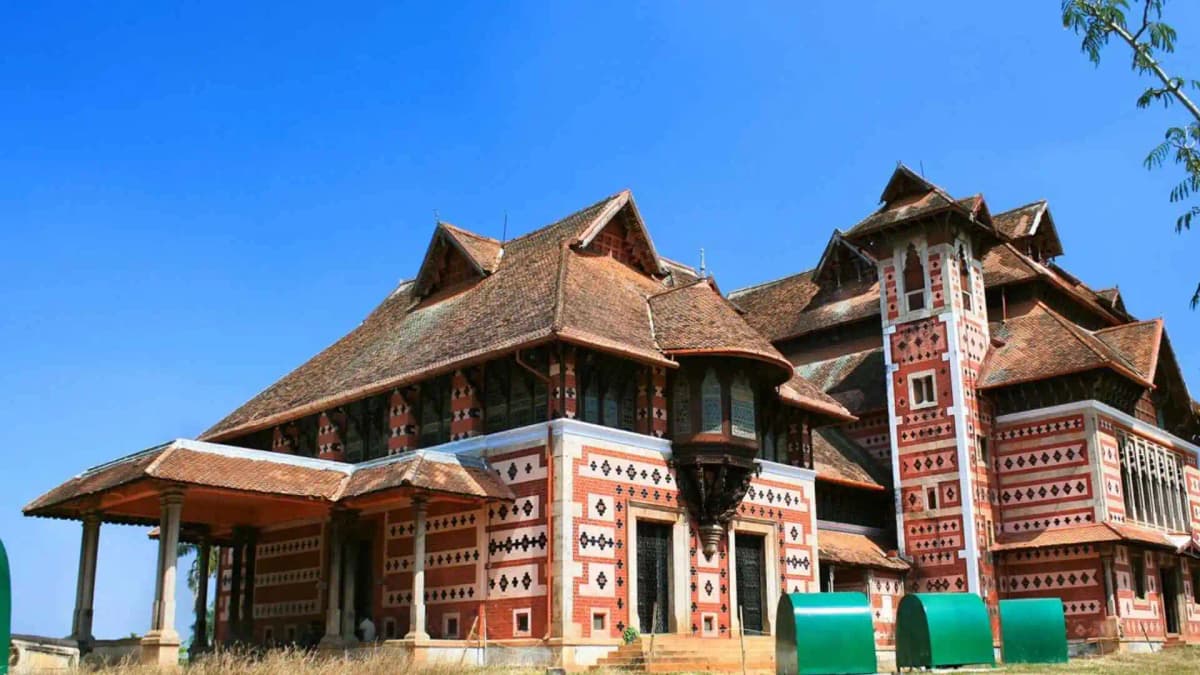
Architecture and Heritage
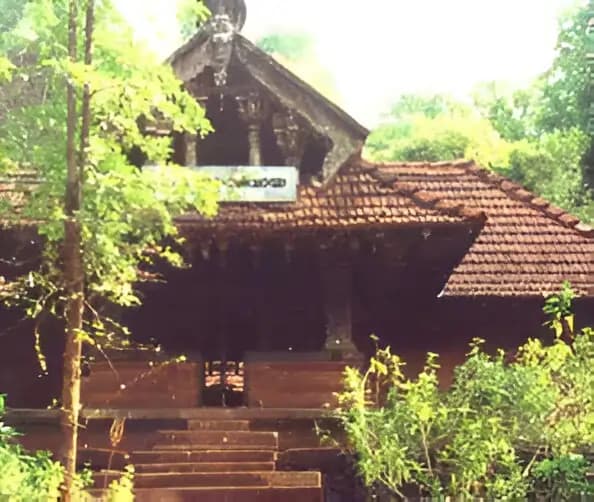
Kerala’s traditional architecture responds intelligently to climate and environment.
Food and Cuisine
Kerala’s food and cuisine reflect its geography, climate, agricultural abundance, and cultural diversity, making it one of India’s most distinctive culinary landscapes. Defined by the liberal use of coconut, rice, spices, seafood, and seasonal vegetables, Kerala cuisine balances nutrition, flavour, and Ayurveda-backed food philosophy. Every dish is designed not just to satisfy the palate, but to suit the tropical climate and support digestive health.
Foundations of Kerala Cuisine
At the core of Kerala’s food culture lies a harmonious blend of vegetarian and non-vegetarian traditions, shaped by Hindu, Muslim, and Christian communities.
Kerala’s vegetarian cuisine is deeply influenced by temple food customs and Ayurveda.
Breakfast Culture
Kerala breakfasts are light, fermented, and nutrient-dense.
Non-Vegetarian and Coastal Specialties
Kerala’s non-vegetarian cuisine is regionally diverse and spice-forward without being excessively hot.
Kerala’s snack culture reflects its agrarian roots.
Accommodation Guide
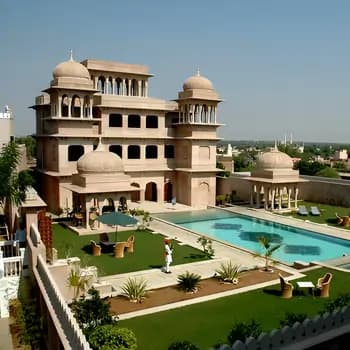
Kerala offers a wide spectrum of accommodation options that suit every travel need, from luxury travellers seeking world-class service to cultural explorers wanting authentic stays, and from honeymooners to families looking for comfort and convenience. This guide covers all major categories: luxury hotels, 4-star stays, boutique retreats, boutique homestays, heritage stays, eco-lodges, and traditional Kerala houseboats.
Accommodation Planning Checklist
- Proximity to attractions
- In-house dining & dietary options
- Climate-friendly amenities (AC/heating)
- Transport access and transfers
- Privacy & experience type
Whether you seek five-star indulgence, cultural immersion, floating serenity, or eco-conscious stays, Kerala’s accommodation landscape is structured to deliver comfort, authenticity, and memories that complement the richness of your journey.
Tourist Attractions
Kerala offers a rare combination of natural wonders, cultural landmarks, heritage towns, and curated museums, making it a complete destination for experiential, educational, and leisure travel. From mist-covered hill stations to living museums of art and history, the state presents attractions that are both visually stunning and culturally significant.
Hill Stations and Mountain Landscapes
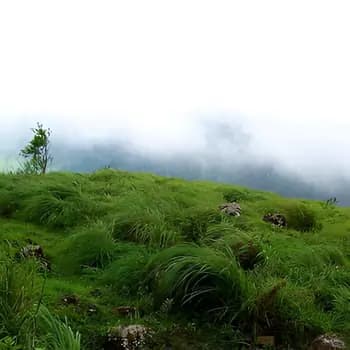
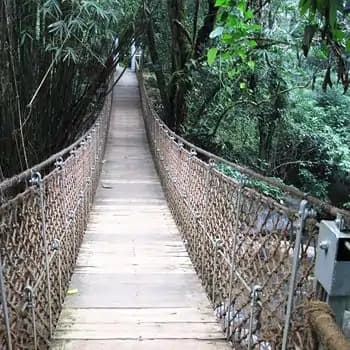
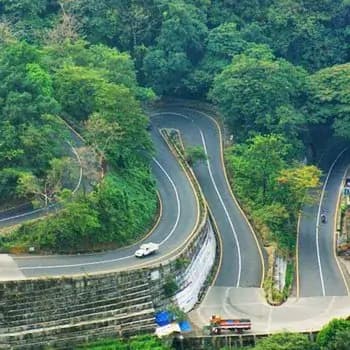
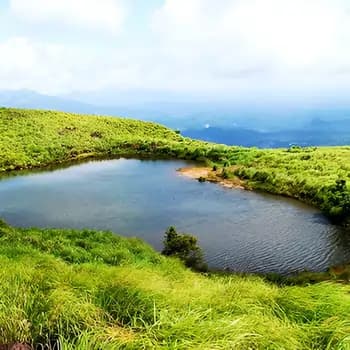
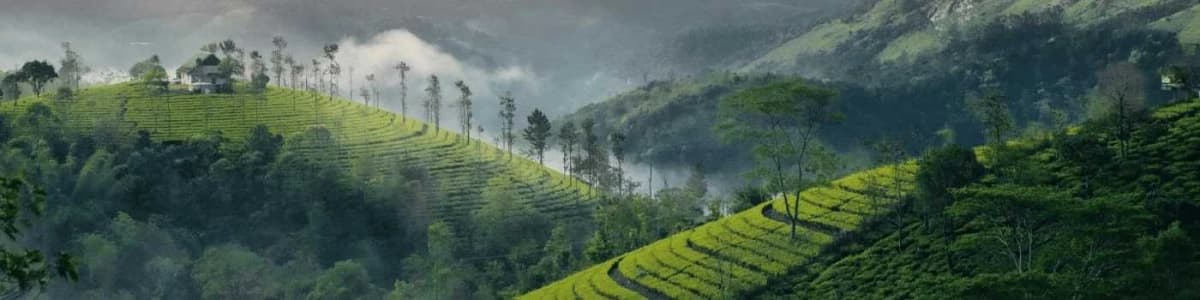
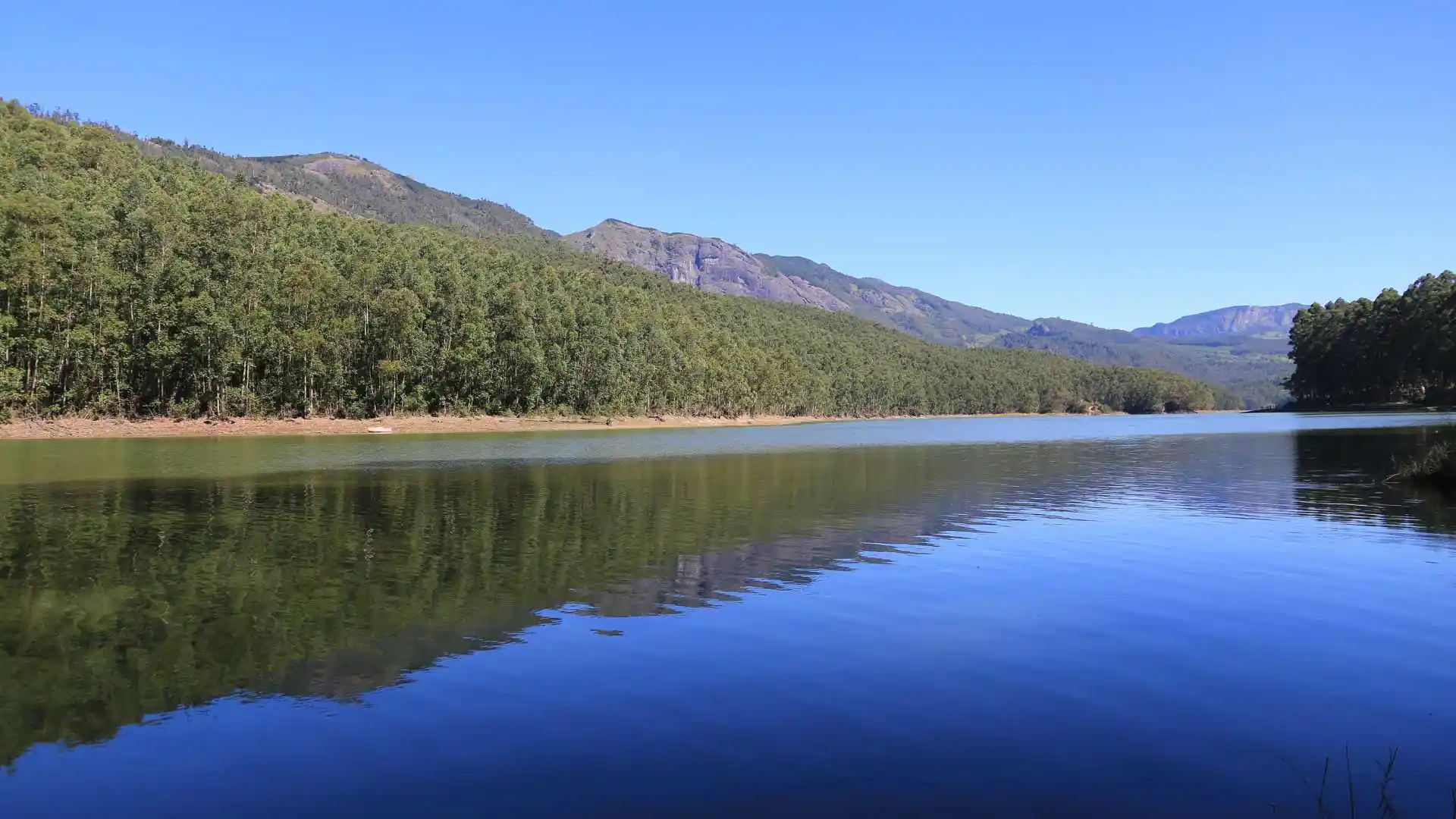
Kerala’s eastern highlands in the Western Ghats are home to some of South India’s most scenic hill destinations.
These regions offer trekking, plantation walks, wildlife viewing, and cool-climate retreats.
Backwaters and Water Experiences
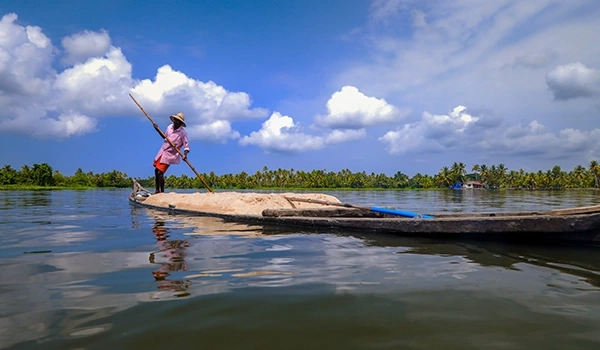
Kerala’s backwaters are among its most iconic attractions.
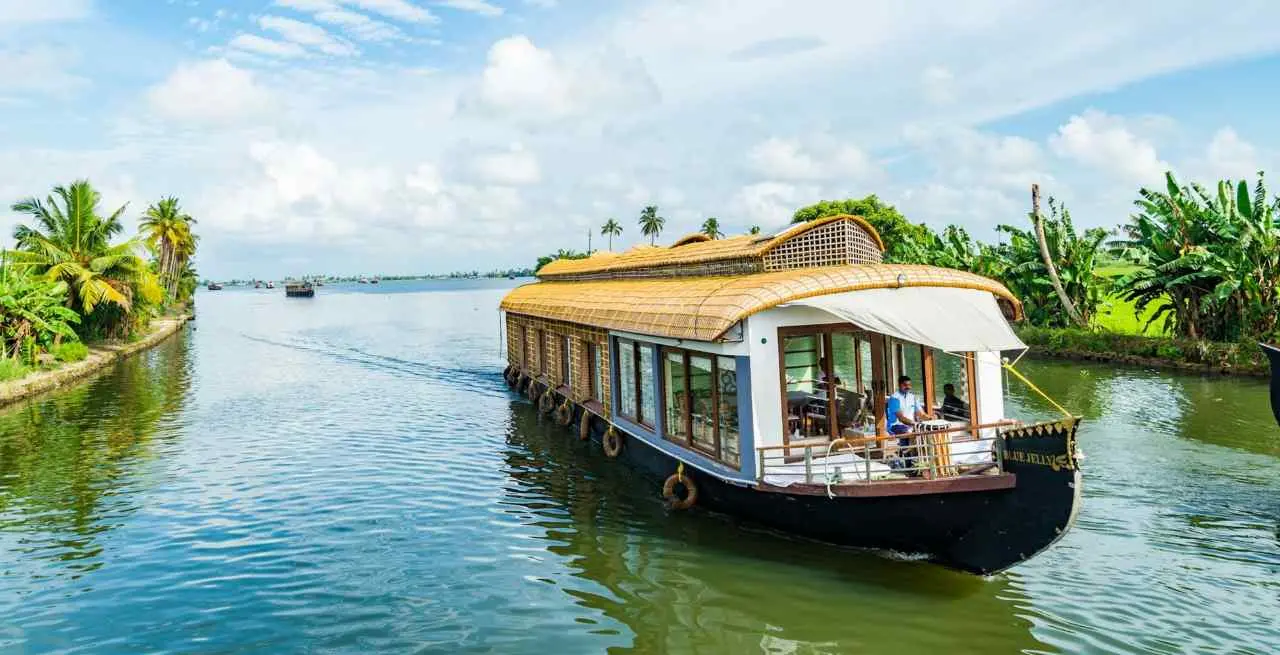
Houseboat cruises, canoe rides, and lakeside village experiences define this region.
Beaches and Coastal Attractions
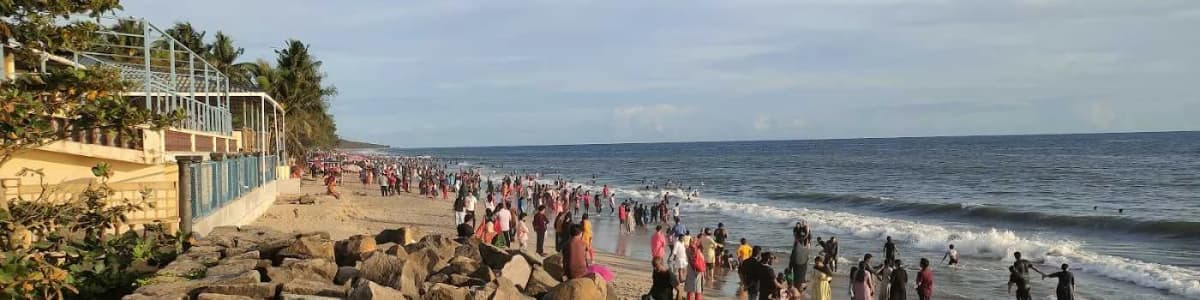
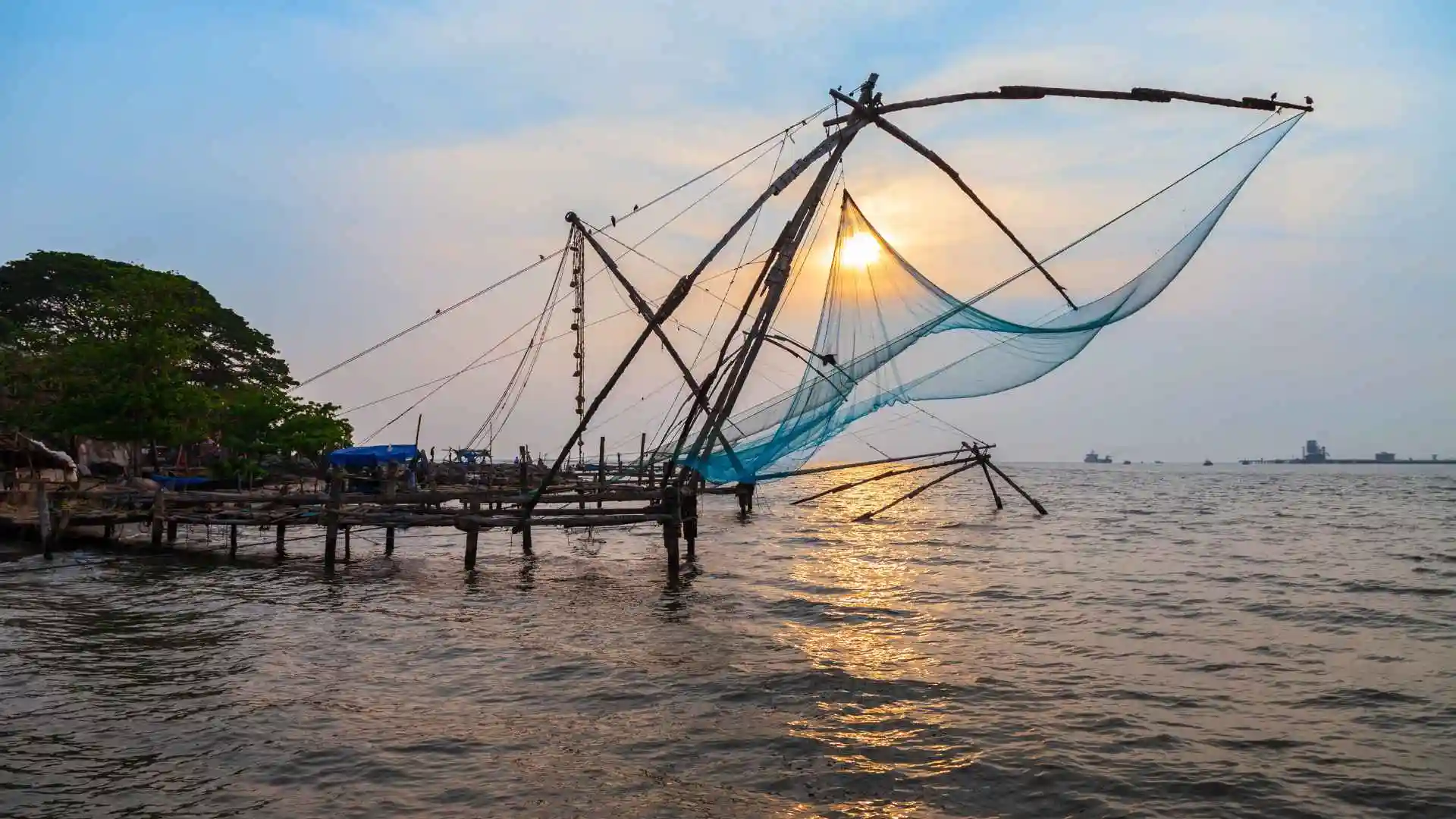
Kerala’s Arabian Sea coastline stretches for nearly 580 km, featuring diverse beach landscapes.
Wildlife Sanctuaries and Nature Reserves
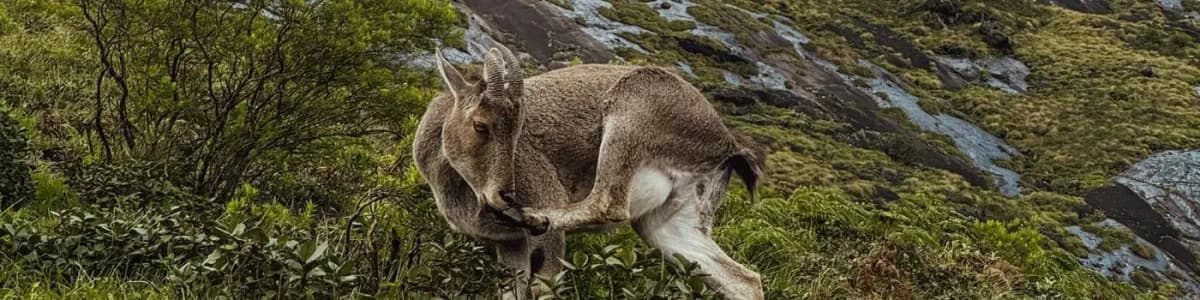
Kerala is a biodiversity hotspot with protected forest landscapes.
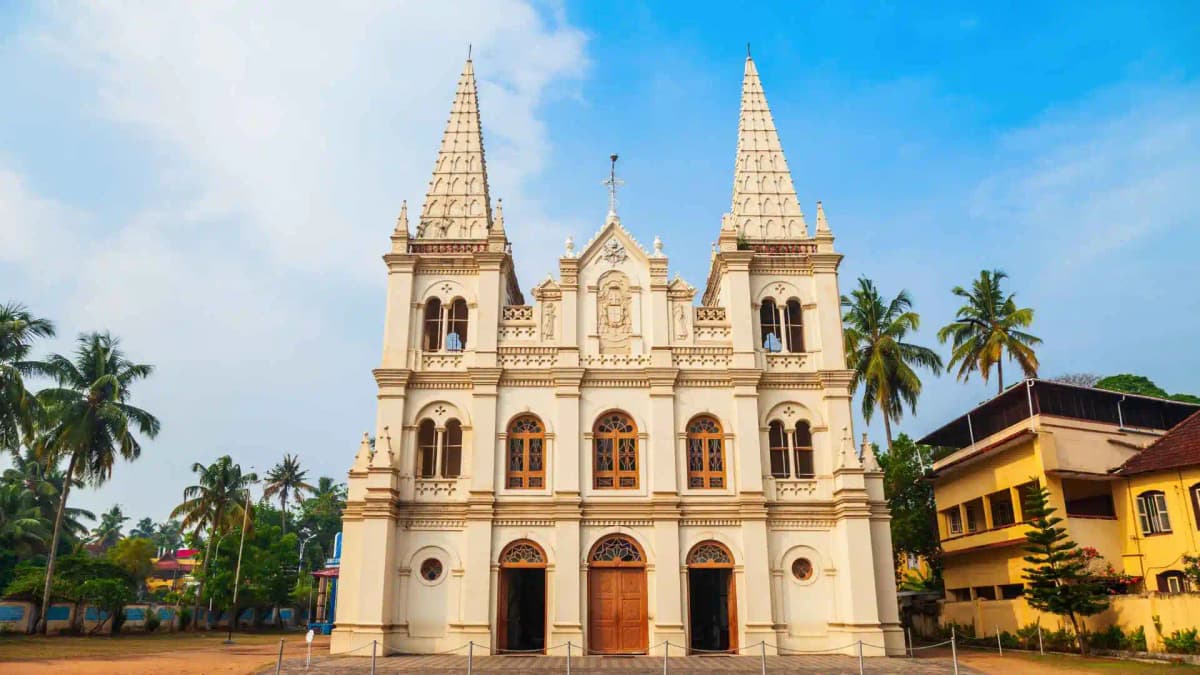
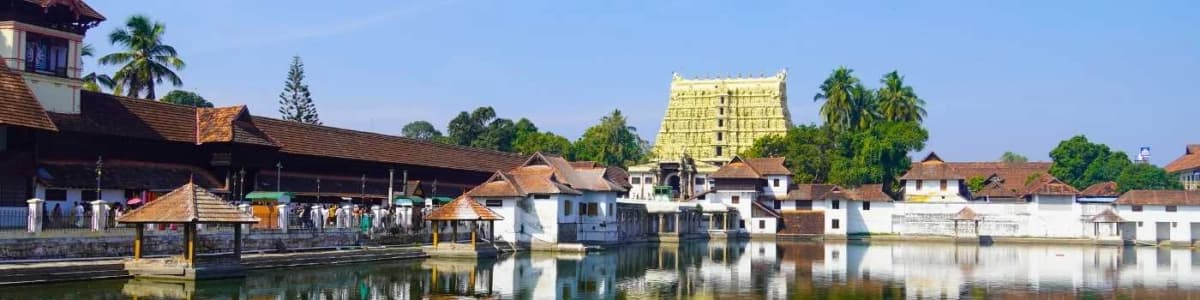
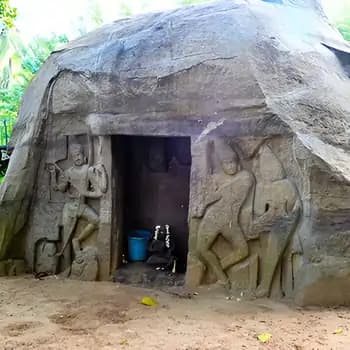
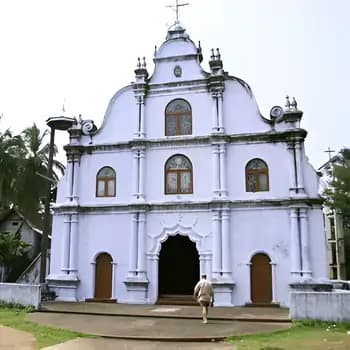
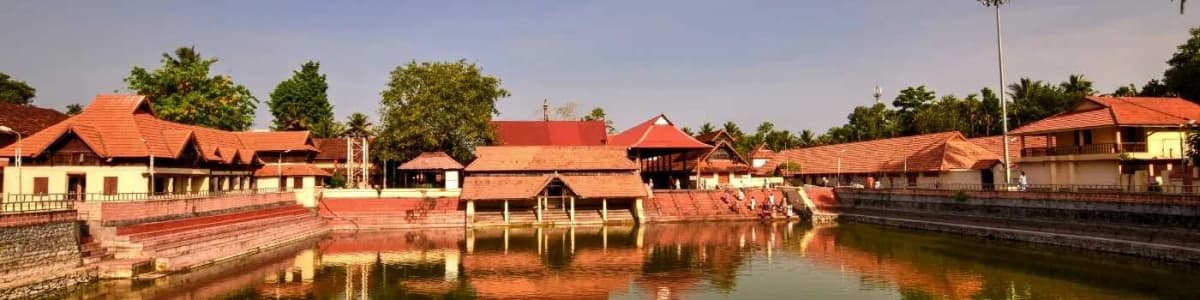
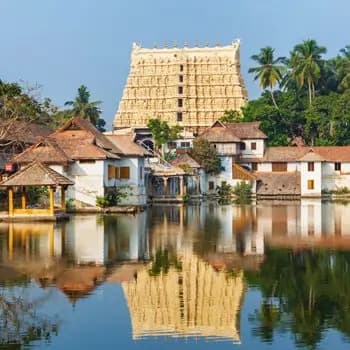
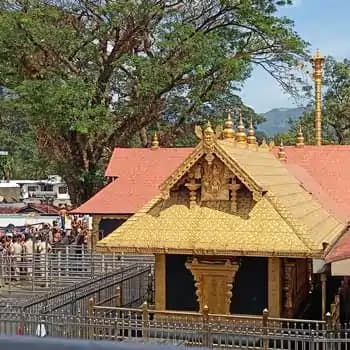
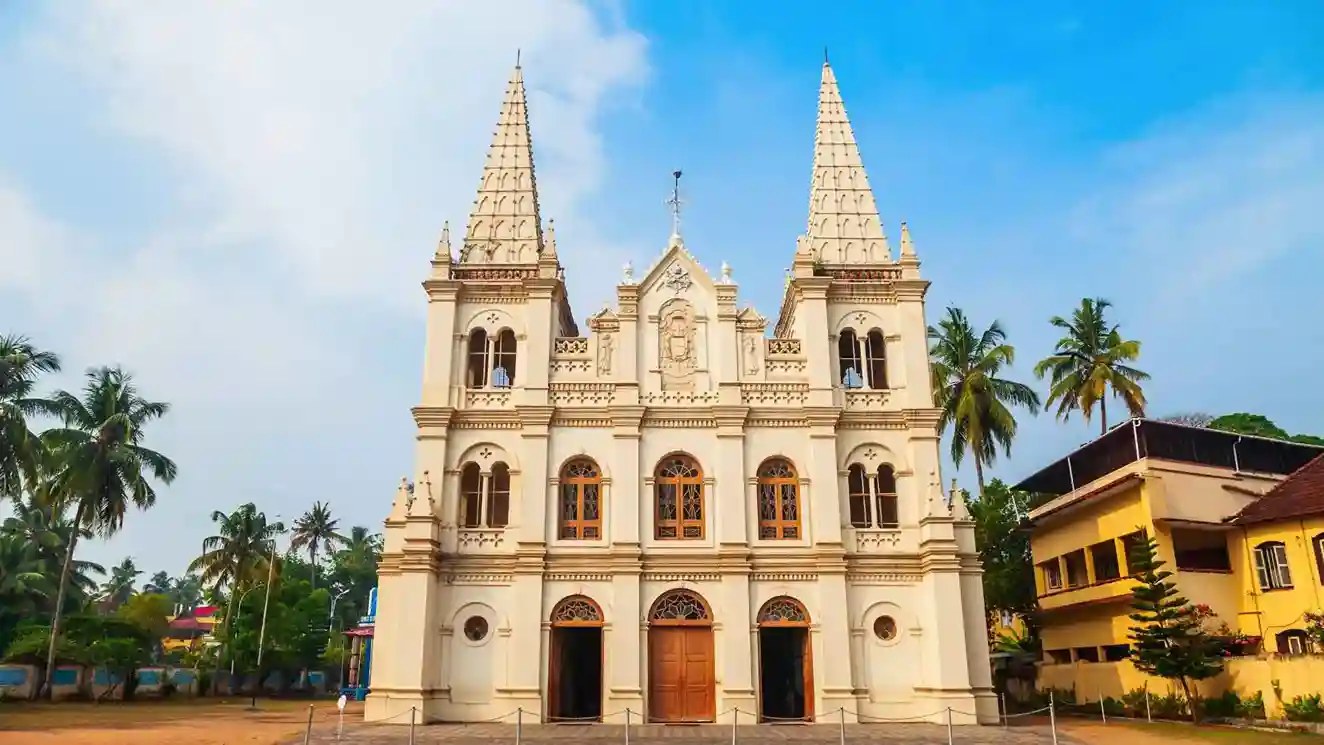
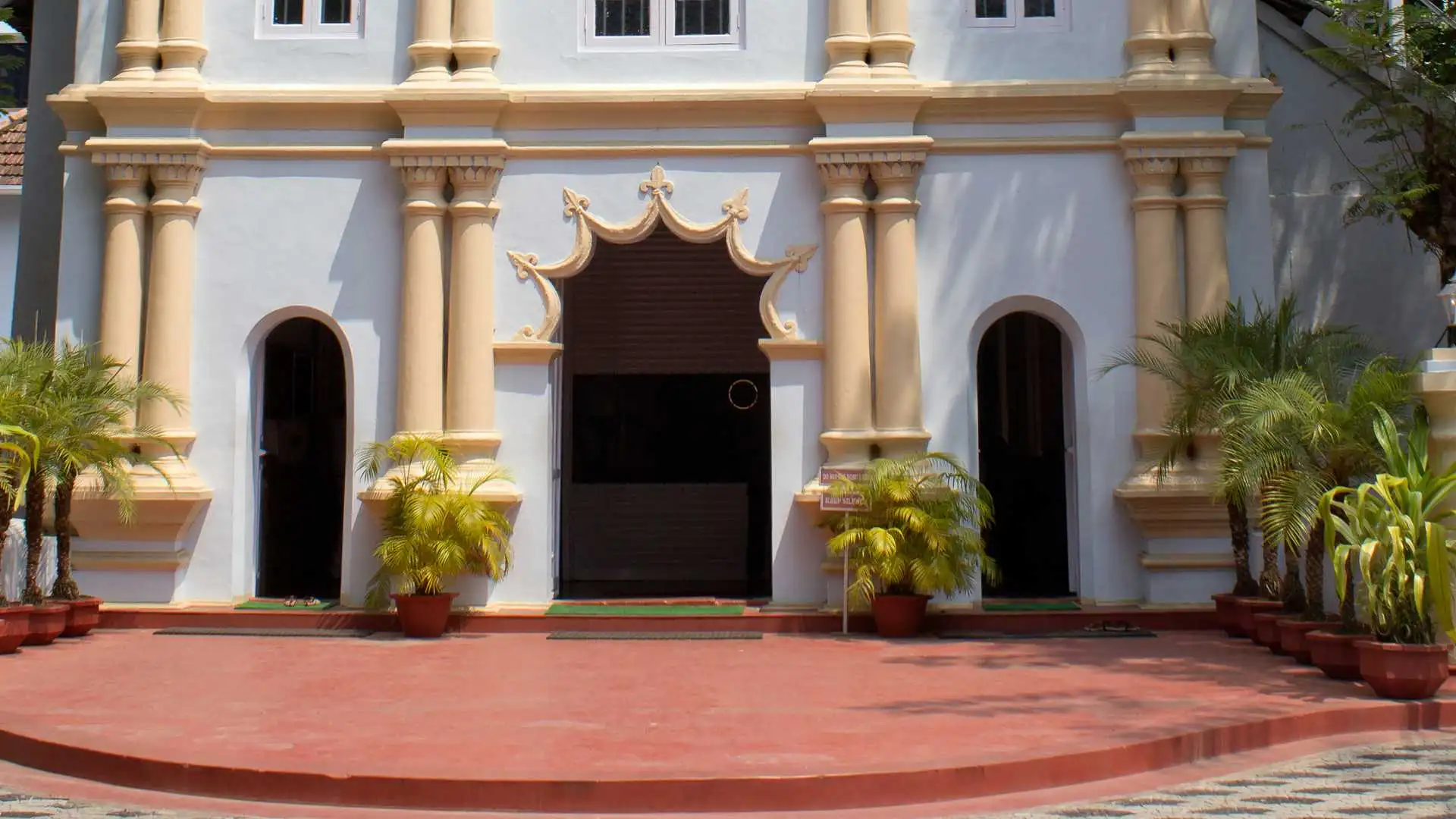
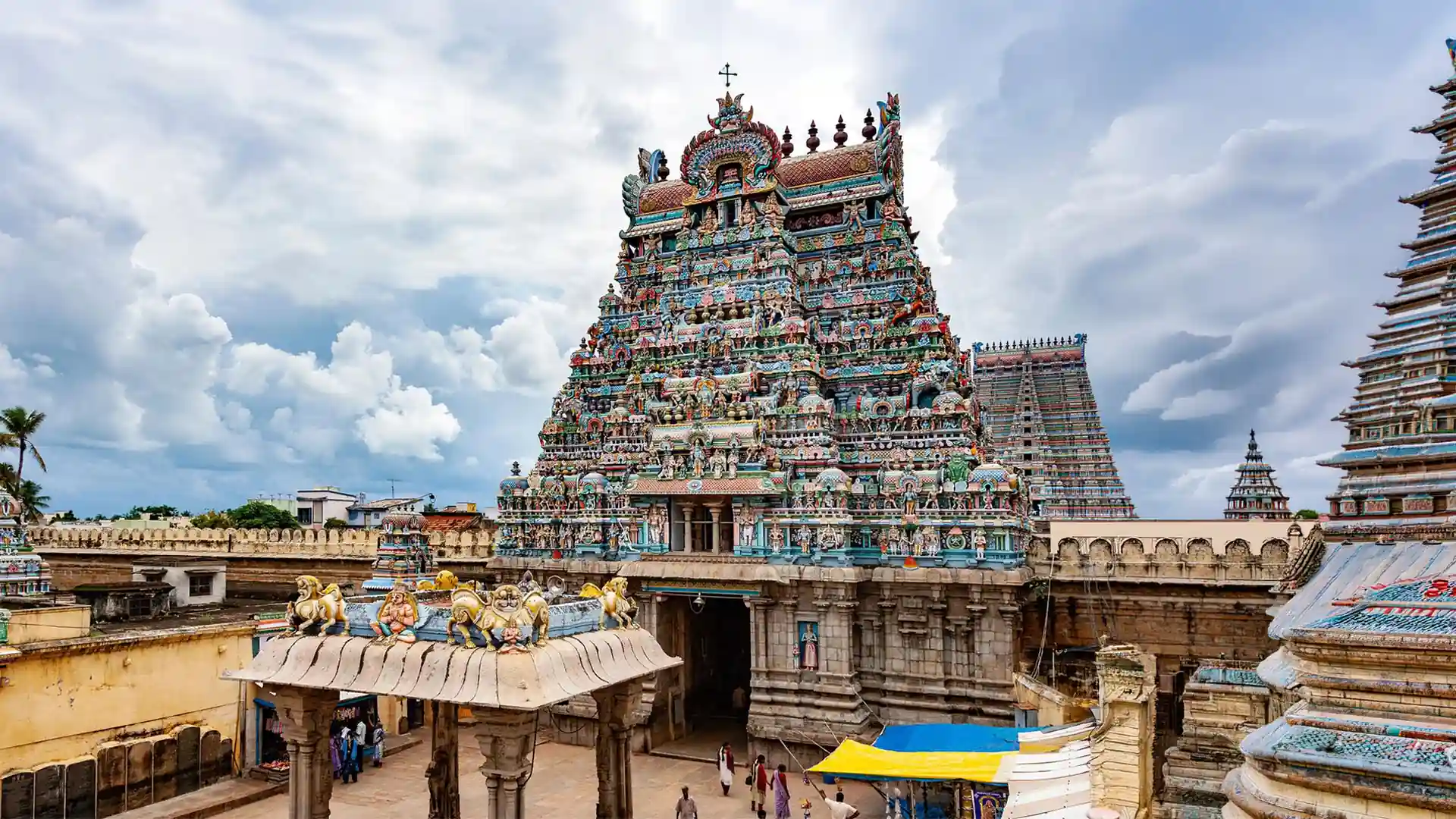
Pilgrimage and Heritage Sites
Museums of Kerala
Kerala’s museums preserve its royal legacy, folk traditions, performing arts, science, and social evolution, making them essential stops for cultural tourism.rt, Culture and Heritage Museums
Performing Arts and Folk Museums
Science and Interactive Museums
Specialty Museums
Maritime Museum (Kochi) - Naval history and coastal heritage.
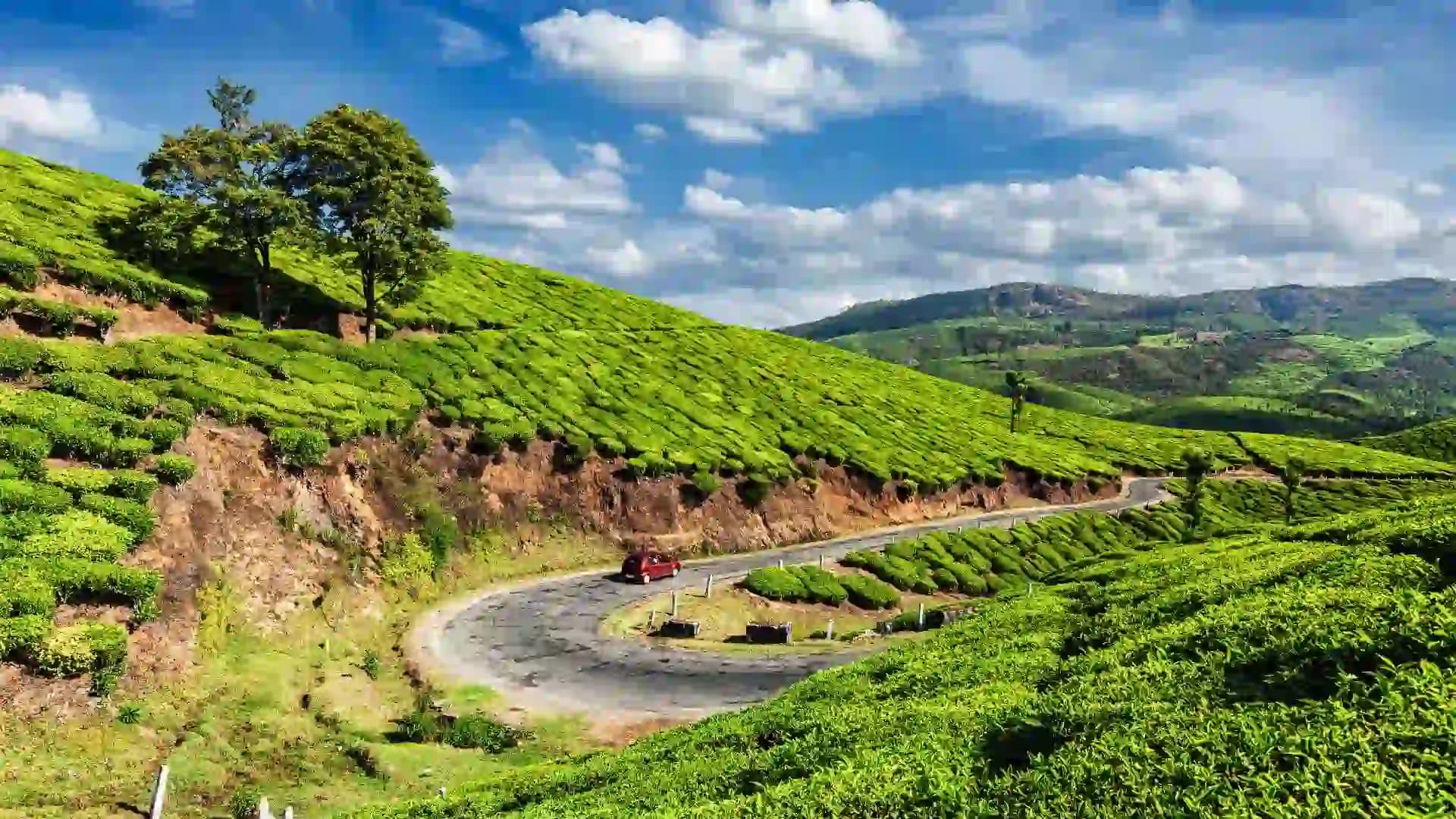
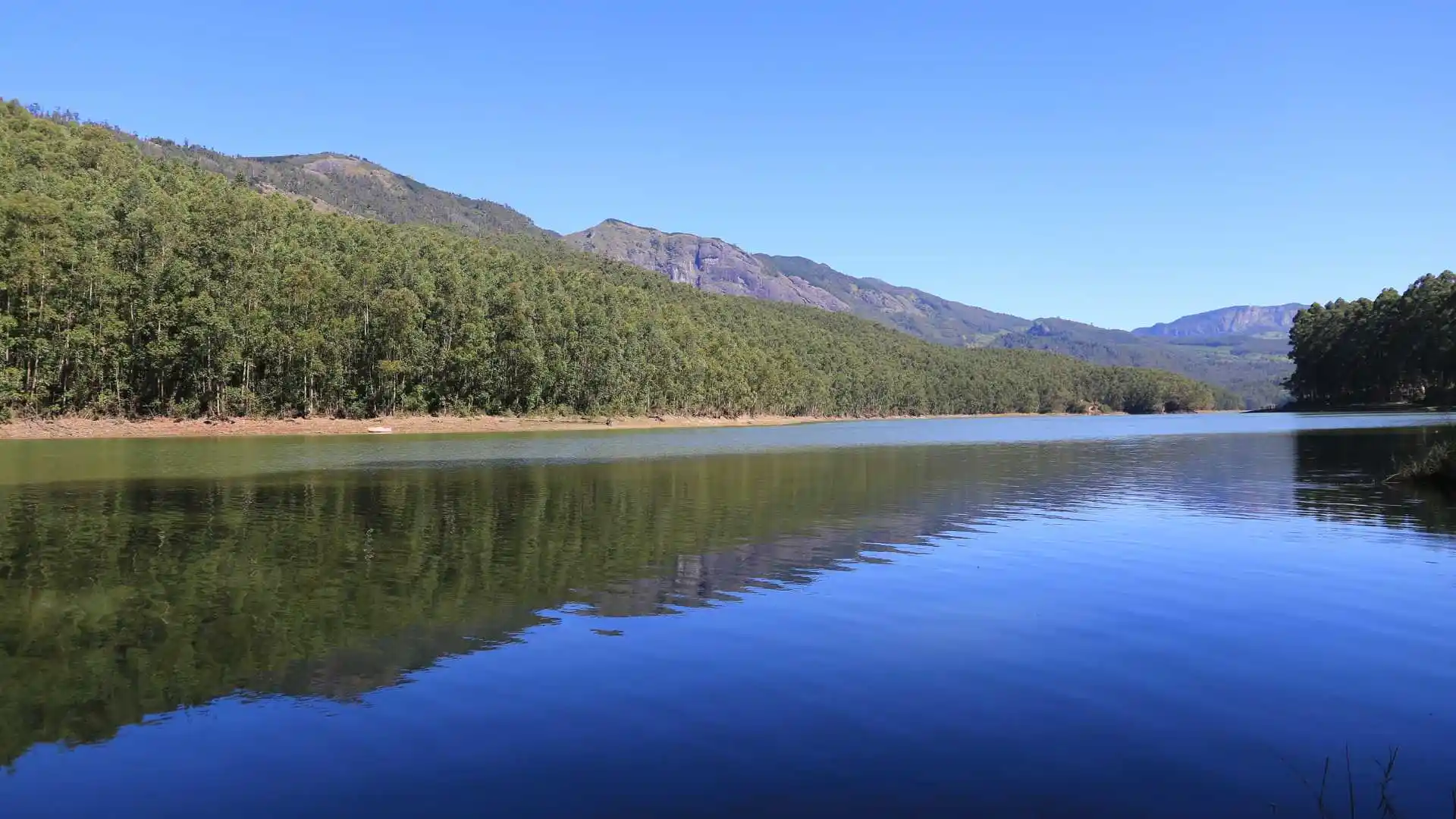
This city is famous for rolling tea gardens, misty valleys,... Read more
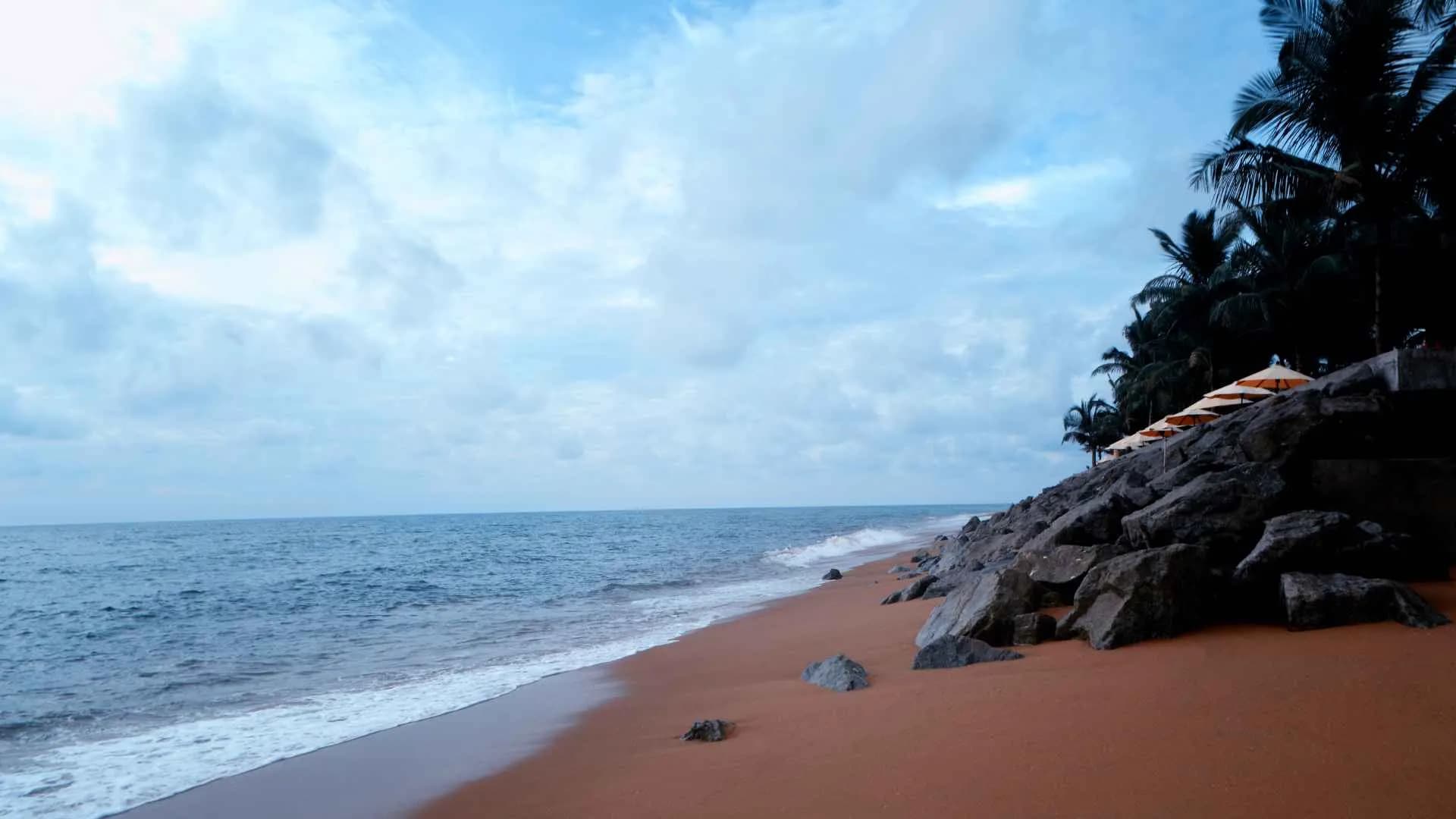
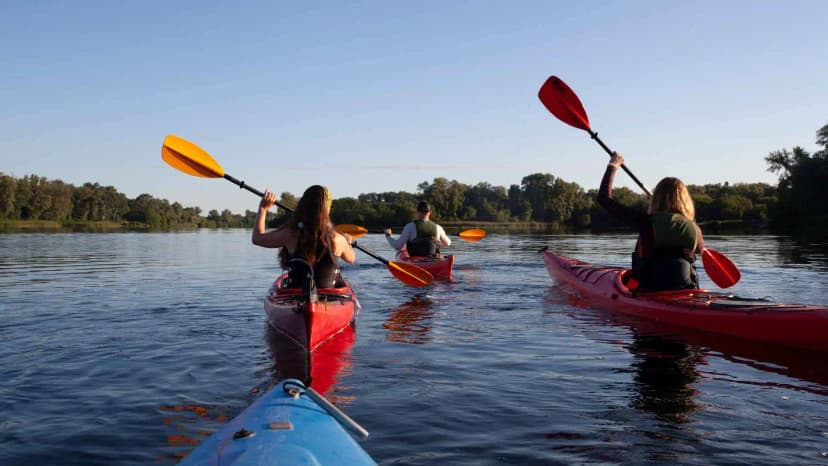
Known for its famous Lighthouse Beach, crescent-shaped shore... Read more

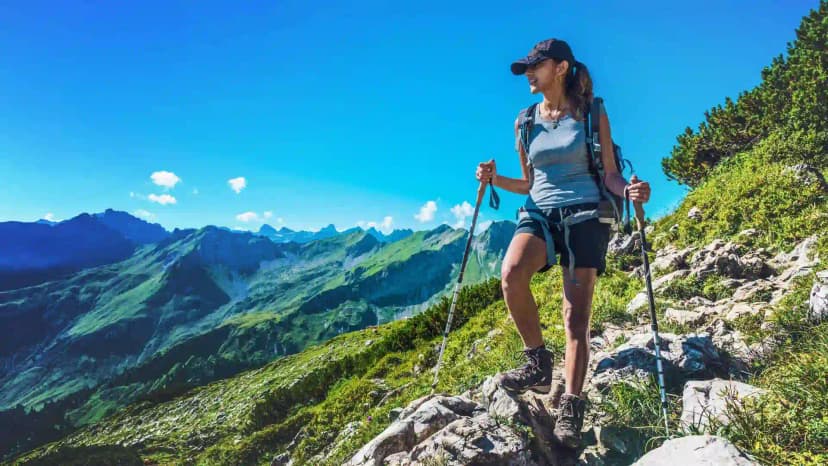
This city is famous for its dense forests, wildlife sanctuar... Read more
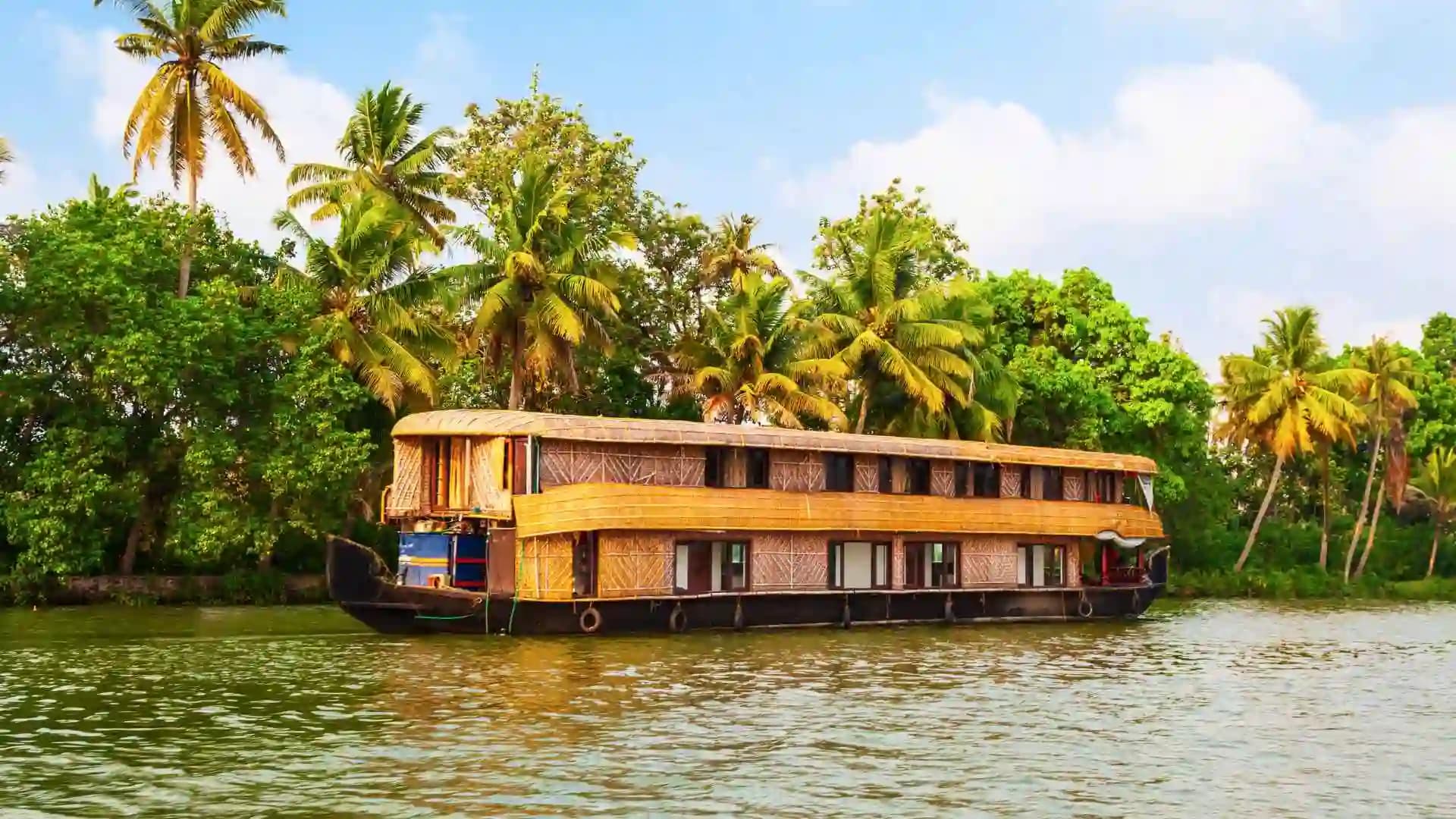
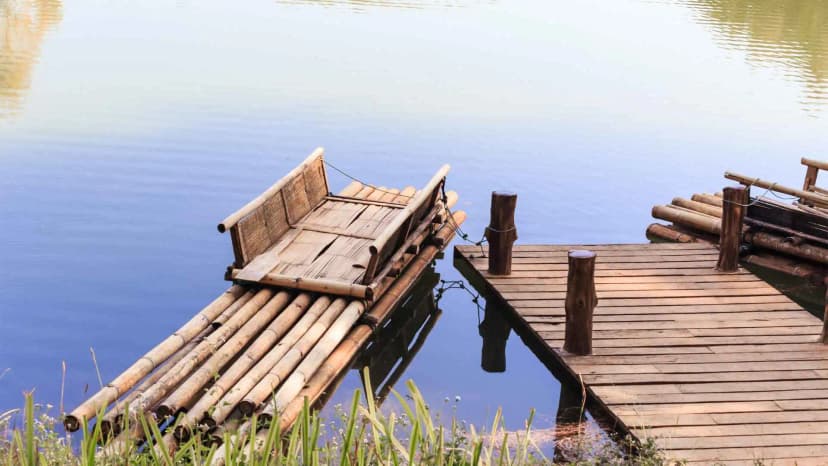
The heart of houseboat tourism, canals, lagoons, and village... Read more


Allappey | Alleppey | Calicut | Changanassery | Cherthala | Cochin | Idukki | Irinjalakuda | Kannur | Karunagapally | Kattappana | Kodaikanal | Kottayam | Kovalam | Kumarakom | Malappuram | Munnar | Palakkad | Pandalam | Periyar | Thekkady | Thiruvananthapuram | Thrissur | Wayanad