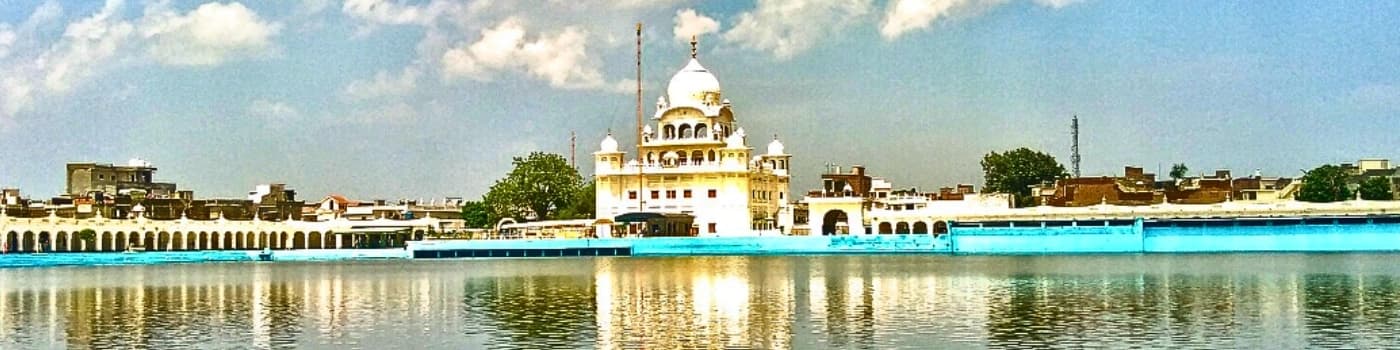
Sri Muktsar Sahib, commonly known as Muktsar, is a historic city in southwestern Punjab with deep connections to Sikh history and the region’s agricultural traditions. Its name, meaning “Pool of Liberation,” is associated with the Battle of Muktsar fought in 1705 between the forces of Guru Gobind Singh Ji and the Mughal army. The battle holds a special place in Sikh history because of the sacrifice of the Chali Mukte, or Forty Liberated Ones, who fought alongside the Guru.
The city’s most significant landmark is Gurdwara Sri Darbar Sahib, which commemorates the historic battle and the sacrifices made by the Sikh warriors. Other gurdwaras in the area preserve memories of the events and individuals associated with this period. Every year, the Maghi Mela brings large numbers of devotees to Muktsar, making it one of the region’s important religious gatherings.
Beyond its spiritual importance, Muktsar forms part of Punjab’s fertile Malwa belt, where agriculture plays a major role in local livelihoods. The surrounding countryside is characterised by extensive farmland, traditional villages and farming-related commerce. The city also serves as an administrative and trading centre for nearby communities.
With its strong Sikh heritage, annual religious celebrations and agricultural setting, Sri Muktsar Sahib offers a meaningful perspective on Punjab’s history and living traditions. Its identity is shaped by the enduring memory of the Chali Mukte and the continued importance of faith and community in the region.
Places to Visit in Sri Muktsar Sahib
- Gurdwara Sri Darbar Sahib (Tuti Gandi Sahib): Gurdwara Sri Darbar Sahib, also known as Tuti Gandi Sahib, is the principal Sikh shrine in Sri Muktsar Sahib. It commemorates the return of the Forty Liberated Ones, or Chali Mukte, who fought alongside Guru Gobind Singh Ji during the Battle of Muktsar in 1705. The shrine stands beside a sacred sarovar where devotees gather for prayer and ritual bathing. It becomes especially busy during the annual Maghi Mela in January.
- Gurdwara Tibbi Sahib: Gurdwara Tibbi Sahib marks a sandy mound traditionally associated with Guru Gobind Singh Ji during the Battle of Muktsar. Sikh tradition holds that the Guru used this elevated position to direct his forces during the fighting. The shrine preserves the memory of the battle and attracts devotees who come to pay their respects at this historic site.
- Gurdwara Rakabsar Sahib: Located a short distance from Gurdwara Tibbi Sahib, Rakabsar Sahib commemorates an incident associated with Guru Gobind Singh Ji and his horse. According to local tradition, the Guru’s stirrup, known as a rakab in Punjabi, broke at this spot as he prepared to mount his horse. The shrine’s name recalls this account and forms part of the cluster of historic gurdwaras connected with the Battle of Muktsar.
- Gurdwara Tambu Sahib: Gurdwara Tambu Sahib stands near the southeastern side of the sacred sarovar. The site is traditionally associated with the Sikh warriors who took cover behind trees and shrubs during the Battle of Muktsar, arranging the surroundings to resemble tents. The present shrine commemorates their role in the battle and is an important stop for visitors exploring the city’s Sikh heritage.
- Gurdwara Shahid Ganj Sahib: Also known as Arigitha Sahib, Gurdwara Shahid Ganj Sahib marks the traditional site where Guru Gobind Singh Ji arranged the cremation of the Sikh warriors who died in the Battle of Muktsar. The shrine serves as a memorial to their sacrifice and devotion. Its close connection with the events of 1705 makes it one of the most significant historical sites in the city.
- Mukta Minar: Mukta Minar is a prominent landmark near the district administrative complex in Sri Muktsar Sahib. Built to commemorate the 300th anniversary of the martyrdom of the Chali Mukte, the tower features a distinctive Khanda design and a steel-clad exterior. The surrounding landscaped grounds and open-air theatre create a public space that combines remembrance with community use.
- Angooran Wali Masjid: Located near the railway station, Angooran Wali Masjid is an old mosque that represents an additional layer of the city’s religious and architectural heritage. Its traditional setting distinguishes it from the prominent Sikh shrines for which Sri Muktsar Sahib is best known. The mosque remains a notable historical landmark within the city.
- Sarai Naga: Sarai Naga village, approximately 15 km from Sri Muktsar Sahib along the Muktsar–Kotkapura road, is traditionally recognised as the birthplace of Guru Angad Dev Ji, the second Sikh Guru. The village holds religious significance for Sikh devotees interested in the early lives of the Gurus and the development of Sikhism. It is a worthwhile destination for those exploring the wider district’s spiritual history.
- Gurdwara Guptsar Sahib, Chhatteana: Located in Chhatteana village in the Gidderbaha area, around 24 km from Sri Muktsar Sahib, Gurdwara Guptsar Sahib is a historic Sikh shrine in the district. It preserves local religious traditions and attracts devotees who visit to offer prayers. Its rural setting provides a glimpse of the network of village gurdwaras that form an important part of Punjab’s spiritual landscape.
- Muktsari Jutti Markets: Sri Muktsar Sahib is known for its traditional Muktsari juttis, handcrafted footwear associated with Punjab’s cultural identity. The shops around the main gurdwara area sell a variety of designs, from everyday styles to decorative pairs featuring embroidery and embellishments. Exploring these markets offers an opportunity to discover a local craft tradition and purchase footwear made by regional artisans.
Best Time to Visit Sri Muktsar Sahib
The best time to visit Sri Muktsar Sahib is from October to March, when the cooler weather makes it easier to explore the city’s historic gurdwaras, memorials and local markets. January is particularly significant for visitors wishing to experience the Maghi Mela, the city’s major annual religious gathering commemorating the sacrifice of the Chali Mukte.
- Summer (April to June): Summers are extremely hot, with temperatures rising sharply during May and June. Outdoor sightseeing can be uncomfortable in the afternoon, so visits to religious sites are better planned for the early morning or evening.
- Monsoon (July to September): Rainfall brings some relief from the summer heat and adds greenery to the surrounding agricultural landscape. However, humidity and occasional heavy showers may affect outdoor sightseeing and road travel.
- Winter (October to March): Winter offers more suitable conditions for exploring the city’s religious and historical landmarks. January is especially important because of the Maghi Mela, which attracts large numbers of devotees. December and January can be particularly cold, with fog affecting some mornings, so warm clothing is recommended.
How to Reach Sri Muktsar Sahib
- By Air: Sri Muktsar Sahib does not have its own airport. Bathinda Airport is one of the nearest options, although flight availability may be limited. Travellers can also consider Sri Guru Ram Dass Jee International Airport in Amritsar and continue to Muktsar by road. The journey time depends on the airport selected and prevailing road conditions.
- By Rail: Sri Muktsar Sahib has its own railway station, which connects the city with selected destinations. For a wider choice of train services, Bathinda Junction is another option. From either station, local transport or taxis can be used to reach the city centre and nearby attractions.
- By Road: Sri Muktsar Sahib is connected by road to major towns and cities across Punjab, including Bathinda, Faridkot, Firozpur and Ludhiana. State-run and private buses operate on regional routes, while taxis and private vehicles provide convenient alternatives for reaching the city and exploring nearby religious sites.


 English
 Chinese (Simplified)
 Dutch
 French
 German
 Hebrew
 Italian
 Portuguese (Brazil)
 Russian
 Spanish
 Arabic