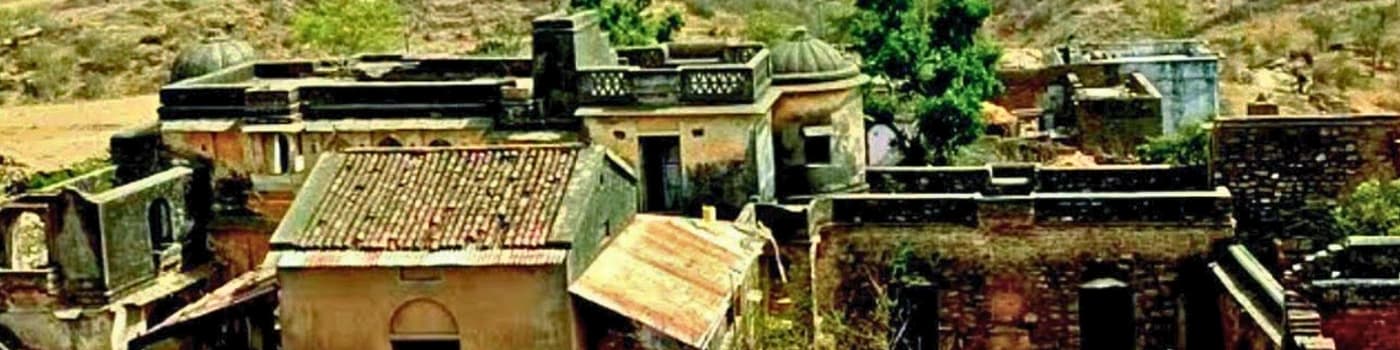
Roopnagar, also known as Rupnagar, is a historic city in northwestern Punjab situated along the banks of the Sutlej River. It is one of the region’s important archaeological centres, with evidence of settlement dating back to the Indus Valley Civilisation. Its location near the Shivalik foothills has shaped its historical development and gives the surrounding landscape a character distinct from the flatter agricultural plains of central Punjab.
The city is particularly known for the Rupnagar archaeological site, where excavations revealed remains associated with the Harappan civilisation and later cultural periods. These discoveries have established Roopnagar as an important destination for understanding the long history of human settlement in the Punjab region. The local archaeological museum preserves artefacts that help explain the development of early communities and their way of life.
Roopnagar also has strong religious and cultural significance. Gurdwaras and temples across the city and its surrounding villages serve as centres of worship, while historic sites connect the area with Sikh heritage. Anandpur Sahib, a major Sikh pilgrimage destination in the neighbouring district, is also within reach of Roopnagar and adds to the wider region’s spiritual importance.
Beyond its archaeological and religious landmarks, Roopnagar is known for its riverine surroundings, green countryside and access to the Bhakra-Nangal region. The nearby wetlands and water bodies attract birdlife, particularly during the migratory season, offering opportunities for nature appreciation. With its combination of ancient history, Sikh heritage and natural landscapes, Roopnagar presents a distinctive side of Punjab for visitors interested in culture and history.
Places to Visit in Roopnagar (Rupnagar)
- Rupnagar Archaeological Museum: The Rupnagar Archaeological Museum preserves artefacts discovered during excavations of the nearby Harappan settlement, one of the earliest Harappan sites excavated in independent India. Its collection includes pottery, seals, copper and bronze objects, coins and sculptures from different historical periods. The exhibits help visitors understand how communities lived and developed in this part of Punjab from the Harappan era through medieval times.
- Rupnagar Archaeological Excavation Site: The archaeological site near the Sutlej River is significant for its evidence of the Indus Valley Civilisation and later settlements. Excavations have revealed successive layers of occupation, offering clues about ancient housing, pottery, tools and cultural practices. The site is particularly important for those interested in the early history of Punjab and the spread of Harappan culture beyond its major urban centres.
- Ropar Wetland: Ropar Wetland, formed around the point where the Sutlej River enters the plains near the foothills, is an important habitat for resident and migratory birds. Its waterside vegetation and varied wetland environment support a range of birdlife and other wildlife. The area is of interest to nature enthusiasts and birdwatchers, especially during the cooler months when migratory species visit the region.
- Gurdwara Bhatta Sahib: Located in Kotla Nihang village on the outskirts of Roopnagar, Gurdwara Bhatta Sahib commemorates an episode associated with Guru Gobind Singh Ji. According to Sikh tradition, the Guru sought shelter at a lime kiln after leaving Anandpur Sahib, and the site later became a place of worship. The gurdwara is an important stop for devotees exploring the religious history of the district.
- Gurdwara Parivar Vichhora Sahib: Situated near the Sirsa River, this gurdwara marks the place traditionally associated with the separation of Guru Gobind Singh Ji from members of his family during a difficult period in Sikh history. The shrine commemorates the hardships faced by the Guru and his followers as they left Anandpur Sahib. Its location and historical associations make it a significant pilgrimage site in the wider Roopnagar region.
- Takht Sri Keshgarh Sahib: Located in Anandpur Sahib, Takht Sri Keshgarh Sahib is one of the five principal Sikh seats of religious authority. In 1699, Guru Gobind Singh Ji founded the Khalsa at this sacred site, marking a defining moment in Sikh history and tradition. The complex is an important pilgrimage destination, with its elevated setting, spacious marble courtyard and displays of weapons associated with Sikh history.
- Virasat-e-Khalsa: Also situated in Anandpur Sahib, Virasat-e-Khalsa is a major museum dedicated to Sikh history, beliefs and cultural heritage. It’s striking contemporary architecture houses galleries that present the lives and teachings of the Sikh Gurus, the development of the Khalsa and important events in Punjab’s past. Multimedia presentations and carefully designed exhibition spaces make the museum a valuable cultural destination.
- Gurdwara Anandgarh Sahib: Gurdwara Anandgarh Sahib in Anandpur Sahib is associated with the fortifications established by Guru Gobind Singh Ji to protect the settlement. The historic site recalls the period when Anandpur became an important centre of Sikh religious and military activity. Devotees visit the gurdwara to pray and remember the events connected with the Guru and the early Khalsa community.
- Guru Tegh Bahadur Museum: Located in Anandpur Sahib, this museum commemorates the life and sacrifice of Guru Tegh Bahadur Ji, the ninth Sikh Guru. Its displays use paintings, portraits and historical presentations to explain his teachings, travels and stand in defence of religious freedom. The museum adds historical context to the nearby Sikh shrines and offers a deeper understanding of the region’s religious legacy.
- Bharatgarh Fort: Bharatgarh Fort is a historic fortification in the Rupnagar district, associated with the region’s princely and military past. Its traditional architecture and elevated location distinguish it from the religious landmarks found throughout the district. Access may depend on the property's current management and permissions, so visitors should check locally before planning a visit.
- Kiratpur Sahib: Kiratpur Sahib is a historic Sikh town on the banks of the Sutlej River, founded by Baba Gurditta Ji under the guidance of Guru Hargobind Sahib Ji. Several Sikh Gurus are associated with the town, and its gurdwaras remain important places of worship. Gurdwara Patalpuri Sahib is particularly significant as a site where many Sikhs bring ashes of the deceased for immersion in the river.
- Bhakra Dam: Located on the Sutlej River near the Punjab–Himachal Pradesh border, Bhakra Dam is one of India's major engineering projects. The massive concrete structure and the reservoir behind it, Gobind Sagar, are closely connected with irrigation, electricity generation and water management across northern India. The surrounding hills and reservoir create striking views, though access to specific areas is subject to security and local regulations.
Best Time to Visit Roopnagar (Rupnagar)
The ideal time to visit Roopnagar is from October to March, when the cooler weather is suitable for exploring archaeological sites, historic gurdwaras and nearby natural attractions. This season is also favourable for visiting Ropar Wetland, particularly for observing migratory birds during the winter months.
- Summer (April to June): Summers are generally hot, with temperatures rising considerably in May and June. Outdoor sightseeing can be tiring during the afternoon, so visits to historical landmarks and religious sites are best planned for the early morning or evening.
- Monsoon (July to September): Rainfall brings relief from the summer heat and adds greenery to the surrounding countryside. However, heavy showers may affect road travel and outdoor activities, particularly around wetland areas and riverbanks.
- Winter (October to March): Winter offers comfortable daytime conditions for exploring Roopnagar’s heritage sites and nearby destinations such as Anandpur Sahib. The cooler months are also suitable for birdwatching at Ropar Wetland, where migratory birds are often seen. December and January mornings can be cold and foggy, so warm clothing is advisable.
How to Reach Roopnagar (Rupnagar)
- By Air: Chandigarh International Airport is the nearest major airport for reaching Roopnagar, located approximately 50–60 km away by road. From the airport, taxis and other road transport options are available for the onward journey.
- By Rail: Rupnagar Railway Station connects the city with selected destinations through regional train services. Travellers can also use Chandigarh Railway Station, which offers broader rail connectivity to major Indian cities, and continue to Roopnagar by road.
- By Road: Roopnagar is well connected to Chandigarh, Ludhiana, Jalandhar and other parts of Punjab through a network of highways and state roads. Regular bus services operate on regional routes, while taxis and private vehicles provide convenient options for reaching the city and visiting nearby attractions, including Anandpur Sahib and Bhakra Dam.


 English
 Chinese (Simplified)
 Dutch
 French
 German
 Hebrew
 Italian
 Portuguese (Brazil)
 Russian
 Spanish
 Arabic