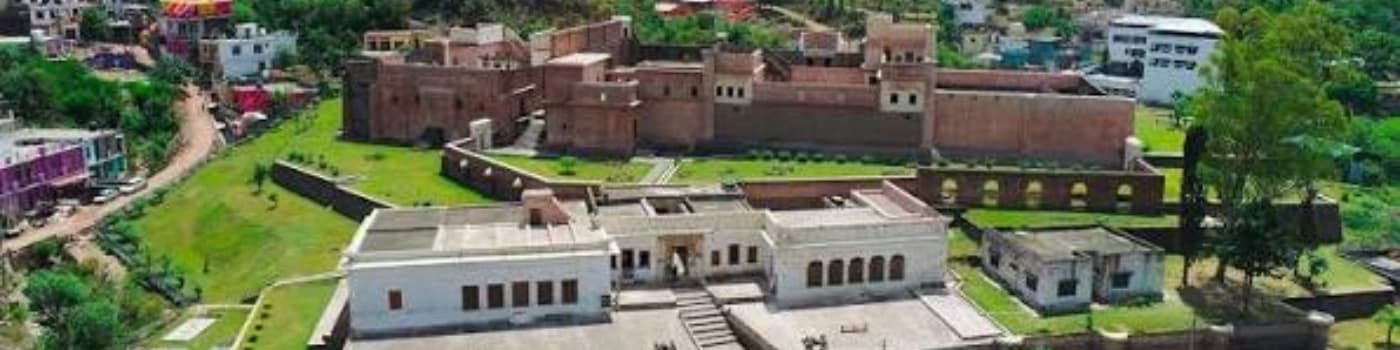
Ramnagar is a town in Nainital district of Uttarakhand, situated along the banks of the Kosi River at the edge of the Kumaon foothills. Best known as a major gateway to Jim Corbett National Park, Ramnagar attracts wildlife enthusiasts, nature lovers and visitors exploring the forests of the Himalayan foothills. Its location between the plains and the hills makes it an important base for safaris, nature excursions and journeys into the wider Kumaon region.
The town’s development has long been connected with agriculture, trade and its position along routes linking the plains with the hills. Today, tourism plays a significant role in the local economy, with resorts, forest lodges and safari operators serving visitors to the surrounding protected areas. Ramnagar Railway Station is also an important arrival point for travellers heading to Corbett, with rail connections linking the town to Delhi and other destinations.
Ramnagar’s identity is closely associated with Jim Corbett National Park, one of India’s best-known protected wildlife areas. The park’s forests, grasslands and riverine habitats support Bengal tigers, Asian elephants, deer and numerous bird species. Safari experiences are available in designated zones, subject to permits, seasonal access and forest department regulations. The surrounding landscape also includes forest corridors, riverbanks and rural settlements that showcase the biodiversity of the Kumaon foothills.
Beyond wildlife tourism, Ramnagar provides access to places of religious, cultural and natural interest. The Kosi River shapes the town’s surroundings, while nearby Garjiya Devi Temple is an important pilgrimage site set on a rocky outcrop beside the river. The wider area offers opportunities to explore forested landscapes, local markets and the traditional life of Kumaon. With its strong connection to wildlife conservation and convenient access to the region’s natural attractions, Ramnagar is an important destination for discovering Uttarakhand’s forest heritage.
Places to Visit in Ramnagar
- Jim Corbett National Park: Jim Corbett National Park is Ramnagar’s most prominent attraction and one of India’s best-known wildlife destinations. Its diverse landscape includes sal forests, grasslands, riverbanks and hills that provide habitats for Bengal tigers, Asian elephants, deer and numerous bird species. Visitors can explore designated safari zones through authorised operators, subject to permits and seasonal regulations. Jeep safaris offer opportunities to experience the forest, although wildlife sightings cannot be guaranteed.
- Garjiya Devi Temple: Situated approximately 10–15 km from Ramnagar, Garjiya Devi Temple stands on a large rocky outcrop beside the Kosi River. Dedicated to Goddess Garjiya, the shrine attracts devotees throughout the year, with particularly large gatherings during Kartik Purnima. Visitors reach the temple by crossing a footbridge over the river, and the elevated setting offers views of the surrounding water and forested hills.
- Dhangarhi Museum: Located near the Dhangarhi entrance to Corbett Tiger Reserve, this museum introduces visitors to the region’s wildlife and conservation history. Exhibits include information about the park’s ecosystems, its wildlife and the work involved in protecting the forest. The museum is a useful stop for understanding the landscape before or after exploring the reserve, subject to current access arrangements.
- Sitabani Forest Reserve: Sitabani, situated near Ramnagar, is a forested area known for its natural scenery, birdlife and religious associations. Unlike the core tourism zones of Corbett Tiger Reserve, it is managed separately and offers a different forest experience. The landscape includes woodland, streams and open patches that attract nature enthusiasts. Visitors should check current entry rules and available activities before planning a visit.
- Corbett Museum, Kaladhungi: The Corbett Museum is housed in the former residence of Jim Corbett in Kaladhungi, approximately 30–35 km from Ramnagar by road. The museum displays photographs, personal belongings and material related to Corbett’s life, writings and connection with the forests of Kumaon. It provides historical context for the region’s wildlife heritage and is a worthwhile excursion for those interested in conservation history.
- Corbett Falls: Corbett Falls is a small waterfall surrounded by woodland near Kaladhungi. A walk through the forest leads to the waterfall, where visitors can enjoy the natural setting and the sound of cascading water. The falls are particularly attractive during and after the rainy season, although heavy rainfall can affect access and trail conditions. Visitors should follow local safety instructions and avoid entering unsafe water areas.
- Kosi River: The Kosi River flows alongside Ramnagar and forms an important part of the area’s natural landscape. Its rocky banks and stretches of flowing water offer scenic views, particularly in areas outside crowded settlements. The river is also associated with local religious traditions and the nearby Garjiya Devi Temple. Water levels can change rapidly, especially during the monsoon, so visitors should avoid unsafe riverbanks and follow local guidance.
- Hanuman Dham: Hanuman Dham, located in Chhoi near Ramnagar, is a temple complex dedicated to Lord Hanuman. The site is known for its elaborate religious architecture, spacious grounds and devotional atmosphere. Pilgrims visit throughout the year, with greater activity on Tuesdays, Saturdays and during Hanuman-related festivals. The complex provides a cultural and spiritual experience alongside Ramnagar’s better-known wildlife attractions.
- Pawalgarh Conservation Reserve: Pawalgarh Conservation Reserve lies in the forested foothills near Ramnagar and is known for its biodiversity and birdlife. Its woodland habitats support a variety of Himalayan foothill species, making the reserve of interest to birdwatchers and nature enthusiasts. The area is also associated with conservation efforts and the wider forest landscape of the Kumaon region. Access and organised activities should be confirmed locally.
- Marchula: Marchula is a scenic settlement along the Ramganga River, reached by travelling through the forested hills beyond Ramnagar. The area is known for its river views, rugged terrain and peaceful surroundings. It provides a quieter alternative to the busier safari gateways and is popular with visitors seeking riverside scenery and a stay amid nature. Road journeys through the region offer views of forested slopes and the changing landscape of the Kumaon foothills.
- Ramnagar Local Market: Ramnagar’s markets reflect the town’s role as a commercial centre for nearby villages and as a gateway for visitors travelling to Corbett. Shops sell everyday goods, regional produce, snacks and travel essentials, while local eateries offer a taste of Kumaoni and North Indian food.
- Nainital: Nainital is a popular hill destination that can be reached from Ramnagar by road, generally in around two to three hours depending on traffic and route conditions. Centred on Naini Lake, the town is known for boating, lakeside walks, Naina Devi Temple and the shops along Mall Road. Its cooler climate and mountain scenery make it a possible extension to a Ramnagar visit, although it is better planned as a full-day excursion or an overnight stay.
Best Time to Visit Ramnagar
The best time to visit Ramnagar is generally from October to June, particularly for wildlife safaris, nature excursions and visits to nearby temples. The town experiences hot summers and a rainy monsoon, while the cooler months offer comfortable conditions for outdoor activities. Since Ramnagar is a major gateway to Jim Corbett National Park, visitors should also consider the seasonal opening schedules of safari zones when planning their trip.
- Winter (October to February): Winter is a popular season for visiting Ramnagar, with cool mornings and pleasant daytime conditions. It is suitable for exploring Garjiya Devi Temple, visiting the Corbett Museum and enjoying the surrounding natural scenery. Early mornings can be cold, and mist may affect visibility. Wildlife sightings depend on several factors, including animal movement, weather and the safari zone visited.
- Summer (March to June): Summer brings warmer temperatures, particularly in May and June, but it is also a popular period for wildlife safaris. As water sources become more limited in some forest areas, animals may be observed near accessible water bodies, although sightings are never guaranteed. Early-morning safaris are generally more comfortable than afternoon outings. Advance reservations are advisable during school holidays and other busy travel periods.
- Monsoon (July to September): The monsoon brings substantial rainfall, turning the surrounding forests and countryside lush and green. However, heavy showers can affect road conditions and outdoor activities. Several core safari zones in Corbett National Park generally close or restrict access during the monsoon, although arrangements vary by zone and season. Visitors should confirm current park schedules and local weather conditions before travelling.
How to Reach Ramnagar
- By Air: The nearest airport to Ramnagar is Pantnagar Airport, approximately 75–85 km away by road. From the airport, visitors can hire a taxi to reach Ramnagar. Flight availability may be limited, so it is advisable to check current schedules before planning the journey. Indira Gandhi International Airport in Delhi is another option, particularly for those travelling from destinations with wider flight connectivity, followed by a longer road or rail journey to Ramnagar.
- By Rail: Ramnagar Railway Station is located within the town and serves as a convenient arrival point for visitors heading to Jim Corbett National Park and nearby destinations. The station has rail connections with Delhi and selected other cities. From the station, local taxis and other transport options are available to reach hotels, resorts and nearby attractions
- By Road: Ramnagar is well connected by road to Delhi, Moradabad, Kashipur, Haldwani and Nainital. Regular bus services and taxis operate on several routes, while private vehicles offer flexibility for exploring the surrounding region. The road journey from Delhi generally takes around 5–7 hours, depending on traffic and road conditions. Travellers planning to visit Jim Corbett National Park should also check the distance to their specific safari entry gate, as different zones are accessed from different locations.


 English
 Chinese (Simplified)
 Dutch
 French
 German
 Hebrew
 Italian
 Portuguese (Brazil)
 Russian
 Spanish
 Arabic