A Marvel of 11th-Century Palatial Architecture in Rajasthan
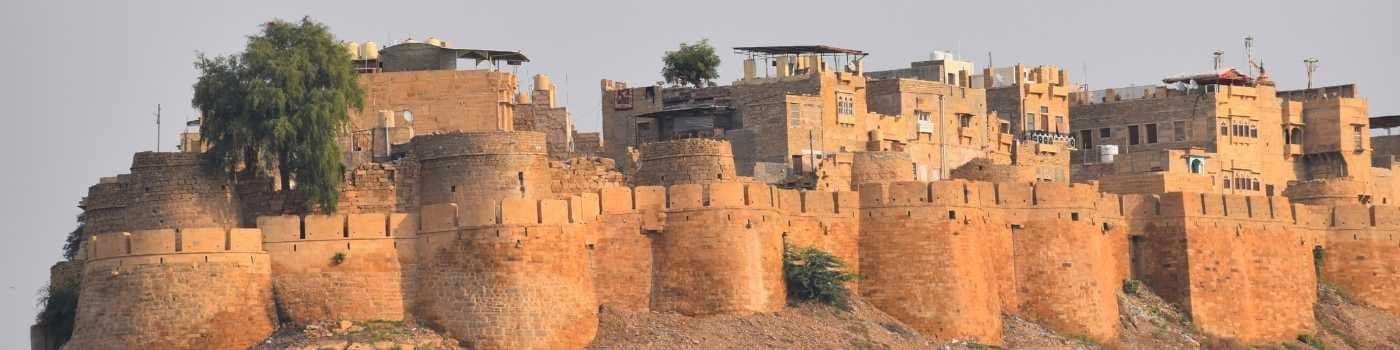
Dating back to the 11th century during the reign of the Bhati Clan, Jaisalmer Fort stands majestically in the city of Jaisalmer, Rajasthan. This fort is renowned worldwide for its magnificent architecture and proximity to the Thar Desert, making it a top destination for travellers.
Unique Yellow Sandstone Architecture
Jaisalmer is famed for its unique yellow sandstone architecture, and Jaisalmer Fort epitomises this splendid craftsmanship. The fort itself, towering at 250 meters, glows magnificently with golden hues during evening lightings.
Attractions Inside Jaisalmer Fort
Within the expansive walls of Jaisalmer Fort, visitors can explore the Royal Palace, Jain Temples, Ganesha Temple, and numerous merchant havelis. The elegant architecture of the fort, often called Sonar Qila (Golden Fort), captivates visitors with its golden glow illuminated by the sun's rays.
Grandeur and Historical Significance
Rising dramatically from Trikuta Hill, Jaisalmer Fort is among the world's largest living forts and a defining symbol of Rajasthan's desert heritage. Built in 1156 AD by Rawal Jaisal of the Bhati Rajput clan, the fort once controlled vital caravan trade routes linking India with Central Asia.
Its formidable sandstone ramparts, intricately carved balconies, and labyrinthine lanes reveal remarkable urban planning suited to arid conditions. Today, thousands of residents still live within its walls, preserving centuries-old traditions. Recognised as a UNESCO World Heritage Site under the Hill Forts of Rajasthan, the fort seamlessly blends royal grandeur, spiritual devotion and everyday life.
Tourist Information
- Best Time to Visit: Plan your visit to Jaisalmer between October and February to experience favourable weather conditions and pleasant temperatures ideal for exploring the fort and its surroundings.
- Attire and Comfort: Wear comfortable, walking-friendly clothing and footwear, as exploring Jaisalmer Fort involves navigating through various sections and alleys within the expansive complex.
- Exploration Tips: Allocate sufficient time to fully explore Jaisalmer Fort, as every corner offers unique sights. Don't miss visiting the serene Lakshminath and Ganesh temples, and be sure to enjoy the breathtaking views of Jaisalmer city from atop the fort's hill.


 English
 Chinese (Simplified)
 Dutch
Dutch French
 German
 Hebrew
 Italian
 Portuguese (Brazil)
 Russian
 Spanish
 Arabic