Pulwama is a town in the Kashmir Valley of Jammu and Kashmir, located southeast of Srinagar amid fertile agricultural land, orchards and mountain foothills. Serving as the administrative headquarters of Pulwama district, the town is an important centre for agriculture, trade and local commerce. The district is widely associated with saffron cultivation, particularly around Pampore, where fields turn vibrant shades of purple during the autumn flowering season.
Agriculture plays a central role in Pulwama’s identity and economy. In addition to saffron, the surrounding countryside supports apple orchards, rice cultivation and dairy farming. The fertile land and favourable growing conditions have made the district an important contributor to Kashmir’s agricultural production. Local markets reflect this rural economy, with seasonal produce and regional goods forming part of everyday trade.
Pulwama also has a rich cultural landscape shaped by Kashmiri traditions, religious heritage and village life. Mosques, shrines and temples across the district serve as places of worship and community gathering. Traditional handicrafts, Kashmiri cuisine and seasonal celebrations remain closely connected with local customs, while settlements around the town preserve the character of the wider valley.
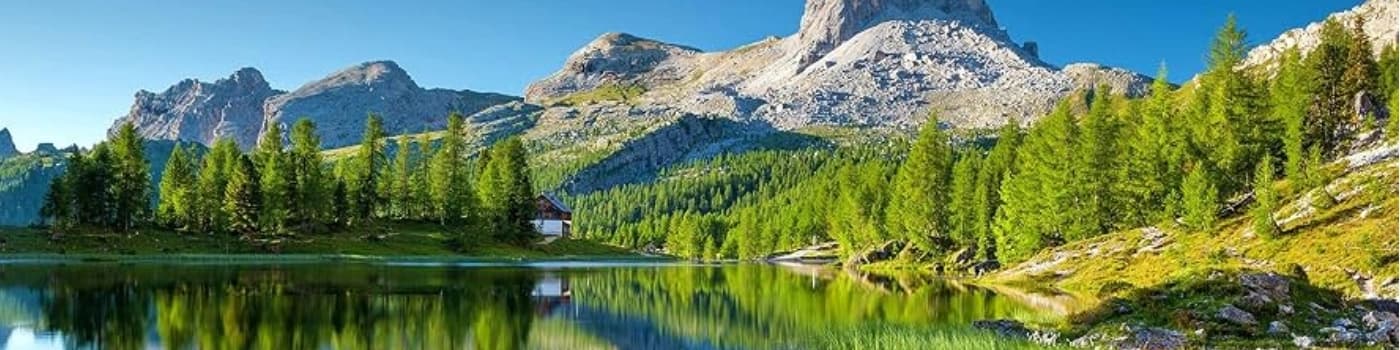
Nature adds to the district’s appeal, with streams, green fields and forested hills creating a varied landscape. Nearby attractions include the saffron-growing areas of Pampore, the historic Avantishwar Temple at Jawbrari and the scenic surroundings of Aharbal Waterfall in the wider south Kashmir region. Higher-altitude areas such as the Tarsar–Marsar trekking region are known for alpine lakes and mountain scenery, although access depends on the season and trekking conditions.
With its agricultural heritage, celebrated saffron fields and access to the natural landscapes of south Kashmir, Pulwama offers a distinctive view of the valley’s rural traditions and seasonal beauty.
Places to Visit in Pulwama
- Pampore Saffron Fields: Pampore, located near Pulwama, is renowned for producing Kashmiri saffron, a prized spice cultivated in the region’s distinctive karewa soil. The fields are especially striking during the flowering season in October and November, when purple blossoms appear across the cultivated landscape. Visitors can learn about the traditional cultivation and harvesting of saffron, although access to working fields should be arranged with local growers. Saffron products are also available through local sellers.
- Aharbal Waterfall: Aharbal Waterfall is a striking natural landmark in south Kashmir, where the Veshu River cascades over rugged rock formations into a deep gorge. Surrounded by forested slopes and rugged terrain, the waterfall is known for the force of its cascading water and the scenic landscape around it. Designated viewing areas offer opportunities to appreciate the falls, but visitors should remain cautious around wet rocks and steep edges, particularly after rainfall.
- Tarsar Lake: Tarsar Lake is a high-altitude alpine lake in the Kashmir Himalayas, known for its clear water and mountain setting. It is generally reached through a multi-day trek from the Aru Valley area near Pahalgam, rather than directly from Pulwama town. The lake is surrounded by grassy slopes and mountain ridges, making it a highlight for experienced trekkers. Access is seasonal and depends on weather, trail conditions and any applicable local requirements.
- Marsar Lake: Marsar Lake lies in a remote high-altitude setting near Tarsar Lake and is often visited as part of the same trekking route. Encircled by steep mountain slopes, the lake is known for its striking scenery and relatively secluded location. Reaching Marsar requires trekking through challenging terrain, so visitors should travel with suitable equipment and experienced local guides. The route is generally most accessible during the summer trekking season.
- Avantishwar Temple, Jawbrari: The remains of Avantishwar Temple at Jawbrari are associated with King Avantivarman, who founded the Utpala dynasty in the 9th century. Dedicated to Lord Shiva, the temple forms part of Kashmir’s early medieval archaeological heritage. The surviving stone structures and architectural fragments provide a sense of the region’s historic temple-building traditions. Visitors interested in archaeology and Kashmir’s ancient history may find the site particularly noteworthy.
- Khrew: Khrew is a settlement near Pampore, known for its connection with the region’s industrial activity and surrounding natural landscape. The area also provides access to saffron-growing country and nearby foothills. During autumn, the wider Pampore region becomes especially interesting for those seeking to understand Kashmir’s saffron industry. Visitors should distinguish between public viewpoints and private agricultural or industrial property.
- Shikargah, Tral: Shikargah near Tral is a forested area traditionally associated with wildlife and hunting grounds of earlier rulers. Today, its wooded surroundings and quiet setting make it a place of natural interest in the Pulwama district. The area is suited to appreciating the forest landscape and local environment, rather than developed tourist facilities. Visitors should confirm current access and local conditions before travelling.
- Nagberan Forest: The Nagberan area near Tral is known for its green mountain scenery, forest cover and fresh-water streams. The surrounding landscape changes considerably with the seasons, with lush growth in warmer months and colder conditions as winter approaches. It can appeal to visitors interested in nature and the quieter parts of south Kashmir. Access to forest areas may be subject to local restrictions, weather and security conditions.
- Kakapora:: Kakapora is a town in Pulwama district with a landscape shaped by farming, orchards and nearby watercourses. It offers a view of the everyday life of Kashmir’s rural settlements, where agriculture remains an important source of livelihood. The surrounding countryside is particularly green during the warmer months, while the harvest season brings activity to local farms and markets.
- Pulwama Town: Pulwama town serves as the district’s main commercial and administrative centre. Its markets offer everyday goods, local produce and a chance to experience the rhythm of a Kashmiri town beyond the major tourist hubs. Visitors can explore the local shopping areas, sample regional food and observe the agricultural links that shape the surrounding district.
Best Time to Visit Pulwama
Pulwama can be visited throughout much of the year, with each season bringing a different character to its landscapes. March to October is generally suitable for sightseeing, exploring the countryside and visiting nearby natural attractions. Spring brings fresh greenery and blossoms, summer offers pleasant conditions in the valley, and autumn is particularly notable for the saffron harvest around Pampore.
- Spring (March to April): Spring brings mild weather, blossoming trees and fresh greenery across Pulwama’s orchards and fields. It is a pleasant season for exploring the town, visiting religious sites and enjoying the surrounding countryside.
- Summer (May to August): Summer is generally comfortable for sightseeing, with relatively pleasant temperatures compared with many parts of India. The season is suitable for exploring nearby valleys, streams and forested areas. Higher-altitude destinations may offer cooler conditions, although access can depend on local weather and road conditions.
- Autumn (September to November): Autumn is a distinctive time to visit Pulwama, especially the saffron-growing areas around Pampore. Saffron flowers typically bloom during October and November, depending on weather conditions, bringing seasonal activity to the fields. The changing colours of the orchards and clear days also make this a rewarding period for photography and countryside visits.
- Winter (December to February): Winter brings cold weather, and snowfall may occur in the surrounding higher elevations. The town and nearby countryside take on a quieter atmosphere, but low temperatures and occasional snow or icy roads can affect travel. Visitors planning excursions into mountainous areas should check local conditions before departure.
How to Reach Pulwama
Pulwama is very well connected by road to Srinagar and other parts of the Kashmir Valley. Although the town does not have its own airport or a major railway station, visitors can reach it through Srinagar and continue by road.
- By Air: The nearest airport is Sheikh ul-Alam International Airport in Srinagar, approximately 30–35 km from Pulwama. The airport has flight connections with major Indian cities. Taxis and other road transport options are available for the onward journey, with travel time depending on traffic and the chosen route.
- By Rail: Pulwama does not have a major railway station serving long-distance trains. Travellers can use railway stations on the Kashmir Valley rail network, such as Srinagar or Pampore, depending on available services and their origin. From the nearest suitable station, the journey to Pulwama can be completed by taxi or local road transport. Train routes and service availability should be checked before travel.
- By Road: Pulwama is connected to Srinagar and neighbouring towns through the regional road network. Regular taxis and local transport operate between Pulwama, Srinagar, Pampore and other nearby destinations. Visitors travelling from other parts of Jammu and Kashmir can reach the town via Srinagar, while those arriving from outside the region can travel onward by road after reaching the valley. Journey times vary according to traffic, weather and road conditions.


 English
 Chinese (Simplified)
 Dutch
 French
 German
 Hebrew
 Italian
 Portuguese (Brazil)
 Russian
 Spanish
 Arabic