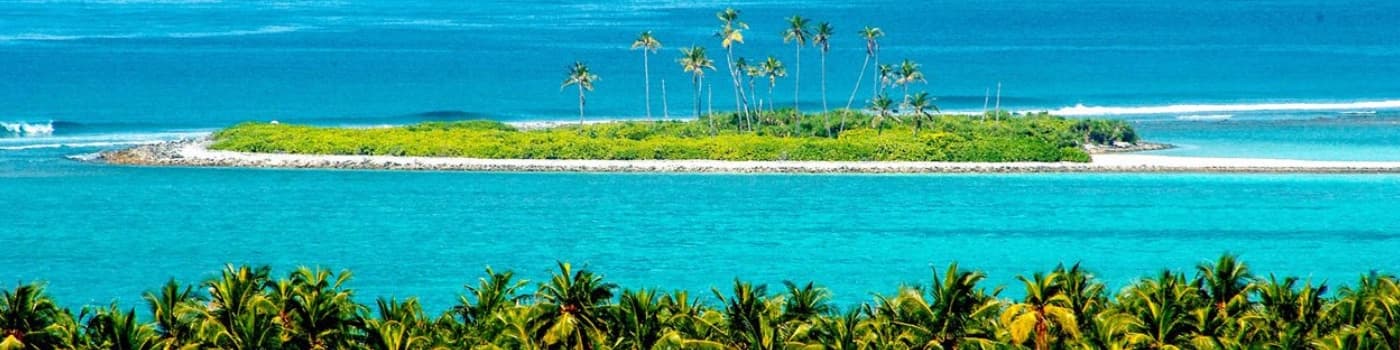
Minicoy, locally known as Maliku, is the southernmost inhabited island of Lakshadweep, located in the Arabian Sea near the northern end of the Maldives. Its crescent-shaped landscape, turquoise lagoon, coral reefs and palm-lined shores give it a distinctive coastal character. Separated from the main Lakshadweep island group by the Nine Degree Channel, Minicoy has developed a cultural identity shaped by centuries of seafaring, trade and contact with neighbouring island communities.
One of Minicoy’s defining features is its traditional maritime heritage. Fishing, particularly tuna fishing, has long supported the local economy, and the island is known for its established methods of catching and processing tuna. Its lagoon and surrounding reef waters also contribute to its natural appeal, with opportunities for marine exploration and water-based activities where permitted and conditions are suitable.
Minicoy’s culture differs in several ways from that of the northern islands of Lakshadweep. Mahl, a language closely related to Dhivehi, is spoken across Minicoy, where traditional music, folk dances and community festivities remain an integral part of local life. The Lava dance, performed during festive occasions, is among the island’s best-known cultural expressions. Traditional village groupings, known locally as avah, remain an important part of its social organisation.
The Minicoy Lighthouse is another notable landmark, offering a connection to the island’s long maritime history and its position along important sea routes. Along with the lagoon, fishing traditions and distinctive cultural practices, it gives Minicoy a character unlike any other island in Lakshadweep. Visitors must arrange the required entry permit and confirm transport and accommodation in advance, as access to the island is regulated.
Places to Visit in Minicoy
- Minicoy Lighthouse: Built during the British period, Minicoy Lighthouse is one of the island’s most recognisable landmarks. Its elevated position offers views of the surrounding coastline and the Arabian Sea. The lighthouse also reflects Minicoy’s long association with maritime navigation and seafaring.
- Minicoy Lagoon: The Island’s lagoon is known for its clear waters, coral formations and calm coastal scenery. The shallow areas create a striking contrast between turquoise water and the white sandy shoreline. Swimming, snorkelling and other water activities may be possible in designated areas, subject to local permissions and sea conditions.
- Viringili Islet: Viringili is a small islet located near Minicoy, known for its sandy shores and natural coastal setting. Its surroundings offer a sense of the island’s distinctive marine landscape, with views of the lagoon and reef environment.
- Manikfan Memorial: The memorial honours Ahmed Manikfan, a respected islander known for his wide-ranging interests and contributions to traditional knowledge and practical innovation. A visit offers an opportunity to learn about a notable figure associated with Minicoy and its community.
- Traditional Villages (Avah): Minicoy is organised into traditional village communities known as avah. Exploring village areas, where permitted, can reveal aspects of local architecture, community life and social traditions. Visitors should respect residents’ privacy and follow local guidance when entering residential areas.
- Tuna Fishing Areas: Fishing, particularly tuna fishing, has long played a central role in Minicoy’s economy and everyday life. The island is known for traditional fishing methods and tuna-processing practices. With local guidance, visitors may learn about these livelihoods and their importance to the community; any visits to working fishing areas should be arranged in advance.
- Minicoy’s Coral Reef Environment: The coral reefs surrounding Minicoy support a diverse marine ecosystem and help shape the island’s lagoons and coastal waters. The reef environment is of interest to those keen to learn about marine life and conservation. Any snorkelling or diving should take place only in authorised areas, with approved operators and appropriate care to avoid damaging coral.
- Local Cultural and Dance Traditions: Minicoy has a distinctive cultural identity expressed through traditional music, folk dances and community celebrations. The Lava dance is among the island’s best-known performance traditions. Cultural programmes may be organised on specific occasions, but availability should be confirmed locally rather than assumed.
- Minicoy’s Coastal Villages and Shoreline: Palm-lined coastal stretches, traditional homes and views across the lagoon give Minicoy a character shaped by its close relationship with the sea. These areas are suited to relaxed walks and observing everyday island life, provided visitors respect local customs and any restrictions on access.
- Local Handicrafts and Traditional Work: Minicoy’s maritime culture is reflected in its practical skills, fishing-related activities and community traditions. Opportunities to learn about local crafts or traditional work may be available through community-led visits or prior arrangements.
Best Time to Visit Minicoy
Minicoy is best visited during the drier months, when calmer seas and more settled weather generally make it easier to enjoy the island’s beaches, lagoon and marine surroundings. As access depends on boat or ship services and local travel permissions, visitors should confirm transport schedules and entry requirements before finalising their plans.
- Winter (October to March): Winter is generally the most suitable period to visit Minicoy. Temperatures are relatively comfortable, rainfall is lower and sea conditions are often more favourable for boat transfers and water-based activities. This season is well suited to exploring the coastline, experiencing local culture and enjoying the island’s lagoon, subject to operational and weather conditions.
- Summer (April to May): Summer brings warmer temperatures and higher humidity. Outdoor activities are best planned for the cooler hours of the day, while the lagoon and coastal scenery remain appealing. Travellers should check sea conditions and activity availability in advance, as weather can affect boat movements and excursions.
- Monsoon (June to September): The monsoon season brings in heavier rainfall, stronger winds which makes the seas rougher. These conditions can disrupt ferry services, boat transfers and water-based activities, making travel less predictable. Visitors considering a monsoon trip should check current transport schedules and local advisories before
How to Reach Minicoy
Minicoy lies in the southern part of Lakshadweep and is accessible through authorised air-and-sea connections. Kochi serves as the principal mainland gateway to the islands. Visitors should arrange their entry permit, accommodation and onward transport in advance, as connections to Minicoy are limited and may vary with the season and weather.
- By Air: Minicoy does not currently have a commercial airport. Travellers can fly to Agatti Airport from Kochi, subject to available flight schedules, and arrange an authorised onward connection to Minicoy. The transfer from Agatti may involve a vessel journey or helicopter service, depending on availability and operational conditions.
- By Train: Lakshadweep has no railway network. Travellers arriving by train can reach Ernakulam Junction in Kochi, Kerala, and continue to the designated departure point for their onward journey to Lakshadweep. From there, they must use an authorised ship or other approved connection to Minicoy.
- By Ship: Passenger ships operate between Kochi and Lakshadweep, and some services connect the mainland directly with Minicoy. The voyage from Kochi generally takes around 14–18 hours, although the duration depends on the service, route and sea conditions.


 English
 Chinese (Simplified)
 Dutch
 French
 German
 Hebrew
 Italian
 Portuguese (Brazil)
 Russian
 Spanish
 Arabic