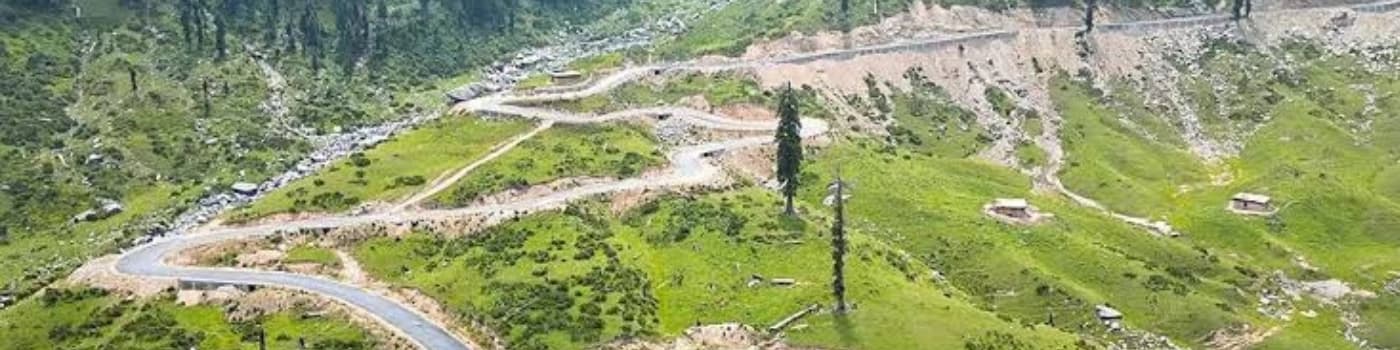
Kathua is a town in the Jammu region of Jammu and Kashmir, located near the border with Punjab and close to the foothills of the Himalayas. Serving as the administrative headquarters of Kathua district, it is an important centre for trade, transport and local commerce. The district’s varied landscape includes river plains, agricultural fields, forested hills and mountain settlements, giving it a character that ranges from bustling market towns to quiet rural surroundings.
Often associated with the historic Dogra region, Kathua has a cultural identity shaped by local traditions, religious practices and its position along routes connecting Jammu with neighbouring parts of northern India. Dogri customs, regional cuisine, folk music and seasonal celebrations remain part of community life. The town and its surrounding settlements are home to temples and shrines that attract devotees throughout the year, reflecting the importance of faith in the region’s cultural landscape.
Kathua district is also known for its agricultural activity and natural resources. The plains support farming, while the higher areas contain forests, streams and scenic valleys. The Ravi River forms part of the district’s wider geographical setting, and the region’s landscape changes noticeably from the warmer lowlands to the cooler foothills. These contrasting environments make Kathua a useful starting point for exploring the lesser-known natural areas of the Jammu region.
The district has several places of historical and religious interest, including the ancient temples of the Basholi area and the heritage town of Jasrota. Basohli is particularly recognised for its distinctive painting tradition, which holds an important place in the artistic history of the region. Nearby lakes, forested areas and hill routes add to the district’s appeal for visitors interested in heritage, rural culture and nature.
With its blend of Dogra traditions, historic settlements, agricultural landscapes and access to the Himalayan foothills, Kathua offers a distinctive perspective on Jammu and Kashmir beyond its better-known hill stations and pilgrimage centres.
Places to Visit in Kathua
- Jasrota Fort: Jasrota Fort stands amid the remains of a historic settlement in Kathua district and is associated with the region’s former ruling families. The ruins offer a sense of the area’s political and architectural past, while the surrounding landscape provides views of the nearby countryside. It is a worthwhile stop for those interested in regional history and heritage.
- Jasrota Wildlife Sanctuary: Located near the banks of the Ujh River, Jasrota Wildlife Sanctuary protects a mix of woodland and natural habitat. The sanctuary is known for its birdlife and wildlife, including deer and other species found in the region. Its wooded surroundings make it an appealing destination for nature enthusiasts, though access and activities depend on forest department regulations.
- Basohli: Basohli is a historic town in Kathua district, celebrated for its distinctive Basohli painting tradition. This style of miniature painting is known for its bold colours, expressive figures and detailed compositions, and forms an important part of the region’s artistic heritage. The town’s temples, old neighbourhoods and setting above the Ravi River valley add to its cultural character.
- Atal Setu: Atal Setu is a cable-stayed bridge across the Ravi River near Basohli, connecting parts of Jammu and Kashmir with neighbouring Punjab. The bridge is a notable piece of modern infrastructure and offers views of the river and surrounding hills. The approach roads also pass through scenic stretches of the region, making the journey itself part of the experience.
- Ranjit Sagar Dam: Built across the Ravi River, Ranjit Sagar Dam is a major hydroelectric and water-storage project near the Kathua–Punjab region. The reservoir is surrounded by hills and offers expansive views of the water and landscape. Visitors should follow local access rules and safety instructions, as certain areas around the dam may be restricted.
- Ujh Barrage: The Ujh Barrage lies on the Ujh River, a major watercourse in Kathua district. The surrounding river landscape changes with the season, from stronger flows during the monsoon to calmer stretches at other times of the year. It is of particular interest to those exploring the district’s river systems and rural scenery; access should be limited to permitted public areas.
- Sukrala Mata Temple: Sukrala Mata Temple is an important pilgrimage site in the hills of Kathua district, dedicated to the goddess Mal Devi, worshipped here as a form of the Divine Mother. Devotees visit throughout the year, with larger gatherings during Navratri. The temple’s hillside setting and strong place in local religious traditions make it one of the district’s best-known spiritual landmarks.
- Mata Bala Sundri Temple: Mata Bala Sundri Temple is a revered shrine in the Kathua region, visited by devotees seeking blessings from the goddess. Religious observances and seasonal gatherings are an important part of the temple’s life, reflecting the area’s longstanding devotional traditions. It is best visited with respect for local customs and any arrangements in place during festival periods.
- Billawar: Billawar is a historic town in Kathua district known for its temples and connections with Dogra cultural heritage. The town serves as a gateway to nearby hill settlements and rural landscapes, where traditional ways of life remain visible. Its religious landmarks and local markets make it a useful stop for understanding the district beyond Kathua town.
- Mahabilvakeshwar Temple: Located in the Billawar area, Mahabilvakeshwar Temple is an old Shiva shrine associated with local religious traditions. The temple is known for its spiritual importance and traditional architecture, and attracts devotees from nearby communities. Its setting in the foothills adds to the sense of a pilgrimage rooted in the region’s natural landscape.
Best Time to Visit Kathua
The best time to visit Kathua is generally October to March, when temperatures are more comfortable for sightseeing, temple visits and exploring the district’s historic towns. Summers can be hot in the plains, while the monsoon brings rainfall that adds greenery to the surrounding countryside but may affect travel on some routes.
- Winter (December to February): Winter brings cool to cold weather, making it a pleasant period for exploring Kathua town, visiting temples and discovering heritage sites such as Jasrota Fort and Basohli. Mornings and evenings can be chilly, particularly in the higher areas, so light woollens are advisable.
- Spring (March to April): Spring brings gradually warmer temperatures and fresh greenery to the district. It is a suitable season for visiting religious landmarks, exploring Basohli and taking drives through the surrounding hills and countryside.
- Summer (May to June): Summer temperatures can rise considerably in Kathua’s lower-lying areas, making outdoor sightseeing more comfortable during the early morning and late afternoon. Higher and shaded areas may offer some relief from the heat, while visitors should carry water and plan breaks during daytime excursions.
- Monsoon (July to September): The monsoon brings rainfall that refreshes the landscape around the Ujh and Ravi river valleys. However, heavy showers may affect road conditions and access to riverside locations. Visitors should check weather updates before travelling, especially when planning excursions near rivers, dams or hilly areas.
How to Reach Kathua
Kathua is well connected to Jammu and neighbouring parts of Punjab by rail and road. Its location near the Jammu–Punjab border makes it accessible for visitors travelling from major cities across northern India.
- By Air: The nearest major airport is Jammu Airport, approximately 85–95 km from Kathua. The airport offers flight connections with several major Indian cities. From Jammu, taxis and other road transport options are available for the onward journey to Kathua, with travel time depending on traffic and road conditions.
- By Rail: Kathua Railway Station is an important rail stop on the Jammu–Pathankot route and is served by trains connecting the region with Jammu, Delhi and other parts of India. Train availability and journey times vary by service, so checking the current timetable is recommended. Taxis and local transport can be arranged from the station to reach the town and nearby attractions.
- By Road: Kathua is connected by road to Jammu, Pathankot and other towns in Jammu and Kashmir and Punjab. National Highway 44 runs through the wider region, providing access for buses, taxis and private vehicles. Regular road transport is available from nearby cities, while travellers can use Kathua as a starting point for visiting Basohli, Billawar and other destinations within the district. Journey times may vary according to traffic, weather and road conditions.


 English
 Chinese (Simplified)
 Dutch
 French
 German
 Hebrew
 Italian
 Portuguese (Brazil)
 Russian
 Spanish
 Arabic