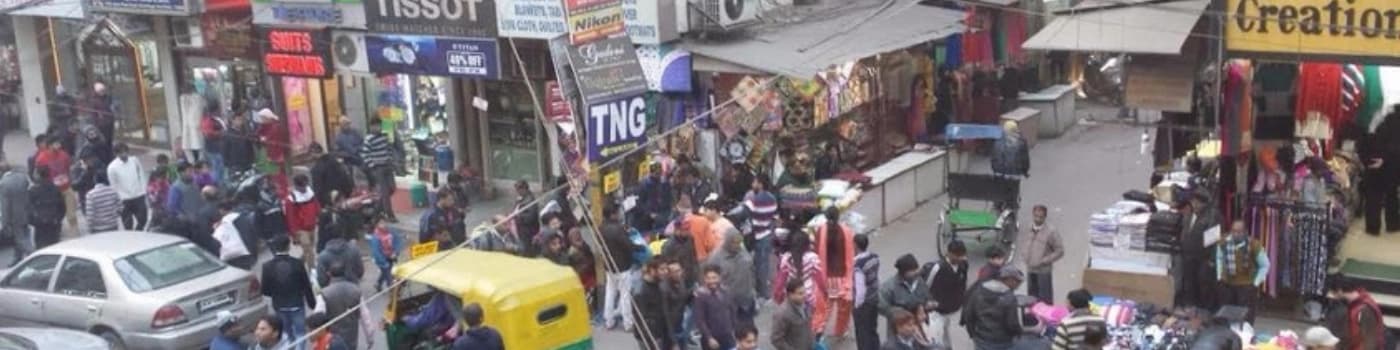
Karol Bagh is one of Delhi’s established commercial neighbourhoods, known for its busy markets, traditional shops, jewellery stores and diverse food scene. Located in central Delhi, the area combines long-standing trading streets with modern retail outlets and residential lanes. Its energetic atmosphere attracts shoppers looking for clothing, accessories, wedding essentials, electronics and household goods.
Ajmal Khan Road is popular for garments, footwear and everyday fashion, while Ghaffar Market draws customers seeking mobile phones, electronics and related accessories. Bank Street is particularly associated with jewellery and wedding purchases. These markets range from compact traditional shops to larger showrooms, creating a varied retail experience within a relatively small area.
Karol Bagh is also known for its food offerings, with restaurants, sweet shops, street-food stalls and long-established eateries serving a range of North Indian specialities and other cuisines. The surrounding streets reflect the neighbourhood’s blend of commercial activity and local life, with temples and other places of worship serving residents and visitors. Festivals such as Diwali, Holi and Durga Puja bring additional colour and activity to the area.
The neighbourhood is well connected to other parts of Delhi through the Delhi Metro, buses and major roads. Karol Bagh Metro Station on the Blue Line provides direct links to several important parts of the capital. Its combination of lively markets, dining options and convenient transport makes Karol Bagh a notable destination for shopping and experiencing the everyday commercial life of Delhi.
Places to Visit in Karol Bagh
- Ajmal Khan Road: Ajmal Khan Road is one of Karol Bagh’s principal shopping streets, lined with clothing stores, footwear shops, accessory outlets and eateries. The market attracts shoppers looking for both everyday fashion and traditional Indian garments. Its busy pavements and closely packed stores reflect the area’s long-standing role as a major retail destination in Delhi.
- Ghaffar Market: Ghaffar Market is a well-known commercial hub associated with mobile phones, electronics, accessories and repair services. Its narrow lanes contain numerous small shops selling a wide range of products. Visitors should compare prices carefully and check product warranties and authenticity before purchasing electronic goods.
- Bank Street: Bank Street is particularly known for jewellery shops, including stores specialising in gold, silver and bridal ornaments. The street attracts families preparing for weddings and other celebrations, with showrooms offering traditional and contemporary designs. It is a prominent stop for those exploring Karol Bagh’s jewellery trade.
- Karol Bagh Market: The wider Karol Bagh Market area includes a mix of textile shops, garment showrooms, footwear outlets, jewellery stores and businesses selling household goods. Its variety makes it suitable for browsing different product categories in one neighbourhood. The market is especially busy during weekends and the festive season.
- Jhandewalan Hanuman Temple: Located near Karol Bagh, Jhandewalan Hanuman Temple is a prominent Hindu place of worship recognised for its large statue of Lord Hanuman. The temple welcomes worshippers year-round, especially on Tuesdays, Saturdays and during major religious festivals. The temple’s striking exterior makes it a noticeable landmark along the nearby road network.
- Jhandewalan Temple: Jhandewalan Temple is a revered shrine dedicated to Goddess Aadi Shakti, located in the Jhandewalan area near Karol Bagh. The temple draws devotees seeking blessings, especially during Navratri, when the precinct becomes more active with worship and celebrations. Its religious significance makes it an important place of worship in central Delhi.
- Gurudwara Bangla Sahib: Situated a short drive from Karol Bagh, Gurudwara Bangla Sahib is one of Delhi’s most important Sikh religious sites. Its golden dome, white buildings and sacred Sarovar create a distinctive setting for prayer and reflection. Visitors can learn about Sikh traditions and observe the community kitchen, where free meals are served to people from all backgrounds.
Best Time to Visit Karol Bagh
To explore Karol Bagh, the cooler months are generally more comfortable for exploring the busy commercial area on foot. The festive season can be particularly lively, while summer and monsoon visits may require some flexibility because of Delhi’s heat and rainfall.
- Autumn (October to November): Autumn is a pleasant time to explore Karol Bagh as temperatures begin to ease after summer. The markets become especially vibrant around Diwali, with shops displaying festive clothing, jewellery, gifts and decorative items. It is a good season for shopping and sampling local food, although crowds may increase considerably before major festivals.
- Winter (December to February): Winter offers comfortable daytime conditions for browsing the markets and visiting nearby places of worship. Temperatures can fall sharply in the mornings and evenings, so carrying warm clothing is advisable. Fog may occasionally affect road and rail travel, while air quality can be poor at times; checking local conditions before heading out is helpful.
- Spring (March): March generally brings milder weather before Delhi’s summer heat intensifies. It is a suitable period for exploring Karol Bagh’s shopping streets, visiting temples and enjoying nearby attractions. Outdoor walks are often more comfortable in the morning or late afternoon.
- Summer (April to June): Summer temperatures in Delhi can become very high, making extended walks through crowded markets tiring during the afternoon. Visitors may prefer to shop earlier in the day or later in the evening, taking breaks at indoor stores and restaurants. Drinking water and protection from the sun are important when spending time outdoors.
- Monsoon (July to September): The monsoon brings rain and humidity, which can make walking through busy market lanes less comfortable. Heavy showers may cause waterlogging or slow traffic, so checking the weather forecast is useful when planning a visit. Shops and indoor dining venues still provide plenty of options during rainy periods.
How to Reach Karol Bagh
- By Air: Indira Gandhi International Airport is the nearest major airport, with domestic and international flights connecting Delhi to destinations across India and abroad. Karol Bagh can be reached from the airport by taxi, app-based cab or public transport. The Airport Express Metro Line connects the airport with New Delhi station, where passengers can change to the Blue Line to reach Karol Bagh.
- By Rail: New Delhi Railway Station and Old Delhi Railway Station are among the major railway stations serving the capital, with trains connecting Delhi to cities across India. Karol Bagh can be reached from these stations by Metro, taxi, bus or other local transport. Karol Bagh Metro Station on the Blue Line provides direct access to the neighbourhood.
- By Road: Karol Bagh is connected to central Delhi and other parts of the National Capital Region through the city’s road network. Local buses, taxis and app-based cab services operate in the area.


 English
 Chinese (Simplified)
 Dutch
 French
 German
 Hebrew
 Italian
 Portuguese (Brazil)
 Russian
 Spanish
 Arabic