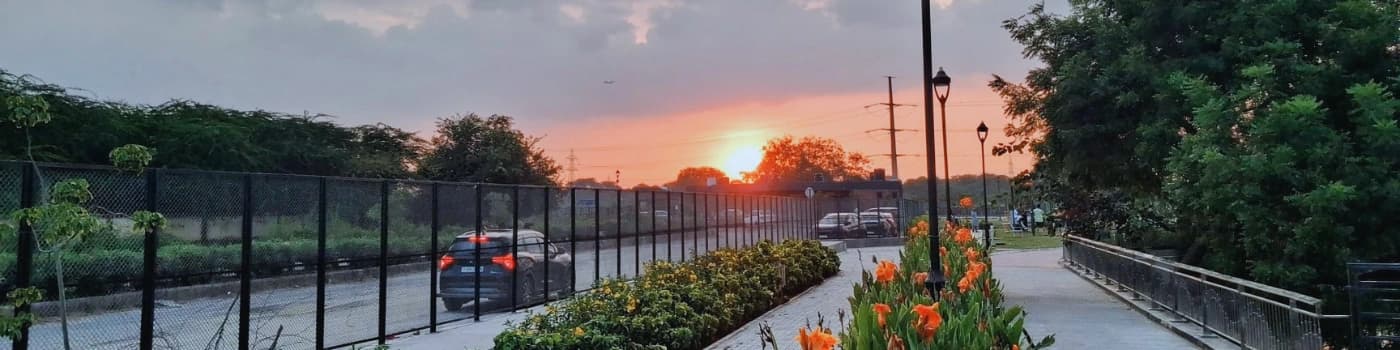
Dwarka is a well-planned sub-city in southwest Delhi, known for its organised residential sectors, broad roads, green spaces and modern infrastructure. Developed as part of Delhi’s planned urban expansion, it has grown into a major residential and commercial area with educational institutions, healthcare facilities, shopping centres and hotels. Its proximity to Indira Gandhi International Airport also makes it a convenient location for business travellers and visitors seeking accommodation away from some of the capital’s busier central districts.
The neighbourhood is divided into numbered sectors, each with residential communities, local markets, parks and essential services. Wide roads and planned layouts distinguish Dwarka from many of Delhi’s older neighbourhoods. Shopping complexes, restaurants and entertainment venues serve both residents and visitors, while the area's metro connections make travel to other parts of the capital relatively straightforward.
Dwarka also has a notable religious and cultural landscape. The ISKCON Temple in Dwarka is a prominent place of worship, drawing devotees for prayers and religious celebrations. The area also has several local temples, gurudwaras and community religious centres that play an important role in neighbourhood life. Seasonal festivals, particularly Navratri, Diwali and Janmashtami, bring communities together through decorations, worship and cultural programmes.
Dwarka offers neighbourhood parks, sports facilities and open spaces suited to walking and outdoor activities. The district’s markets and shopping destinations provide opportunities to explore local food and retail options, while nearby attractions across southwest Delhi expand the range of places to visit. Yashobhoomi, the India International Convention and Expo Centre, has also added a major venue for exhibitions, conferences and business events to the wider Dwarka area.
With its planned infrastructure, residential character, religious landmarks and growing business facilities, Dwarka represents the modern side of Delhi. Its airport access, metro connectivity and mix of everyday amenities make it an important urban district within the National Capital Territory.
Places to Visit in Dwarka, Delhi
- ISKCON Temple, Dwarka: Dedicated to Lord Krishna, ISKCON Temple in Dwarka is a place of worship for devotees and visitors interested in Krishna consciousness. The temple hosts daily prayers, devotional singing and religious celebrations, particularly during Janmashtami. Its peaceful atmosphere offers a spiritual retreat within the modern urban surroundings of southwest Delhi.
- Yashobhoomi – India International Convention and Expo Centre: Yashobhoomi is a major convention and exhibition complex in Sector 25, Dwarka. Designed to host large-scale conferences, trade fairs, exhibitions and business events, the venue features extensive event spaces and modern facilities. Its contemporary architecture and role in India’s business-event sector make it a prominent landmark in the district.
- Vegas Mall: Located in Sector 14, Vegas Mall is a popular shopping and entertainment destination in Dwarka. It houses retail outlets, restaurants, cafés and leisure facilities, providing options for shopping, dining and spending time indoors. Its location near the metro station makes it convenient to reach from different parts of Delhi.
- City Centre Dwarka: City Centre Dwarka is a commercial complex serving the surrounding residential sectors. The area has retail outlets, food options and everyday services used by local residents. It is a practical stop for casual shopping and dining while exploring the neighbourhood.
- Sector 11 Market: Sector 11 Market is one of Dwarka’s neighbourhood shopping areas, with shops selling clothing, groceries, household goods and other daily essentials. Small eateries and local businesses contribute to its lively atmosphere, particularly during the evening. The market offers a look at the everyday commercial life of Dwarka’s residential communities.
- Dwarka Sector 10 Market: The Sector 10 market serves nearby residential areas with shops, food outlets and local services. It is a convenient place to find everyday items and sample casual dining options. The surrounding sector also has parks and residential streets that reflect Dwarka’s planned layout.
- Dwarka District Park: Dwarka has several district parks and landscaped open spaces used by residents for walking, jogging and recreation. These green areas provide a break from the built-up residential and commercial surroundings. Facilities and maintenance vary between parks, so visitors may wish to choose one based on its location and available amenities.
- Dada Dev Mandir: Dada Dev Mandir, located in the Palam area near Dwarka, is a revered local shrine dedicated to Dada Dev. The temple attracts devotees throughout the year, with larger gatherings during religious occasions and festivals. Its longstanding role in the area’s devotional life connects modern southwest Delhi with older village traditions.
- Chhatarpur Temple: Situated beyond Dwarka in south Delhi, Chhatarpur Temple is a large temple complex dedicated primarily to Goddess Katyayani. The grounds contain multiple shrines, ornate architectural features and expansive courtyards. The temple draws many devotees during Navratri and other major religious festivals, making it a notable excursion from Dwarka.
Best Time to Visit Dwarka, Delhi
The best time to visit Dwarka is generally from October to March, when cooler weather makes outdoor activities, shopping and visits to nearby attractions more comfortable. As Dwarka is part of Delhi, it experiences hot summers, a humid monsoon and cool winters. The area’s indoor shopping centres and event venues remain useful options throughout the year.
- Autumn (October to November): Autumn brings a welcome drop in temperatures after the monsoon, making it a pleasant time to explore Dwarka’s markets, parks and religious sites. Major festivals such as Dussehra and Diwali bring decorations and seasonal activity to the neighbourhood. Outdoor sightseeing is usually more comfortable during this period.
- Winter (December to February): Winter is a favourable season for visiting Dwarka, with cool days suitable for exploring local attractions and travelling to other parts of Delhi. Mornings can be foggy, and temperatures may fall considerably at night. Air quality can also be poor at times, so visitors should check local conditions before planning outdoor activities.
- Spring (March): March generally offers moderate temperatures, particularly in the earlier weeks, making it suitable for walks, shopping and short excursions. The weather gradually becomes warmer as the month progresses, and Holi celebrations add colour to the city’s cultural calendar.
- Summer (April to June): Summers in Dwarka are very hot, with daytime temperatures often rising above 40°C during heatwaves. Outdoor visits are best planned for early morning or evening, while shopping malls, indoor entertainment venues and convention facilities offer alternatives during the hottest part of the day. Carry water and use sun protection when outdoors.
- Monsoon (July to September): The monsoon brings rainfall and high humidity, providing some relief from the summer heat. Heavy showers can lead to waterlogging and traffic delays on certain roads. Parks and landscaped areas become greener, but visitors should allow extra travel time and check the weather forecast before making outdoor plans.
How to Reach Dwarka, Delhi
Dwarka is well connected to other parts of Delhi and neighbouring cities through air, rail and road networks. Its proximity to Indira Gandhi International Airport and access to the Delhi Metro make it convenient for both domestic and international visitors.
- By Air: Indira Gandhi International Airport is the nearest airport, located approximately 10–15 km from central Dwarka, depending on the sector and terminal. The airport operates domestic and international flights connecting Delhi with major destinations. Taxis, app-based cabs and airport-linked metro services are available for onward travel to Dwarka.
- By Rail: Dwarka does not have a major long-distance railway station of its own. Visitors arriving by train can use New Delhi Railway Station, Delhi Cantt Railway Station or Hazrat Nizamuddin Railway Station, depending on their train and onward route. Taxis, buses and the Delhi Metro provide connections to Dwarka. The area is also served by multiple metro stations, making travel within the district convenient.
- By Road: Dwarka is connected to other parts of Delhi through major roads and urban arterial routes, including access towards the airport and the wider National Capital Region. Buses, taxis, app-based cabs and private vehicles are commonly used to reach the area. Interstate travellers can arrive through Delhi’s bus terminals and continue by road or metro, with journey times depending on traffic and the destination sector within Dwarka.


 English
 Chinese (Simplified)
 Dutch
 French
 German
 Hebrew
 Italian
 Portuguese (Brazil)
 Russian
 Spanish
 Arabic