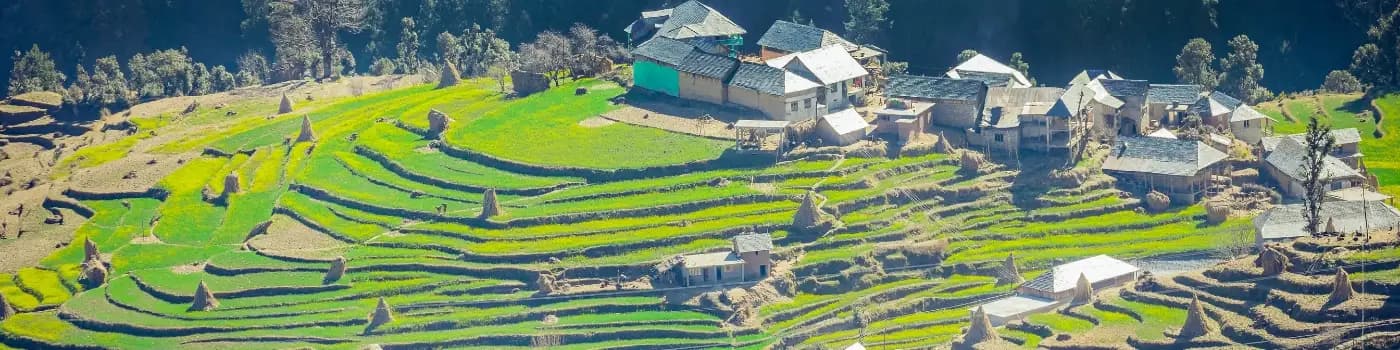
Chamba is a historic town in the northwestern part of Himachal Pradesh, set in the Ravi River valley and surrounded by forested mountains. Known for its ancient temples, distinctive handicrafts and enduring cultural traditions, Chamba has preserved much of its traditional character despite the passage of centuries. Its scenic setting and architectural heritage make it one of the culturally significant destinations in the western Himalayas.
The town’s history dates back to the early medieval period and is closely associated with Raja Sahil Varman, who established Chamba as his capital in the 10th century. The rulers of the former princely state supported the construction of temples, palaces and public buildings, many of which remain important landmarks today. The Lakshmi Narayan Temple complex, with its traditional stone architecture and intricately carved details, is among the town’s most recognised heritage sites.
Chamba is also celebrated for its artistic traditions, particularly Chamba Rumal embroidery, known for its detailed needlework and distinctive designs. Local metalwork, miniature painting and traditional crafts further demonstrate the region’s artistic legacy. The annual Minjar Fair brings together religious ceremonies, processions, folk performances and community celebrations, reflecting the close relationship between local customs and the agricultural calendar.
Beyond the town, Chamba district encompasses a varied mountain landscape, with destinations such as Khajjiar, Bharmour and the high-altitude Manimahesh region. These areas offer opportunities to experience alpine meadows, traditional villages, pilgrimage routes and Himalayan scenery. With its historic monuments, living craft traditions and access to some of Himachal Pradesh’s most striking landscapes, Chamba offers a rich combination of cultural exploration and mountain experiences.
Places to Visit in Chamba
- Lakshmi Narayan Temple Complex: Located in the heart of Chamba town, the Lakshmi Narayan Temple Complex is one of the region’s most important examples of traditional Himalayan temple architecture. Established by Raja Sahil Varman in the 10th century, the complex contains several shrines dedicated to Lord Vishnu and Lord Shiva, along with Radha and Krishna. Its tall stone towers, carved surfaces and slate-roofed wooden canopies reflect architectural adaptations to the mountain climate. The complex remains an active place of worship and a significant landmark in Chamba’s history.
- Bhuri Singh Museum: The Bhuri Singh Museum preserves the artistic and historical heritage of the former Chamba princely state. Opened in 1908, it houses collections of miniature paintings, traditional embroidery, coins, inscriptions, jewellery, weapons and other historical objects. The exhibits illustrate the region’s connections with the Pahari painting tradition and the patronage of local rulers. It is a valuable place to understand Chamba’s development beyond its temples and monuments.
- Chamunda Devi Temple: Situated on an elevated site overlooking Chamba town, Chamunda Devi Temple is a historic shrine dedicated to Goddess Chamunda. Its stone-and-wood construction distinguishes it from many of the town’s taller stone temples. The temple’s position offers views across the Ravi River valley and the surrounding hills. Visitors can reach the shrine by road or by a flight of steps, making it both a religious destination and a scenic viewpoint.
- Champavati Temple: Champavati Temple is associated with the founding story of Chamba and is dedicated to Champavati, the daughter of Raja Sahil Varman. According to local tradition, the king established the town at her suggestion. The temple’s traditional stone architecture and religious importance connect it closely with Chamba’s origins. Its location within the old town makes it a meaningful stop for those interested in the legends and history behind the region.
- Hari Rai Temple: Situated near the Chaugan, Hari Rai Temple is a historic shrine dedicated to Lord Vishnu. Dating to the 11th century, it is known for its traditional shikhara-style structure and an important bronze image of Vishnu depicted with multiple faces. The temple’s modest scale and detailed craftsmanship make it a notable example of Chamba’s medieval religious art.
- Sui Mata Temple: Sui Mata Temple stands on Shah Madar Hill and commemorates Rani Sui, a queen remembered in local tradition for sacrificing her life to secure water for Chamba. The shrine is closely associated with the annual Sui Mela, during which women and children participate in processions and devotional activities. The temple and its surrounding pathways preserve an important story of community welfare, sacrifice and local identity.
- Chandrashekhar Temple, Saho: Located in Saho village, around 18 km from Chamba, Chandrashekhar Temple is an ancient Shiva shrine known for its naturally formed Shiva Lingam. The temple is associated with traditional beliefs linking Lord Shiva’s journey to the Manimahesh region with this part of the valley. Its rural setting beside the Sal River offers a quieter experience than the main temples in Chamba town. An annual fair adds to the village’s religious significance.
- Khajjiar: Approximately 25–26 km from Chamba, Khajjiar is a highland meadow surrounded by dense cedar and pine forests, with a small lake near its centre. The open grassland and mountain backdrop have earned it the popular nickname “Mini Switzerland of India.” Khajji Nag Temple, a historic wooden shrine dedicated to the serpent deity, stands close to the meadow and features traditional carvings. Khajjiar is popular for leisurely walks, photography and enjoying the scenery of the Dhauladhar ranges.
- Chamera Lake: Chamera Lake is a reservoir formed by the Chamera Dam on the Ravi River, around 35–40 km from Chamba. Surrounded by wooded slopes and mountain scenery, the lake offers a striking contrast to the historic streets and temples of the town. Boating and other water-based activities may be available depending on local operating conditions. The area is also appreciated for its peaceful views, particularly when the surrounding hills are reflected in the water.
- Bharmour and the Chaurasi Temple Complex: Bharmour, approximately 65 km from Chamba, was the former capital of the region and remains an important centre of Gaddi culture and pilgrimage. Its principal landmark is the Chaurasi Temple Complex, a group of shrines traditionally associated with 84 yogis. The complex includes the Manimahesh Temple and Lakshana Devi Temple, among other historic structures. Bharmour is also a major base for pilgrims travelling towards Manimahesh Lake and Mount Kailash.
- Manimahesh Lake: Manimahesh Lake lies at a high altitude beneath the sacred Manimahesh Kailash peak in the Bharmour region. It is one of Himachal Pradesh’s significant pilgrimage destinations, attracting devotees during the annual Manimahesh Yatra, usually held in August or September. The lake is surrounded by rugged mountain terrain and offers striking views in clear weather. Reaching it requires a demanding trek, so visitors should prepare carefully, check current conditions and allow sufficient time for acclimatisation.
- Chhatrari Shakti Devi Temple: Situated in Chhatrari village in the wider Chamba region, this temple is dedicated to Goddess Shakti and is noted for its traditional wooden architecture and historic bronze image of the deity. The temple is an important example of the region’s craftsmanship and religious traditions. Its connection with the Manimahesh pilgrimage adds to its significance, as special observances take place during the pilgrimage season.
- Salooni: Salooni is a scenic hill settlement located along a ridge overlooking the Bhandal Valley, around 55–60 km from Chamba. Its elevated position offers expansive views of the surrounding mountain ranges, terraced fields and forested slopes. The area is known for its rural character and serves as a gateway to less-visited parts of Chamba district, including routes towards the Gamgul Siahehi Wildlife Sanctuary.
- Gamgul Siahehi Wildlife Sanctuary: Located in the remote Churah region of Chamba district, Gamgul Siahehi Wildlife Sanctuary protects a landscape of high-altitude forests, alpine meadows and mountain habitats. The sanctuary is associated with Himalayan wildlife, including musk deer, barking deer and several forest-dwelling bird species. Its remote location makes it more suitable for nature enthusiasts who are prepared for mountain travel. Access and wildlife sightings depend on weather, local regulations and field conditions.
Best Time to Visit Chamba
The best time to visit Chamba is generally from March to June and September to November, when the weather is suitable for exploring its historic temples, cultural landmarks and surrounding mountain scenery. The ideal season depends on the places you plan to visit, as higher-altitude destinations such as Khajjiar and Manimahesh Lake experience different weather conditions from Chamba town.
- Summer (March to June): Summer is a pleasant season for exploring Chamba town, visiting its temples and travelling to nearby destinations such as Khajjiar and Bharmour. Daytime temperatures are generally comfortable, although afternoons can become warmer as summer progresses. Higher elevations usually remain cooler, making this period suitable for enjoying the region’s meadows, forests and mountain views.
- Monsoon (July to September): The monsoon brings fresh greenery to the valleys and hills around Chamba, creating attractive scenery. However, heavy rainfall can cause landslides, road disruptions and delays on mountain routes. The season also overlaps with the annual Manimahesh Yatra, usually held in August or September, attracting large numbers of pilgrims. Those planning to attend should check official pilgrimage arrangements and weather conditions before travelling.
- Autumn (October to November): Autumn is one of the most comfortable periods for sightseeing, with generally clear skies and pleasant daytime temperatures. It is well suited to exploring Chamba’s historic temples, visiting the Bhuri Singh Museum and taking excursions through the surrounding valleys. As temperatures begin to fall, evenings can become chilly, particularly in higher-altitude areas.
- Winter (December to February): Winter brings cold weather to Chamba, while higher areas such as Khajjiar and Bharmour may experience snowfall. The season appeals to visitors interested in winter landscapes and quieter sightseeing, but snow and icy conditions can affect access to mountain destinations. Warm clothing is essential, and travellers should check road and weather updates before setting out.
How to Reach Chamba
Chamba is accessible by air, rail and road, although the final leg of the journey involves travelling through the mountainous terrain of Himachal Pradesh. Pathankot is the principal transport gateway for reaching the town, with additional airport options available in the Kangra region.
- By Air: The nearest airport is Pathankot Airport, approximately 120 km from Chamba. Another option is Kangra Airport at Gaggal, around 150 km away, although the exact distance depends on the route. Travellers can continue from either airport by taxi or other road transport. Chandigarh and Amritsar airports are alternatives for those requiring a wider choice of flight connections, followed by a longer road journey.
- By Rail: Pathankot Railway Station, approximately 120 km from Chamba, is the nearest major rail connection. It has train services linking it with several cities, including Delhi. From Pathankot, travellers can continue to Chamba by bus or taxi through the scenic mountain roads of Himachal Pradesh.
- By Road: Chamba is connected by road to major destinations in Himachal Pradesh and neighbouring states, including Pathankot, Dalhousie, Dharamshala, Shimla and Chandigarh. Himachal Road Transport Corporation and private bus operators provide services on various routes, while taxis and private vehicles offer greater flexibility for exploring the surrounding region. As the journey includes winding mountain roads, travel times may vary depending on weather and road conditions.


 English
 Chinese (Simplified)
 Dutch
 French
 German
 Hebrew
 Italian
 Portuguese (Brazil)
 Russian
 Spanish
 Arabic