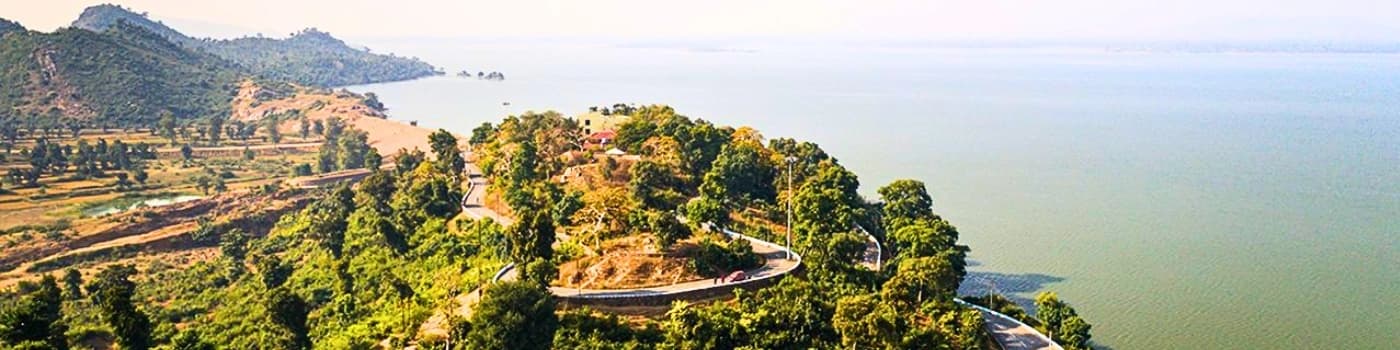
Bilaspur is a town in southwestern Himachal Pradesh, situated in the Shivalik foothills along the banks of the Sutlej River. The district is best known for Gobind Sagar, the vast reservoir formed by the Bhakra Dam, which has significantly shaped the region’s landscape and development. With its surrounding hills, lakeside scenery and connections to the history of the former princely state of Bilaspur, the town offers a distinctive perspective on Himachal Pradesh beyond its popular hill stations.
The history of Bilaspur is closely associated with the old princely state of Kahlur, which was ruled by the Chandel dynasty. The construction of Bhakra Dam in the mid-20th century transformed the region, submerging the former town of Bilaspur and leading to the development of a new settlement at a higher elevation. This major engineering project remains central to the identity of the district and has made the area an important part of northern India’s water management and power generation network.
Gobind Sagar Reservoir is among Bilaspur’s most prominent attractions, with its broad expanse of water surrounded by rugged hills. The reservoir supports fishing and offers scenic viewpoints, while selected areas may provide opportunities for boating and other water-based recreation, subject to local permissions and operating conditions. The Bhakra Dam itself is an important landmark, recognised for its scale and contribution to irrigation and electricity generation.
Bilaspur also has a strong religious and cultural heritage. Naina Devi Temple, perched on a hill overlooking the Gobind Sagar region, is one of the major pilgrimage destinations in Himachal Pradesh and attracts devotees throughout the year. Other temples, traditional fairs and local celebrations preserve the customs of the region. With its blend of historical legacy, religious significance and reservoir landscapes, Bilaspur offers a varied introduction to the lower Himalayan region.
Places to Visit in Bilaspur, Himachal Pradesh
- Gobind Sagar Lake: Gobind Sagar Lake is a vast reservoir on the Sutlej River, created by the construction of Bhakra Dam. Named in honour of Guru Gobind Singh Ji, the lake stretches across a broad valley surrounded by low hills. It is known for its scenic views, fishing and seasonal water-based activities, including boating where facilities are available. During periods of lower water levels, remnants of structures from the submerged old Bilaspur region may become visible, connecting the landscape with the area's history.
- Bhakra Dam: Bhakra Dam is one of India's most significant engineering projects, built across the Sutlej River to support irrigation, water supply and hydroelectric power generation. Rising dramatically above the river valley, the dam created the Gobind Sagar reservoir and transformed the surrounding region. Its scale makes it an important landmark in modern India's development history. Visitor access is subject to security rules and permissions, so arrangements should be checked before planning a visit.
- Shri Naina Devi Temple: Perched on a hill in the Naina Devi area, this revered temple is one of Himachal Pradesh's major Shakti Peeth pilgrimage sites. Dedicated to Goddess Naina Devi, it draws devotees throughout the year, with particularly large gatherings during Navratri. The hilltop location offers sweeping views of Gobind Sagar Lake and the surrounding landscape. Pilgrims can reach the temple by road, and a ropeway may be available depending on operating conditions.
- Kandrour Bridge: Kandrour Bridge crosses the Sutlej River near Bilaspur and is recognised for its impressive height and long span. Completed in 1965, it serves as an important transport link connecting areas towards Ghumarwin and Hamirpur. The bridge is notable for its engineering design and the deep river valley beneath it. The surrounding area offers views of the river and hills, making it an interesting stop for visitors exploring Bilaspur by road.
- Markandeya Temple: Located around 20 km from Bilaspur town, Markandeya Temple is dedicated to the sage Markandeya and is associated with traditional stories of his devotion to Lord Shiva. The temple complex is known for its sacred water source and draws pilgrims, particularly during the annual fair held around Baisakhi. Its setting outside the main town provides a quieter religious destination connected with the region's long-standing spiritual traditions.
- Vyas Cave: Vyas Cave, also known as Vyas Gufa, is a small cave near the Sutlej River associated with the sage Maharishi Vyas, traditionally regarded as the composer of the Mahabharata. A shrine near the cave entrance reflects its religious significance. The site is connected with local legends of meditation and spiritual retreat, and its riverside setting adds to its appeal for visitors interested in mythology and the cultural history of Bilaspur.
- Bahadurpur Fort: Bahadurpur Fort is a historic site in the higher reaches of Bilaspur district, associated with the former princely state's past. The remains stand amid forested hills, with views of the surrounding countryside on clear days. Though much of the original structure has deteriorated, the site offers an opportunity to explore the area's older defensive architecture and learn about its historical importance. Road access and the condition of the approach should be checked locally.
- Tiun Fort: Tiun Fort occupies a hilltop location in Bilaspur district and is associated with the region's former hill-state history. The remains of the fort reflect its earlier defensive role, while the elevated setting provides views across nearby valleys and ridges. Reaching the site may involve walking over uneven terrain, so suitable footwear and awareness of local conditions are advisable.
- Sariun Fort: Sariun Fort is another historic fort site in Bilaspur district, situated in the hilly countryside. Local traditions connect the fort with the region's former rulers and military history. Although the surviving remains are limited, the site appeals to those interested in old hill fortifications and exploring less-visited parts of the district. Visitors should seek local guidance for the approach and accessibility.
- Rukmani Kund: Rukmani Kund is a traditional water site surrounded by greenery and linked to local legends of sacrifice and the protection of the region's water supply. A small shrine adds to its religious significance, and the location is visited by people who value its cultural associations. The site offers a different perspective on Bilaspur's heritage, where natural water sources and community beliefs remain closely connected.
- Deotsidh Temple: Situated at Shah Talai in the wider Bilaspur region, Deotsidh Temple is a major pilgrimage destination dedicated to Baba Balak Nath. Devotees visit throughout the year, particularly during religious fairs and peak pilgrimage periods. The shrine is associated with stories of Baba Balak Nath's spiritual life and attracts visitors from Himachal Pradesh, Punjab and neighbouring states. As the temple can become crowded during festivals, allowing extra time for the visit is advisable.
- New Bilaspur Town: New Bilaspur developed on higher ground after the original town was submerged by the creation of Gobind Sagar Lake. The planned settlement serves as the district headquarters and offers a modern contrast to the region's historic forts and religious sites. Exploring its markets and public spaces provides a sense of everyday life in the district, while viewpoints around the town reveal the reservoir and the surrounding hills.
Major Festivals in Bilaspur, Himachal Pradesh
- Nalwari Cattle Fair: The Nalwari Cattle Fair is one of Bilaspur’s best-known annual events, traditionally held in March. Historically organised as a livestock trading fair, it has developed into a larger cultural gathering that showcases the region’s rural traditions. Cattle trading, local markets, folk performances, wrestling competitions and other recreational activities form part of the celebrations. The fair brings together people from surrounding villages and reflects the agricultural heritage of Bilaspur.
- Shri Naina Devi Navratri Fair: The Navratri fairs at Shri Naina Devi Temple attract large numbers of devotees during Chaitra Navratri, generally in March or April, and Sharad Navratri, usually in September or October. Pilgrims travel to the hilltop shrine to offer prayers to Goddess Naina Devi and participate in special religious observances. The temple surroundings become particularly lively during these periods, with devotional activities and temporary stalls serving visitors.
- Minjar Fair: Although the famous Minjar Fair is primarily associated with Chamba, the broader tradition of seasonal fairs and harvest celebrations is also reflected in communities across Himachal Pradesh. In Bilaspur, local fairs similarly bring residents together through religious observances, cultural programmes and traditional markets. Dates and activities vary by locality, so specific event details should be checked before planning a visit.
- Baisakhi: Baisakhi, celebrated in April, marks the harvest season and holds particular importance for farming communities across northern India. In Bilaspur, the occasion is observed through prayers, visits to religious sites and community gatherings. The festival is also associated with fairs at certain shrines, including Markandeya Temple, where devotees gather for worship and traditional celebrations.
- Dussehra: Dussehra is celebrated in Bilaspur and surrounding areas with religious ceremonies and community events marking the victory of good over evil. Depending on the locality, celebrations may include the burning of Ravana effigies, cultural performances and gatherings at public grounds.
- Diwali: Diwali brings Bilaspur to life with illuminated homes, decorated shops and festive markets. Families worship Lakshmi and Ganesha, exchange sweets and gather for special meals. Temples and neighbourhoods hold religious observances, while the town’s markets become busy with seasonal shopping.
- Mahashivratri: Mahashivratri is observed at Shiva temples throughout Bilaspur district with fasting, prayers and special worship. Devotees visit shrines to offer flowers, water and other traditional offerings to Lord Shiva. The occasion brings together local communities for religious observances and reflects the enduring importance of temple traditions in the region.
Best Time to Visit Bilaspur, Himachal Pradesh
The best time to visit Bilaspur is generally from October to March, when the weather is more comfortable for exploring temples, historic landmarks and the surroundings of Gobind Sagar Lake. The town experiences hot summers and a monsoon season that can affect outdoor activities. Visitors planning to attend the Nalwari Cattle Fair or religious gatherings at Shri Naina Devi Temple may prefer to plan their trip around the relevant festival dates.
- Summer (April to June): Summers in Bilaspur can be hot particularly in May and June. Early mornings and evenings are more suitable for visiting temples, exploring local attractions and enjoying views of Gobind Sagar Lake. Those travelling during this period should carry water, wear light clothing and avoid spending long hours outdoors during the hottest part of the day.
- Monsoon (July to September): The monsoon brings rainfall that refreshes the surrounding hills and countryside. The landscape becomes greener, but heavy showers may affect road travel and outdoor plans. Visitors should check weather forecasts before travelling, especially if planning to explore hilltop temples or rural areas.
- Autumn (October to November): Autumn is a comfortable season for sightseeing, with generally pleasant temperatures and more favourable conditions for exploring Bilaspur’s cultural and religious landmarks. The period is suitable for visiting Shri Naina Devi Temple, the historic sites and viewpoints around Gobind Sagar Lake. Diwali and Dussehra celebrations may also add to the town’s festive atmosphere, depending on the dates.
- Winter (December to March): Winter brings cool to cold weather, particularly in the mornings and evenings, while daytime conditions are often suitable for outdoor sightseeing. This season is a good choice for exploring the town and nearby attractions without the intense summer heat. The Nalwari Cattle Fair, usually held in March, offers an opportunity to experience Bilaspur’s rural traditions and cultural activities.
How to Reach Bilaspur, Himachal Pradesh
Bilaspur is connected to major towns in Himachal Pradesh and neighbouring states by road. Although the town does not have a railway station or commercial airport of its own, travellers can reach it through nearby transport hubs and continue by road.
· By Air: The nearest major airport is Chandigarh International Airport, approximately 135 km from Bilaspur. Shimla Airport is another option, around 85–100 km away by road, though flight services are limited. From either airport, taxis and buses can be used for the onward journey. Travellers should check flight availability and road conditions before finalising their plans.
· By Rail: The nearest broad-gauge railway station is Kiratpur Sahib in Punjab, approximately 65 km from Bilaspur. Anandpur Sahib is another railhead in the surrounding region. From these stations, travellers can continue by taxi or bus to Bilaspur. For long-distance train journeys, it is advisable to check the available connections and onward road transport in advance.
· By Road: Bilaspur lies along National Highway 205, on the Chandigarh–Manali road corridor, and is accessible from Shimla, Chandigarh, Mandi and other towns in Himachal Pradesh. Himachal Road Transport Corporation operates buses connecting Bilaspur with several destinations, while private bus services and taxis offer additional travel options. The journey passes through hilly terrain, so travel time may vary with traffic and weather conditions.


 English
 Chinese (Simplified)
 Dutch
 French
 German
 Hebrew
 Italian
 Portuguese (Brazil)
 Russian
 Spanish
 Arabic