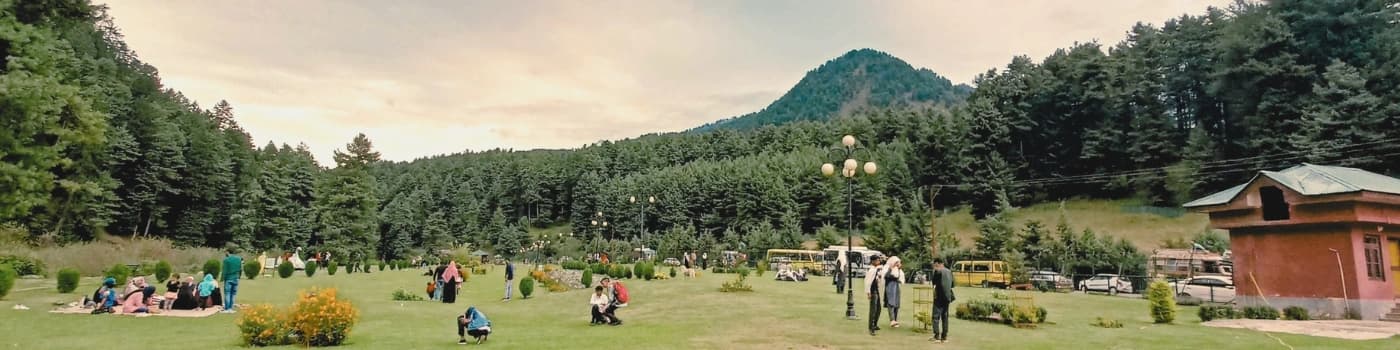
Baramulla is a historic town in the Kashmir Valley of Jammu and Kashmir, situated along the banks of the Jhelum River. Surrounded by mountains, orchards and green countryside, it lies to the northwest of Srinagar and serves as an important centre for trade, transport and regional administration. Its location near the route leading towards Uri and the frontier regions has given Baramulla strategic importance, while its natural setting connects it with some of the valley’s most scenic landscapes.
The town has a long and distinctive history. Traditionally known as Varahamula, Baramulla is associated with the ancient history of Kashmir and its development as a settlement along the Jhelum River. Over the centuries, the region has witnessed the influence of different rulers, religious traditions and cultural communities. This layered past is reflected in its historic religious sites, traditional neighbourhoods and the wider cultural landscape of north Kashmir.
Baramulla’s religious heritage includes temples, mosques and other places of worship that reflect the region’s diverse traditions. The nearby town of Sopore, known for its extensive apple-growing belt, and the historic area of Uri add to the wider region’s agricultural and cultural character. Agriculture, particularly apple cultivation and other horticultural activities, remains important to the local economy, with orchards shaping much of the surrounding countryside.
Nature is another defining feature of Baramulla’s appeal. The Jhelum River runs through the region, while forested hills and mountain scenery provide a picturesque backdrop. The town also serves as a gateway to Gulmarg, a renowned destination known for its alpine meadows, winter sports and panoramic Himalayan views. Other nearby areas offer opportunities to experience rural Kashmir, explore local markets and appreciate the changing scenery across the seasons.
With its historic associations, riverfront setting, agricultural traditions and access to the landscapes of north Kashmir, Baramulla offers a perspective on Jammu and Kashmir that extends beyond the valley’s better-known tourist centres.
Places to Visit in Baramulla
- Eco Park, Baramulla: Located near Khadniyar on the banks of the Jhelum River, Eco Park is a popular recreational spot surrounded by greenery and river scenery. Visitors reach the park through a suspension bridge, which adds to the experience. Its landscaped areas and peaceful setting make it suitable for a relaxed outing and photography.
- Parihaspora Archaeological Site: Parihaspora is an important historical site associated with Kashmir’s early medieval period. It served as a royal capital during the reign of King Lalitaditya Muktapida and later remained connected with the region’s political history. Archaeological remains, including the foundations of ancient religious structures, offer a glimpse into the architectural traditions of an earlier era.
- Wular Lake: Situated near Sopore and Bandipora, Wular Lake is one of Asia’s largest freshwater lakes. Its expansive waters, backed by surrounding hills, create a striking landscape that changes with the seasons. The lake supports local fishing communities and provides habitat for numerous bird species, making the area of interest to nature lovers and birdwatchers.
- Gulmarg: Gulmarg is a renowned mountain resort in the Baramulla district, known for its open meadows, pine forests and views of the Pir Panjal range. In summer, the landscape becomes green and is popular for outdoor activities, while winter brings snow and opportunities for skiing and other snow sports. The Gulmarg Gondola carries visitors to higher elevations, where mountain views and seasonal snowfields can be enjoyed, subject to weather and operating conditions.
- Ziyarat Baba Reshi: Located on the route between Tangmarg and Gulmarg, this revered shrine is associated with the Sufi saint Baba Payamuddin. The complex is known for its traditional architecture and spiritual significance, attracting devotees from different parts of Kashmir. Its mountain setting also makes it a notable stop while travelling through the surrounding region.
- Shiva Temple, Gulmarg: Also known as the Maharani Temple, this hilltop shrine is dedicated to Lord Shiva and is one of Gulmarg’s recognisable landmarks. Its distinctive position makes it visible from several parts of the town. The temple is associated with the Dogra royal family and remains an important place of worship amid Gulmarg’s mountain scenery.
- St. Mary’s Church, Gulmarg: Set amid the mountain landscape of Gulmarg, St. Mary’s Church is a historic stone church noted for its simple architecture and peaceful surroundings. Its pitched roof and traditional design give it a distinctive appearance, especially when the area is covered in snow. The church stands as a reminder of Gulmarg’s development as a hill resort during the colonial period.
- Ferozpora Nallah: Ferozpora Nallah is a mountain stream in the Tangmarg–Gulmarg region, flowing through a landscape of wooded slopes and open countryside. The sound of running water and the surrounding natural scenery make the area appealing for short stops and photography. Conditions vary with the season, and visitors should take care around fast-flowing water.
- Drung Waterfall: Drung, near Tangmarg, is known for its waterfall and rugged mountain surroundings. During warmer months, flowing water runs among rocks and green slopes, while winter can transform parts of the area into an icy landscape. The scenery makes it a popular excursion from Gulmarg, although access and road conditions may change during heavy snowfall or adverse weather.
Best Time to Visit Baramulla
The best time to visit Baramulla is generally from March to October, when the weather is suitable for exploring the town, visiting historical sites and enjoying the natural scenery of north Kashmir. Spring brings fresh greenery and blossoms, summer offers comfortable conditions for sightseeing, and autumn colours the surrounding orchards in warm shades. Winter is ideal for experiencing snowfall and exploring nearby Gulmarg’s snow-covered landscapes, though cold temperatures and road conditions may affect travel plans.
- Spring (March to April): Spring brings a gradual rise in temperatures, with blossoming trees and fresh greenery transforming the surrounding countryside. It is a pleasant period to explore Baramulla’s historical landmarks, visit Eco Park and enjoy views of the Jhelum River. The weather can remain chilly, particularly in the mornings and evenings, so warm clothing is advisable.
- Summer (May to August): Summer generally offers comfortable conditions for sightseeing, exploring nearby towns and travelling to Gulmarg. The surrounding hills and meadows are lush, while longer daylight hours allow more time for outdoor activities. Rainfall can occur, particularly during the later part of the season, so visitors should check local weather and road conditions before travelling to mountain areas.
- Autumn (September to October): Autumn is a particularly attractive season for experiencing Kashmir’s orchard landscapes. Apple harvesting takes place across the region, and the changing colours of trees add character to the countryside. The weather is often pleasant for sightseeing, visits to Wular Lake and excursions towards Gulmarg, although temperatures begin to fall as the season progresses.
- Winter (November to February): Winter brings cold weather, and snowfall may occur in Baramulla and the surrounding mountain areas. Nearby Gulmarg becomes a popular destination for snow activities, including skiing, subject to snow conditions and facility operations. Travellers should carry suitable winter clothing and check forecasts, road accessibility and transport arrangements before setting out, as heavy snowfall may cause delays or temporary closures.
How to Reach Baramulla
- By Air: The nearest airport to Baramulla is Sheikh ul-Alam International Airport in Srinagar, located approximately 55–60 km away by road which has flight connections with major Indian cities, including Delhi, Mumbai and Bengaluru. From the airport, taxis and other road transport options are available for the journey to Baramulla, which generally takes around 1.5–2 hours depending on traffic and weather conditions.
- By Rail: Baramulla Railway Station connects the town with Srinagar and other destinations along the Kashmir Valley railway corridor. The railway network extends through Anantnag, Banihal and onward towards the Jammu region, providing a rail connection with the wider Indian railway network. Travellers can check current train services and connections when planning their journey. Local taxis and other transport options are available from the station to reach different parts of the town.
- By Road: Baramulla is well connected by road to Srinagar, Sopore, Kupwara and other parts of north Kashmir. Regular buses, shared taxis and private cabs operate on routes linking the town with Srinagar and nearby destinations. The road journey from Srinagar generally takes around 1.5–2 hours, depending on traffic and conditions. Travellers heading towards Gulmarg can continue by road via Tangmarg. During winter, snowfall and adverse weather may affect travel times, so checking local road conditions before departure is advisable.


 English
 Chinese (Simplified)
 Dutch
 French
 German
 Hebrew
 Italian
 Portuguese (Brazil)
 Russian
 Spanish
 Arabic