Anantnag is a prominent town in the Kashmir Valley of Jammu and Kashmir, located south of Srinagar amid a landscape of rivers, orchards and mountain foothills. Serving as the administrative headquarters of Anantnag district, the town is an important centre for commerce, education and regional transport. Its location along the route towards Pahalgam also makes it a significant starting point for exploring the scenic valleys and highland landscapes of south Kashmir.
The town has deep historical and cultural roots. Known historically by names associated with Kashmir’s ancient traditions, Anantnag developed around natural springs and water sources that have long supported settlements in the region. Its name is commonly linked to the Sanskrit words Ananta, meaning endless, and Naga, referring to springs or water-associated traditions. These associations reflect the importance of water in the area’s geography, religious life and local identity.
Anantnag’s cultural landscape includes mosques, shrines, temples and traditional markets that reflect the diverse heritage of Kashmir. The town and its surrounding district are also closely connected with horticulture, particularly apple cultivation, which contributes significantly to the local economy. Orchards spread across the countryside, while markets bring together agricultural produce, handicrafts and everyday goods from neighbouring communities.
Nature is one of the defining features of the wider Anantnag region. The Lidder River flows through the nearby Pahalgam area, while mountain streams, meadows and forested slopes shape the surrounding landscape. Popular destinations such as Pahalgam, Kokernag and Verinag are within the district, each known for distinctive natural settings, gardens or historic associations. These places offer opportunities for sightseeing, photography, leisurely walks and exploring the Himalayan environment.
With its historic springs, living cultural traditions, agricultural significance and access to some of south Kashmir’s best-known landscapes, Anantnag offers a rich introduction to the region’s heritage and natural beauty.
Places to Visit in Anantnag
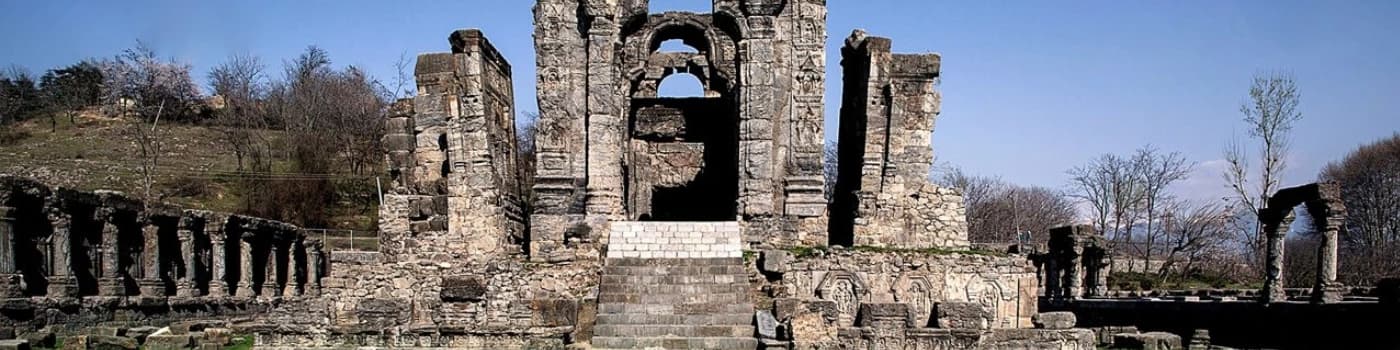
- Martand Sun Temple: Located near Mattan, the Martand Sun Temple is one of Kashmir’s most significant archaeological landmarks. Dating to the 8th century, the temple is traditionally associated with King Lalitaditya Muktapida of the Karkota dynasty and was dedicated to Surya, the Sun God. Its expansive stone courtyard, surviving columns and monumental ruins reveal the scale of its original design. Set on elevated ground, the site also offers wide views across the surrounding countryside.
- Pahalgam: Pahalgam is a popular hill destination in Anantnag district, situated beside the Lidder River and surrounded by forested mountains. Its landscape combines riverside stretches, pine-covered slopes and open valleys, making it a favourite for nature walks, photography and outdoor recreation. Pahalgam also serves as an important base for journeys towards the Amarnath Cave pilgrimage route and nearby valleys.
- Betaab Valley: Betaab Valley lies near Pahalgam and is known for its green meadows, mountain backdrop and the Lidder River flowing through the landscape. The valley gained wider recognition after being featured in the Hindi film Betaab. Open spaces and views of the surrounding peaks make it a popular location for photography and leisurely walks, particularly during the warmer months.
- Aru Valley: Aru Valley is a scenic settlement and meadow area located beyond Pahalgam. Surrounded by coniferous forests and mountain slopes, it offers a quieter setting for enjoying the natural landscape. The village also serves as a starting point for several trekking routes, including trails towards the Tarsar and Marsar lakes. Trekking access and conditions depend on the season, weather and local permissions.
- Verinag Spring and Mughal Garden: Verinag is famous for its deep-blue spring, traditionally regarded as the source of the Jhelum River. Emperor Jahangir commissioned an octagonal stone basin around the spring, while the surrounding garden was developed further during the Mughal period. The carefully arranged stonework, water and garden setting make Verinag an important heritage attraction in south Kashmir.
- Achabal Mughal Garden: Achabal Garden is a historic garden associated with Kashmir’s Mughal-era landscape design. Built around a natural spring at the foot of the surrounding hills, the garden features terraced levels, water channels, fountains and mature Chinar trees. The sound of flowing water and the shaded pathways create a distinctive atmosphere, particularly during spring and summer.
- Kokernag Spring and Botanical Garden: Kokernag is known for its freshwater springs and landscaped botanical garden, set against wooded hills. The spring divides into several channels, and the surrounding gardens feature lawns, flowering plants and mature trees. The area is also associated with trout rearing, adding to its importance beyond tourism. It is a pleasant destination for enjoying the outdoors and exploring the spring-fed landscape.
- Daksum: Daksum is a forested retreat along the route towards Sinthan Pass, surrounded by dense coniferous woodland and the flowing Bringi River. Compared with the busier tourist centres, it offers a quieter natural setting, with opportunities for short walks and enjoying the mountain scenery. The journey itself passes through changing landscapes of forest, stream valleys and open countryside.
- Aishmuqam Shrine: The shrine at Aishmuqam is associated with the revered Sufi saint Sheikh Zain-ud-din Wali. Located on a hillside near the route to Pahalgam, the shrine is known for its religious importance and distinctive setting, with steps leading towards the sacred complex. Devotees visit throughout the year, and the annual celebrations draw people from different parts of the region.
- Mattan Temple and Sacred Spring: Mattan is an important Hindu pilgrimage site near Anantnag, known for its temple complex and sacred spring. The site has longstanding religious associations and is visited by devotees, including pilgrims travelling towards the Amarnath region. The spring and surrounding complex form the central features of the site, while the peaceful setting provides space for prayer and reflection.
- Achabal and Kokernag Countryside: Beyond their principal gardens and springs, the areas around Achabal and Kokernag are known for orchards, cultivated fields and mountain views. Seasonal changes bring blossom in spring and fruit harvests later in the year, giving the countryside a changing character. Exploring these settlements offers a view of the rural landscape and horticultural traditions that are central to life in south Kashmir.
- Sinthan Top: Sinthan Top is a high mountain pass connecting the Kashmir Valley with the Chenab Valley region. The route climbs through forested slopes before opening onto expansive views of mountain ridges and high-altitude terrain. Snow may remain for much of the year, and the pass is popular for its dramatic scenery during accessible periods. Access can be restricted by snowfall or road conditions, so visitors should confirm the route is open before setting out.
- Aharbal Waterfall: Aharbal Waterfall, located in the wider Kashmir region south of Anantnag, is formed by the Veshu River as it plunges through a rocky gorge. The force of the water and the surrounding pine-covered hills make it a striking natural attraction. Viewpoints and walking areas allow visitors to appreciate the falls, but the rocks and paths can be slippery, particularly after rainfall.
Best Time to Visit Anantnag
The best time to visit Anantnag is generally from March to October, when the weather is suitable for exploring its historic sites, Mughal gardens, freshwater springs and the surrounding valleys. Spring brings blossoms and fresh greenery, summer offers pleasant conditions for excursions to Pahalgam and nearby mountain areas, while autumn is known for its colourful orchards. Winter is considerably colder, with snowfall possible in higher elevations and some mountain routes.
- Spring (March to April): Spring transforms the landscape with blossoming trees, flowering gardens and fresh greenery. It is a lovely season to visit Achabal Mughal Garden, Verinag Spring and Kokernag Botanical Garden, where flowing water and emerging blooms add to the scenery. Temperatures can remain cool, especially in the mornings and evenings, so carrying light woollens is advisable.
- Summer (May to August): Summer is a popular period for exploring Anantnag and its surrounding destinations. The relatively mild weather makes sightseeing comfortable, while Pahalgam, Aru Valley and other nearby mountain areas offer opportunities to enjoy rivers, meadows and forest landscapes. Rain showers may occur, particularly during the later part of the season, so visitors should check local forecasts before planning excursions.
- Autumn (September to October): Autumn brings cooler days and colourful scenery to the Kashmir Valley. Apple orchards are active during the harvest period, and the changing foliage adds warmth to the surrounding landscape. The season is suitable for visiting historical sites, gardens and nearby valleys, although temperatures begin to drop towards October.
- Winter (November to February): Winter brings cold conditions to Anantnag, with frost and occasional snowfall possible in the town and heavier snow in nearby higher-altitude areas. The region takes on a quieter atmosphere, while destinations such as Pahalgam may offer snow-covered scenery. Mountain roads, including routes towards Sinthan Top, can be closed or restricted due to snow and ice. Travellers should check road access and weather conditions before departure and carry adequate winter clothing.
How to Reach Anantnag
- By Air: The nearest airport to Anantnag is Sheikh ul-Alam International Airport in Srinagar, approximately 55–60 km away by road which has flight connections with major Indian cities, including Delhi, Mumbai and Bengaluru. From the airport, taxis and other road transport options are available for the journey to Anantnag, which generally takes around 1.5–2 hours, depending on traffic and road conditions.
- By Rail: Anantnag Railway Station is connected to destinations along the Kashmir Valley railway line, including Srinagar, Qazigund and Banihal. This provides a convenient option for travelling within the valley and connecting with the wider railway network. Travellers arriving from other parts of India can check available train connections through Jammu, Udhampur or the operational valley rail network, depending on their route. Train schedules and connections should be confirmed before departure.
- By Road: Anantnag is well connected by road to Srinagar, Pahalgam, Qazigund and other towns in Jammu and Kashmir. National Highway 44 (NH 44) links the town with Srinagar to the north and the Jammu region to the south. Regular buses, shared taxis and private cabs are available on major routes. The road journey from Srinagar generally takes around 1.5–2 hours, while travel times from Jammu are considerably longer. During winter or periods of heavy rainfall, road conditions may affect travel, so checking local advisories before departure is recommended.


 English
 Chinese (Simplified)
 Dutch
 French
 German
 Hebrew
 Italian
 Portuguese (Brazil)
 Russian
 Spanish
 Arabic