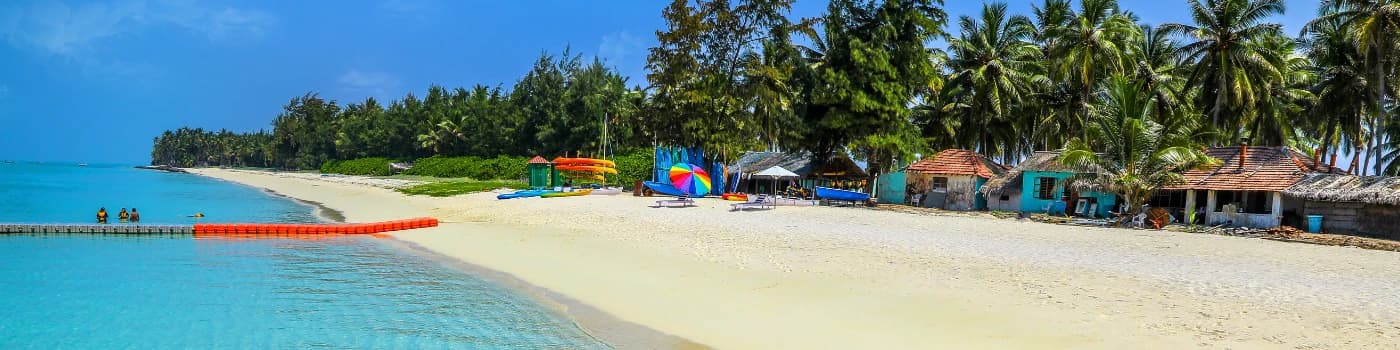
Amini is an inhabited island in Lakshadweep, located in the Arabian Sea between Kavaratti to the south and Kadmat to the north. Although modest in size, the island has a distinctive identity shaped by its long history of settlement, traditional craftsmanship and strong community ties. Coconut palms, coral-stone structures and coastal surroundings form part of its landscape, reflecting the close relationship between the island’s people and their natural environment.
Amini is particularly known for its skilled artisans, who have traditionally worked with coconut shells and coral stone. Local crafts include carved walking sticks, stone engraving and other handmade objects that demonstrate generations of practical knowledge and artistic skill. Folk songs and oral traditions also contribute to the island’s cultural character, preserving stories and customs passed down through the community.
The island’s history is closely linked with the wider story of Lakshadweep. Local accounts describe Amini as one of the earliest settled islands in the archipelago, with a role in the development of communities and maritime connections across the Arabian Sea. Religious traditions are an important part of everyday life, while fishing, coconut cultivation and coir-making have long supported local livelihoods.
Amini offers a different experience of Lakshadweep, centred on living traditions and community heritage rather than large-scale tourism facilities. Visitors should make travel arrangements in advance, obtain the necessary entry permit and confirm transport and accommodation availability before planning a stay.
Places to Visit in Amini
- Amini Island Beach: Amini’s coastline offers a peaceful setting shaped by coral formations, sandy stretches and the waters of the Arabian Sea. The island’s relatively small lagoon gives its coastal scenery a character distinct from some of Lakshadweep’s better-known lagoon destinations. Visitors can enjoy the natural surroundings while following local advice on swimming, sea conditions and permitted activities.
- Traditional Craft Areas: Amini is recognised for its long-standing craftsmanship, particularly the carving of coconut shells and the engraving of stone. Exploring local craft areas, where access is permitted, offers an opportunity to learn about skills passed down through generations. The availability of artisans or demonstrations may vary, so arrangements should be confirmed locally.
- Coconut Groves: Coconut palms are a prominent feature of Amini’s landscape and contribute to the island’s traditional livelihoods. The groves surrounding settlements and cultivated areas provide a glimpse of the island’s rural character and its relationship with coconut-based products. Visitors should remain on accessible paths and respect private land.
- Local Village Settlements: Amini’s settlements reflect the everyday life and community traditions of Lakshadweep. Walking through publicly accessible lanes can reveal local building styles, neighbourhood life and the island’s close-knit social environment. Visitors should dress respectfully and ask permission before photographing residents or their homes.
- Coastal Fishing Areas: Fishing has long been connected with life across Lakshadweep, and Amini’s coastal areas reflect this maritime heritage. From suitable public viewpoints, visitors may observe the shoreline and local fishing activity. Working areas should be approached respectfully, and access should be guided by local advice.
- Coral-Stone Structures: Coral and sandstone have traditionally been used in building on Amini, giving parts of the island a distinctive architectural character. Where older structures can be viewed from public areas, they offer a glimpse of how local construction developed in response to the island’s natural resources. Visitors should avoid entering private or restricted properties.
- Island Shoreline and Reef Environment: The waters surrounding Amini form part of Lakshadweep’s wider coral-reef ecosystem. The reef and its marine life are important features of the island’s natural environment, although activities such as snorkelling or diving should only be arranged where authorised and currently available. Coral must not be touched, damaged or collected.
- Local Cultural Experiences: Amini has a tradition of folk songs and oral storytelling that forms part of its cultural identity. Opportunities to learn about these traditions depend on local arrangements and community participation. Respectful interaction with residents can help visitors better understand the island’s customs, craftsmanship and way of life.
Best Time to Visit Amini
The best time to visit Amini is generally from October to March, when the weather is comparatively pleasant for exploring the island’s settlements, coastal scenery and cultural heritage. Amini has a tropical climate, with warm temperatures and humidity throughout the year. Rainfall and sea conditions can affect transport to the island, so visitors should check current schedules and obtain the required Lakshadweep entry permit before travelling.
- Winter (October to February): Winter is generally the most comfortable season to explore Amini. The milder weather is suitable for visiting local settlements, learning about traditional crafts and enjoying the island’s coastal surroundings.
- Summer (March to May): Summer brings hotter days and increased humidity. Visitors can explore the island during the cooler morning and evening hours, while outdoor activities in the middle of the day may feel tiring. Lightweight clothing, sun protection and adequate hydration are recommended.
- Monsoon (June to September): The monsoon season brings heavier rainfall and periods of rough seas. Boat services may be delayed or disrupted, making travel to and from Amini less predictable. Visitors considering a trip during these months should check official travel updates and allow flexibility in their plans.
How to Reach Amini
Amini is an inhabited island in Lakshadweep and is accessible through mainland connections and onward inter-island transport. Kochi is a major gateway for journeys to the archipelago.
- By Air: Amini does not have an airport. Travellers can fly from Kochi to Agatti, the only airport in Lakshadweep, and then arrange onward sea transport to Amini if a suitable service is operating. Flight schedules and inter-island transfers depend on availability and weather conditions, so the complete journey should be confirmed in advance.
- By Rail: Amini has no railway station. Travellers arriving by train can reach Ernakulam Junction in Kochi, which has connections to major cities across India. From Kochi, they can continue by air to Agatti or explore authorised passenger ship services to Lakshadweep, depending on the route and schedule available.
- By Ship: Passenger ships operate between Kochi and Lakshadweep, but routes and sailing schedules vary. Travellers should check whether a service calls at Amini or whether an onward inter-island transfer is necessary. Journey duration depends on the vessel, route and sea conditions.


 English
 Chinese (Simplified)
 Dutch
 French
 German
 Hebrew
 Italian
 Portuguese (Brazil)
 Russian
 Spanish
 Arabic