

India is a diverse country with numerous geographical landscapes, ancient varied traditions, glorious history, and cultural experiences. Exploring it can be exhilarating and overwhelming for many travellers. You can explore it alone. However, exploring it in a group of friends, with family, or like-minded people offers a different type of travel experience. If you have not experienced it earlier, you may ask why you should opt for group tours. Before answering this question, I would like you to become familiar with what a group tour is.
What is a Group Tour in India?
A group tour is an organised and fixed departure holiday in which several other travellers explore places with you. All members follow the same itinerary, travel together to all respective destinations, and go from one sightseeing site to another in a shared vehicle. Such group tour packages include transportation from a fixed place, accommodation, local transfers, sightseeing, local guides, and even selected meals and activities based on the tour operator.
The transportation of a joint expedition can include a private small vehicle to a large coach/bus depending on the group size. Everything, from transportation and accommodation to sightseeing, you execute or experience with fellow travellers. This expedition could be focused on specific regions or cities. For example, you can take South India group tours. Such a plan can take visitors to a specific state, city or all key places located in the southern part of the country.
Ten Reasons Why Group Tours Are the Smartest Way to Explore India
Here are ten reasons to opt for a group tours:

1. More Exploration in Less Time
India is a vast country. Its attractions lie in its several different regions. Suppose you want to see the Taj Mahal, explore royal streets, cruise on backwaters, and relax on a beach in this country. Organising all, from transportation to sightseeing and local transfers, yourself can be a complicated task and require time investment. Some of you may find it tiresome and overwhelming.
Carefully planned and well-curated India group tour packages make multi-destination holidays easier, as they include everything for comfort and hassle-free travel. For example, take South India Temple, Beach & Backwater Group Tour Package. It takes you to six different destinations in Tamil Nadu and Kerala: Madurai, Rameswaram, Kanyakumari, Kovalam, Poovar, and Trivandrum (also called Thiruvananthapram). This trip plan does not require any arrangement at your end and helps you stay focused on enjoying the journey.
2. More Time Spent Travelling, But No Time on Planning
Planning a holiday can be enjoyable. However, it becomes a job of its own. Apart from determining destinations and related activities, you need to book hotel rooms, check for transport connections, look for local guides, and keep a track of every reservation. The planning can be more demanding, especially for India based on its size and diversity.
With group travel packages in India, much of this job is executed before your arrival at the fixed departure place. The itinerary generally narrates where you will go, what is included, and how you will reach a sightseeing place. Based on the selected plan and travel company, transfers, sightseeing, comfortable accommodation, and local guides may be included.
It means you do not need to worry about logistics, you just need to focus on enjoying the journey and the destination you are for sightseeing or activities. Such an expedition plan is extremely helpful for first-time travellers who have no idea about India.
3. Socialisation with Exploration
Travelling is exciting when you have someone to share your experience with. On an expedition, you might explore the Hawa Mahal, try to put on a local outfit and taste a dish before that, or get totally immersed in local cultural performances.
Group tours naturally provide an opportunity for this. For instance, if you are a solo traveller, you may appreciate the company you are having without organising a trip around your family members, friends, or colleagues. You can reach a destination on your own and have people around you during excursions, meals, or sightseeing. But no one of them can go with you throughout a journey.
But a joint expedition offers you the company of like-minded people throughout the trip. The group might have people with several different travel styles and personalities. However, it makes sharing travel experiences with one another easier and offers an opportunity to meet and connect to people with different backgrounds. It can help you grow your personal as well as professional network.
4. Shared Travel Costs
Opting for group tour packages for a holiday is beneficial, as it provides you a chance to get some expenses shared. In general, there is no arrangement of local guides, certain activities, and vehicles for local transfers. A traveller has to make a customisation request or an exclusive holiday plan based on their travel style, needs, and preferences.
On the other hand, a traveller of a joint expedition has to do nothing except select a plan. From transportation and stays to sightseeing, activities, and local transfers, everything is arranged and costs you at a group tour rate. It means you may get almost everything during the journey at a lower cost.
But it does not mean every joint expedition is cheaper than independent travel. The prices vary a lot based on the hotel category, group size, itinerary, local transportation, and inclusions. Here, the good thing is you have the benefit of cost predictability. You have a clear idea about the primary expenses of your holiday before you start travelling.
5. Better Local Experiences with Experienced Guides
Exploring a monument like the Red Fort in Delhi is one thing. Understanding its importance is another. India has a glorious history of thousands of years, and its landmarks have their own stories. A professional and knowledgeable local guide explains the background of a monument, temple, palace, historic landmark, or attraction in a way you might miss on your individual trip. The storytelling at each site can make you be close to a particular attraction and feel it differently.
There are 45 Indian sites on the list of the UNESCO World Heritage List. It includes the Taj Mahal, Hampi, Jaipur City, Agra Fort, Ellora Caves, Great Living Chola Temples, the Mountain Railway of India, etc. Here, you should keep in mind India’s heritage is not limited to buildings; it includes cultural sites too, such as Durga Puja in Kolkata, Kumbh Mela, and Garba of Gujarat.
A good local guide can help you connect to these places and traditions to the history and communities behind them. This additional context without any prior arrangement can turn your sightseeing into a rich travel experience on a shared journey.
6. Convenient Local Cultural Experience
India is a culturally rich country. It changes a lot from one region to another. There are huge differences in language, food, clothing, music, agriculture, and festivals within a distance of a few hundred kilometres. A journey with one of the well-curated India group tour packages can introduce visitors like you to experiences they may not arrange themselves.
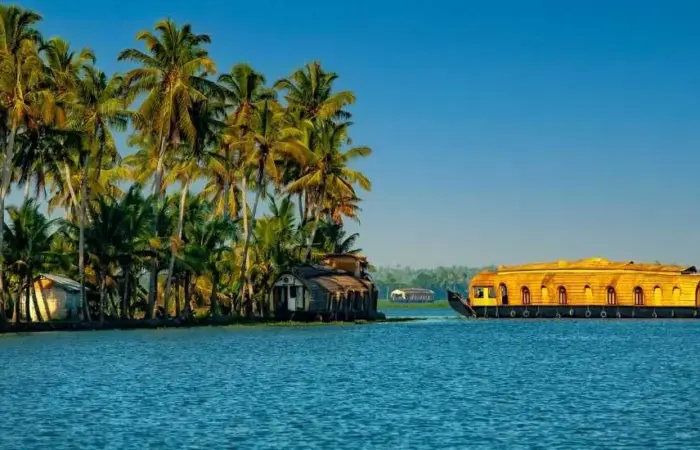
Based on the destination, the local culture experience could be a village visit, a cooking demonstration, or a craft workshop. For example, Rajasthan is famous for its palaces, forts, cuisine, cultural traditions, and crafts. Kerala offers a completely different experience with its network of backwaters, coastal landscapes, traditions, and cuisine. Here, the point is more than visiting a place; it is getting closer and experiencing a place like locals.
7. Support in Tough Time
On a trip, everything usually does not go according to the planned schedule. A flight or train may be late. A transfer may be longer than expected. It is possible that you may struggle to find your hotel or realise that you have taken a local custom wrong. You need to solve all these issues on your own when you are travelling alone.
On an organised joint expedition, especially with group tour packages in India, there is a tour manager, leader, local representative, or guide who helps visitors with such practical travel issues. The support could be reassuring and removing obstacles.
It is crucial to keep in mind that organised trips do not remove every problem. Unexpected changes and delays can still happen. The basic advantage is you have someone familiar with the itinerary and can help you face the problems easily.
8. Improved Safety and Peace of Mind
For a visitor, safety is top priority, particularly at a new place in a country like India. Encounters with unfamiliar customs, going through crowded markets, being at a busy airport/railway station, etc. can make travellers feel daunting. A well-organised group tour provides a safe and secure environment.
Established tour operators like Cholan Tours use only verified transport means, arrange accommodation at reputed hotels, and comprehend local dynamics to ensure visitors a safe trip to Delhi, Mumbai, Munnar, or Trichy.
9. No Language Barrier
India has 22+ officially recognised languages and hundreds of local dialects. It makes communication challenging, particularly away from a notable tourist hub. Most group tour packages are available with a tour leader who speaks the local language of a particular rural area. This availability makes your interaction with locals easier and more comfortable when you are shopping for textiles, placing an order for a regional food, or handling unexpected situations. Local guides ensure nothing is lost in translation.
10. Itinerary Selection Flexibility
India is not a country that you can explore in a single trip. It means you do not need a holiday plan that tries to cover the whole country. Instead, you should pick the itinerary that includes what you actually want to experience. You can choose a shared journey program based on the following themes or a mix of two-three themes:
- History & architecture: Delhi, Jaipur, Mysore, Hampi, and Khajuraho.
- Nature and wildlife: Itineraries featuring national parks, the Western Ghats, and the Himalayas, such as Ooty, Munnar, Periyar National Park, and Sundar Ban.
- Beaches: Goa, Kovalam, Varkala, and Rameswaram.
- Culture and spirituality: Madurai, Mahabalipuram, Varanasi, Tirupati, etc.
How to Choose the Right Group Tour in India
When you think of a joint expedition and start looking for group tour packages, you can come across numerous options. It can make you confused. Following the steps mentioned below can help you select the right plan for a shared journey in India:
- Start with the destination where you want to go.
- Take the package price as a secondary thing.
- Clarify your holiday expectation: historic landmarks, cultural sites, coastal experience, adventure, or a mix of two-three things.
- Think about the travel pace and the relaxation time between two attractions.
- Never ignore the group size; consider the group size carefully, as smaller and larger groups offer different travel experiences.
- Carefully go through the inclusions and exclusions.
If you are considering an organised trip, Cholan Tours currently offers group itineraries across South India, including Tamil Nadu, Kerala and Karnataka. Travellers can compare destinations, durations, and available departures before choosing a suitable itinerary.
Experience Group Tours in India with Cholan Tours
Are you excited about experiencing a joint expedition in India? If yes, we, Cholan Tours, are the ideal tour operator you can rely on. We are an ISO 9001:2015 certified travel & tourism company and approved by the Ministry of Tourism, Government of India. Since our inception in 1999, we have been helping domestic and international customers explore India at their pace and comfort. On your request, we can make your shared journey experience better with our carefully planned and well-curated group travel packages in India. Get in touch with us now.
FAQs
Q1. Is taking a group tour in India worth it?
If you value organised transport, convenience, socialisation, and local guidance, a group tour in India is worthy. Such a travel plan is ideal for people who do not want to arrange anything themselves.
Q2. Are group tours good for solo travelers?
Yes, they are. Group tours provide the travel independency while offering a company to solo travellers. You must check the group size before booking a plan.
Q3. What do group tour packages usually include?
Inclusions vary a lot from one tour operator to another. However, they usually include accommodation, sightseeing, local transfers, professional guides, entrance fees, and selected meals and activities. Going through the inclusions is crucial.
Q4. How many days are enough for an India group tour?
There is no ideal length of a group tour in India. A short tour of 5-7 days is enough for a region, while 15-21 days are required for a deeper experience.
Q5. Which is better – a small or large group tour?
It depends on you what you want. For an intimate experience, a small group tour is better. A large group is ideal when you want more social opportunities.