
India is a country of breathtaking landscapes, vibrant colours, and diversified cultures. It gives photographers limitless opportunities. Whether you are an amateur or a professional photographer, you will get several moments and stunning backdrops to capture. Keep reading this post to know more about these photogenic destinations.
Taj Mahal, Agra
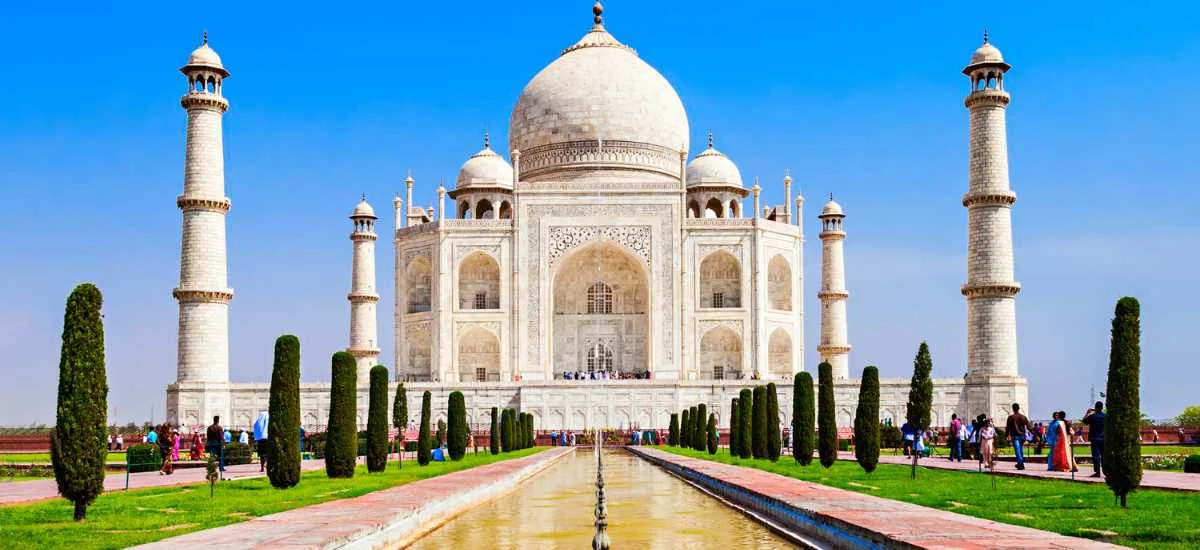
No list of photogenic destinations in India will be complete without the iconic Taj Mahal. This architectural marvel, carved from white marble, stands as a testament to love. It is among the most photographed monuments in the world. Visit it during sunrise or sunset to capture the Taj at its most glorious.
It is a UNESCO World Heritage Site. It is situated on the bank of the Yamuna River in Agra. Its symmetrical design, intricate inlay work, and the ethereal beauty of the white marble, which changes colour with the light of the day, make it a photographer’s dream.
The reflection of the Taj in the water channels adds an extra layer of beauty to your shots. Don’t miss the chance to capture the Taj Mahal from Mehtab Bagh on the other side of the river for a different perspective.
Varanasi, Uttar Pradesh
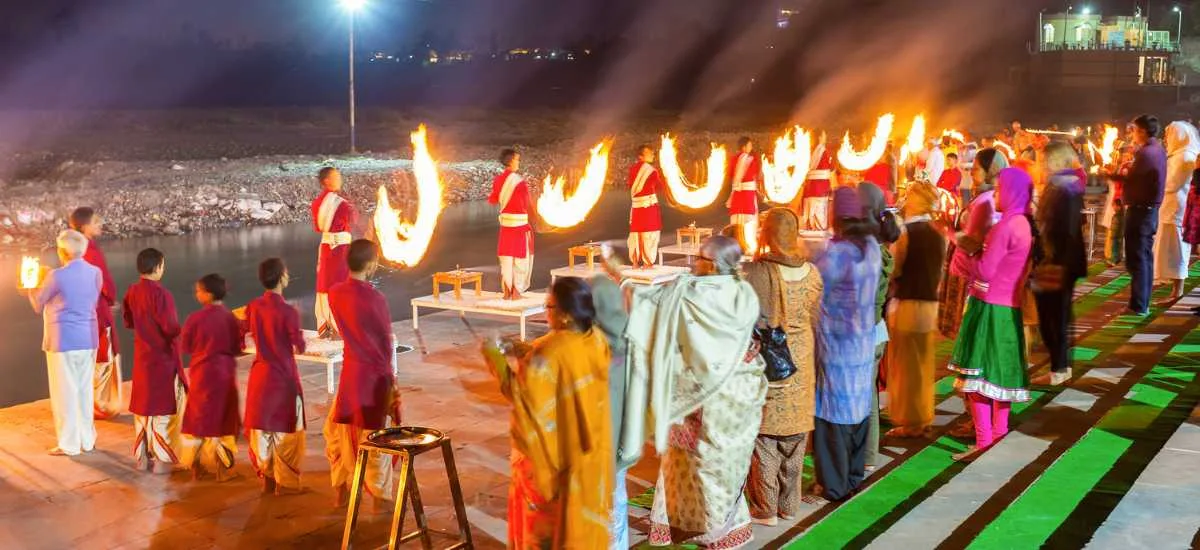
Varanasi is one of the oldest living cities in the world. It offers a perfect example of spirituality. The ghats along the River Ganges are particularly photogenic, especially during the evening aarti (prayer ceremony). The vibrant colours, rituals, and the river’s reflections create mesmerising scenes.
This city is acknowledged as the spiritual capital of India. It is a good place to experience cultures, rituals, and traditions. The city’s labyrinthine alleys, bustling markets, and the serene ghats provide endless photographic opportunities.
The Dashashwamedh Ghat comes alive during the Ganga Aarti. It is a daily ritual in which priests and devotees offer prayers to the River Ganges. The sight of priests performing the aarti with lit lamps, accompanied by the sounds of bells and chants, creates a mesmerising and spiritually charged environment.
Capture Varanasi’s essence by exploring its narrow streets. In those streets, every turn reveals a new story. Do not forget to take a boat ride at dawn to capture the city’s reflection on the Ganges’ calm waters.
Jaipur, Rajasthan
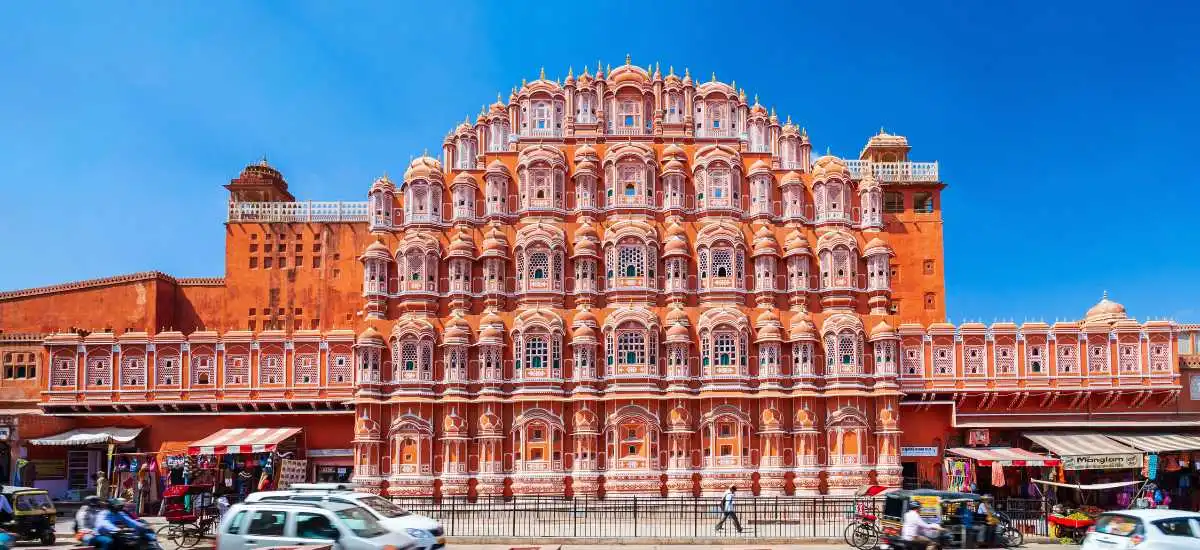
Famous as the Pink City, Jaipur is a photographer’s paradise. From the beauty of Amber Fort to the ancient Hawa Mahal and the busy markets, each corner of this city has its own story. The city’s regal architecture and vibrant colours provide endless photography opportunities.
Jaipur is highly acknowledged for its majestic palaces, forts, and vibrant markets. The city’s distinctive pink-coloured buildings are a symbol of hospitality. They offer a unique charm.
Amber Fort, with its majestic ramparts and intricate mirrorwork, offers panoramic views of the city and surrounding hills. The Hawa Mahal (Palace of Winds) offers an excellent subject for architectural photography.
The bustling Johari Bazaar and Bapu Bazaar are acknowledged for their colourful textiles, jewellery, and handicrafts. They provide a vivid glimpse of local culture. Capture Jaipur’s essence. For this, visit the city during the Elephant Festival and the Jaipur Literature Festival for vibrant cultural displays.
Explore Rajasthan Desert & Palace Tour with our 9 Days 8 Nights Tour Package.
Backwaters, Kerala
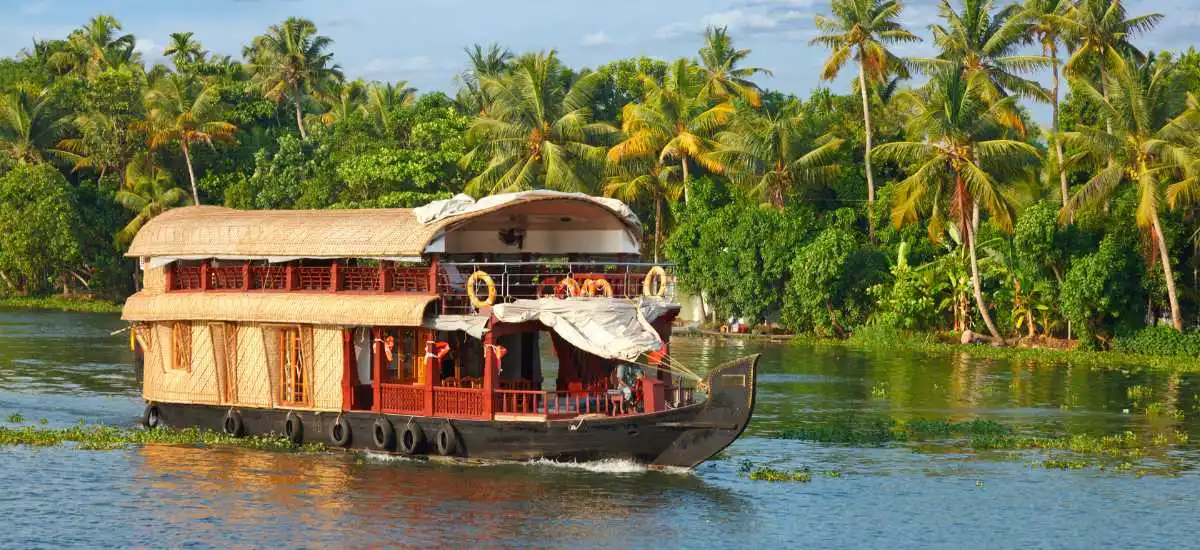
The serene backwaters of Kerala offer a tranquil escape and stunning landscapes. Renting a houseboat and cruising through the palm-fringed canals gives you the chance to capture the lush greenery, traditional villages, and beautiful sunsets that make Kerala so special.
Kerala’s backwaters are a network of interconnected canals, rivers, and lakes that stretch along the Arabian Sea coast. Alappuzha, often called the “Venice of the East,” is the hub of Kerala’s backwaters.
Hiring a traditional houseboat, known as a kettuvallam, on rent allows you to leisurely and conveniently explore the tranquil waters. As you go through the narrow canals, you will encounter lush paddy fields, coconut groves, and charming villages where daily life revolves around the waterways.
The reflections of palm trees in the water and the serene environment create a perfect setting for photography. Click the golden hues of the sun setting over Vembanad Lake for a truly unforgettable image.
Ladakh
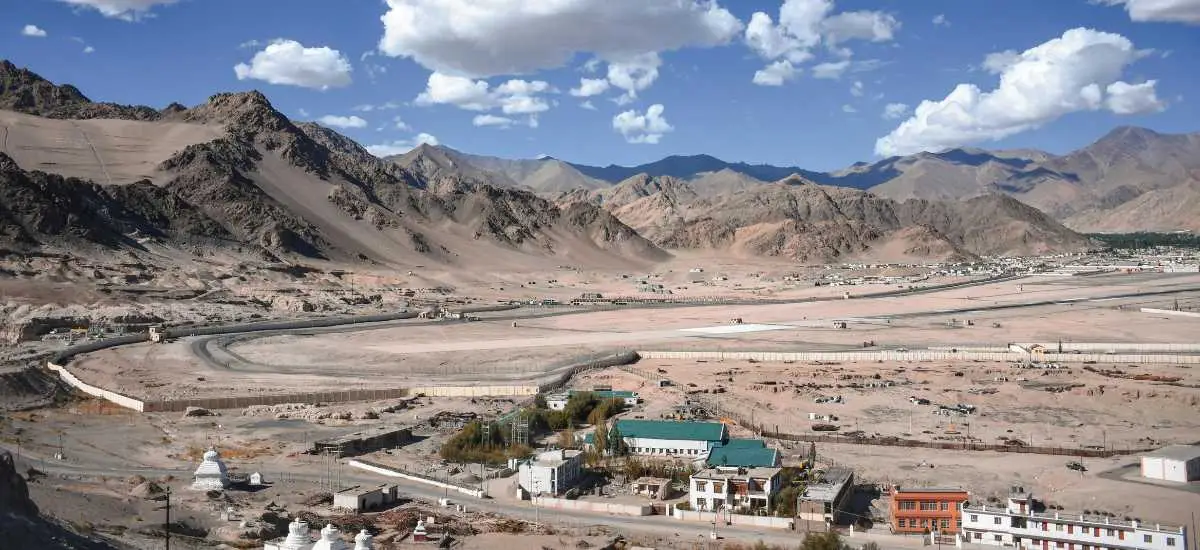
Ladakh’s stark, high-altitude desert landscape is unlike any other in India. The dramatic mountains, crystal-clear lakes and the ancient monasteries perched on cliffs make it a dream destination for photographers.
Ladakh is a high-altitude desert known for its rugged terrain, serene monasteries, and stunning landscapes. This region is home to both photographers and adventure seekers.
Pangong Tso is a high-altitude lake. Its colour changes with the sunlight. The whole event creates a mesmerising view/scene. Tso Moriri, another high-altitude lake, is equally captivating for its crystal clear waters and snow-covered peaks. The dramatic landscapes, clear skies, and unique light conditions make Ladakh a haven for photographers seeking to capture nature’s beauty.
Explore Majestic Ladakh Tour with our 7 Days 6 Nights Tour Package.
Hampi, Karnataka
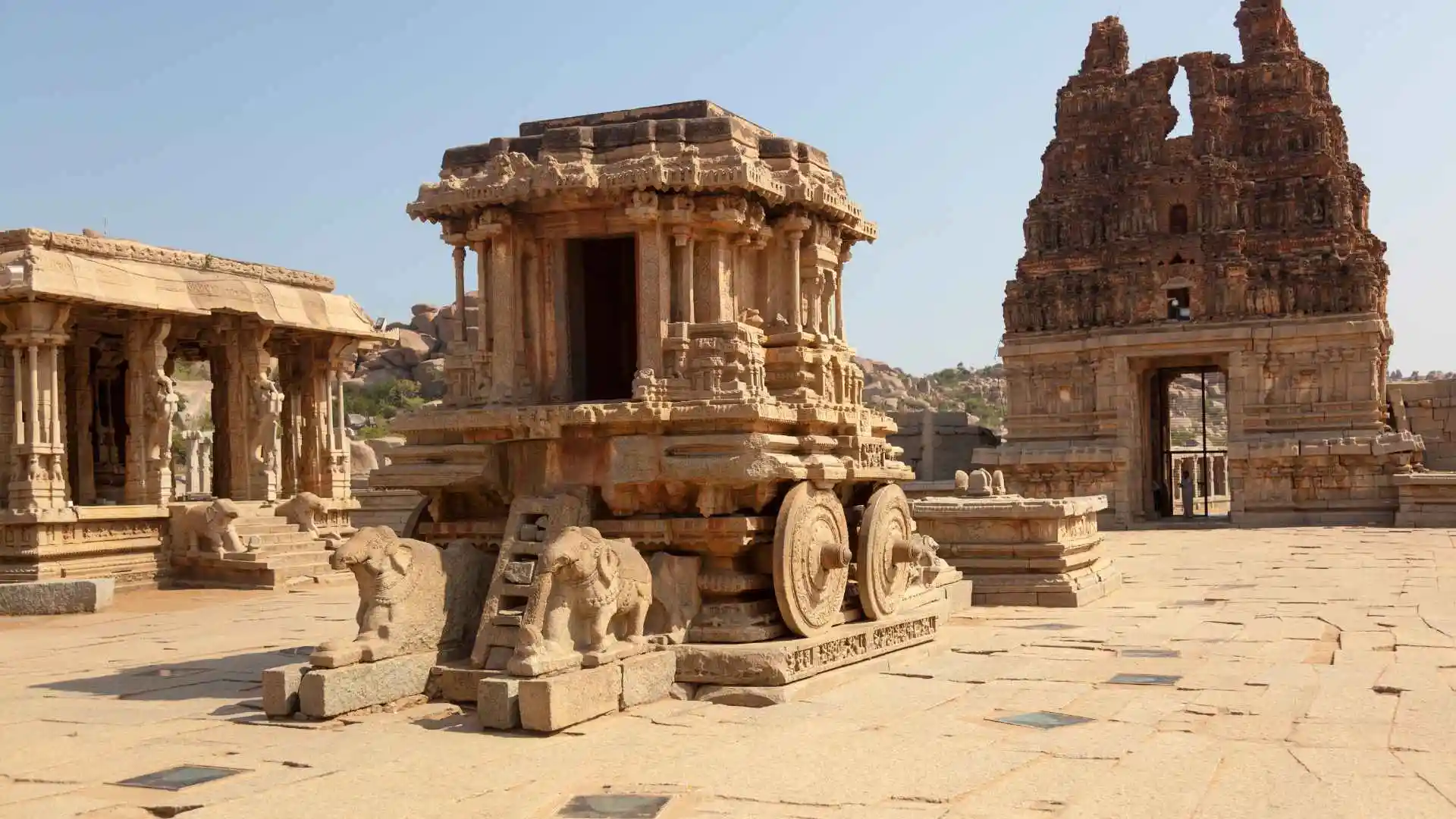
Hampi’s ancient ruins are set amidst a surreal landscape of boulders and greenery. They provide a good backdrop for photography. The intricate temple carvings and panoramic views from the hilltops offer numerous opportunities for stunning shots.
Hampi is a UNESCO World Heritage Site. It was once the capital of the Vijayanagar Empire. Hampi is now an open-air museum. Its surreal landscape provides a stunning contrast to the intricately carved monuments and temples.
With its towering gopuram, the Virupaksha Temple is a prominent landmark. The Vittala Temple is a masterpiece of ancient architecture due to its chariots. The Tungabhadra River adds to the scenic beauty. Surrounding hills offer scenic views. You can walk through royal enclosures, the ancient bazaar, and the Lotus Mahal to capture the essence of this empire.
Jaisalmer, Rajasthan
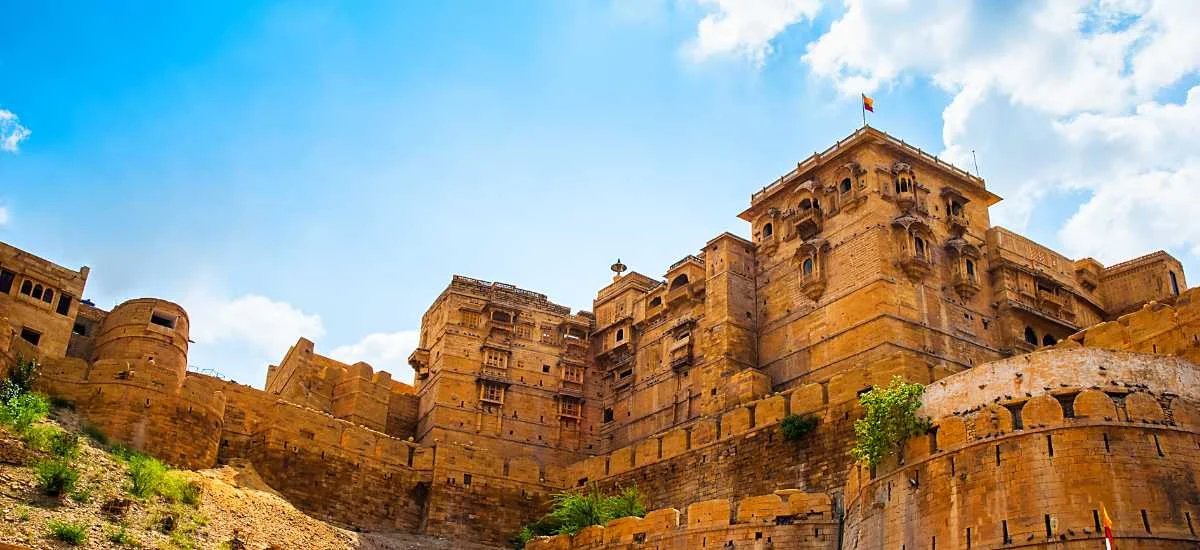
Jaisalmer is a Golden City and stands apart from the Thar Desert’s golden sand. The city is known for its yellow sandstone architecture. Dunes, Jaisalmer Fort, and traditional havelis offer rich subjects.
The city is situated in the heart of the Thar Desert. It is acknowledged for its desert landscapes and golden architecture. Jaipur is also known for the Golden Fort or Sonar Quila. It dominates the skyline with its intricate carvings and imposing structure.
The fort’s narrow lanes, along with havelis, offer a brief glimpse of the city’s rich history and culture. The Sam Sand Dunes offer an ideal setting for capturing the desert’s vastness, particularly at sunrise and sunset.
Rann of Kutch, Gujarat
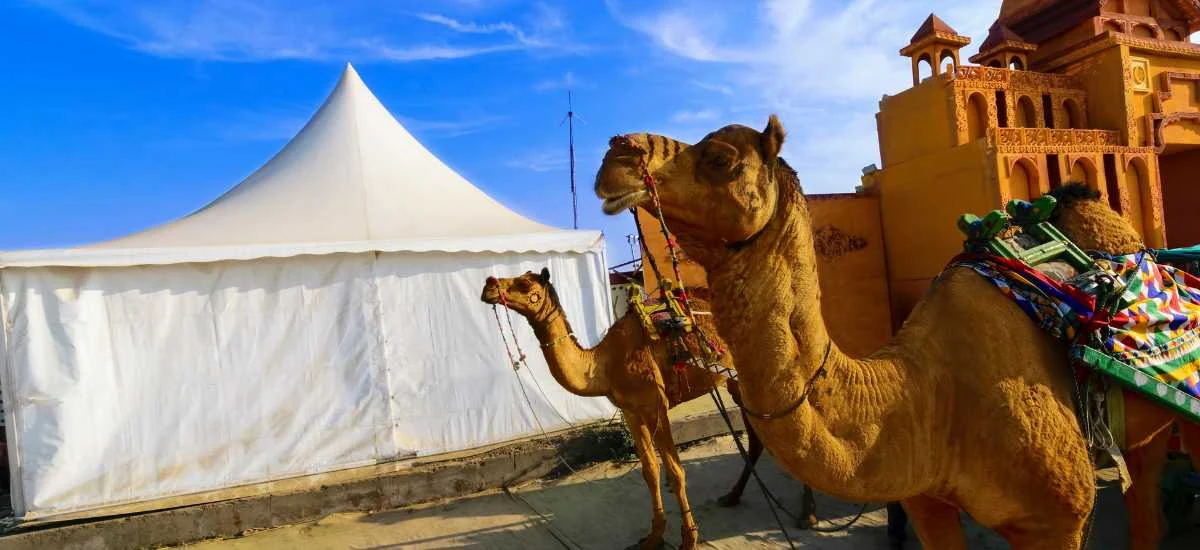
The Rann of Kutch is a distinctive landscape due to its vast, white salt desert. It becomes alive during its annual festival, the Rann Utsav. The festival features colourful tents, cultural performances, and the clear beauty of salt flats. It offers an extensive array of photographic opportunities.
The Rann of Kutch falls among the largest salt deserts in the world. It offers a starkly surreal landscape. During its annual festival (November to February), visitors or photographers witness traditional crafts and local art along with cultural performances.
The highlight of this region is the white salt flats that stretch far beyond your eyesight. To capture the beauty of this area, the full moon day is an ideal time. On this day, you can witness a magical experience, and the moment you click will be memorable.
Explore The Vivid Rann Utsav Tour with our 10 Days 9 Nights Tour Package.
Udaipur
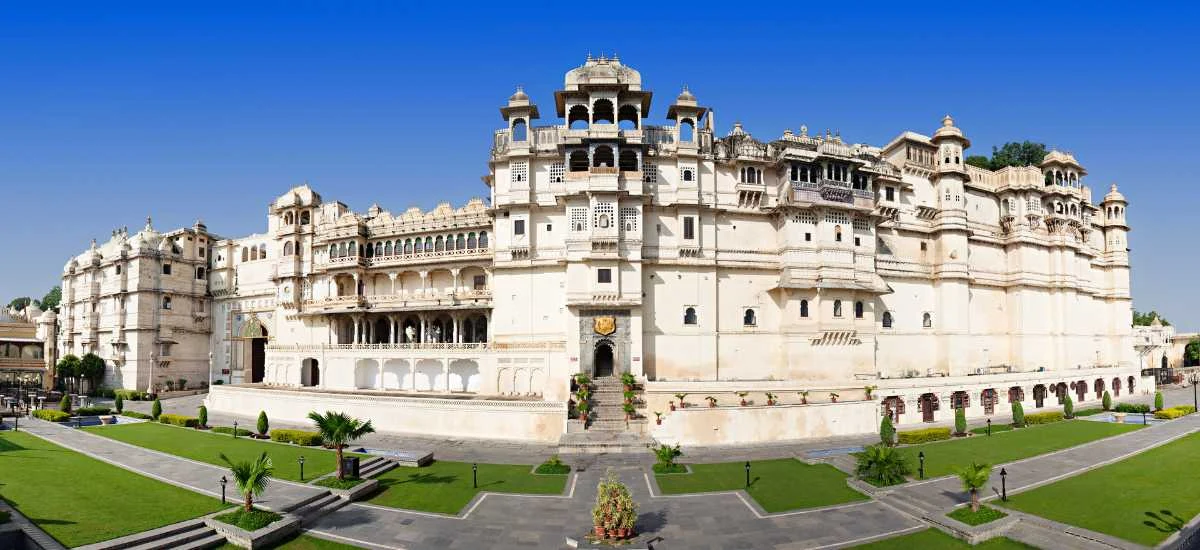
Udaipur is the City of Lakes. This city is acknowledged for its romantic setup. Udaipur is an ideal photogenic place due to its picturesque streets, City Palace, Lake Pichola, and traditional houses. Riding a boat on Lake Pichola at sunset lets you capture the city’s natural beauty.
Andaman and Nicobar Islands
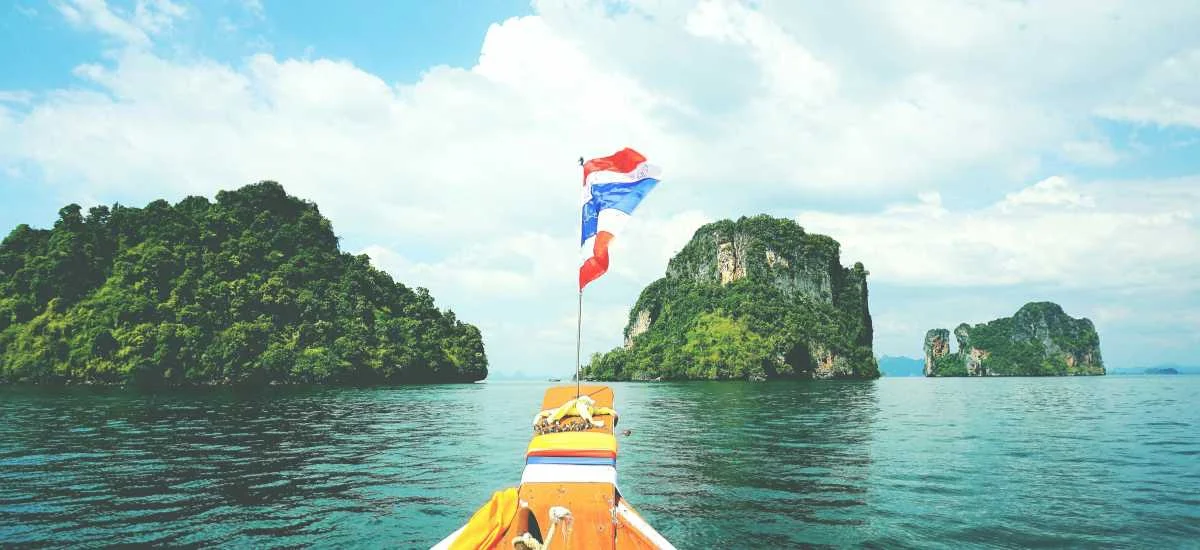
The Andaman and Nicobar Islands are ideal if you love beach photography. Crystal-clear waters, clean beaches, and rich marine life offer stunning backdrops for photography. On Havelock Island, Radha Nagar Beach is famous for its breathtaking sunsets.
The Andaman Islands lie in the Bay of Bengal. These islands are popular for their tranquil ambience and natural beauty. There are more than 500 islands, and each of them offers unique photographic opportunities.
The beaches here are neat and clean. Their powdery white sands and clear waters seem to stretch endlessly. Whether you are capturing the serene beaches, underwater marvels, or lush forests, the Andaman and Nicobar Islands offer endless photographic opportunities.
Conclusion
India is home to numerous photogenic destinations. These destinations include everything from Kerala’s backwaters to the Taj Mahal and several hill stations across the country.
The above-mentioned ten destinations will not disappoint. You will get ideal places or options, whether you want to click architectural wonders, natural landscapes, or art & cultures. Pack your bag and carry an ideal camera with additional batteries and memory cards to capture unforgettable moments.
Frequently Asked Questions
What is the best time to visit these photogenic destinations in India?
The best time to visit varies from one destination to another. For instance, the Taj Mahal is stunning year-round. However, the period between October and March is better for its cooler look. The full moon day in a month is the most ideal time to visit it.
Are these destinations suitable for amateur photographers?
Yes, they are. These photogenic destinations offer a blend of natural beauty and architectural splendour. They are perfect for photographers of all skill levels. Whether you are using a DSLR or a smartphone, you will come across numerous opportunities to capture extraordinary images.
How can I click the best photos on my trip?
To click the best travel photos, focus on unique perspectives, use natural lighting, local elements, and people to tell a story for your advantage. Try to click moments at different times of the day for better lighting conditions and images.
Are there any photography restrictions at these locations?
While most places allow photography, some may have restrictions, especially on the use of tripods or flash. It is always best to ask a guide or check local regulations. It makes you sure about local rules and regulations.
What should I bring to these photogenic destinations in India?
You should bring a tripod, a versatile lens, memory cards, and extra batteries, along with your camera. These gears will help you to capture both close-up details and wide-angle landscapes.