
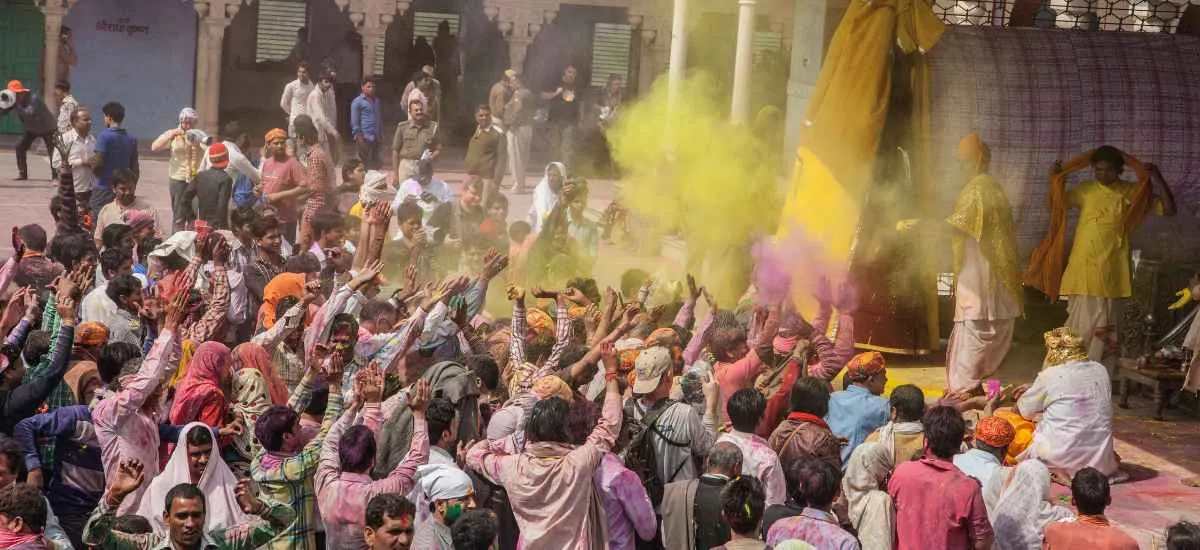
March in India is the soft doorway between winter’s retreat and summer’s gentle arrival. The plains warm up, the mountains stay cool, flowers begin to bloom, and festivals burst open like colours in the sky.
It’s a month where India feels both calm and celebratory, perfect for travellers seeking culture, nature, and seasonal beauty in one frame.
Below are the best places to visit in India during March, the festivals that define them, and why this month offers a travel rhythm unlike any other.
1. Udaipur, Rajasthan
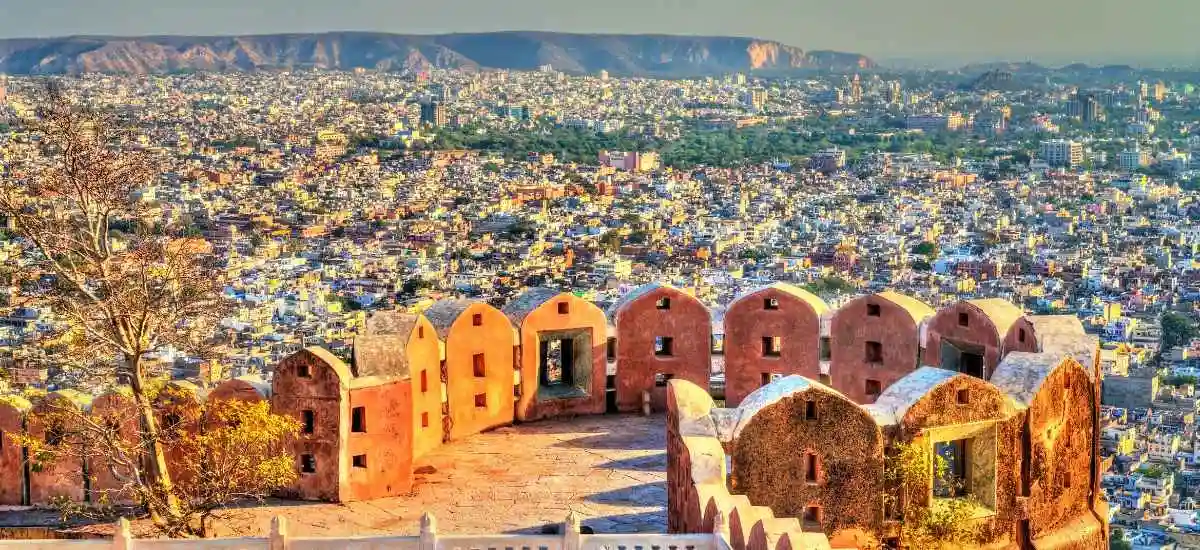
Udaipur in March unfolds like a slow, hand-written poem, etched in golden sandstone and mirrored endlessly in its quiet blue lakes. The winter chill has softened, leaving behind crisp mornings where the air feels clean and awake.
Afternoons carry a gentle warmth, perfect for wandering palace corridors, while evenings descend in shades of amber and rose as the Aravalli hills catch the last light of the sun.
The palaces seem brighter, the ghats more animated, and everyday life flows calmly along the water’s edge, making it an ideal destination for travellers who enjoy slow exploration, reflective moments, and cultural depth.
Festival: Gangaur Festival
Gangaur is not merely a festival in Udaipur; it is a living expression of devotion, tradition, and feminine grace. Celebrated in honour of Goddess Parvati and her union with Lord Shiva, Gangaur brings the city into a state of collective celebration. Women dress in vibrant leheriya and bandhani, carrying beautifully crafted clay idols through the narrow lanes of the old city.
These processions eventually reach the ghats of Lake Pichola, where the rituals continue against a backdrop of water, palaces, and fading daylight.
As evening approaches, decorated boats glide across the lake carrying idols, lamps, and offerings, while folk musicians fill the air with traditional melodies. The atmosphere is gentle yet festive, devotional without being solemn, colourful without being chaotic.
If you’re wondering why March is the most enchanting time to visit Udaipur, Gangaur provides the answer. It weaves together spirituality, artistry, community life, and the city’s natural beauty into an experience that feels intimate, timeless, and deeply Rajasthani.
Best Things to Do in March
- Take a sunset boat ride on Lake Pichola during the Gangaur processions
- Walk through City Palace, where the light in March enhances every courtyard
- Explore Fateh Sagar Lake and the lively evenings around it
- Experience traditional Rajasthani crafts at Shilpgram
- Enjoy rooftop dinners overlooking the glowing old town
2. Mathura & Vrindavan, Uttar Pradesh
March turns Mathura and Vrindavan into a living, breathing canvas of colour, sound, and emotion. These twin towns, forever linked to the life and legends of Lord Krishna, feel transformed as spring arrives. March brings in the colour and celebrations of Holi, which unfold over weeks, filling streets, temples, and courtyards with music, laughter, devotion, and myth.
The air carries the echo of bhajans and temple bells, while gulal drifts through narrow lanes, settling on old walls, river ghats, and smiling faces. Every corner feels sacred, playful, and deeply alive, as if the stories of Krishna and Radha are being relived in real time.
Festival: Holi in Mathura-Vrindavan
Holi in Mathura and Vrindavan is widely regarded as the most iconic and culturally authentic Holi celebration in the world. Unlike the one-day festivities seen elsewhere, Holi here is a sequence of unique traditions, each neighbourhood offering its own expression of joy and devotion.
Barsana’s Lathmar Holi is perhaps the most dramatic. Women of Barsana playfully chase and strike men from Nandgaon with sticks, recreating a legendary episode from Krishna’s life. The event is energetic, humorous, and steeped in symbolism, drawing visitors from across the globe.
In Vrindavan’s Banke Bihari Temple, Holi takes on a softer, more spiritual form. Flower petals replace coloured powders, devotional chants fill the temple courtyard, and the celebration feels intimate and reverent. The atmosphere is deeply emotional, where devotion and celebration merge seamlessly.
Mathura’s Holi processions bring the city into motion. Decorated chariots, cultural performances, and traditional music move through the old streets, turning the town into a living stage of colour, faith, and festivity.
If you’re wondering where to experience the true essence of Holi, Mathura and Vrindavan stand at its spiritual epicentre, raw yet sacred, joyful yet meaningful, chaotic yet profoundly rooted in devotion. It is an experience that stays with you long after the colours have faded.
Best Things to Do in March
- Attend Phoolon wali Holi (Flower Holi) at Banke Bihari Temple
- Visit Dwarkadheesh Temple during the Holi week
- Explore the ghats of Mathura in early morning light
- Spend an evening in ISKCON Vrindavan, where kirtans fill the air
3. Thiruvananthapuram, Kerala
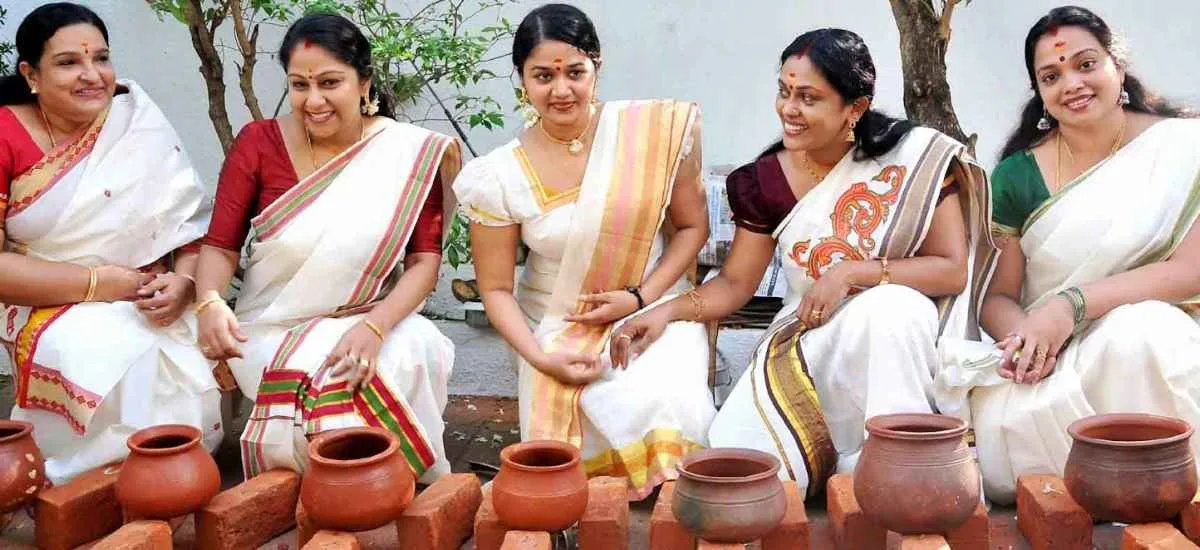
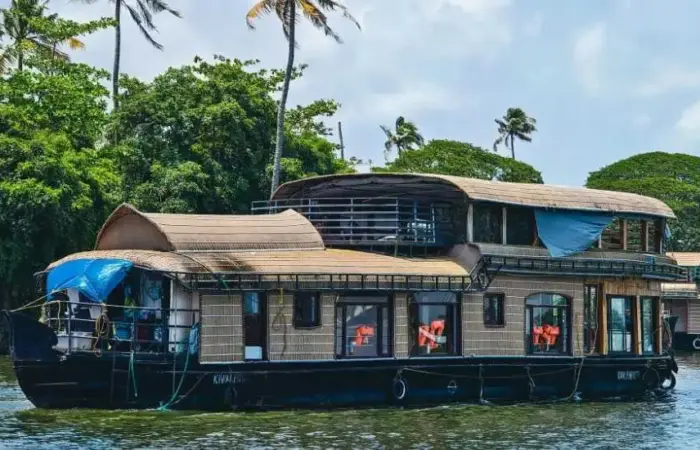
Thiruvananthapuram, the capital city of Kerala, in March unfolds like a gentle green lullaby, slow and soothing to the senses. The backwaters glow under long hours of golden sunlight, where palm-lined canals mirror drifting clouds and passing houseboats move at an unhurried pace.
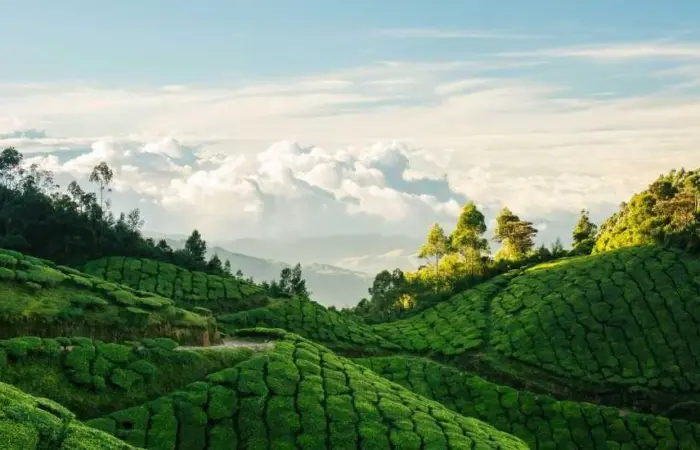
Hill stations such as Munnar and Wayanad remain comfortably cool, wrapped in misty mornings and tea-covered slopes, while the beaches receive soft, steady winds from the Arabian Sea. March allows Kerala to be experienced at its most balanced, before the summer heat deepens and long before the monsoon reshapes the land.
From spice-scented villages to quiet forest trails and tranquil waterways, the state feels calm, generous, and deeply restorative.
Festival: Attukal Pongala (Thiruvananthapuram)
Attukal Pongala is one of the most extraordinary spiritual gatherings in the world. Held in Thiruvananthapuram, it draws millions of women who come together in a collective act of devotion to Attukal Amma. Streets, courtyards, and open spaces transform into vast communal kitchens as women sit side by side, preparing sweet rice and traditional offerings in clay pots.
The atmosphere during Pongala is quietly powerful. There is no spectacle-driven celebration, yet the emotional weight is unmistakable. Chants, incense, and shared silence fill the air, creating a space that feels sacred and deeply human. Visitors often describe the experience as humbling, moving, and unforgettable, regardless of religious background.
If you’re wondering what truly sets Kerala apart in March, Attukal Pongala offers the answer. It is a festival of togetherness, devotion, and strength, reflecting the soul of Kerala at its most compassionate and spiritual.
Best Things to Do in March
- Explore the backwaters of Alleppey on a slow houseboat
- Witness the energy of Attukal Pongala in Thiruvananthapuram
- Visit Munnar for misty tea gardens and cooler weather
- Relax at Varkala or Kovalam under soft early-summer sunshine
- Discover wildlife at Periyar National Park
4. Gulmarg, Jammu & Kashmir
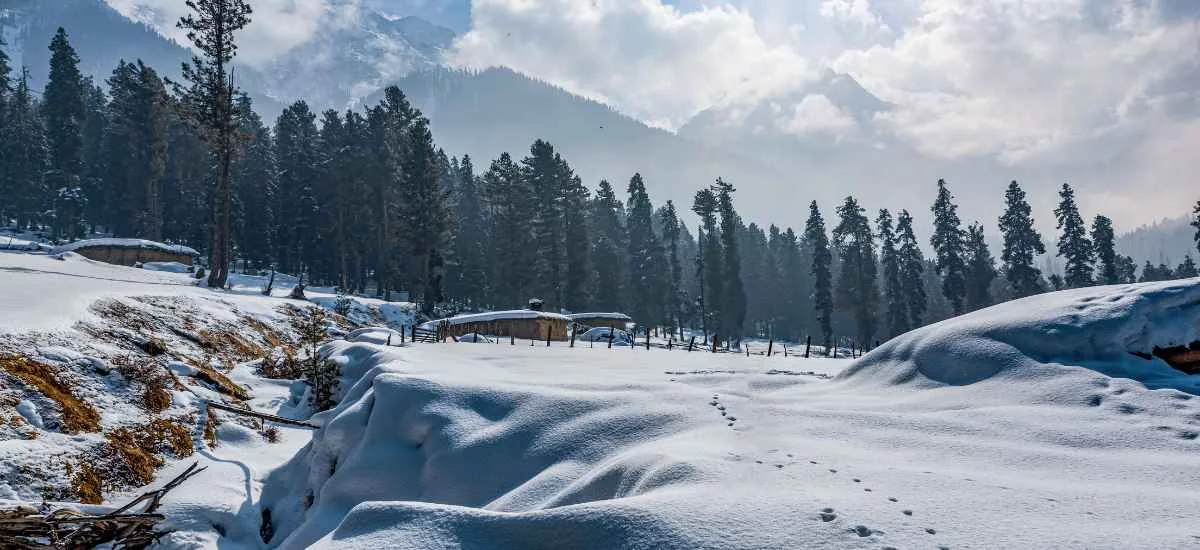
March in Gulmarg feels like winter’s final, lingering song, a quiet farewell sung by snow-covered meadows and pine forests dusted in white. The snow still blankets the landscape, softening every edge and muting every sound, while sunlight glints off frozen slopes under an impossibly blue Himalayan sky. The air remains crisp and cold, yet there is a gentle warmth in the daylight that hints at the approaching change of season.
Everything feels suspended in time, still, pristine, and vast. In March, Gulmarg offers a rare balance: the drama of winter without its harshest extremes, making the experience both awe-inspiring and deeply peaceful.
Festival: Gulmarg Winter Festival
The Gulmarg Winter Festival is a celebration of life in the high Himalayas, embracing the region’s culture, resilience, and deep connection to snow. Set against a spectacular alpine backdrop, the festival brings together traditional Kashmiri music, folk performances, and community gatherings that reflect the valley’s heritage. Local artisans display handcrafted woollens, woodwork, and souvenirs, while food stalls serve warm, comforting Kashmiri delicacies that feel especially satisfying in the cold mountain air.
Winter sports take centre stage during the festival. Skiers and snowboarders carve across the slopes, while visitors watch or participate in snow activities that highlight Gulmarg’s reputation as one of India’s premier winter destinations. Musicians perform in the open air, laughter carries across the snowfields, and the town comes alive with energy and warmth, even as temperatures remain low.
If you’re wondering how March feels in a Himalayan winter, Gulmarg and its winter festival offer the perfect answer: serene yet celebratory, cold yet inviting, and undeniably magical.
Best Things to Do in March
- Take the Gulmarg Gondola, one of the highest cable cars on Earth
- Try skiing, snowboarding, or sledging
- Attend workshops and performances during the winter festival
- Walk through snow-laden meadows and pine trails
- Stay in a warm cabin with views of the Pir Panjal range
5. Sikkim
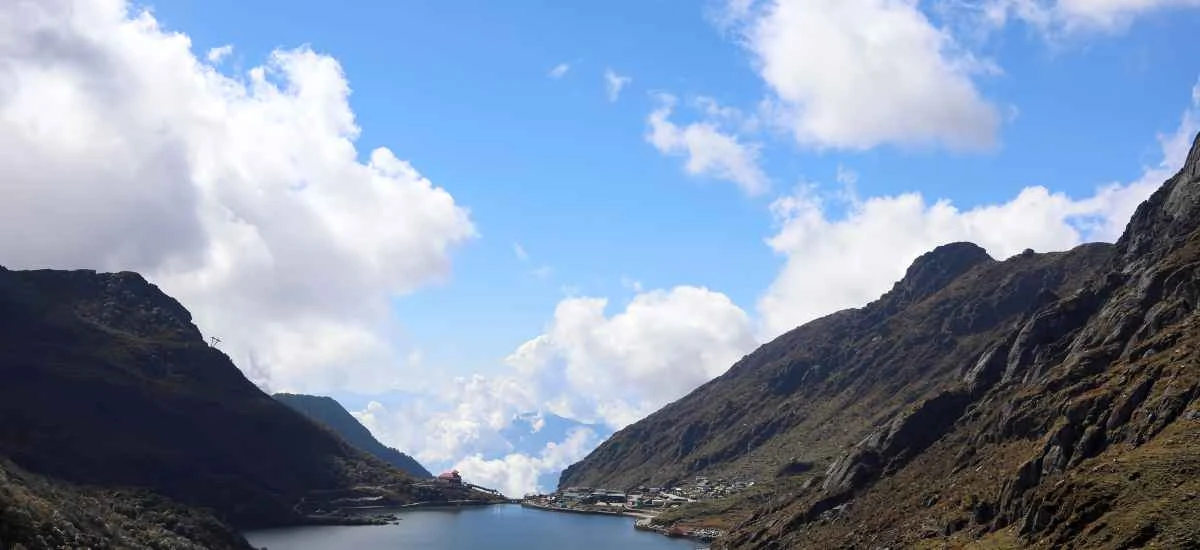
Sikkim in March feels like a Himalayan monastery breathing slowly. Winter loosens its grip, but the mountains still hold their snow with quiet pride. The air is crisp, mornings are hushed, and the sunlight feels gentle rather than harsh. Rhododendrons begin to bloom along forest trails, splashing the hillsides with crimson and pink, while prayer flags flutter softly against snow-draped peaks. It’s a month suspended between seasons, where stillness, spirituality, and awakening nature coexist effortlessly.
March is also when Sikkim reveals its introspective side. Fewer crowds, clear mountain views, and a contemplative atmosphere make it ideal for travellers seeking meaning beyond sightseeing. The rhythm of life slows down, inviting you to pause, observe, and simply be.
Festival: Losar (Tibetan New Year)
Losar, the Tibetan New Year, is the spiritual heart of March in Sikkim. Celebrated with deep reverence and quiet joy, Losar marks renewal, purification, and hope for the year ahead. Monasteries across the state come alive with prayer ceremonies, ritual offerings, and the glow of hundreds of butter lamps symbolising the triumph of light over darkness.
Monks perform sacred Cham dances, slow, deliberate, and deeply symbolic, while locals dress in traditional attire and exchange blessings. Colourful prayer flags are hoisted, homes and monasteries are cleaned to welcome positive energies, and special foods are prepared as offerings. Iconic monasteries such as Rumtek, Pemayangtse, and Enchey become focal points of celebration, resonating with chanting, drums, and the soft murmur of prayers.
Experiencing Losar in Sikkim isn’t about spectacle; it’s about warmth, authenticity, and quiet introspection. If you’re wondering where to witness Tibetan culture at its most genuine, Losar in Sikkim offers a rare, heartfelt glimpse into Himalayan spiritual life.
Best Things to Do in Sikkim in March
- Attend Losar celebrations at major monasteries
- Stroll along Gangtok’s MG Road
- Visit Tsomgo (Changu) Lake
- Trek through rhododendron forests in North Sikkim
- Explore Pelling for mountain views and monasteries
Travel Tips for March in India
- Pack lightweight clothes, but keep a jacket for the hills
- Use sunscreen, hats, and hydration for warmer regions
- Book festival destinations well in advance; Holi, Losar, and Attukal Pongala draw global crowds
- Respect local customs, especially inside temples and monasteries and during community rituals
- Keep cash handy in rural or festival areas
Frequently Asked Questions
1. Is March a good time to travel across India?
Absolutely. March is one of India’s most rewarding travel months. The harsh winter cold has eased, summer heat hasn’t peaked, and most regions enjoy clear skies. Days are pleasantly warm, nights remain comfortable, and landscapes, especially in the hills and forests, begin to awaken. It’s an excellent month for cultural exploration, spiritual journeys, wildlife safaris, and outdoor experiences without weather extremes.
2. Which is the best festival to experience in March?
March is rich in festivals, each offering a different emotional and cultural texture. Holi in Mathura-Vrindavan is the most iconic, known for its devotional fervour, colours, and centuries-old rituals. Losar in Sikkim offers a quieter, deeply spiritual celebration of Tibetan culture. Attukal Pongala in Kerala is one of the world’s largest women-led religious gatherings, while Gangaur in Rajasthan showcases royal traditions, processions, and folk music. For snow lovers, the Gulmarg Winter Festival blends adventure with Kashmiri culture.
3. Where is the weather best in March?
March offers excellent weather across diverse regions. Udaipur enjoys mild sunshine, perfect for sightseeing and lake views. Kerala’s backwaters remain lush, calm, and comfortable before summer humidity sets in. Sikkim’s hill regions offer crisp mountain air and early-spring blooms, while Gulmarg still retains its winter charm, ideal for snow activities and scenic landscapes.
4. Is March good for a Himalayan trip?
Yes, March is a transitional sweet spot for Himalayan travel. Sikkim is especially appealing, with cool temperatures, blooming rhododendrons, and active monasteries. Lower-altitude routes open up, roads are more accessible, and crowds are manageable. Gulmarg remains a winter wonderland for skiing and snow experiences, making March ideal for travellers who want both culture and alpine beauty.
5. Is March a peak tourist month?
March is considered moderately busy. Popular festivals like Holi significantly increase footfall in places such as Mathura, Vrindavan, Udaipur, and Jaipur. Wellness destinations and pilgrimage centres in Kerala also see higher demand. While it’s not as crowded as peak summer or winter holiday seasons, advance bookings are recommended—especially for festival-centric destinations and boutique accommodations.
————-