

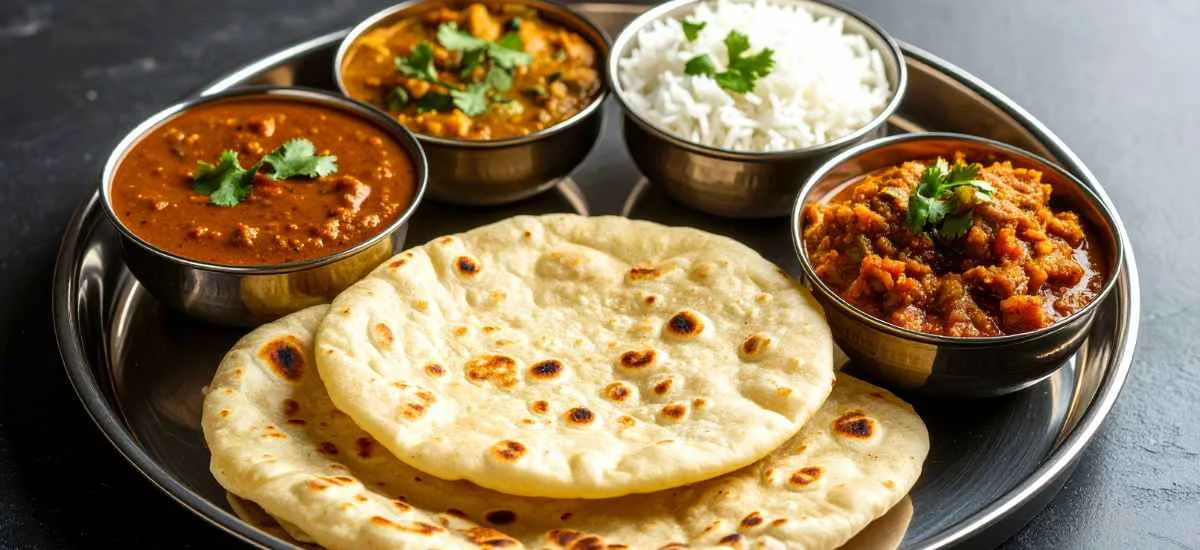
Indian cuisine is not merely about food; it is a living narrative where every meal tells a story-of ancient trade routes, temple rituals, royal kitchens, bustling markets, seasonal harvests, and warm family homes. A trip to India would be absolutely incomplete without diving into the country’s exceptional cuisine.
North Indian cuisine is celebrated worldwide for its rich, creamy gravies, offering a luxurious, diverse culinary experience significant for its cultural depth, royal heritage, and widespread popularity. To eat here is to travel, and to travel here is to eat thoughtfully.
Luxury travelers today seek meaning, not just indulgence. North Indian cuisine offers precisely that – culinary narratives tied to royal dynasties, spiritual practices, and everyday life.
Meals here reflect climate-driven choices: warming spices for cold winters, slow-cooked preparations for preservation, and rich dairy-based elements drawn from pastoral traditions. North Indian food is characterized by
- Clarified butter (ghee) as a cooking medium
- Wheat-based breads and fragrant rice
- Mustard oil in colder northern plains
- Slow cooking, roasting, and open-fire techniques
Royal Kitchens Reimagined
Dining Like Maharajas and Nawabs – North India’s culinary refinement owes much to its royal courts, where food was elevated into an art form. Today, many of these traditions live on through heritage hotels, palace stays, and curated dining experiences designed for luxury travelers. The cuisine of Awadh (present-day Lucknow) is celebrated for its elegance and restraint.
Signature experiences include slow-cooked rice and meat preparations sealed and gently steamed (traditional Dum Biryani), where aroma builds slowly and flavor deepens over time.
A rich, slow-cooked meat stew (nihari) is seasoned with a blend of aromatic spices like long pepper and saffron, originating from the Mughal kitchens and known for its tender meat falling off the bone and silky, spicy gravy, traditionally eaten for breakfast with bread like naan.
Delhi’s food scene is a delicious blend of ancient Mughal recipes and vibrant street food culture, making it a top destination for culinary tourism. Some of the must-try dishes are Butter Chicken (Murgh Makhani), a Delhi-born rich and creamy iconic dish, and spicy chickpeas with fluffy fried bread (Chole Bhature).
Experience Old Delhi’s heritage first-hand as guided walks lead you through ancient streets, connecting you to Mughal-era cuisine still prepared today. Tastings are paired with architectural insights, transforming street food into a cultural masterclass.
1. Rajasthan – Firewood, Desert Wisdom, and Resilience
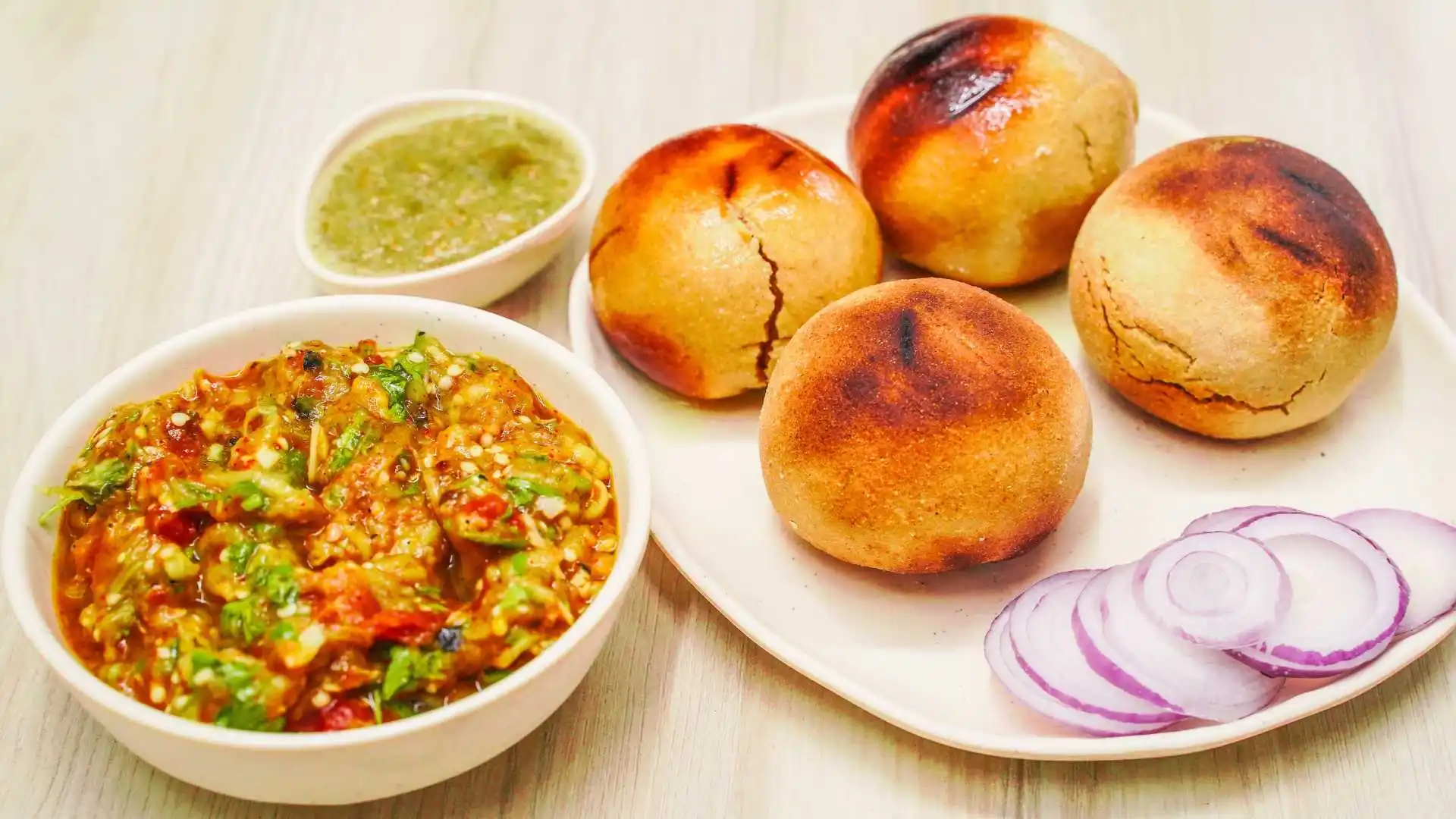
Traditional kitchens here still use firewood, lending a smoky depth to food that modern equipment cannot replicate. Slow-cooked lentil preparations and sun-dried vegetable stews (Ker Sangri) are examples of how locals adapted to harsh conditions.
A visit to Rajasthan is as much about understanding its food philosophy as it is about its architecture.
Luxury heritage stays often recreate traditional firewood kitchens, where slow-cooked lentils, dried vegetables, and robust spice blends come alive over open flames.
Imagine dining under the stars in a palace courtyard, enjoying a multi-course royal meal while listening to stories of hunting expeditions, desert caravans, and festive feasts of the past. This is experiential dining at its finest.
Explore Rajasthan Tour Packages With Cholan Tours.
2. Goa beyond the Beaches – Where Coastal Flavours Meet Colonial Heritage
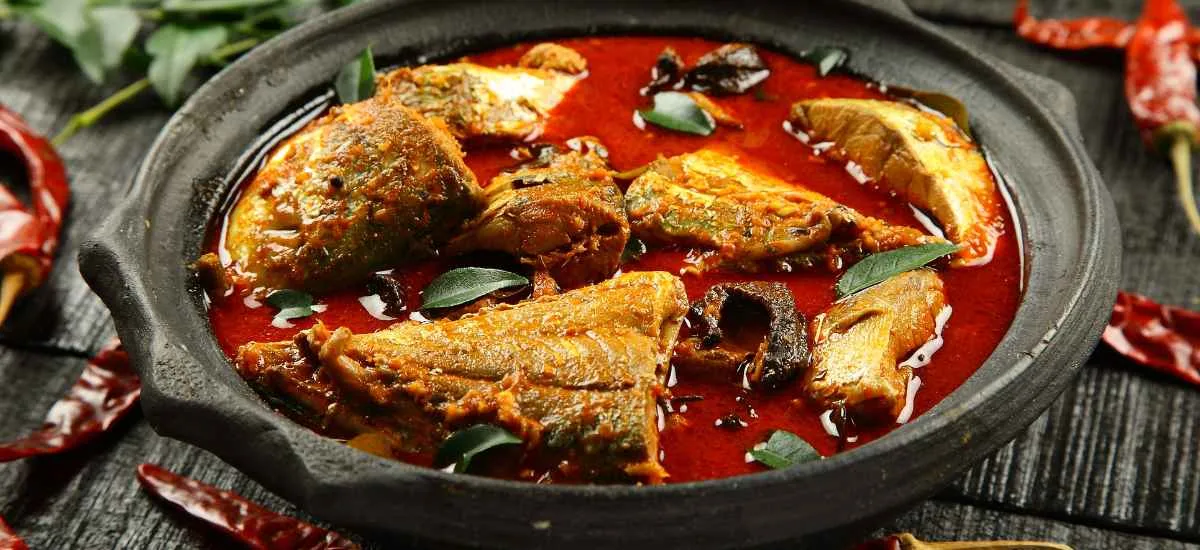
Goa’s cuisine is a vibrant intersection of coastline, spice routes, and colonial influence. Tangy seafood stews (traditional Fish Curry) or vinegar-balanced meat preparations (heritage vindaloo) are elevated in luxury settings through fresh sourcing and refined presentation.
Curated heritage walks through old Latin quarters often end with private lunches in Indo-Portuguese homes, where family recipes reveal centuries of adaptation.
Goan Fish Curry, Coconut-Laced Prawn Stew (Prawn Caldine), and Slow-Cooked Pork in Vinegar & Spice Reduction (Pork Vindaloo), are some of the popular dishes in Goa. Dining in Goa is relaxed, often barefoot, under palm trees, with the sea as a soundtrack.
3. Punjab – A Journey of Abundance and Hospitality
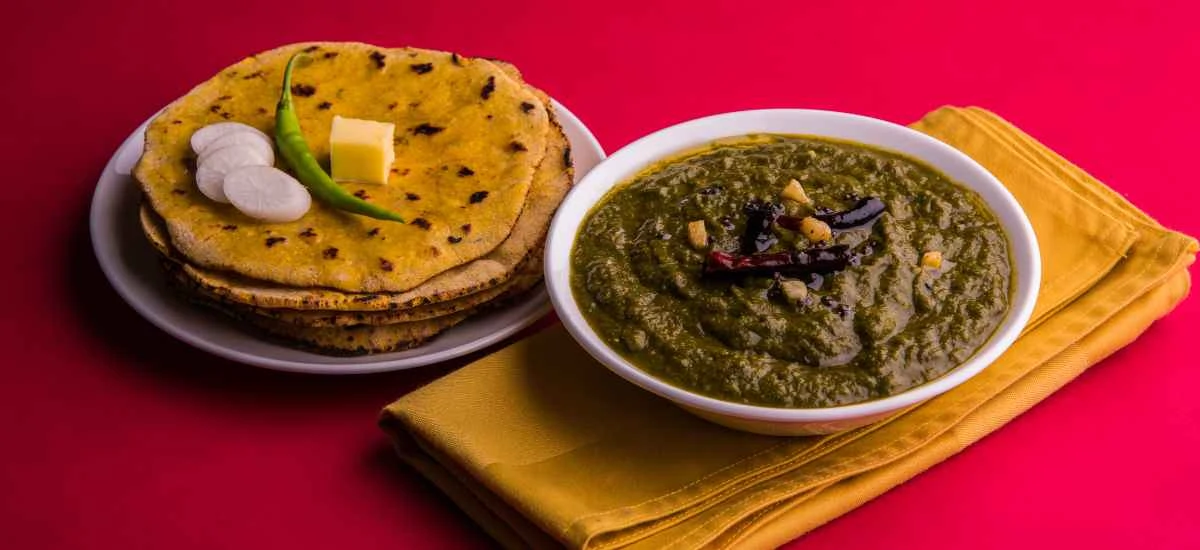
Punjab’s cuisine reflects its fertile land and generous spirit. Endless wheat fields and dairy farms define Punjab’s culinary identity. Clarified butter, fresh cream, and hand-churned butter elevate even the simplest dishes.
The Golden Temple in Amritsar, Punjab, houses the world’s largest free community kitchen, called Langar Hall, serving up to 100,000 free vegetarian meals daily to people of all backgrounds, operated entirely by volunteers and donations, involving massive-scale cooking, roti making, and a unique communal dining experience where everyone sits together on the floor.
Butter Chicken, Black Lentil Stew (Dal Makhani), Tandoori Chicken, and Corn Flatbread with Cultured Butter (Makki di Roti with Sarson da Saag) are a major part of the Punjabi cuisine.
4. Gujarat
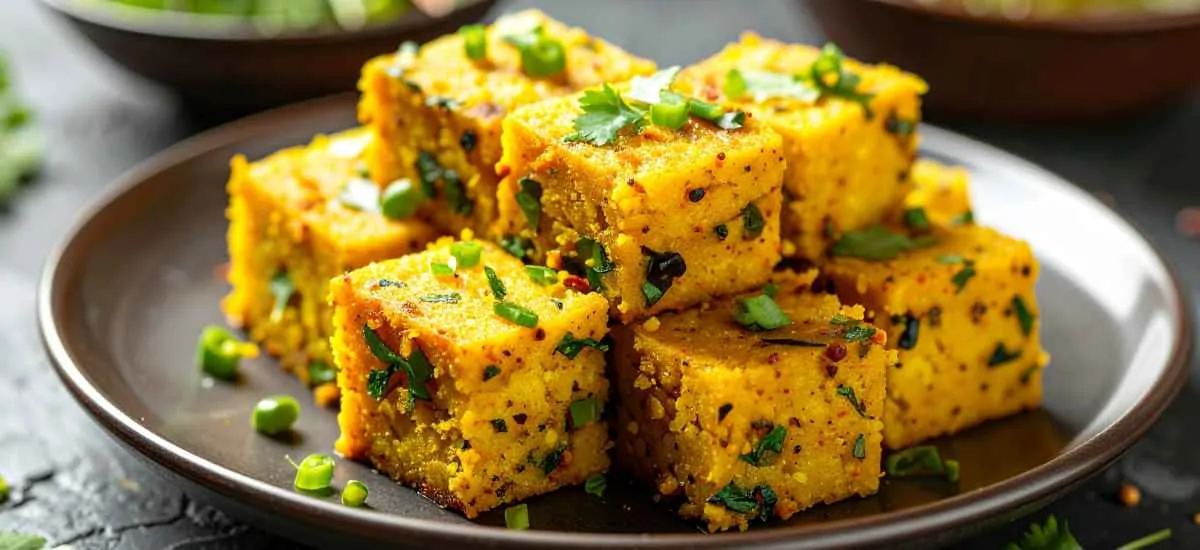
Gujarat offers a culinary contrast – vegetarian, nuanced, and deeply connected to seasonal rhythms and religious practices. For luxury travellers, it is a journey into precision, restraint, and ritual. Meals often feature steamed breads, lentil-based preparations, and vegetable stews, designed to nourish without excess. Steamed Chickpea Flour Cakes (Dhokla), Crispy Fried Snacks with Spiced Filling (Kachori / Fafda), and Mixed Vegetable Stew (Undhiyu) are some of the most well-known dishes.
5. Sacred Sweetness – Uttar Pradesh’s Temple Sweets and the Journey of Faith
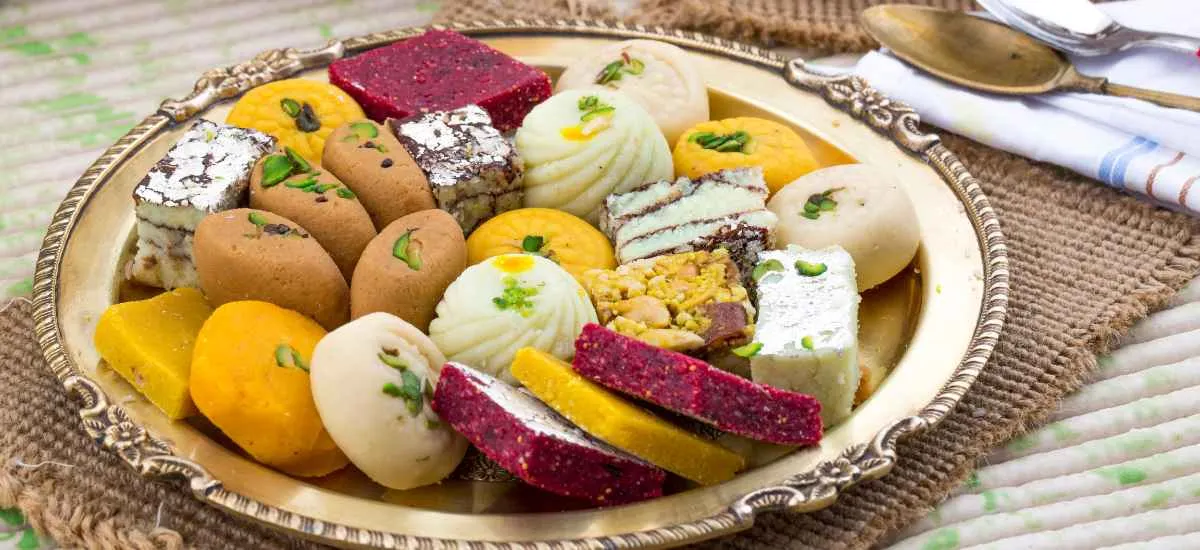
Across this spiritually charged landscape, where ancient temples rise beside riverbanks and pilgrimage routes have guided travellers for centuries, sweets form a quiet yet powerful connection between faith, food, and travel. Temple kitchens here follow time-honoured traditions: slow cooking, minimal ingredients, and an unwavering belief that food carries spiritual energy.
For travellers, witnessing these practices offers insight into a culture where the kitchen is as sacred as the sanctum. For travellers seeking a deeper understanding of India, following this sacred sweet trail offers something rare – a journey where devotion is tasted, culture is savoured, and travel becomes transformative.
6. Kashmir on a Plate – A Culinary Journey through Valleys, Seasons, and Saffron Fields
Snow-dusted Mountains, mirror-like lakes, floating gardens, and orchards heavy with fruit shape not only the landscape but also the cuisine. Kashmiri food is seasonal, ceremonial, and deeply tied to community life, offering luxury travellers an experience that feels intimate and timeless.
The cuisine is traditionally cooked in mustard oil and finished with subtle aromatics like fennel, dried ginger, and saffron.
A highlight of Kashmiri gastronomy is the traditional multi-course ceremonial meal (Wazwan), originally prepared for royal courts and special occasions. In Kashmir, food is not rushed. It is savoured, like the valley itself.
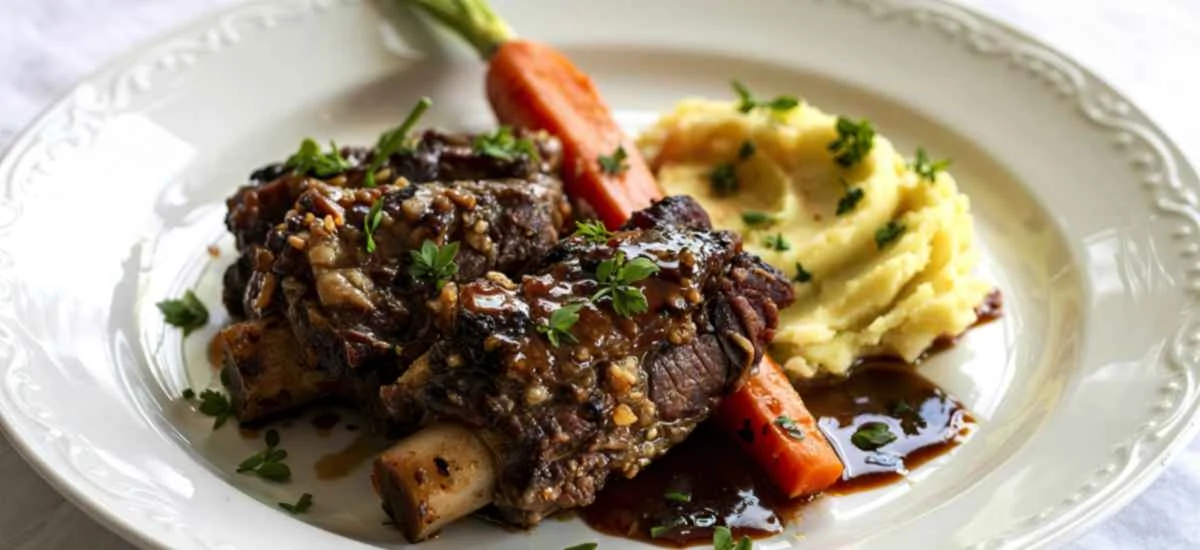
Slow-Braised Lamb in Red Chili & Fennel Gravy (Rogan Josh) is an aromatic, slow-cooked curried meat dish from known for its signature deep red colour and tender meat. It is a staple of the traditional multi-course Kashmiri feast.
7. North-East India – Where Purity of Ingredients Defines Luxury
North-East India is one of the world’s most understated culinary regions—largely untouched, deeply indigenous, and profoundly connected to land and community. Here, food is not layered with heavy spices or richness. Instead, it celebrates freshness, fermentation, smoke, and natural umami.
North-East cuisine uses very few dried spices; relies on fermentation, smoking, and drying; emphasizes herbs, leaves, roots, bamboo shoots, and wild produce; and focuses on fresh meats, river fish, and foraged greens.
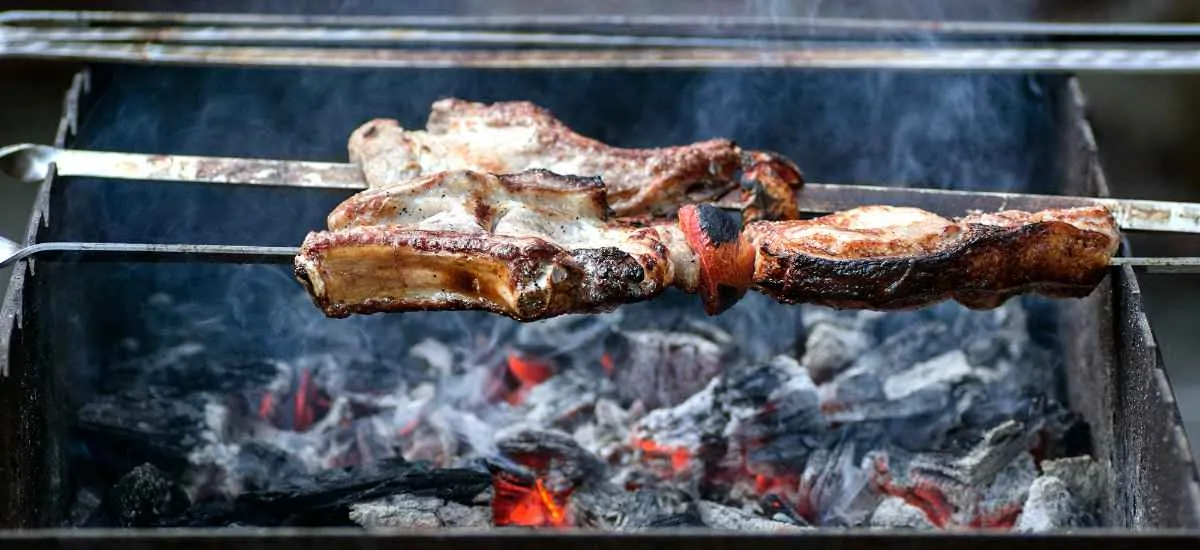
Steamed Fish with Herbs and Citrus (Masor Tenga) from Assam, Fire-Roasted Meat with Indigenous Chillies (Naga Smoked Meat) from Nagaland, Smoked Pork with Black Sesame (Dohneiiong) from Meghalaya, Fermented Soybean Vegetable Stew (Eromba) from Manipur, Meat and Vegetable Stew with Herbs (Thukpa) from Arunachal Pradesh, Steamed Meat with Vegetables (Bai) from Tripura are some of the authentic dishes.
Inside the Indian Home – Private Dining & Cultural Immersion
True luxury lies in access, and few experiences are as exclusive as being welcomed into an Indian home. Private home-dining experiences allow travellers to witness culinary traditions passed down through generations. For many guests, these moments become the emotional highlight of their journey.
Market Walks & Morning Rituals
Where the Day Begins – North India’s culinary rhythm begins early. Morning walks through markets and old neighborhoods offer a sensory immersion that no restaurant can replicate. The scent of coriander, cumin, fresh herbs, and brewing tea fills the air, creating an unforgettable introduction to the city. Street breakfasts are a celebration of local life. Slow-simmered chickpeas, fermented breads, and spiced potato preparations are served hot, often paired with tangy condiments (a tamarind-based sauce – Imli Chutney).
Food Safaris
Curated Culinary Exploration – Food-focused itineraries in North India are designed as journeys, not meals. A typical luxury food safari may include:
- Morning heritage walks with breakfast tastings
- Guided market visits with chefs
- Private cooking demonstrations
- Street food experiences curated for comfort and safety
- Dining in royal or heritage settings
- Conversations with food historians and culinary experts
These experiences are ideal for travellers who wish to understand a destination through taste, texture, and tradition.
North India offers a culinary journey that aligns perfectly with modern luxury travel values – authenticity, storytelling, exclusivity, and emotional connection.
Here, food is not an attraction; it is a gateway. A gateway into history, spirituality, family life, and regional identity. For travellers who seek more than sightseeing, who value immersive experiences over itineraries, North India’s culinary heritage offers something rare and enduring.
We here at Cholan Tours ensure your journey into North India’s culinary soul – where royal kitchens, sacred traditions, bustling markets, and timeless home recipes come together in unforgettable experiences. Book your Indian culinary journey and experience the region the way it is meant to be savoured.