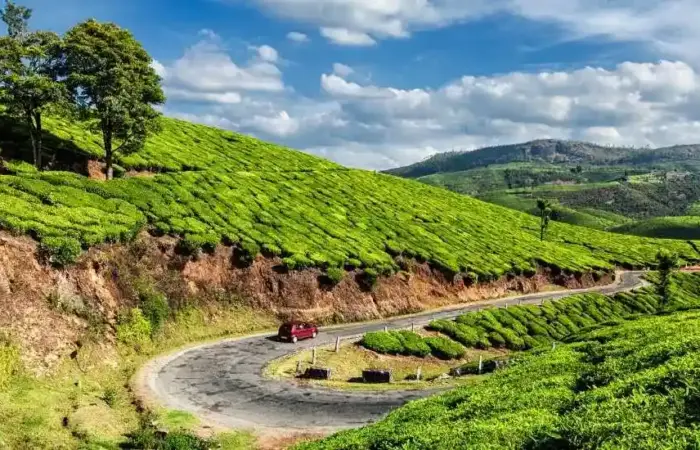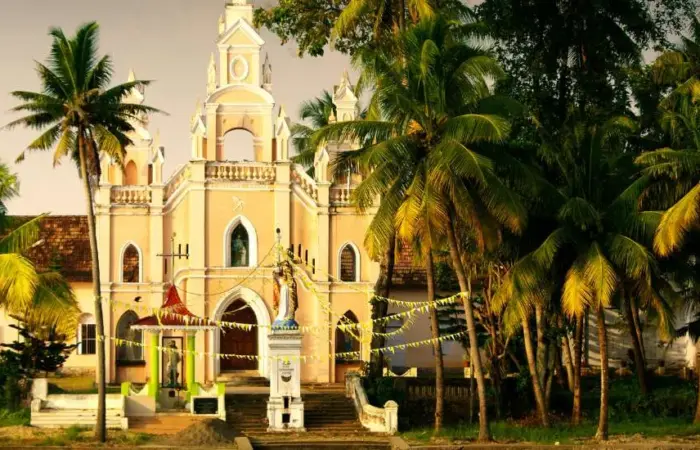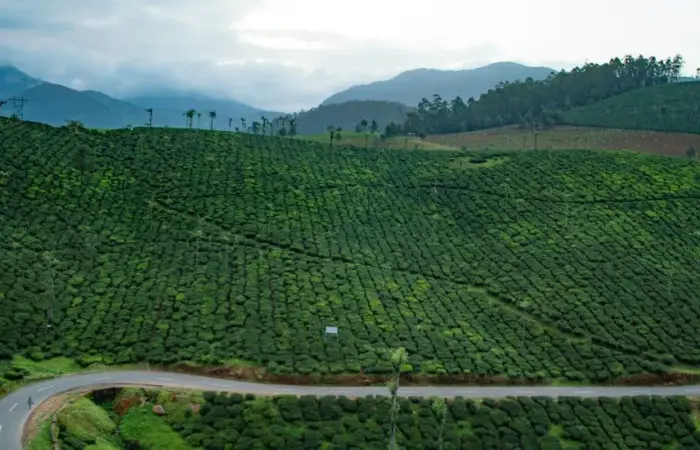

July transforms North India into a refreshing, green paradise. The arrival of the monsoon brings life back to the mountains, valleys, and rivers. Landscapes that looked dry just weeks ago suddenly turn vibrant and full of energy. The air feels cleaner, the skies look dramatic, and every journey becomes more immersive.
Travelling during July is not about perfect weather, it is about experiencing nature in its raw and beautiful form. There may be rain, mist, and occasional delays, but there is also peace, fewer crowds, and breathtaking scenery. If you enjoy slow travel and meaningful experiences, July is one of the most rewarding months to explore North India.
In this guide, we explore the top 7 destinations in North India that truly shine during the monsoon season.
1. Ladakh – Leh, Ladakh
Land of Ethereal Beauty
Ladakh in July feels almost unreal. Surrounded by rugged mountains, vast open skies, and ancient monasteries, this region offers a stark contrast to the rest of North India during the monsoon. While many areas receive heavy rainfall, Ladakh remains relatively dry, making it one of the best destinations to visit in July.
The landscapes here are dramatic and ever-changing. You will find crystal-clear lakes, high-altitude deserts, and winding roads that seem to stretch endlessly. The monasteries perched on hills add a spiritual charm to the entire experience.
How to Reach
- The fastest way is to fly to Leh Airport from Delhi or other major cities.
- You can also travel by road via Manali-Leh Highway or Srinagar-Leh route, both of which open during summer months.
Best Places to Visit
-
Pangong Lake for its mesmerizing changing colours, from deep blue to turquoise to emerald, as the sun dances across its saltwater surface at 14,000 feet; a Pangong Lake tour here at sunrise feels like touching heaven.
-
Nubra Valley for its surreal sand dunes, double-humped Bactrian camels gliding like ships in the desert, and blooming apricot orchards; it’s the ultimate Nubra Valley adventure blending cold desert vibes with warm hospitality.
-
Thiksey and Hemis Monasteries for immersive cultural insights, wander gilded halls, join morning prayers, and witness vibrant festivals that fill your heart with timeless Tibetan Buddhist serenity.
-
Magnetic Hill for a unique natural phenomenon where your car seems to defy gravity and roll uphill; it’s a fun, mind-bending stop that sparks wonder and endless photo ops on your best Ladakh places to visit in July list.
2. Kedarnath – Rudraprayag, Uttarakhand
The Land of Lord Shiva
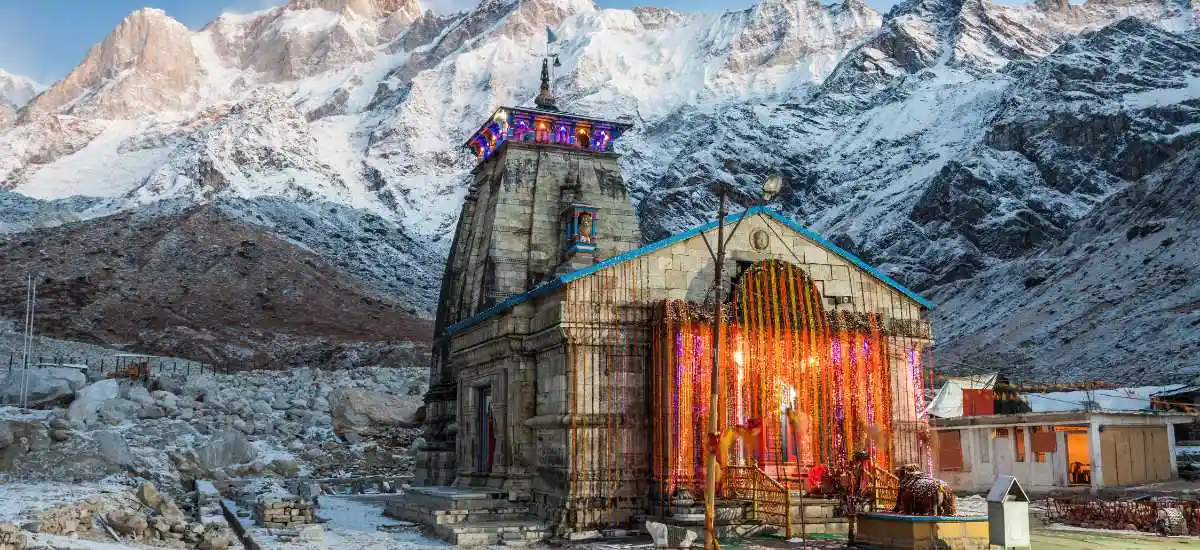
Kedarnath is not just a destination, it is an experience that touches you deeply. Located in the Himalayas, this sacred town becomes even more mystical during July. The surrounding mountains are often covered in mist, and the sound of flowing rivers creates a peaceful atmosphere.
The journey to Kedarnath is as meaningful as reaching the temple itself. Pilgrims and travellers walk through scenic trails, witnessing nature in its purest form.
How to Reach
- Travel to Haridwar or Rishikesh by train or road.
- From there, drive to Gaurikund.
- Begin a 16 km trek to Kedarnath Temple, or opt for helicopter services.
Best Places to Visit
- Kedarnath Temple, one of the sacred Char Dham shrines and a crown jewel of the Himalayas, nestled at 3,583 meters amid snow-draped peaks, this ancient 8th-century marvel dedicated to Lord Shiva draws your soul into divine embrace during the Kedarnath Temple Yatra; arrive at dawn for aarti amidst chants that echo eternal peace.
- Bhairavnath Temple for breathtaking panoramic views of the Chorabari Glacier and surrounding valleys, perched higher up the trek, this hidden gem rewards your climb with 360-degree vistas that feel like a hug from the gods, ideal for quiet meditation and Instagram-worthy sunsets on your best places to visit in Kedarnath.
- Vasuki Tal for a peaceful high-altitude lake cradled by towering peaks and wildflower meadows, trek here for crystal-clear reflections of Nanda Devi and the serene Vasuki Parbat; it’s a tranquil oasis perfect for picnics, yoga, or simply soaking in nature’s whisper on your Vasuki Tal trek.
- Chorabari Tal (Gandhi Sarovar) for its pristine scenic beauty, where emerald waters shimmer against rugged cliffs and glacial streams, a short but rewarding hike from Kedarnath, this sacred spot (where Mahatma Gandhi’s ashes were immersed) offers profound solitude and photo ops that capture Himalayan magic in your Chorabari Tal guide and Kedarnath itinerary July.
This destination is ideal for spiritual seekers and those looking for a deeper connection with nature.
3. Spiti Valley – Lahaul & Spiti, Himachal Pradesh
The Middle Land (Little Tibet)
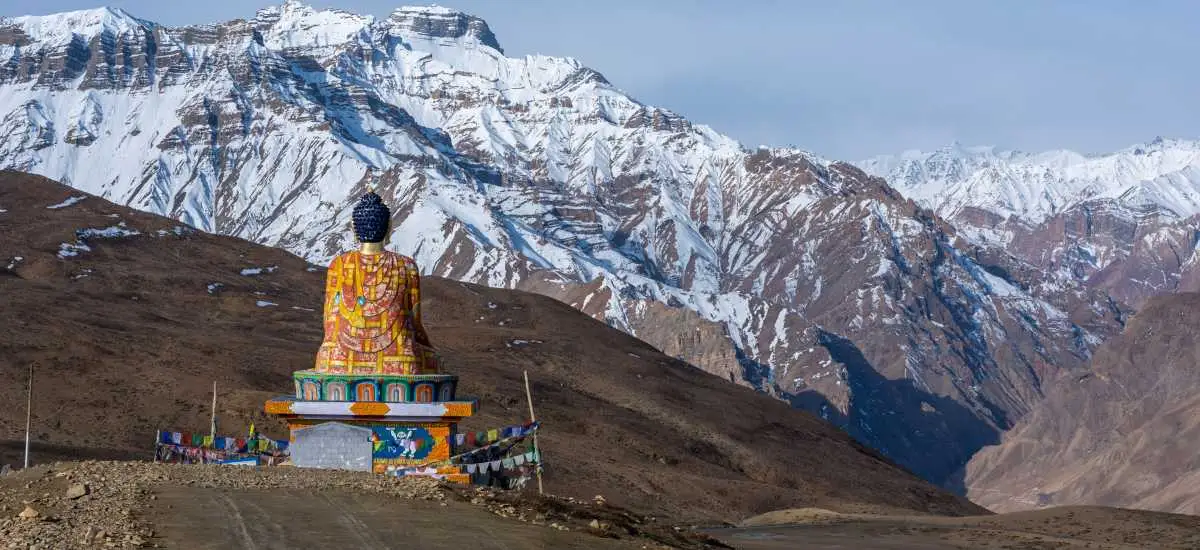
Spiti Valley is one of the most unique places you can visit in North India. Known for its rugged terrain and Tibetan culture, it offers a peaceful escape away from busy tourist spots. July is one of the best times to visit because the roads are accessible and the weather is manageable.
The beauty of Spiti lies in its simplicity. Quiet villages, ancient monasteries, and endless mountain views create a sense of calm that stays with you long after your trip ends.
How to Reach
- Drive from Manali or Shimla depending on road conditions.
- The nearest airport is Bhuntar (Kullu), followed by a long road journey.
Best Places to Visit
- Key Monastery, a stunning hilltop monastery perched like a fortress at 4,166 meters, clinging to sheer cliffs amid barren peaks, this 1,000-year-old Tibetan Buddhist haven glows with golden butter lamps and ancient vibes; join evening prayers for a soul-stirring experience on your Key Monastery trek and best places to visit in Spiti Valley.
- Chandratal Lake, known for its perfect crescent shape and unreal turquoise hues, nestled at 4,300 meters surrounded by snow-capped sentinels, this “Lake of the Moon” mirrors the starry sky like a divine canvas, making it an idyllic spot for Chandratal Lake camping under endless galaxies.
- Kibber Village, one of the highest inhabited villages in the world at 4,270 meters, wander its mud-brick homes, apricot orchards, and prayer wheels while locals welcome you with warm chai and stories; it’s a living tapestry of resilient Himalayan life, perfect for an authentic Kibber Village homestay.
- Tabo Monastery, famous for its ancient murals and 1,000-year-old cave temples, tucked in a serene river gorge, this “Ajanta of the Himalayas” boasts intricate 10th-century frescoes that whisper tales of enlightenment; a must for history buffs on your Tabo Monastery tour.
Spiti is best suited for travellers who enjoy slow journeys and untouched landscapes.
4. Manali – Kullu District, Himachal Pradesh
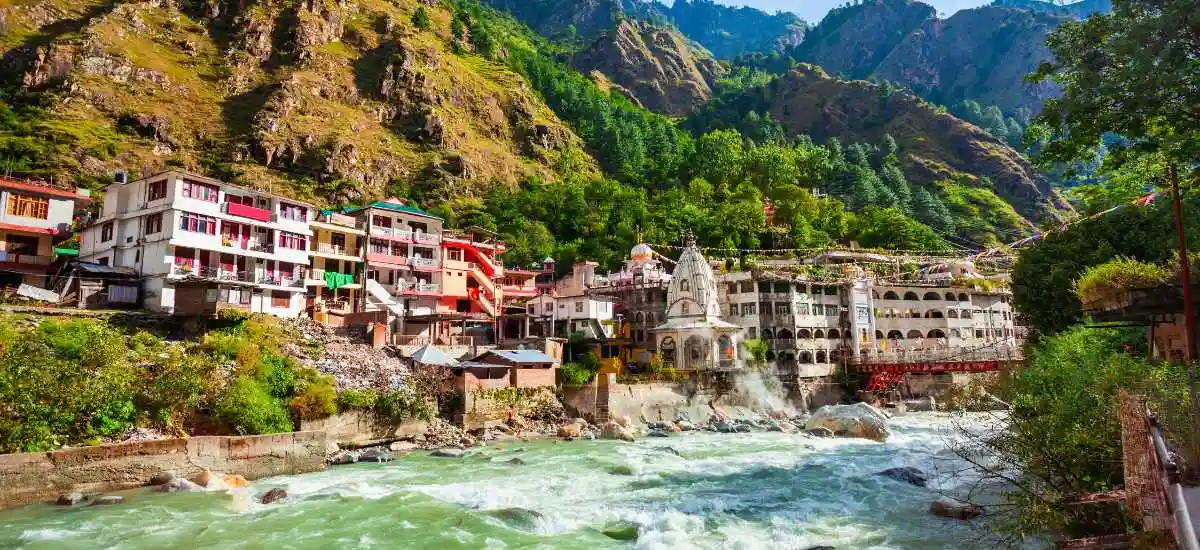
A Classic Monsoon Escape
Manali is one of the most popular hill stations in North India, and July gives it a fresh new look. The rains bring out the best in its landscapes, green valleys, flowing rivers, and countless waterfalls.
The town has a relaxed vibe, with cozy cafes, scenic viewpoints, and plenty of activities to enjoy. Whether you are travelling with family, friends, or your partner, Manali offers something for everyone.
How to Reach
- Take a Volvo bus or drive from Delhi.
- The nearest airport is Bhuntar, about 50 km away.
Best Places to Visit
- Solang Valley for heart-pumping adventure and jaw-dropping scenic views, nestled between Solang and Beas Kund peaks, this playful paradise offers paragliding, zorbing, and ATV rides amid wildflower meadows and snowy slopes. It’s pure joy wrapped in fresh mountain air on your Solang Valley adventure and best place to visit in Manali.
- Rohtang Pass (if accessible) for pristine snow blankets and epic landscapes, at 3,978 meters, this thrilling high-altitude gateway (check Rohtang Pass permit availability) unveils panoramic vistas of glaciers and valleys. It feels like a snowy dream, especially in summer for picnics and snowman-building fun.
- Hadimba Temple surrounded by towering cedar forests, this 15th-century wooden pagoda shrine to Hidimba Devi exudes mystical charm amid deodar groves; trek the short path for peaceful prayers, intricate carvings, and that enchanting forest hush perfect for your Hadimba Temple trek.
- Old Manali for cozy cafes and a laid-back atmosphere, stroll cobblestone lanes lined with apple orchards, eateries, and riverside shacks serving momos and masala chai; it’s the ultimate chill zone for bonfires, live music, and hippie vibes at the Old Manali cafes.
Manali is a great mix of comfort, adventure, and natural beauty.
5. Dharamshala – Kangra, Himachal Pradesh
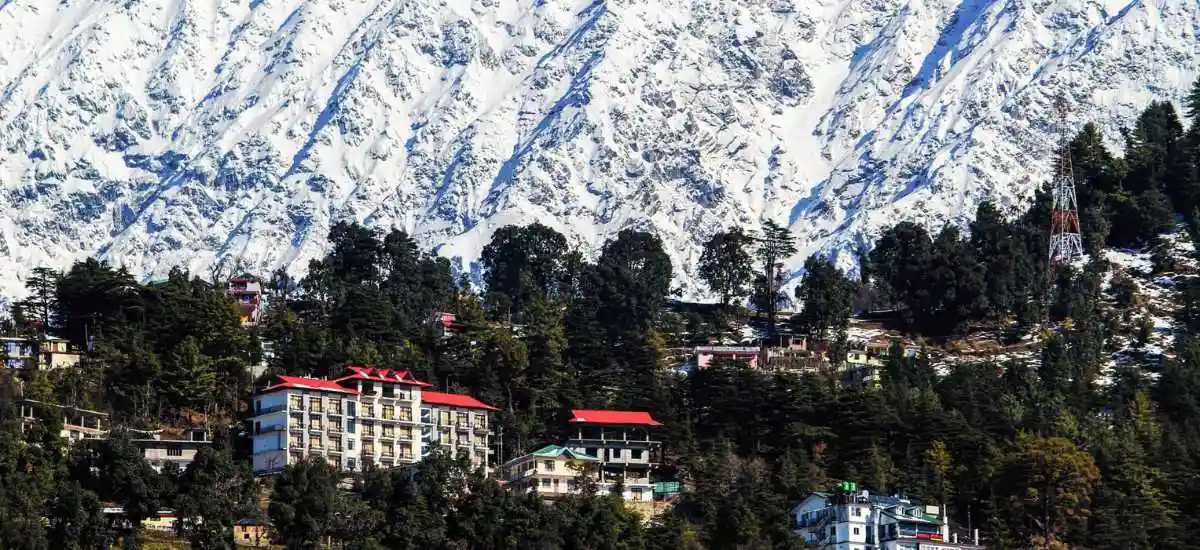
The Home of the Dalai Lama
Dharamshala is calm, spiritual, and incredibly refreshing during July. The mist-covered hills and gentle rain create a peaceful environment that is perfect for relaxation.
This town is also known for its Tibetan culture and monasteries. It offers a unique blend of spirituality and scenic beauty.
How to Reach
- Fly to Kangra Airport, located nearby.
- You can also travel by road from Delhi or Chandigarh.
Best Places to Visit
- McLeod Ganj is the cultural heart of Dharamshala and a great place to experience Tibetan life. The streets are lined with small cafes, monasteries, and shops selling handicrafts. You can explore local markets, try Tibetan food, and enjoy a relaxed mountain vibe.
- Bhagsu Waterfall is especially beautiful during July. With the monsoon in full swing, the waterfall becomes stronger and more lively. Surrounded by greenery and rocky paths, it is a perfect spot to enjoy nature and spend a peaceful afternoon.
- Namgyal Monastery offers a calm and spiritual experience. It is the personal monastery of the Dalai Lama and a place where you can sit quietly, observe monks in prayer, and feel a deep sense of peace away from busy areas.
- For those who enjoy a bit of adventure, the Triund Trek is a must. This moderate trek rewards you with stunning views of the Dhauladhar range. In July, the trail looks fresh and green, making the journey as enjoyable as the destination.
Dharamshala is perfect for travellers looking to unwind and reconnect with themselves.
6. Amritsar – Punjab
The Spiritual Heart of Punjab
Amritsar in July carries a unique charm. The monsoon brings a soft freshness to the city, and the spiritual aura feels even more calming with light rain and cooler weather. The streets are lively, the food is comforting, and the cultural energy of Punjab is at its peak.
At the center of it all is the Golden Temple, which looks even more beautiful when reflected in the water under cloudy skies. The sound of prayers, the warmth of the langar (community meal), and the welcoming nature of the locals make Amritsar a deeply moving experience.
How to Reach
- Well connected by air via Sri Guru Ram Dass Jee International Airport
- Regular trains from Delhi, Chandigarh, and other major cities
- Easily accessible by road from nearby states
Best Places to Visit
- The Golden Temple is the spiritual heart of Amritsar and a must-visit. Surrounded by the sacred Amrit Sarovar, it offers a peaceful atmosphere filled with soothing Gurbani. The langar experience, where thousands are served free meals daily, reflects true equality and community spirit. Early mornings and evenings feel especially serene.
- Just a short walk away, Jallianwala Bagh stands as a powerful reminder of India’s past. The preserved bullet marks, memorial, and museum tell the story of the 1919 tragedy. Walking through the garden feels quiet and reflective, making it an important historical stop.
- Around 30 km from the city, the Wagah Border hosts the famous evening ceremony. It is a high-energy event filled with patriotic chants, coordinated drills, and enthusiastic crowds. Reaching early is recommended for a good view.
- For a calmer experience, Durgiana Temple offers a peaceful alternative. With architecture similar to the Golden Temple but fewer crowds, it is perfect for quiet reflection..
Amritsar is ideal for travellers who want a mix of spirituality, history, and authentic Punjabi culture.
7. Morni Hills – Panchkula, Haryana
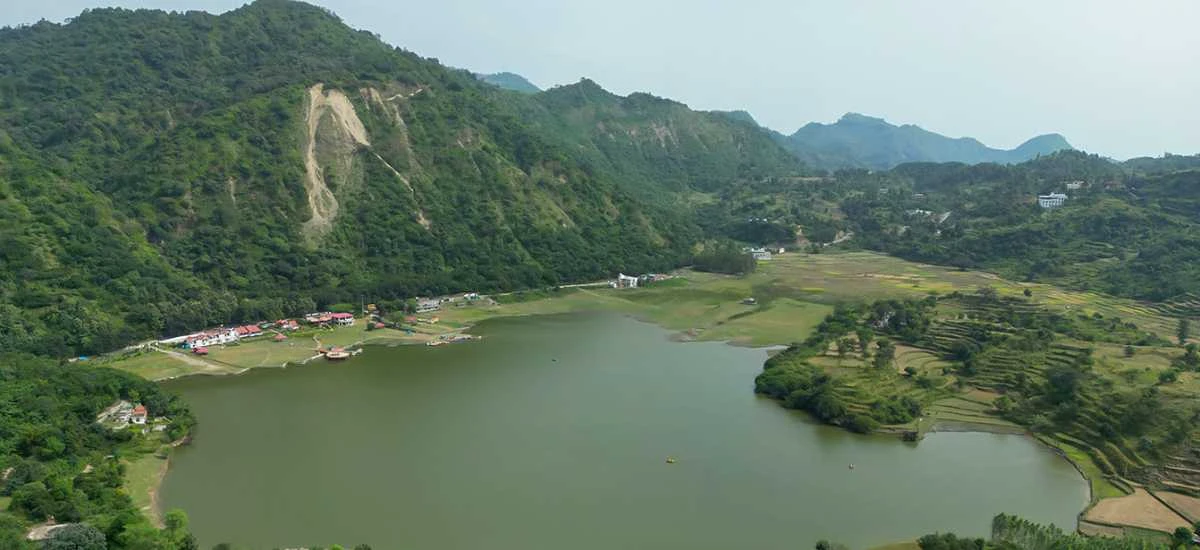
The Only Hill Station of Haryana
Morni Hills is one of the most underrated monsoon destinations in North India. Located close to Chandigarh, it becomes especially beautiful in July when the hills turn lush green and the air feels fresh and cool.
Unlike crowded hill stations, Morni offers peace and simplicity. It is perfect for a short getaway where you can relax, enjoy nature, and take a break from busy city life.
How to Reach
- Nearest city: Chandigarh (about 45 km away)
- Easily accessible by road from Delhi and nearby regions
- Nearest railway station and airport: Chandigarh
Best Places to Visit
- Tikkar Taal (Twin Lakes) is the highlight of Morni Hills. Surrounded by lush greenery, these interconnected lakes look especially beautiful during July when the monsoon enhances their charm. You can enjoy peaceful walks, paddle boating, and quiet moments by the water.
- Morni Fort offers a glimpse into the region’s past along with stunning panoramic views. Though small, the fort sits on an elevated point, making it perfect for soaking in the surrounding hills and enjoying the fresh monsoon breeze.
- For some light fun, the Adventure Park in Morni Hills is a good stop. It offers simple activities like rope courses, boating, and outdoor games, making it ideal for families and casual travellers looking to add a bit of excitement to their trip.
- If you enjoy slow travel, the nature trails and forest walks here are truly refreshing. The hills come alive in July with dense greenery, fresh air, and the sound of birds. Walking through these quiet paths lets you disconnect from city life and fully enjoy the calm of nature.
Morni Hills is best suited for weekend travellers, couples, and anyone looking for a peaceful monsoon escape near Delhi.
8. Valley of Flowers – Chamoli, Uttarakhand
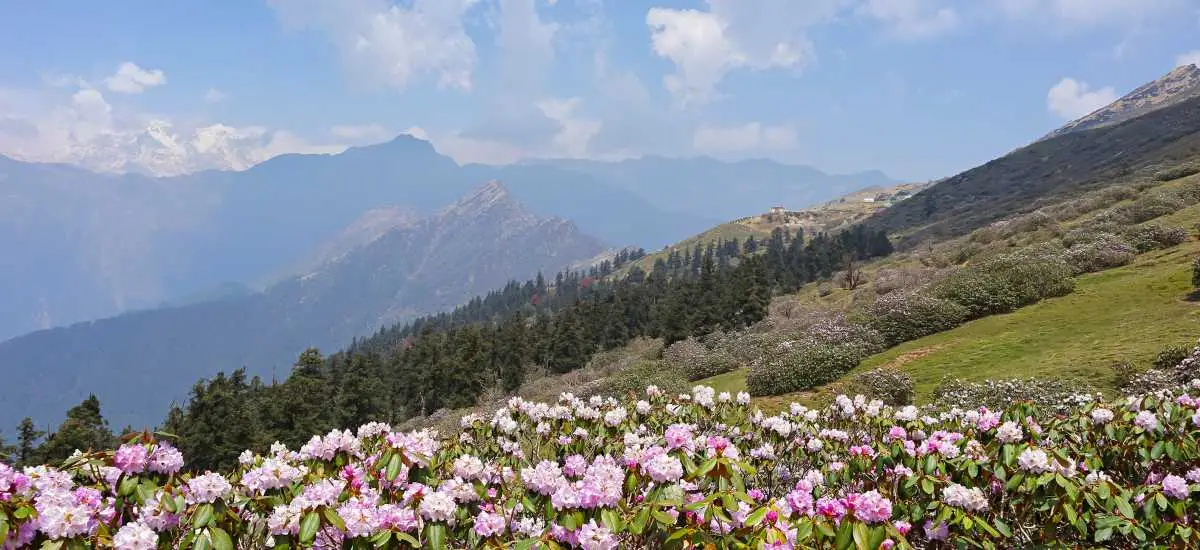
A Blooming Himalayan Paradise
Valley of Flowers in July feels like stepping into a living painting. As the monsoon arrives, this UNESCO World Heritage Site comes alive with thousands of vibrant flowers , covering the valley in shades of pink, yellow, blue, and white. Surrounded by misty mountains and flowing streams, the entire landscape feels fresh, peaceful, and almost magical.
The valley is at its peak bloom during July, making it the best time to visit. The gentle rain enhances the colors, while the cool breeze and soft clouds create a dreamlike atmosphere. Walking through the valley feels slow and calming, where every step reveals a new patch of beauty.
The journey to the Valley of Flowers is as memorable as the destination itself. The trek takes you through forests, wooden bridges, and scenic mountain trails, making it perfect for nature lovers.
How to Reach
- Travel to Haridwar or Rishikesh by train or road. From there, drive to Govindghat.
- Start a trek of around 13 km to Ghangaria, which serves as the base camp.
- From Ghangaria, trek 4 km to reach the Valley of Flowers.
Best Places to Visit
- Valley of Flowers National Park, a UNESCO-listed wonder that bursts into a riot of colors during monsoon, home to rare Himalayan flora like blue poppies and cobra lilies, this dreamy valley feels like nature’s own garden and is perfect for slow walks, photography, and soaking in untouched beauty during your Valley of Flowers trek in July.
- Hemkund Sahib, a sacred Sikh pilgrimage site located at 4,329 meters, surrounded by snow-covered peaks and a glacial lake, the steep trek rewards you with spiritual calm and breathtaking views, making it a must-visit alongside the valley on your Hemkund Sahib Yatra.
- Ghangaria Village, the peaceful base camp nestled between mountains and forests, where you can rest, enjoy simple local food, and prepare for your treks, offering a calm and cozy stay amid nature during your Valley of Flowers itinerary.
- Pushpawati River, flowing gracefully alongside the valley, adding to the charm with its clear waters and soothing sound, perfect for quiet moments and scenic photography during your walk through the valley.
This destination is ideal for nature lovers, photographers, and travellers seeking a peaceful escape into the heart of the Himalayas.
Conclusion
North India in July is not about avoiding the rain, it is about embracing it. The monsoon transforms the entire region into a living, breathing landscape filled with colour and energy. From the rugged beauty of Ladakh to the spiritual calm of Kedarnath and the misty charm of Mussoorie, each destination offers a unique experience.
Travelling during this time allows you to see a different side of these places. There are fewer crowds, more peaceful moments, and a deeper connection with nature. Yes, you need to plan carefully and stay flexible, but the rewards are worth it.
If you are looking for a trip that feels refreshing, meaningful, and close to nature, North India in July is the perfect choice.
FAQs
Q1. Is July a good time to visit North India?
Yes, July is a great time if you enjoy greenery and monsoon landscapes. While there may be rain and occasional travel disruptions, the natural beauty during this time is unmatched. It is ideal for slow and relaxed travel.
Q2. Which are the safest places to visit in July in North India?
Ladakh and Spiti Valley are among the safest options as they receive less rainfall. Hill stations like Manali and Mussoorie are also popular, but it is important to check weather conditions before travelling.
Q3. Can I go trekking in North India in July?
Yes, but you should choose safe and moderate treks. Avoid risky or high-altitude treks in heavy rainfall areas. Places like Dharamshala and Ladakh offer better trekking conditions during this time.
Q4. What should I pack for a July trip?
Carry waterproof clothing, sturdy shoes, quick-dry outfits, and essential medicines. It is also helpful to carry an umbrella, rain cover for bags, and a power bank.
Q5. Are adventure activities available during monsoon?
Some activities like river rafting in Rishikesh may be restricted due to safety concerns. However, sightseeing, cultural exploration, and light trekking are still available in most destinations.