
February is the month of new beginnings, when the harsh winters of January give way to the colours and floral fragrances of February. Every state celebrates art, culture, dance and life through various carnivals and festivals. From the tribal festivals of North East India to the classical dance festivals of Madhya Pradesh to the divine experience of Mahashivratri in Uttarakhand, every destination is a story waiting to reveal itself.
1. Agra City – Uttar Pradesh
Best for : Heritage, culture, festivals, handicrafts, Mughal architecture
Temperature : 10°C to 25°C
Ideal for : Culture lovers, history enthusiasts, families, foodies, festival travellers
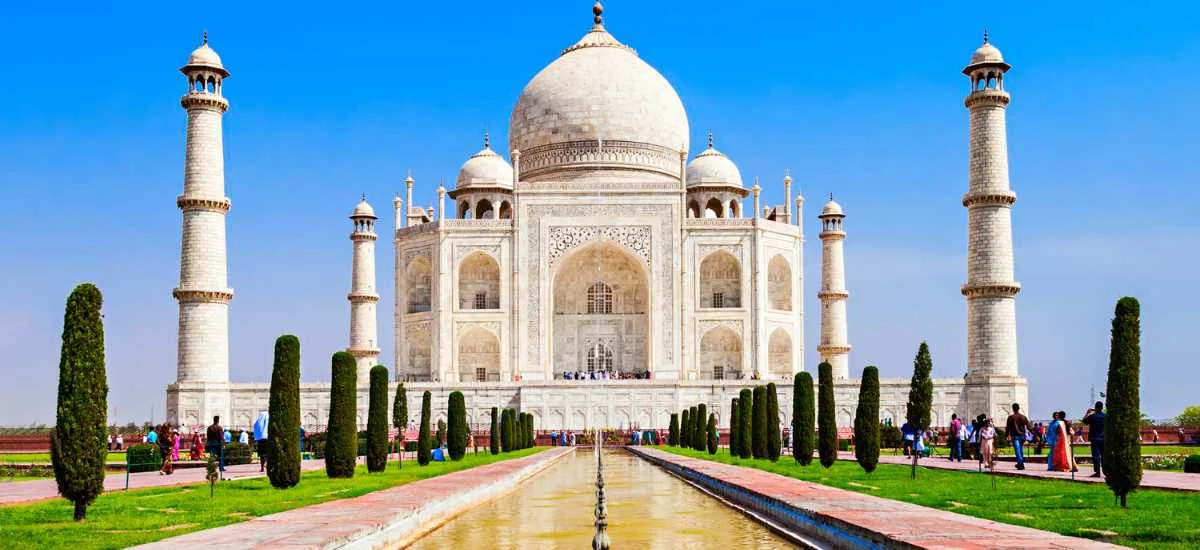
Winter in Agra feels like stepping back into India’s royal past. The air is crisp, the skies are clear, and the marble of the Taj Mahal glows warmer in the soft winter light. From November to February, the city is at its most pleasant, perfect for long walks through Mughal gardens, exploring UNESCO World Heritage sites, and immersing yourself in the cultural richness of Uttar Pradesh.
Festivals
The highlight of the season, the festival that transforms the city into a colourful cultural mosaic, is Taj Mahotsav, one of India’s most iconic arts and culture carnivals.
Taj Mahotsav
A celebration of India’s artistic soul, Taj Mahotsav is held every February at Shilpgram, near the eastern gate of the Taj Mahal. This 10-13 day festival brings together hundreds of artisans, performers, chefs, and musicians from across the country, turning Agra into a living museum of India’s heritage.
Visitors stroll through vibrant lanes filled with marble artists, zardozi craftsmen, carpet weavers, bamboo workers, potters, chikankari artisans, and weavers from every corner of India. Each stall is not just a shop but a story of lineage, technique, and regional identity.
The festival’s heartbeat is its cultural stage, where folk troupes, classical dancers, Brij performers, regional musicians, and national artists bring India’s cultural diversity to life. Whether it’s a soulful sitar recital, high-energy Lavani, or Brij ki Raasleela, every performance is an invitation to experience India’s artistic roots.
Must-try foods in Agra: Bedai & aloo sabzi, Petha (classic, angoori, kesar), Mughlai delicacies like biryani and paneer lababdar, Chaat varieties at Sadar Bazaar, Lassi and rabri in earthen kulhads
Best Things to Do in Agra in February
- Visit the Taj Mahal – The winter light and cool climate give the marble a soft, golden glow.
- Explore Agra Fort – Walk through centuries of Mughal history, palaces, and the riverside.
- Discover Fatehpur Sikri – A UNESCO World Heritage site known for its Indo-Islamic architecture and historical tales.
- Shop for handicrafts – Marble inlay work, zardozi, leather goods, carpets, and miniature paintings are Agra’s specialities.
- Take an evening stroll in Mehtab Bagh – A peaceful riverside garden offering spectacular views of the Taj Mahal.
2. Dehradun – Uttarakhand
Best for : Spiritual travel, nature escapes, temple architecture, caves
Temperature : 8°C to 22°C
Ideal for : Pilgrims, families, trekkers, culture lovers, photographers
Winter in Dehradun feels calm and refreshing, with cool breezes drifting down from Mussoorie and the Doon Valley wrapped in a soft mist. January to March is one of the best times to explore the city’s natural springs, river caves, monasteries, and forest trails. The weather is crisp but pleasant enough for long walks through Rajpur Road, quiet mornings at Buddhist monasteries, and exploring Dehradun’s unique mix of history and nature.
Festivals
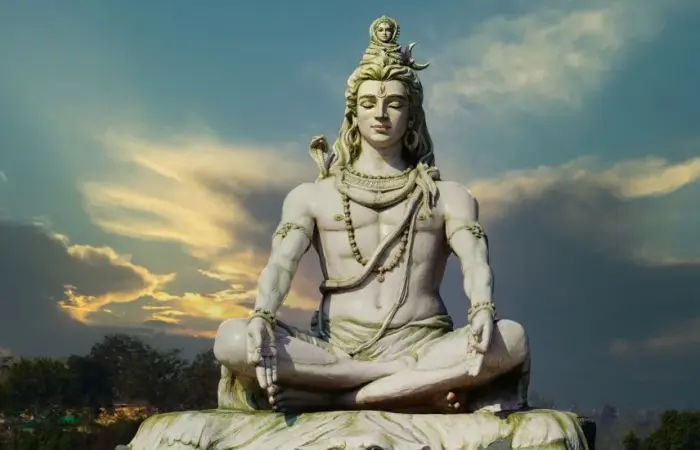
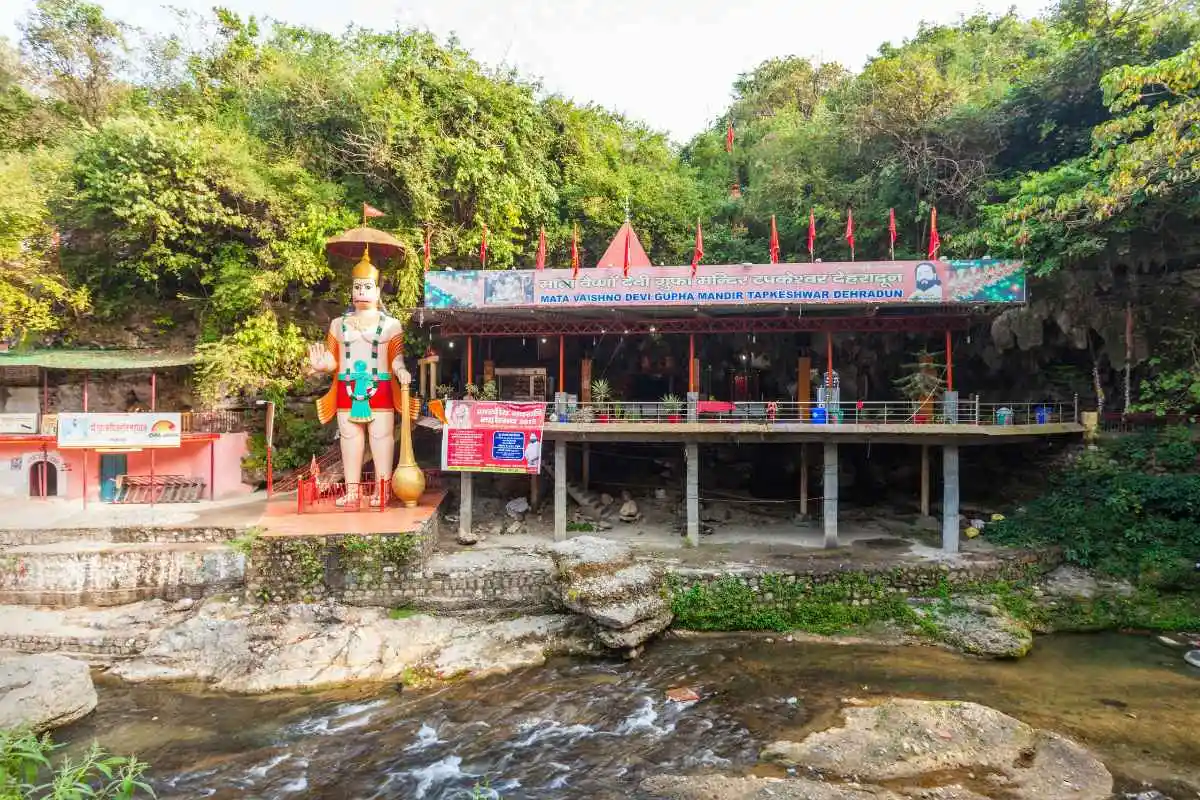
Among all its winter festivals, the most significant is Maha Shivratri at Tapkeshwar Temple, a deeply revered celebration that draws thousands of devotees from across Uttarakhand.
Maha Shivratri
Nestled inside a natural cave on the banks of the Tons River, Tapkeshwar Temple is one of the oldest Shiva shrines in the region. During Maha Shivratri, the entire cave becomes a centre of spiritual vibrance. Devotees arrive early in the morning, carrying offerings, ringing bells that echo softly through the cave, and joining the long snaking queue that winds through the riverside path. By evening, the temple glows under rows of diyas, and the sound of the aarti echoes against the hills, creating a moment that feels timeless and grounding. For many, Maha Shivratri at Tapkeshwar is not just a festival but an intimate spiritual experience tied to memory, culture, and community.
Must-try foods in Dehradun– Kalsang-style Tibetan momos and thukpa, Local bun-maska with chai, Kafuli and gahat ki dal, and freshly baked pastries from old Doon bakeries
Best Things to Do in Dehradun in February
- Explore Robbers Cave, a river cave perfect for winter walks
- Enjoy Tibetan food and cafes on Rajpur Road
- Take a peaceful stroll inside the Forest Research Institute
- Visit Sakya Centre Buddhist Monastery
Explore Hills and Holy Waters of Uttarakhand Tour with our 7 Days 6 Nights Tour Package.
3. Konark – Odisha
Best for: Classical dance festivals, temple heritage, tribal culture, photography
Temperature: 12°C to 28°C
Ideal for : Culture enthusiasts, history lovers, photographers, solo travellers, festival-goers
Odisha in winter feels like a gentle mix of art, heritage, and the quiet rhythm of rural life. The air is cool, the skies are clear, and ancient temples glow in soft golden light. In districts like Balangir and in the coastal town of Konark, winter brings a cultural pulse that stretches from tribal traditions to world-renowned classical dance festivals.
Festivals
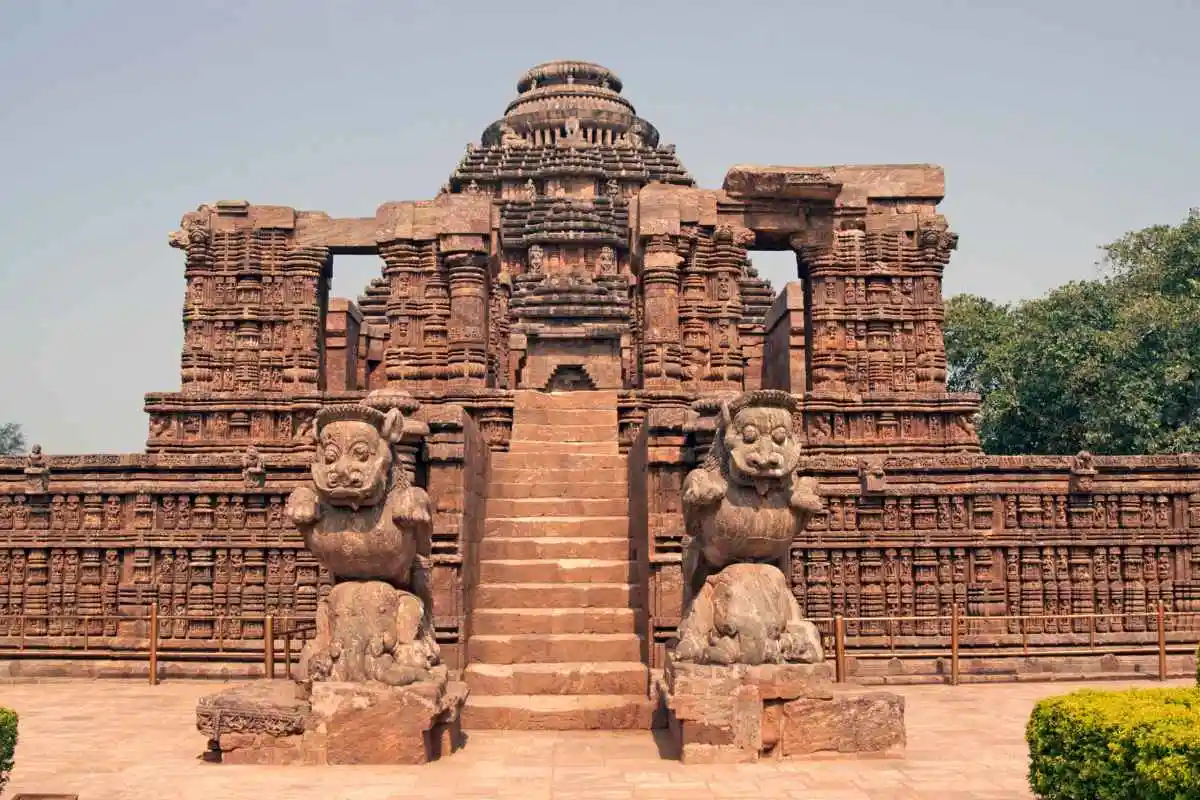
Konark becomes a stage where India’s classical performing arts come alive against the backdrop of the magnificent Sun Temple. Amid this cultural richness, one of India’s most iconic festivals, the Konark Dance Festival, takes place.
Konark Dance Festival
One of India’s most admired celebrations of classical arts, the Konark Dance Festival transforms the open-air auditorium near the Sun Temple into a dazzling world of rhythm, sculpture, and movement. For five days every winter, renowned dancers and troupes from across the country gather here to perform Odissi, Bharatanatyam, Kuchipudi, Mohiniyattam, Kathak, and other classical forms.
The atmosphere is serene yet electric: the sound of ghungroos, the echo of mridangam and flute, and the cool sea breeze drifting in from the coast. Alongside the performances, a crafts mela showcases Odisha’s exquisite handlooms, silver filigree, stone sculptures, pattachitra paintings, and tribal art, turning the festival into a complete cultural immersion.
Must-try foods : Chhena poda, dalma, pakhala bhaata (winter version), arisa pitha, chaula kheeri, and Balangir-style mutton curry for non-vegetarians.
Best Things to Do in Konark
- Visit the Konark Sun Temple early in the morning to admire its intricate carvings.
- Explore Balangir’s Harishankar Temple and Ranipur-Jharial archaeological site.
- Experience rural fairs and tribal dance gatherings around Balangir during winter.
- Shop for Odisha handlooms, especially Sambalpuri ikat and Bomkai sarees.
- Visit Chandrabhaga Beach for sunrise and the peaceful coastal atmosphere.
4. Tamenglong – Manipur
Best for : Tribal culture, spring festivals, indigenous rituals, photography
Temperature : 10°C to 22°C
Ideal for : Culture enthusiasts, anthropologists, photographers, travellers seeking authentic indigenous experiences
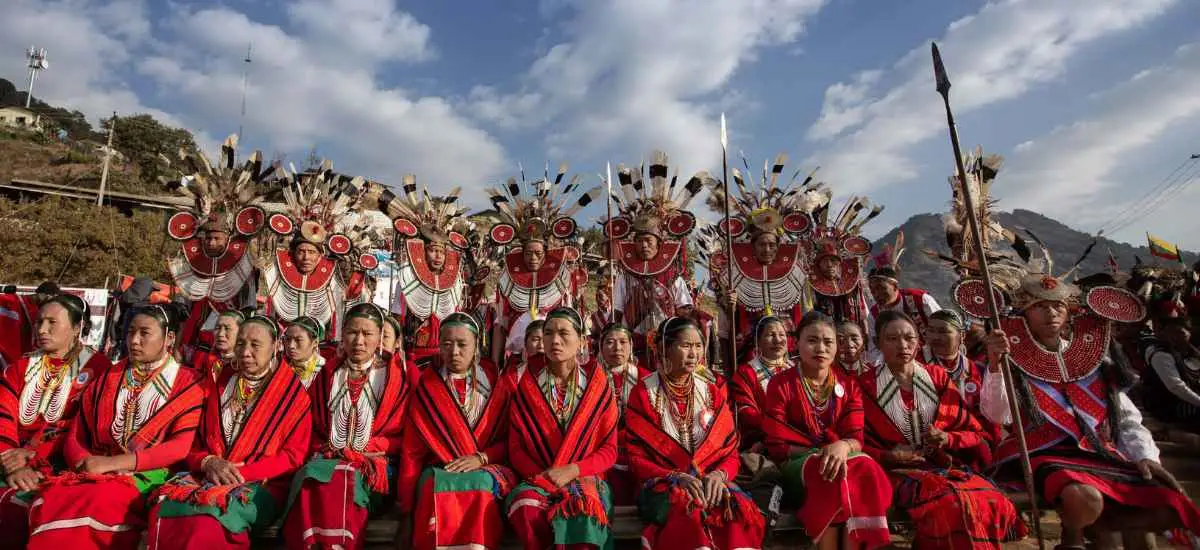
Manipur in February feels like the first breath of spring, with gentle sunlight, cool breezes, and hills slowly waking up after winter. With lush green hills and valleys blooming with rarest flowers, every road trip feels straight out of a movie. In the Naga-inhabited regions of Ukhrul, Tamenglong, Senapati, and Chandel, the landscape takes on a festive vibrancy as communities prepare for one of their most meaningful cultural events of the year.
Festivals
As winter retreats and the agricultural cycle begins anew, the festival marks both the start of the farming season and the Naga New Year. It is a time when the Nagas honour the deities of crops, pay their respects to nature, and renew their bonds with one another.
Lui Ngai Ni Festival
The name “Lui Ngai Ni” conveys this meaning across three Naga languages: “Lui” from Tangkhul, meaning seed-sowing; “Ngai” from Rongmei, meaning festival; and “Ni” from Mao, also meaning seed-sowing. One of the most important inter-tribal festivals of the Naga people in Manipur, Lui Ngai Ni is celebrated with immense energy, colour, and spiritual significance. Naga groups from across the state, including Tangkhul, Mao, Maram, Rongmei, Zeme, Poumai, Maring, Anal, Moyon, Chiru, Thangal, Puimei, Monsang, Tarao, Chothe, Kharam, and many more, gather at a pre-decided location to perform rituals, dances, songs, and ceremonies associated with seed sowing.
The lighting of the sacred fire is one of the festival’s most symbolic moments; it represents purity, the start of a new agricultural year, and the shared flame of unity among Naga clans. Folk dances fill open grounds with rhythmic footwork and storytelling. Traditional songs, bamboo instruments, drum beating, colourful ethnic attire, and warrior dance sequences bring the hills to life.
Must-try foods : Smoked pork with bamboo shoot, fermented soybean (hawaijar) dishes, sticky rice, steamed herbs, champhut (sweet potato dessert), and local millet brews.
Best Things to Do in Manipur
- Watch traditional Naga dances and musical performances by different clans.
- Explore Ukhrul’s rolling hills and visit villages known for Tangkhul culture.
- Visit Tamenglong to experience the rich traditions of Rongmei and Zeme tribes.
- Shop for handwoven Naga shawls, bamboo crafts, jewellery, and tribal artefacts.
- Explore nearby attractions like Loktak Lake, Kangla Fort, and Ima Keithel (the iconic women-run market).
Explore Grand Manipur Exploration Tour with our 7 Days 6 Nights Tour Package.
5. Indore & Khajuraho – Madhya Pradesh
Best for : Classical dance, temple heritage, architecture, winter travel
Temperature : 10°C to 26°C
Ideal for : Culture lovers, photographers, heritage travellers, solo explorers, students of classical arts
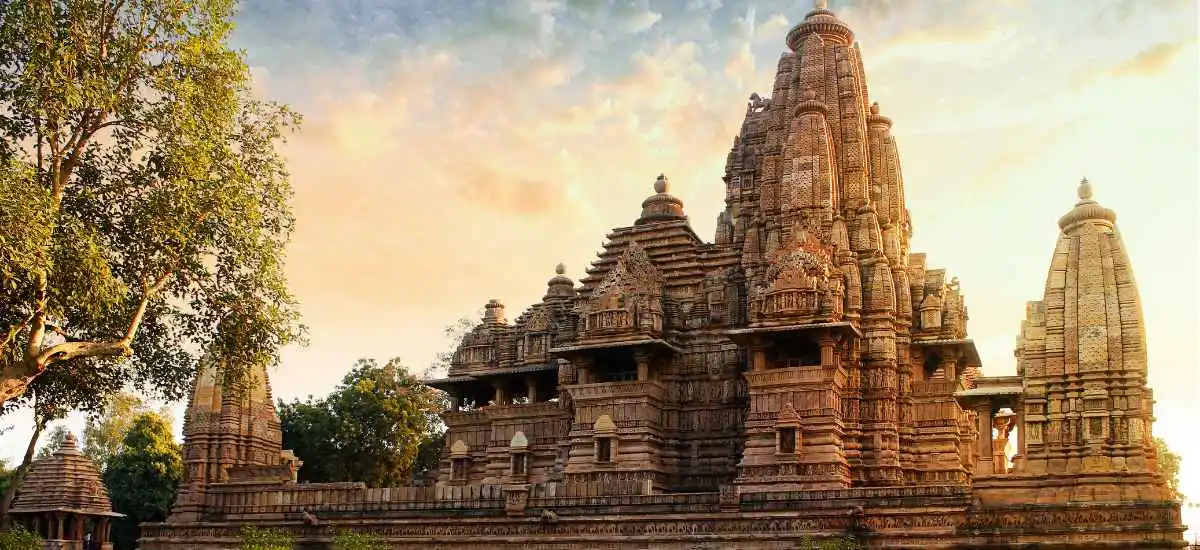
Madhya Pradesh in February feels like a gentle winter retreat, with clear skies, mild afternoons, and evenings touched with a soft chill. While Indore buzzes with food trails, art circles, and a youthful energy, the historic town of Khajuraho settles into a calm rhythm where ancient temples glow golden under the winter sun. This is the perfect time when culture, history, and art converge, and nowhere is this more visible than during the Khajuraho Dance Festival.
The landscapes of Bundelkhand, its sandstone hills, serene lakes, and temple silhouettes, create an atmosphere where time feels slower, almost meditative. Walking through Khajuraho’s temple complex in winter, you can feel the carvings come alive: celestial dancers, musicians, gods, and mythical beings frozen in stone but full of movement and grace. It is in this setting that one of India’s most prestigious classical dance festivals unfolds.
Festivals
Walking through Khajuraho’s temple complex in winter, you can feel the carvings come alive: celestial dancers, musicians, gods, and mythical beings frozen in stone but full of movement and grace. It is in this setting that one of India’s most prestigious classical dance festivals unfolds.
Khajuraho Dance Festival
Held every year against the magnificent Western Group of Temples, the Khajuraho Dance Festival is a celebration of India’s classical dance heritage. For seven nights, the open-air stage comes alive with performances of Kathak, Bharatanatyam, Odissi, Kuchipudi, Mohiniyattam, Manipuri, Sattriya, and sometimes contemporary classical interpretations. Renowned maestros, emerging artists, and international performers gather to honour the artistic legacy embedded in Khajuraho’s stone sculptures.
Alongside the dance performances, you’ll find art workshops, craft stalls showcasing Madhya Pradesh’s terracotta work, Gond paintings, bell-metal crafts, handloom stalls, and food corners serving local Bundelkhand flavours.
The festival has evolved into a cultural ecosystem, part performance, part heritage walk, part creative showcase, making it both immersive and educational.
Must-try foods : Indori poha-jalebi, sabudana khichdi, khopra patties, mawa bati, dal bafla, Bundelkhand-style laddus, and local thalis.
Best Things to Do in Indore & Khajuraho
- Explore the Khajuraho temple complex early morning for detailed carvings in soft light.
- Visit Raneh Falls Canyon and the nearby Ken Gharial Sanctuary.
- Take a heritage walk to learn about Chandela-era temple architecture.
- Visit Indore’s Lal Bagh Palace, Rajwada, and Central Museum.
- Spend an evening at Sarafa Bazaar for the famous night street food experience.
- Shop for Chanderi sarees, Maheshwari textiles, terracotta art, and tribal crafts.
Frequently Asked Questions
1. What makes February the best month to book travel packages for these destinations?
February offers pleasant weather, major cultural festivals, clear skies, and lower crowd levels, making sightseeing, outdoor exploration, and festival-based itineraries more enjoyable across all destinations.
2. Do February packages include festival entries like Taj Mahotsav, Maha Shivratri, Konark Dance Festival or Lui Ngai Ni?
Most curated February packages can include festival access, guided visits, cultural experiences, and seating arrangements, depending on availability. Travellers can request customised inclusions based on preferred festivals.
3. How many days are ideal for a combined February itinerary covering these destinations?
A well-paced trip typically requires 7–12 days, depending on whether travellers choose single-city festival experiences or multi-destination cultural circuits, including Agra, Dehradun, Konark, Manipur, and Khajuraho.
4. Are February travel packages suitable for families and senior travellers?
Yes. The cool climate, smooth road conditions, and festival-friendly atmospheres make these destinations ideal for families, seniors, and cultural travellers seeking relaxed sightseeing and curated experiences.
5. What type of accommodations are included in February travel packages?
Packages offer a mix of heritage hotels, boutique stays, eco-resorts, and festival-zone properties near major venues like Shilpgram, Konark Temple complex, and the Khajuraho stage area.
6. Are cultural and heritage guides included in these February packages?
Most packages include certified guides for forts, temples, UNESCO sites, tribal villages, and festival venues. Travellers can request deeper cultural tours, craft walks, or artist-interaction add-ons.
7. What should travellers pack for a February trip across these states?
Light winter clothing, comfortable walking shoes, festival-appropriate outfits, sunscreen, power banks, and ethnic wear for photography at cultural venues. Evenings can be cool in Agra, Khajuraho, Konark, and hill regions.