

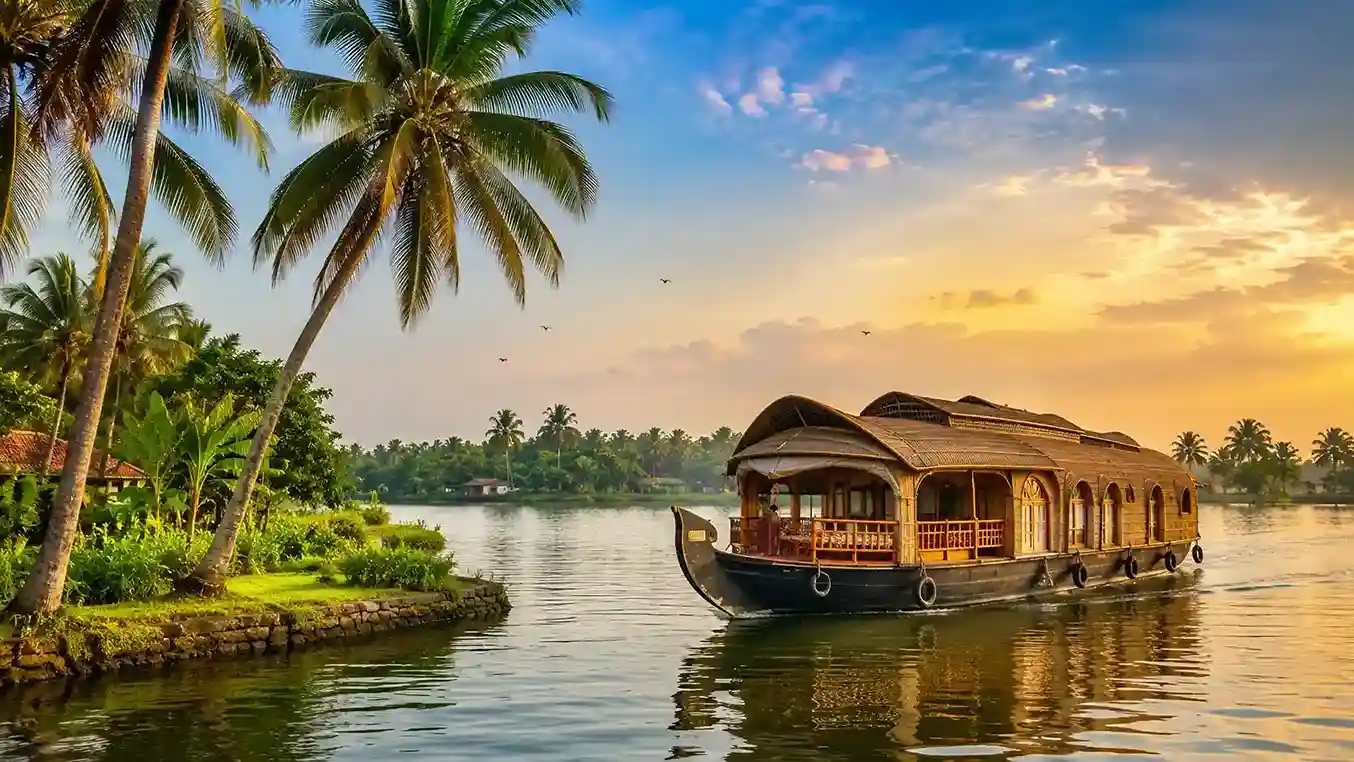
I heard a lot about Kerala, God’s Own Country, and its popularity for backwaters, palm-fringed beaches, and Ayurvedic wellness. So, I booked one of the best Kerala tour packages to witness this southern Indian state and experience its hospitality at my own pace.
For my trip to Kerala, I chose Kochi, also known as Cochin, as my first tour destination. On an October evening, I landed in Cochin, where the air smells of coconut oil, rain, and something faintly floral you can never name. Within 48 hours, I was enjoying a ride on a wooden houseboat floating along a canal. During that boat ride, I enjoyed watching Kerala’s natural beauty a lot.
After completing my entire tour in this state, I thought right, and I now understand why they call Kerala God’s Own Country. Yesterday evening, I decided to share my experience by writing a guide on a Kerala tour that can benefit others who wish to visit this South Indian state.
This guide is more than a list of things to do, places to visit, or tips to follow. It is my true attempt to help you explore Kerala the way it deserves to be seen: slowly, attentively, with your phone camera ready.
Whether you are a couple looking for a romantic moment, a solo traveller, a family, or a group visitor, Kerala offers you what you really want in a way that is usually hard to explain in words. However, I’m going to explain it to let you have a better experience on your own Kerala tour.
Why Kerala for an Aesthetic Tour
Before explaining any specific destinations, let’s talk about why Kerala is so visually and emotionally unique from other parts of India and the world.
The state runs like a long green ribbon along India’s southwestern edge, with the Arabian Sea on one side and the Western Ghats on the other. In between, you’ve got backwaters, paddy fields, spice gardens, fishing villages, colonial-era streets, and misty hill stations that look like they were lifted straight from a children’s storybook. The light here is extraordinarily warm, soft, and golden for most of the year. Photographers go absolutely wild.
There is also a distinct visual culture. The traditional architecture, with its sloping tiled roofs, carved wooden pillars, and inner courtyards, is unlike anything else in India. The classical art forms – Kathakali with its impossibly dramatic face paint, Mohiniyattam with its graceful hand gestures—are living paintings. Even the food is beautiful, served on banana leaves with little mounds of colour: red fish curry, golden coconut rice, green banana chips.
Kerala, in short, is endlessly photogenic. But more than that, it is felt. And that is the combination that makes it truly special.
Best Time for a Kerala Tour
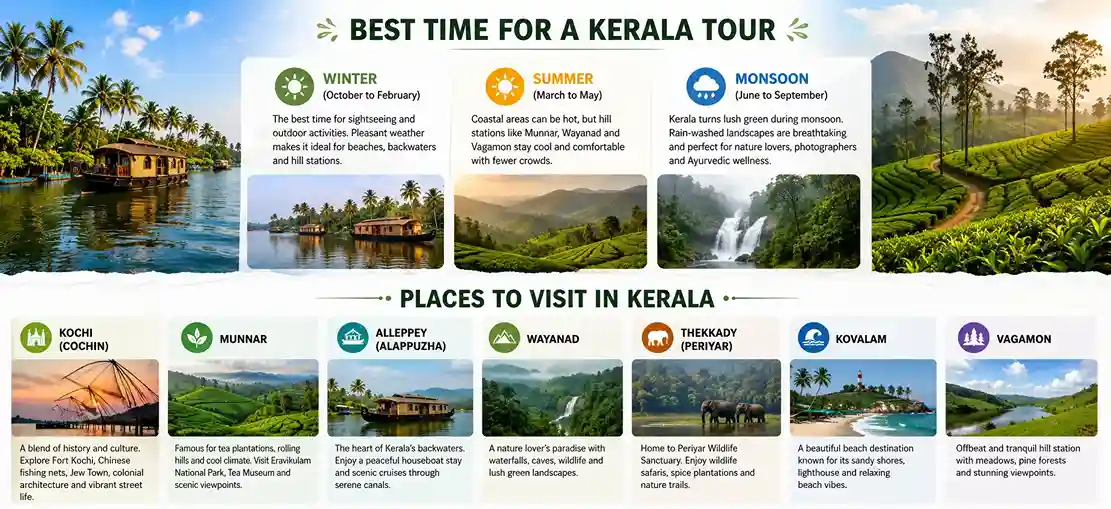
Kerala welcomes visitors throughout the year. However, each season offers a different charm.
Winter (October to February)
It is considered the best time for sightseeing and outdoor activities. During this season, the weather is pleasant and ideal for exploring hill stations, beaches, and backwaters.
Summer (March to May)
In the summer, temperatures rise in coastal areas. However, hill stations like Munnar, Wayanad, and Vagamon remain cool and comfortable. It is an ideal time if you want to have fewer crowds during your Kerala trip.
Monsoon (June to September)
The monsoon season is the best time to visit Kerala if you wish to experience it transforming into a lush green paradise. The rain-washed landscapes create breathtaking scenery, which is ideal for photographers and nature lovers. It is also regarded as the ideal time for Ayurvedic wellness treatments.
Places to Visit in Kerala
In my trip to Kerala, I explored almost all key places, enjoyed doing the activities of my choice, and tasted what I thought I should do. You are different from me. So, I am explaining the places you should explore in your Kerala tour.
Kochi (Cochin)
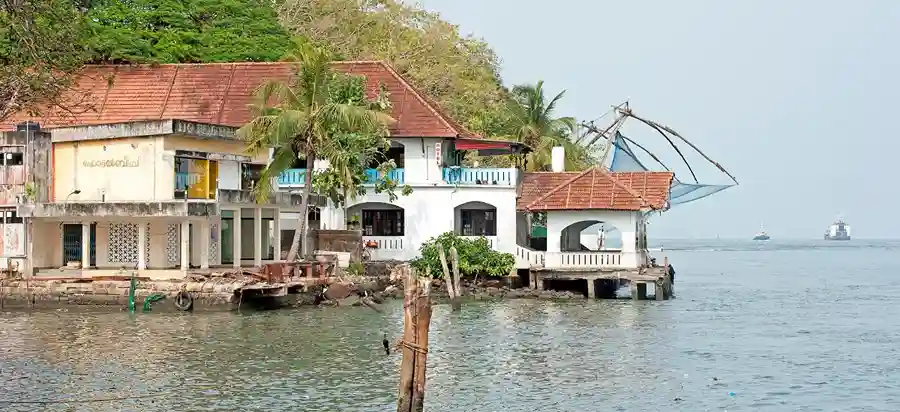
Most Kerala tours begin in Kochi, and if you’re flying in, that’s exactly as it should be. But don’t make the mistake of treating Kochi (also known as Cochin) as merely a starting point. Specifically, Fort Kochi, the old colonial quarter of the city, deserves at least two full days of unhurried wandering.
Walking through Fort Kochi is a delightful experience. Portuguese churches lie along synagogues. Dutch-influenced mansions have been converted into boutique galleries. Street art splashes across old warehouse walls. The whole neighbourhood feels like it’s having an ongoing, centuries-long conversation between cultures, and somehow it works.
The Chinese fishing nets along the seafront built in the 14th century by Chinese traders are perhaps the most iconic image of Kerala. Yes, they’re always on postcards. However, witnessing them in person at sunrise silhouetted against an orange sky is something else entirely. If you want the photograph, arrive before 6 AM and find a quiet spot along the waterfront before the tour groups descend.
Jew Town and Mattancherry are a short walk or tuk-tuk ride away. The spice market here is a full sensory assault in the very best way, towers of cardamom, pepper, turmeric, and cinnamon stacked in hessian sacks, and the scent drifting halfway down the street. The Paradesi Synagogue, constructed in 1568, still stands in near-perfect condition and is well worth a visit.
In the evenings, catch a Kathakali performance at one of the cultural centres in Fort Kochi. The preparation ritual alone, watching the performers apply their elaborate face paint layer by layer, is its own kind of theatre. If you get the chance, go early to watch the make-up process before the show. It’s extraordinary.
You can experience all these or ones of your choice with a customised Cochin tour package. It usually includes accommodation, sightseeing, local transfers, and even meals you want or need.
Munnar
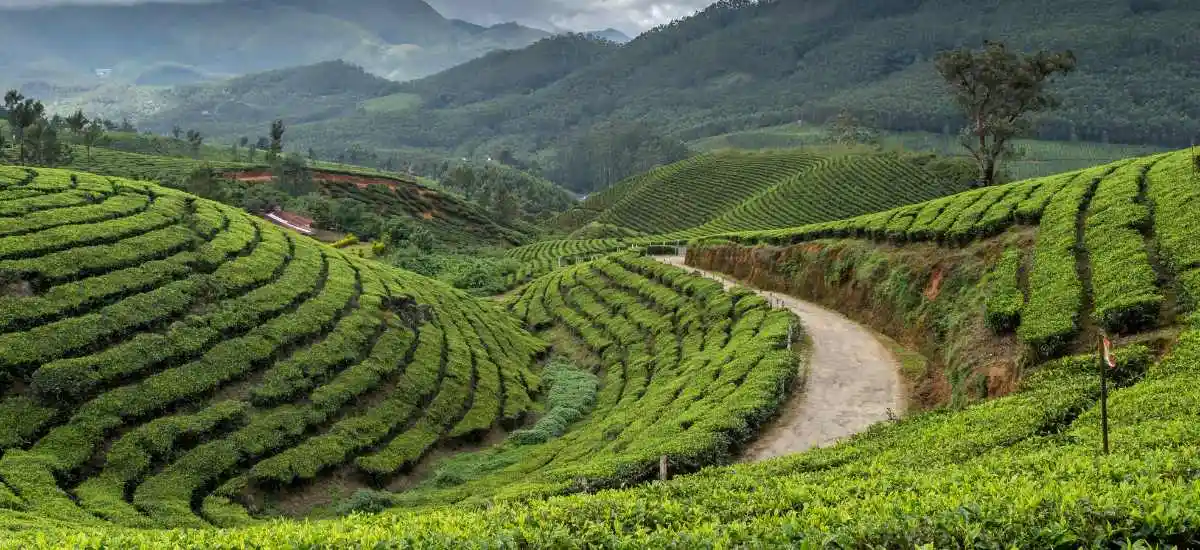
From Kochi, the drive to Munnar takes around four hours and is, in itself, one of the great travel experiences of South India. You leave the humid coast behind and climb steadily into the Western Ghats, the road narrowing as you go, waterfalls appearing on rock faces, and the temperature dropping a couple of degrees every twenty minutes or so.
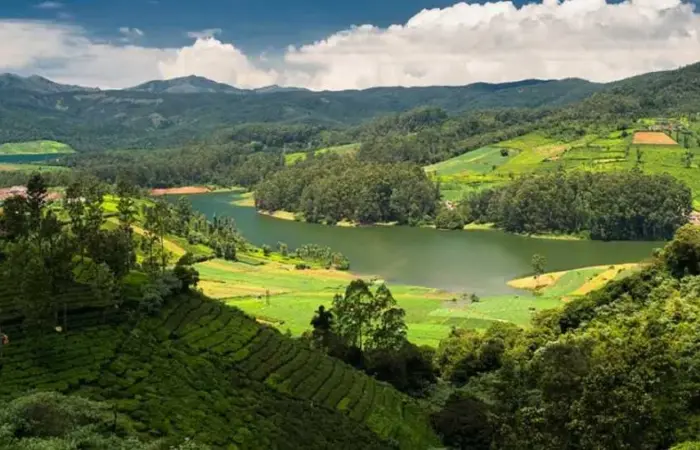
Munnar is located at around 1,600 metres above sea level. When you arrive here, you understand immediately what all the fuss is about. The hills are carpeted in tea bushes, a vivid, consistent green that stretches as far as the eye can see in every direction. It looks almost artificial, like someone’s laid down green velvet over the landscape and forgotten to tell anyone.
The tea estates here date back to the 1880s, when they were established by the British as a high-altitude retreat and commercial venture. The Tata Tea Museum in Munnar is genuinely interesting, not in a dry, dusty way, but in a “wait, I had no idea tea production was this involved” kind of way.
A guided walk through an active tea estate, where you can watch the pluckers at work and then follow the leaf all the way through the factory to the finished product, is one of those quiet but memorable experiences that stays with you.
For the aesthetically inclined traveller, the light on Munnar’s hills in the early morning is extraordinary. A thin mist usually sits over the tea rows until about 9 AM, giving everything a dreamlike quality. Set an alarm. It’s worth the cold.
Eravikulam National Park, just outside Munnar, is home to the Nilgiri Tahr. It is a mountain goat that’s remarkably unfazed by tourists and will often wander close enough for a brilliant photograph. The park is open from November to April, and the views from the higher trails are spectacular.
Practical tip: Munnar gets cold at night, especially between November and February. Pack a light fleece. You’ll thank yourself at 6 AM when you’re standing on a hillside watching the sunrise. Experience it with a personalised Munnar tour package. Request a licensed tour operator to curate itinerary and include accommodation and local transfers as per your travel style and needs.
Alleppey (Alappuzha)
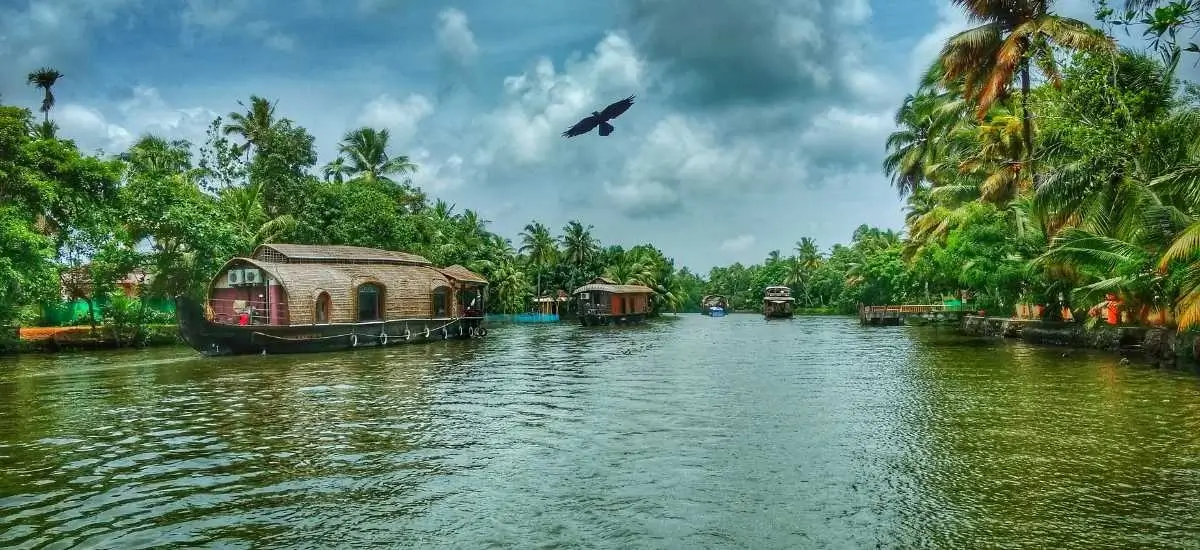
If Munnar feeds the eyes, Alleppey, referred to as the Venice of India, feeds the soul.
Here, you can closely experience Kerala backwaters that are a network of interconnected lakes, lagoons, rivers, and canals and span over 900 kilometres along the coast. They are the lifeblood of a whole way of living: fishermen paddling dugout canoes through narrow channels, women washing clothes on stone steps, children running along muddy banks, egrets standing perfectly still in the shallows.
The houseboat experience, staying aboard a traditional kettuvallam, is rightly one of the most celebrated travel experiences in all of Asia. These boats range from the relatively simple to the genuinely luxurious (some have private decks, Jacuzzis, and chefs who’ll cook whatever fresh fish the local market had that morning). What they all share is the rhythm of slow water travel: the soft splash of the oar, the changing light on the canal surface, the feeling of having stepped entirely out of time.
For a more intimate experience, skip the larger houseboat operators in favour of a canoe tour through the narrower channels around Kuttanad, the so-called “Rice Bowl of Kerala.” Here, paddy fields are actually located below sea level. You can also explore quieter spots like Munroe Island and Kappil, which see far fewer tourists and offer a more genuine glimpse of backwater life.
The best backwater photographs are taken in the golden hour before sunset, when the water turns amber, and every coconut palm casts a long, perfect shadow. For wildlife photography, early mornings are magical, kingfishers, cormorants, darters, and white herons are all active in the first hours of daylight.
Book in advance: The best houseboats are booked months in advance, particularly between November and February. Don’t leave it to the last minute. Choose and book the best Alleppey tour package that can include houseboat stays and key attractions of choice, 2 to 3 months earlier of your actual travel date.
Thekkady
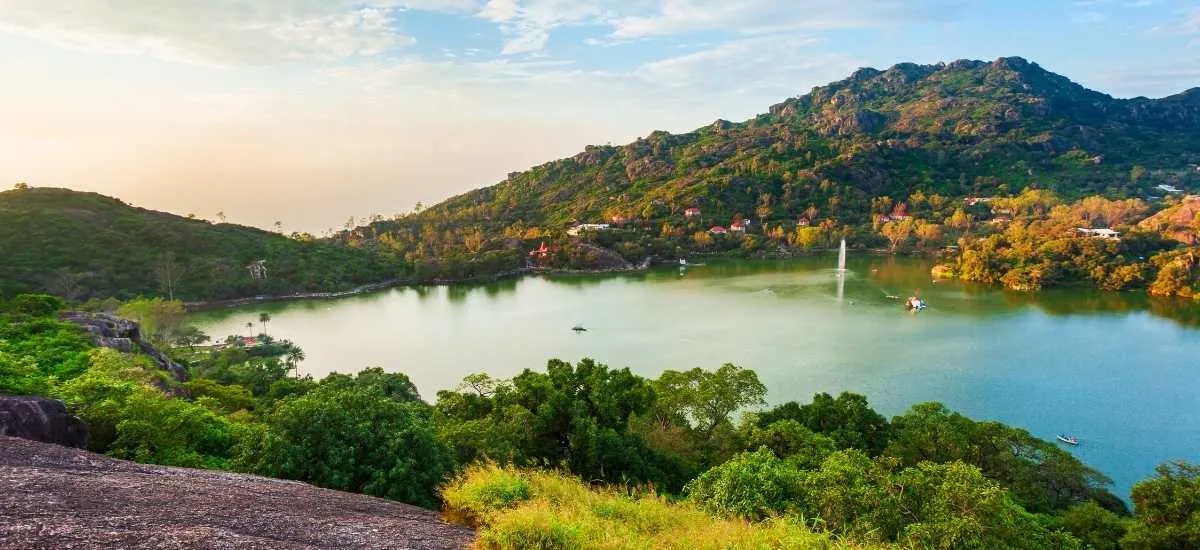
From Alleppey, most travellers head to Thekkady, which is home to the Periyar Wildlife Sanctuary and some of the best spice plantations in the world.
Thekkady is where Kerala starts to feel genuinely wild. A boat ride on Periyar Lake, which sits at the heart of the sanctuary, offers the chance to spot elephants, wild boar, gaur (the Indian bison), and a remarkable variety of bird species. The forest comes right down to the water’s edge in places, and there’s something properly thrilling about drifting quietly past a herd of elephants going about their morning routine.
The spice plantations around Thekkady are a revelation if you’ve never visited one. Walking through a working cardamom or pepper estate – the plants twisting up bamboo poles, the air thick with fragrance – puts a completely different spin on every spice rack you’ve ever owned.
Guided plantation walks are inexpensive, widely available, and genuinely absorbing. You’ll leave with a bag of fresh-ground pepper and a new appreciation for what “freshly ground” actually means.
Don’t miss: A Kalaripayattu performance in Thekkady. This ancient Kerala martial art, widely considered one of the world’s oldest fighting systems, is extraordinary to watch. The practitioners move with a combination of flexibility and controlled power that barely seems human.
With a customised Thekkady tour package, you can enjoy wildlife safari at the Periyar Wildlife Sanctuary, have leisure stays, witness cultural performances, and experience smooth local transfers with car rental services.
Varkala and Kovalam
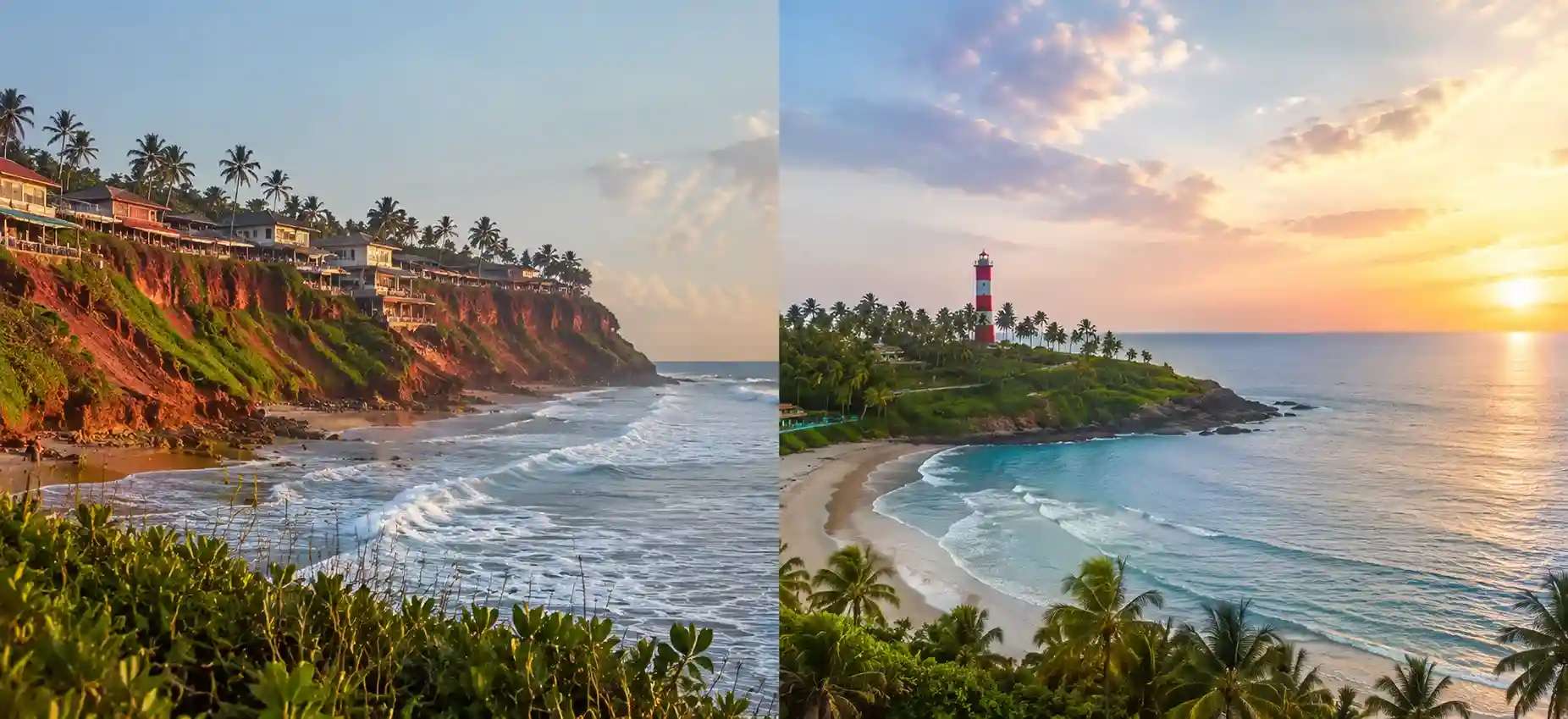
Kerala’s beaches tend to get overshadowed by the backwaters and hill stations in travel conversations, which is frankly criminal, because they’re brilliant.
Varkala is the more dramatic of the two. Red laterite cliffs rise straight up from the Arabian Sea, and along the clifftop runs a strip of cafes, yoga studios, and guesthouses with uninterrupted ocean views.
The beach at the base of the cliffs is wide and clean, and the waves are strong enough for a proper swim. At sunset, the cliffs glow terracotta, and the sea turns deep violet, which is one of those views that makes you want to stay for a week longer than you planned.
Kovalam, a short drive from Thiruvananthapuram (Trivandrum) and easily accessible with a car rental in Thiruvananthapuram, is better for families and those after a more developed resort experience. With its distinctive red-and-white striped lighthouse presiding over everything, the lighthouse beach is one of the most photographed spots in the state.
Kovalam is also an excellent base for Ayurvedic treatments. Numerous reputable clinics and resort spas offer genuine, properly administered therapies ranging from a simple relaxation massage to multi-day Panchakarma detox programmes.
Wayanad
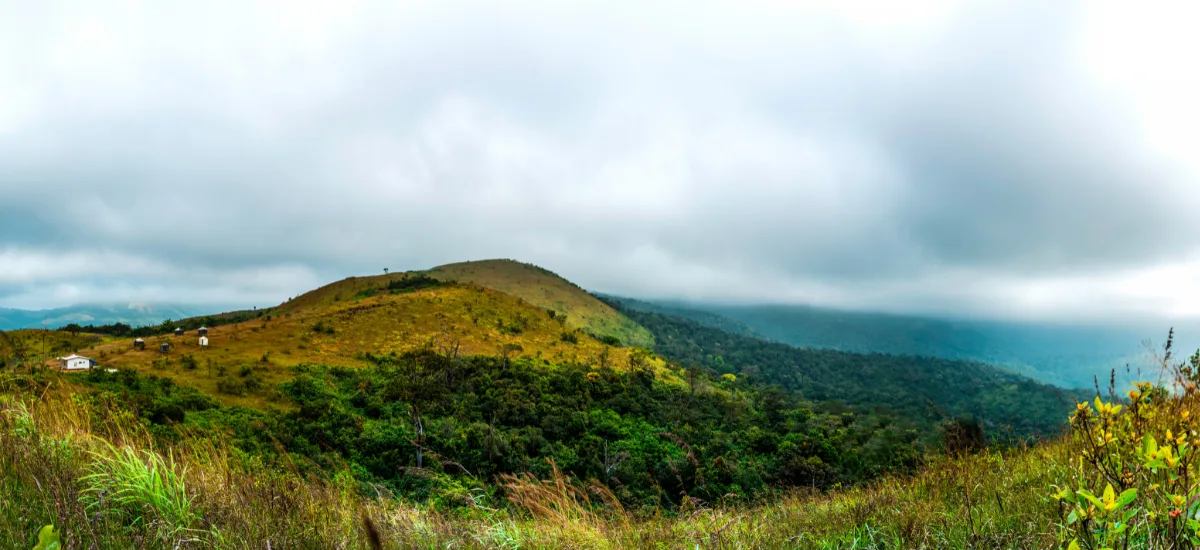
If you have or make the time, Wayanad in northern Kerala is one of the most beautiful and undervisited parts of the state you should explore.
Wayanad is all rolling forested hills, ancient caves, wildlife reserves, and misty mornings that make Munnar look positively busy. It’s a district that rewards the kind of slow travel where you don’t have much of a plan: wandering into small villages, following a forest track to see where it goes, sitting outside a tea shop at dusk watching the hills darken.
Chembra Peak is Wayanad’s most famous hike. It is a strenuous climb, features a heart-shaped lake near the summit and offers stunning views of multiple states on a clear day. Soochipara and Meenmutty waterfalls are genuinely spectacular, especially in the weeks following the monsoon.
The Edakkal Caves, with their ancient petroglyphs dating back several thousand years, are fascinating and barely publicised outside Kerala itself.
Wayanad is also prime leopard and elephant territory. Sightings are more common here than in many of Kerala’s national parks and the birding is excellent year-round. Selecting one of the best Wayanad tour packages and booking it earlier can make your exploration smooth and unforgettable.
The Aesthetic of Eating Well in Kerala
No aesthetic guide to Kerala would be complete without food, because food here is its own art form.
The classic Kerala sadya is one of the great eating experiences of the Indian subcontinent. It is a feast served on a fresh banana leaf at lunch on special occasions. Over twenty small dishes arranged in a specific order: rice, sambar, rasam, olan, avial, thoran, pachadi, payasam, the colours alone are worth photographing. Most Keralan restaurants offer a smaller version of the sadya daily, and you should absolutely eat it as often as possible.
Seafood is extraordinary here. The fish molee is one of those dishes that tastes of somewhere specific in a way that no amount of recipe reproduction elsewhere quite captures. Karimeen pollichathu, a pearl spot fish marinated in spices and cooked, then wrapped in a banana leaf, is equally special. Eat it at a simple restaurant near the backwaters, ideally with your feet near the water, and you’ll understand what I mean about Kerala rearranging you from the inside.
For breakfast, you can eat puttu (steamed rice cylinders) with coconut and banana. You can also taste appam (lacy fermented rice pancakes) with a bowl of coconut stew. Strong filter coffee served in a metal tumbler rounds everything off perfectly.
Conclusion
Kerala is a destination that distinguishes itself from the ordinary travel flow. It is the one that you can find layered, slowly revealed, deeply connected to the land, the water, and the locals preserving it for centuries.
If you have decided to explore the entire state at your own pace, picking one of the well-curated Kerala tour packages will be beneficial. Ensure the package should have an itinerary of at least 10-15 days and include everything of your choice, whether it is sightseeing, accommodation, local transfers, or even meals.
You May Also Like