

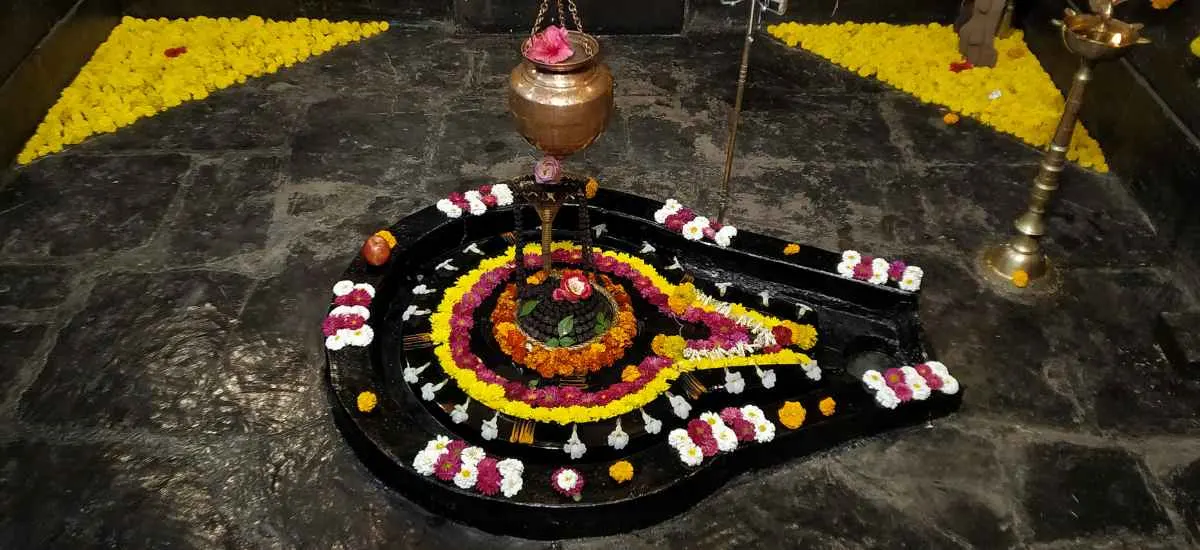
Hindus celebrate and observe several festivals throughout the year. Maha Shivaratri is one of those sacred festivals. It is dedicated to Lord Shiva, the cosmic transformative force and the supreme yogi.Hindus observe this festival on the 14th night of the dark half of Phalgun, which falls in February or March each year. Mahashivaratri/Maha Shivaratri symbolises inner purification, spiritual awakening, and the supremacy of ignorance.
Hinduism followers across India observe this festival through meditation, fasting, and the worship of the Shiva Lingam. In this blog post, learn about:
- What Is Maha Shivaratri?
- Maha Shivaratri Meaning
- Why Is Maha Shivaratri Celebrated?
- Significance of Maha Shivaratri
- Maha Shivaratri Story
- Spiritual Importance of Maha Shivaratri
- Maha Shivaratri Fast and Rituals
- How Maha Shivaratri Is Celebrated in India
- Maha Shivratri Vrat Katha
What Is Maha Shivaratri?
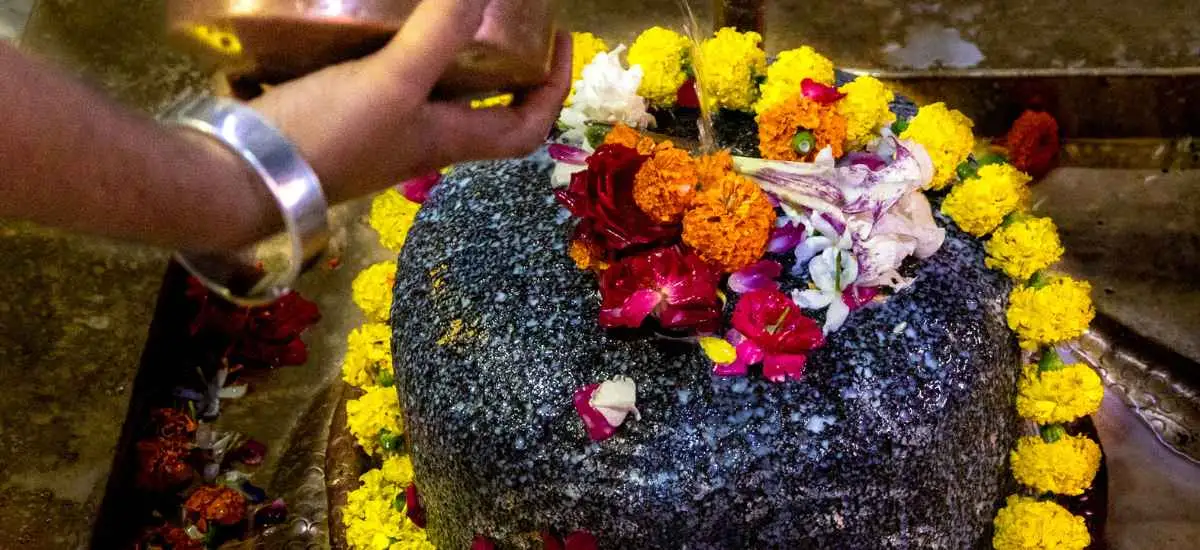
Maha Shivaratri is also acknowledged as The Great Night of Lord Shiva. It is a holy Hindu festival. Hindus celebrate it to honour Lord Shiva, who represents regeneration, destruction of evil, and eternal/universal truth. They observe it by keeping fast for the whole day, offering prayers, chanting Maha Shivaratri mantras, etc.
Mahashivaratri is more than a ritualistic celebration. It is a spiritual event in which devotees align their minds and bodies with their higher consciousness. Based on Hindu mythology and philosophy, the night is highly conducive to inner awakening and spiritual growth.
Maha Shivaratri Meaning
The word Maha literally means great, while the word Shiva means the supreme consciousness, and Ratri means night. Together, Maha Shivaratri means the great night of awakening, divine realisation, and stillness.
Spiritually, this festival represents:
- The cessation of ignorance and ego
- The meeting/merging of Shiva and Shakti
- The path to enlightenment from darkness
Yogis believe that Maha Shivaratri is the night for the peak of natural energies, spiritual practices, and meditation. People get what they wish while observing this sacred festival.
Why Is Maha Shivaratri Celebrated?
According to Hindu mythology, devotees celebrate Maha Shivaratri to honour Lord Shiva and to salute key mythological and cosmic events associated with him. This festival celebrates the victory of devotion over materialism and of consciousness over ignorance.
Vedic texts describe Maha Shivaratri as the night when:
- Lord Shiva executed the cosmic dance of destruction and creation (Tandava)
- Lord Shiva tied the knot to Goddess Parvati
- Shiva manifested as the Shiva Lingam (the infinite pillar of light)
- Shiva drank the poison that came out of Samudra Manthan. He did it to save the universe.
Significance of Maha Shivaratri
The significance of Maha Shivaratri is beyond the traditions and rituals followed. Its importance is spiritually, cosmically, and philosophically profound. You can understand this by having a close look at the following points:
Cycle of Destruction and Creation
In Hindu mythology, Lord Shiva is closely associated with the creation, preservation, and destruction cycles. The cycle reflects the temporary nature of the physical world – Maya. It degrades the eternal Brahman’s importance as the permanent reality in the changing universe.
End of Ignorance and Ego
Maha Shivaratri, or Mahashivaratri, is dedicated to Lord Shiva and symbolises overcoming ignorance and darkness in life through spiritual knowledge. Vedic texts state that ignorance of Atman (one’s true self) as Brahman causes all sufferings. Devotees perform meditations and worship on this night to cease their ego and ignorance. It leads them to Moksha (liberation).
Inner Awakening
Maha Shivaratri is a good time for self-introspection and spiritual awakening. Vedic literature encourages people to look within and feel the Atman, the innermost self. This inner self is pure consciousness. Meditation, worship, fasting, and ritual participation help devotees calm their minds, realise their true selves, and refine their consciousness.
Unity of Existence
The celebration of Maha Shivaratri with complete devotion can lead devotees to recognise the oneness behind all existence. It states that all beings want the same reality, and proper knowledge includes feeling oneself in others and the divine power in all.
Realisation of Brahman
In Vedic texts, Lord Shiva is identified as Brahman. The literature represents him as the supreme consciousness. This consciousness is eternal, beyond attributes, and omnipresent.
Maha Shivaratri Story
There are several mythological stories behind the origin, importance, and celebration of Maha Shivaratri. These stories have a deep connection to the Puranas and symbolise divine truths. Here are a few of them for your reference –
The Marriage of Lord Shiva with Goddess Parvati
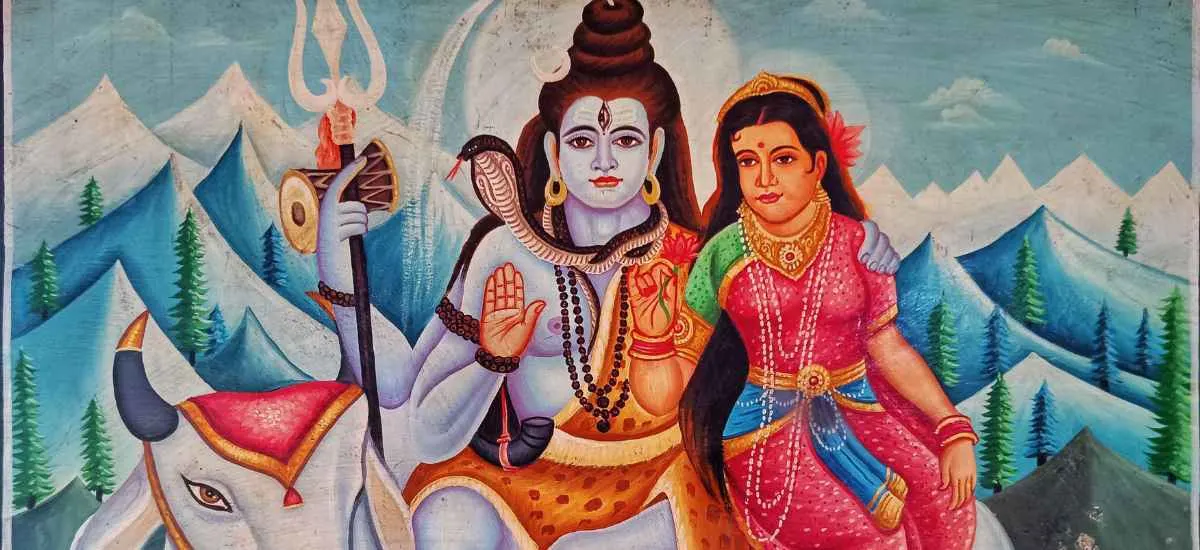
The most famous story associated with Maha Shivaratri is the marriage of Lord Shiva and Parvati. According to this story, Parvati worshipped Lord Shiva with full devotion and dedication. She did nothing without worshipping Lord Shiva.
Her devotion and constant worship won Lord Shiva’s favour. He appeared before Parvati and asked her for wishes. Parvati requested Shiva to marry her. Lord Shiva agreed and married Goddess Parvati. This marriage symbolises the union of Shiva (consciousness) and Shakti (energies). It represents:
- A harmony between masculine and feminine energies
- The balance in the universe
- The true spiritual partnership
Samudra Manthan
Another story behind the celebration of Maha Shivaratri is Samudra Manthan. It describes the race between devas (gods) and asuras (demons) to find the nectar and drink it to become immortal.
To find the nectar of immortality, devas and asuras cooperated in the churning of the cosmic Ocean of Milk. In the churning, they used Mount Mandara as a rod and the serpent Vasuki as the rope. It resulted in many treasures; Halahala (the lethal poison) was one of them.
To save the world, Lord Shiva drank this poison. It turns his throat blue. Here, Lord Shiva got a new name – Neelkantha. Hindu devotees consider it a supreme act of compassion, sacrifice, and selflessness. They celebrate Maha Shivaratri to recognise and honour Lord Shiva’s role as the protector of life.
The Manifestation of the Shiva Lingam
Another story concerns Lord Shiva appearing as an infinite pillar of fire. Finding the beginning and or end of that pillar was a challenge for Brahma and Vishnu. None of them succeeded in it. This helps establish Lord Shiva as the formless and eternal supreme power.
The pillar of light/fire, Shiva Lingam, symbolises the creation, infinity, and divine energy. Worship of this pillar on Mahashivaratri is spiritually essential.
Spiritual Importance of Maha Shivaratri
Maha Shivaratri is a compelling night for spiritual seekers. Tantra sadhaks and yogis consider this night suitable for meditation. It is, as they believe that planets are in a perfect alignment. And this enhances spiritual energies.
The religious benefits of celebrating Maha Shivaratri include:
- Purification of the soul and mind
- Better mindfulness and awareness
- Increased concentration during meditation
- Strong discipline and willpower
Many ascetics and yogis do not sleep on Maha Shivaratri. They keep chanting mantras and meditating throughout the night to go beyond their ignorance.
Maha Shivaratri Fast and Rituals
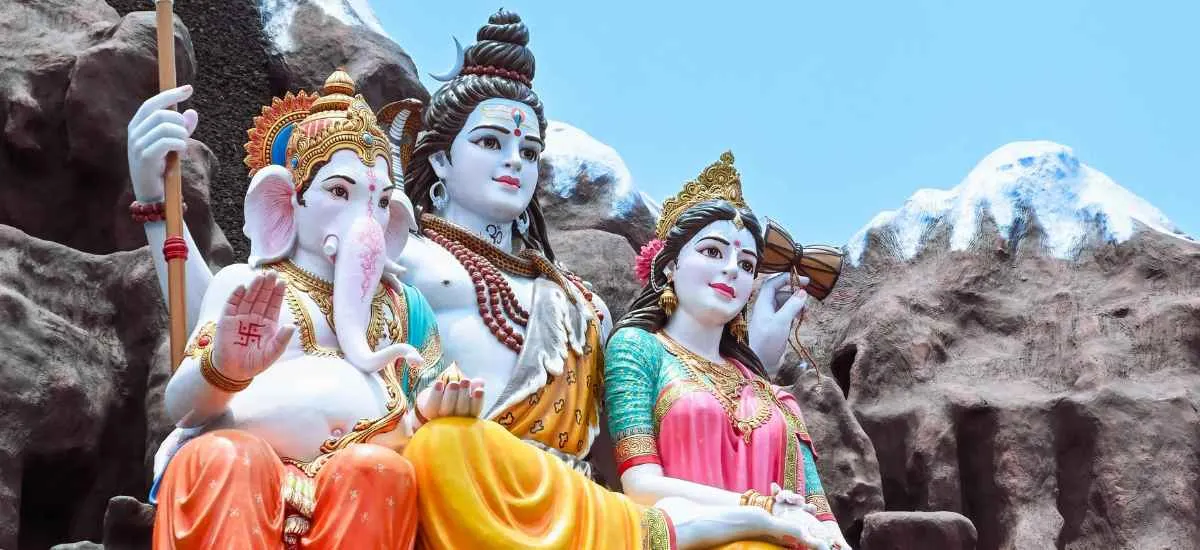
Traditional rituals observed on Maha Shivaratri vary across regions. However, these rituals have common spiritual themes. Here are some common rituals for your reference:
- Fasting – On the day of Maha Shivaratri (from sunrise to midnight or the next morning), devotees observe a partial or strict fast.
- Jagran (Night Vigil) – People stay awake, chanting mantras and meditating throughout the night.
- Abhishekam – Devotees bathe the Shiva Lingam with water, milk, ghee, or honey.
- Mantra Chanting – Reciting of Maha Shivaratri Mantra – Om Namah Shivay.
- Offering Bilva Leaves – Bael leaves are considered sacred to Lord Shiva.
Offerings with Their Significance
On Maha Shivaratri, devotees offer several things to Lord Shiva, Goddess Parvati, and the Shiva Lingam. These things have their own importance. Here are the things people usually offer to Lord Shiva:
- Bael Leaves – Highly sacred
- Milk – Purity
- Honey – Harmony and sweetness
- Water – Continuity and life
- Vibhuti (Ash) – Temporality of the material/physical world
How Maha Shivaratri Is Celebrated in India?
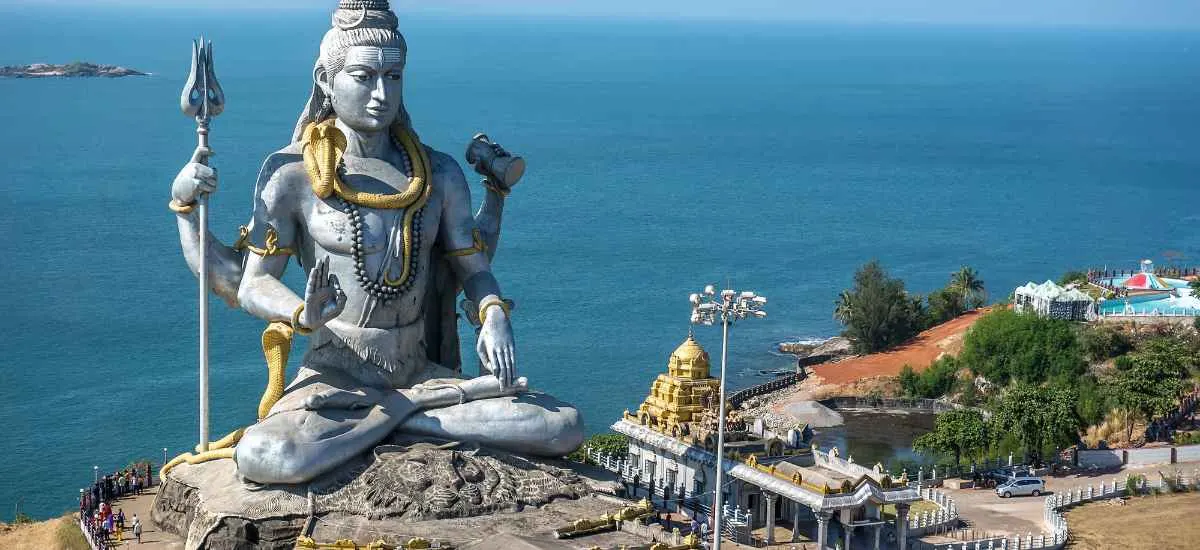
Maha Shivaratri is celebrated with complete devotion. The celebrations held at places with significant Shiva temples hold special importance. Specific celebrations occur at:
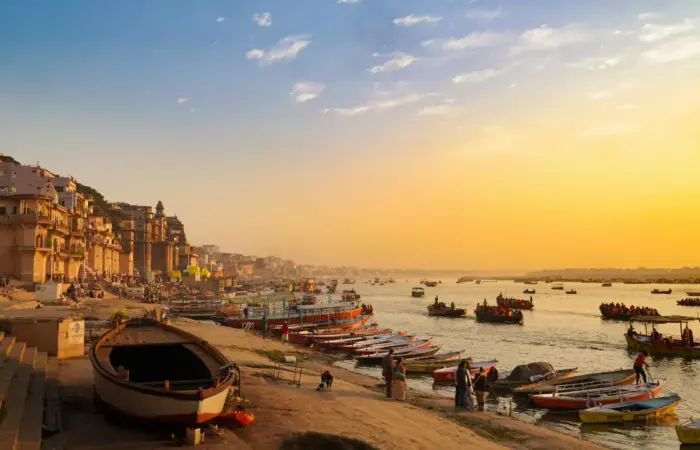
- Kashi Vishwanath in Varanasi – Grand night-long rituals
- Somnath Temple in Gujarat – Special abhishekams
- Mahakaleshwar in Ujjain – Bhasma Aarti
- Chidambaram in Tamil Nadu – Cosmic dance
Temple decorations, devotional music, processions, and spiritual discourses mark the celebrations of Maha Shivaratri.
The Symbolism of Lord Shiva on Maha Shivaratri
Each aspect of Lord Shiva’s idol has a specific meaning. Here are some aspects with their meanings:
- Third Eye – Destruction of ignorance and wisdom
- Crescent Moon – Control over time
- Snake – Mastery over death and fear
- Ashes – Temporality of Physical Life
- Meditative Posture – Inner awareness and calmness
The observance of Maha Shivaratri encourages people to understand these values and incorporate them into their lives.
Maha Shivaratri Mantra
Mantra chanting plays a significant role in the observance of Maha Shivaratri. Om Namah Shivay is a highly common and popular mantra. Chanting these mantras help devotees make Lord Shiva happy and receive his blessings. Here, know about key mantras with their meanings:
Panchakshari Mantra – Om Namah Shivaya – ॐ नमः शिवाय
It means I bow to Lord Shiva, or I offer salutations to Lord Shiva. This mantra aligns with the five elements – Earth, Fire, Water, Space, and Air. People chant this mantra for their inner purification, balance and connection to eternal consciousness.
Mahamrityunjaya Mantra – ॐ त्र्यम्बकं यजामहे सुगन्धिं पुष्टिवर्धनम्। उर्वारुकमिव बन्धनान् मृत्योर्मुक्षीय मामृतात्॥
The meaning of this mantra – We worship Lord Shiva with three eyes. Lord Shiva nourishes all living and non-living things and is fragrant. He frees us from the fear of death just as a cucumber gets separated from its stalk. He might provide immortality to us. Devotees chant this mantra for health, liberation, and victory over fear.
Rudra Gayatri Mantra – ॐ तत्पुरुषाय विद्महे महादेवाय धीमहि तन्नो रुद्र प्रचोदयात
It means we meditate and offer prayers to Lord Shiva/Rudra, who is the protector of all beings. We request him to grant us greater intellect and to illuminate our inner energy. People chant this mantra to invoke Lord Shiva’s illuminating and protective energy.
Maha Shivratri Vrat Katha
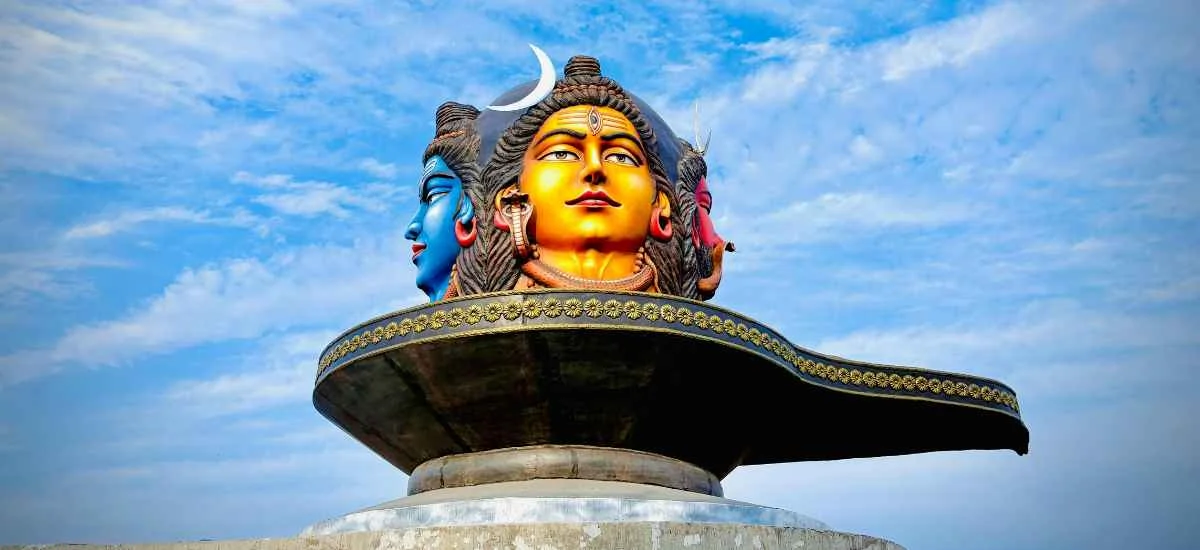
On Maha Shivaratri, Hindus recite stories, or kathas, while observing fasts and other rituals. Several stories are narrated. Here is a Maha Shivaratri Katha for your acknowledgement:
In ancient times, there was a hunter. His name was Chitrabhanu. He lived his family life by hunting animals. He took a loan from a businessman. However, he could not repay the loan within the stated time. The businessman grew angry and had the hunter brought to a Shiva temple. By chance, Shivaratri was on that day.
With full devotion and concentration, the hunter listened to spiritual discourses associated with Lord Shiva. He also heard the holy story of Shivaratri fast on the 14th lunar day. The moneylender/businessman called Chitrabhanu in the evening and asked him to repay the loan amount. Chitrabhanu, the hunter, got released by promising to return the amount on the next day.
As part of his daily routine, the hunter was hunting in the forest. He remained hungry and thirsty even after spending the whole day hunting animals to the limit of his capacity. He wandered here and there in search of prey. As darkness fell, he realised that he would have to spend the night in the jungle. To pass the night, he climbed up a bael tree near a pond.
Beneath that tree, there was a Shiva Lingam. The lingam was covered with bael leaves. Chitrabhanu was unaware of it. He tried to break branches from that bael tree to make a resting place for him. In this process, he fell on the lingam.
Thus, he incidentally observed the fast and offered bael leaves to the Shiva Lingam without knowing it. A pregnant doe came to the pond to drink water after the first watch of the night had gone. The doe stated as the hunter placed an arrow on his bow and drew the string,
“I am pregnant and will give birth to. You will destroy two lives if you kill me. It is not right. Let me give birth to. I’ll come back to you. After that, you could kill me.”
The hunter loosened his bowstring, and the doe went inside the dense bushes. In the process of bowstring tightening and loosening, some bael leaves broke off and fell upon the lingam again. The worship of the first watch of the night was completed without Chitrabhanu’s knowledge. Just after that, another doe came to the pond.
The hunter was excited. He drew the string after placing an arrow on his bow as the doe came closer. The doe humbly pleaded,
“O hunter, I have just completed my season and am consumed by desire. I am wandering in search of my beloved. Let me see my husband. I will come back to you.”
The hunter let the doe go as well. Having lost his prey twice, the hunter grew uneasy and anxious. The final watch of the night was approaching. Once again, as he handled his bow, bael leaves fell onto the Shiva lingam, and the worship of the second watch was also completed.
Then yet another doe appeared, this time with her young. For the hunter, it was a golden opportunity. Without delay, he fitted an arrow to his bow. Just as he was about to release it, the doe said,
“O hunter, let me entrust these children to their father, and I shall return. Do not kill me now.” The hunter laughed and replied, “Am I such a fool as to let prey standing before me escape? I have already lost my quarry twice. My own children must be suffering from hunger and thirst.” The doe answered once more,
“Just as love for your children troubles you, so it troubles me as well. Trust me, O hunter. I vow to leave them with their father and return immediately.”
Hearing the sorrow in her voice, the hunter was moved to compassion and let her go as well. With no prey and tormented by hunger and thirst, he unknowingly kept plucking bael leaves from the tree and tossing them down. As dawn approached, a strong and healthy stag came along the same path. The hunter resolved to kill this one.
Seeing the hunter’s drawn bow, the stag spoke gently:
“O hunter, if you have killed the three does and their young who came before me, then kill me at once as well, so that I need not endure even a moment’s grief at being separated from them. I am their husband. But if you have spared their lives, then grant me a few moments of life too. I shall meet them and return to you.” At these words, the entire sequence of the night’s events flashed before the hunter’s eyes.
He told the stag everything that had happened. The stag then said,
“If my three wives, having made their vows, fail to return because of my death, they will be unable to uphold their duty. Just as you trusted them and let them go, please trust me as well. I shall return before you with them all.”
The hunter let him go, too. Thus morning dawned. Through fasting, staying awake all night, and the offering of bael leaves upon the Shiva lingam, the worship of Shivaratri had been completed entirely without his awareness. Yet the fruit of that unconscious devotion was immediate.
The hunter’s violent heart was purified, and divine power took residence within him. A short while later, the stag returned with his entire family and stood before the hunter, offering himself to be hunted. But witnessing such truthfulness, purity, and collective love among the wild animals, the hunter was filled with deep remorse.
He spared the lives of the entire deer family. Even though he had unknowingly observed the Shivaratri fast, the hunter attained Moksha (liberation). The attendants of Lord Shiva took the hunter inside the temple and made Yam’s messengers go away. In his next birth, he became a king. It happened due to Lord Shiva’s grace. He easily recalled his previous life and kept following fast on Maha Shivaratri.
Importance of Maha Shivaratri in Today’s World
Maha Shivaratri offers people a good opportunity to reflect, pause, and reconnect with their inner values. The principles of simplicity, mindfulness, and balance embodied by Lord Shiva are increasingly relevant in modern society.
The festival encourages:
- Detachment from excess
- Mindful living
- Mental resilience
- Inner strength
Conclusion
Maha Shivaratri is a religious festival and event. It emphasises on discipline, self-awareness, and transformation. By meditating, fasting, chanting mantras, worshipping Lord Shiva with complete devotion, devotees feel their inner peace and cease their ignorance. The festival observance brings higher consciousness, balance, and compassion to human beings. It remains a powerful reminder of the universal search for enlightenment and truth.
Frequently Asked Qusetions
Q1. When is Maha Shivratri?
Maha Shivaratri falls on the 14th lunar day in Phalgun, a Hindi month. It usually occurs in February or March every year.
Q2. What is Maha Shivratri 2026 date and time?
Maha Shivaratri 2026 date is 15 February. Its observation period runs from 6:34 am on 15 February to 7:04 am on 16 February 2026.
Q3. What is Maha Shivaratri, and why is it celebrated?
Maha Shivaratri is a major Hindu festival dedicated to Lord Shiva. It is celebrated to honour Shiva’s role as the supreme consciousness. It marks significant events such as his cosmic dance, marriage to Goddess Parvati, and the manifestation of the Shiva Lingam.
Q4. What is the spiritual significance of Maha Shivaratri?
Spiritually, Maha Shivaratri represents inner awakening, self-discipline, and the dissolution of the ego. The night is considered highly favourable for meditation and spiritual practices due to heightened natural energies.
Q5. Why do devotees fast on Maha Shivaratri?
Fasting on Maha Shivaratri is believed to purify the body and mind, enhance focus, and help control desires. It is a symbolic act of renunciation and devotion to Lord Shiva.
Q6. What is the story behind Maha Shivaratri?
Multiple legends are associated with Maha Shivaratri, including the marriage of Shiva and Parvati, Shiva consuming poison during Samudra Manthan, and Shiva appearing as an infinite pillar of light.
Q7. What is the importance of staying awake on Maha Shivaratri night?
Staying awake symbolises overcoming ignorance and darkness. It is believed that nighttime meditation helps elevate consciousness and deepen spiritual awareness.
Q8. What offerings are made to Lord Shiva on Maha Shivaratri?
Common offerings include milk, water, honey, bilva leaves, fruits, and incense. Each offering carries a symbolic meaning related to purity, devotion, and detachment.
Q9. Is Maha Shivaratri only a religious festival?
While rooted in Hindu tradition, Maha Shivaratri is also observed as a spiritual and yogic event focused on mindfulness, meditation, and self-realisation.