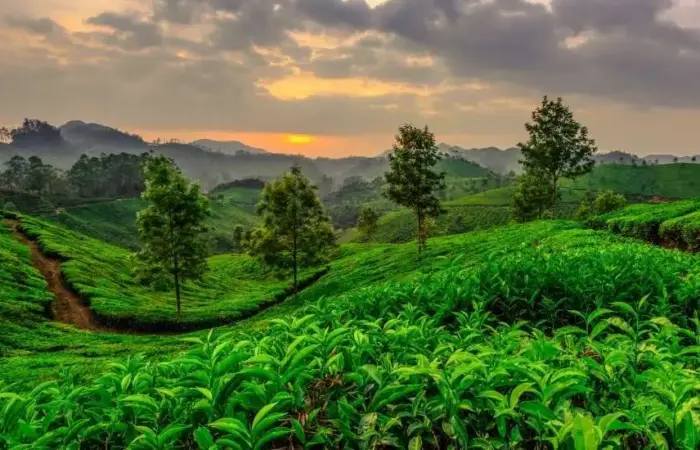


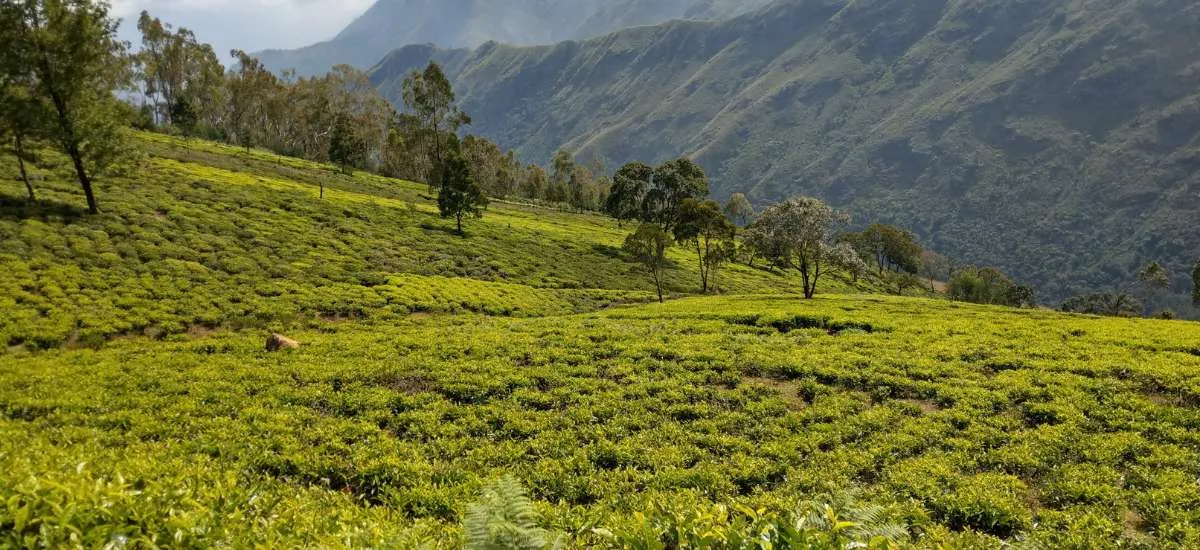
Ooty, also referred to as “Queen of the Nilgiris,” is very popular among many of the people who visit Southern India. It has tea plantations, a colonial feel with the many houses that were built there, and fog mornings or misty feelings, along with a beautiful view from the top of the hill. It has been very chewed up and polished for tourism. Most people who have visited Ooty will have had their picture taken here or have had it taken many times. But very few people take the opportunity to go beyond the polished side of Ooty and see what lies just 30 km down the road. This is a very large wilderness area and is called Avalanche.
Avalanches can be found hidden amongst the eucalyptus trees, and on winding mountain roads, and a lot of the time, they are quiet. It appears to be more like a hidden treasure of the hills than an actual tourist destination. Avalanche does not cater to tourists and does not have any shopping malls, neon lights, or semi-decent log cabins that have been built in its respective areas. What Avalanche does offer is something much rarer: untouched forests, wildflowers, Glacier Lake, and a sense that time somehow slowed down for you.
Where is Avalanche?
Avalanche is a protected reserve forest area located in the Nilgiri Biosphere, roughly 28-30 km from Ooty in Tamil Nadu. The journey itself is part of the magic.
The road narrows as you leave Ooty behind. Tourist buses disappear. Phone signals fade. Tea estates slowly give way to thick forests. Tall eucalyptus and pine trees lean in from both sides of the road like guardians. And then, suddenly, the land opens up into wide valleys, mist-wrapped hills, and one of the most breathtaking alpine lakes in South India.
Avalanche Lake, The Heart of the Hills
The main feature of this wild paradise is Avalanche Lake which was created from a great avalanche, a landslide in the 1800s that has slowly been softened by Nature to create a stunning site.
Avalanche Lake is now a long stretch of silver water between grassy hillsides. During the morning mist rising just above the lake, Birds fly across the lake. The reflection of the hills on the lake is so perfect that it is difficult to tell where the hills end and the sky begins.
The entire area is alive with colour after the rains and the post-monsoon months. Many Orchids will be growing on the trunks of the trees, and Rhododendrons are blooming in a myriad of colours from red through to pink. Magnolias will be quietly blooming, as something secret.
Explore Serene South India Hill & Temple Trail with our 7 Days 6 Nights Tour Package.
A Forest That Still Breathes
Avalanche is not a picnic spot; it is a living forest.
The area is part of the Nilgiri Biosphere Reserve, one of India’s richest ecological zones. Elephants, sambars, bison, wild boar, leopards, and hundreds of bird species roam these hills. You may not see them, but you will feel them, in broken twigs, distant calls, fresh footprints on forest paths.
The forest is thick and primal. Sunlight filters down in scattered golden shafts. Moss carpets the ground. Streams trickle down hillsides like silver threads.
Trout Fishing, A Rare Mountain Pleasure
One of Avalanche’s most unique experiences is trout fishing.
The cold, clean waters of Avalanche Lake are home to rainbow trout, introduced decades ago. Near the lake, you’ll find a government-run trout hatchery where you can rent fishing rods, bait and basic equipment.
Fishing here is not about catching fish fast. It’s about patience. You sit on the edge of the lake, mist curling around you, pine trees whispering in the wind. Sometimes nothing happens for 20 minutes. Then suddenly, a tug.
Camping at Avalanche, Sleeping Inside a Dream
This is where Avalanche truly becomes unforgettable. Camping here is not luxury glamping. It is real wilderness camping.
You pitch your tent under towering trees. The forest closes in around you. As night falls, the temperature drops, and the sky fills with stars, real stars, not the diluted city version.
There is no traffic noise. No human chatter. Only crickets, wind, distant water, and sometimes the haunting call of a nightbird.
You light a small fire. Cook your freshly caught trout. Share stories, laughter, silence. And when you finally lie down, you don’t fall asleep, you sink into the forest.
Trekking in Avalanche, Where Trails Lead Into the Wild
The region offers several trekking routes, ranging from gentle forest walks to demanding climbs that take you deep into the Nilgiri wilderness. Some trails lead to hidden meadows. Others take you through bamboo forests, across streams, and up ridges that reveal sweeping views of the Western Ghats.
The terrain changes constantly, from soft grass to rocky paths to damp forest floors.
But a word of warning: Leeches. During the monsoon and post-monsoon months, leeches thrive in the moist forest soil. They’re harmless but annoying. Wear proper trekking shoes, long socks, and carry salt or anti-leech spray.
And always carry warm clothes, temperatures drop quickly, especially after sunset.
Emerald Lake, A Mirror of the Sky
Just a short drive from Avalanche lies Emerald Lake, one of the most serene water bodies in the Nilgiris.
Unlike the busy Ooty Lake, Emerald Lake is quiet, untouched, and deeply peaceful. The water reflects the sky and surrounding hills so clearly that it feels like you’re standing at the edge of another world. There are no vendors, no noise, just grass, wind and water. Sit here long enough, and you’ll forget what urgency feels like.
Upper Bhavani, A Village Lost in Time
Beyond Emerald Lake lies Upper Bhavani, a tiny hamlet surrounded by forest and hydroelectric reservoirs. Life here moves slowly, guided by weather and daylight rather than clocks.
Wooden houses, grazing cattle, mist-covered fields, it feels like stepping into a Himalayan village, but you’re still in South India. This is the human side of Avalanche: quiet, humble, and deeply rooted in the land.
Best Time to Visit the Avalanche
The most magical time to visit Avalanche is during the post-monsoon season, from September to February.
This is when the flowers bloom, streams are full, the air is crisp, and forests glow in deep green. Monsoons (June-August) are beautiful but slippery and leech-heavy. Summers (March-May) are milder but less lush.
Explore Ooty Tour Packages with Cholan Tour.
Why Avalanche Stays With You
Most destinations give you photos. Avalanche gives you memories that feel alive. You will remember the smell of wet leaves, the trout fish filling the lake, the sound of wind moving through pine trees, and the feeling of being very small in a very big forest.
Avalanche doesn’t try to impress you. It simply exists, and in doing so, reminds you how beautiful the world was before we started decorating it. If Ooty is the Queen of the Nilgiris, then Avalanche is its wild, unchained heart.
And once you find it, you never really leave.
Frequently Asked Questions
Q1. Is Avalanche suitable for family trips?
Yes, Avalanche is suitable for families who enjoy nature and quiet travel. However, it is best for families with older children, as the terrain is hilly and the facilities are minimal. Those who prefer luxury resorts or easy accessibility may find it challenging, but nature-loving families will find it magical.
Q2. Do we need special permission to visit Avalanche?
Yes. Since Avalanche is a protected reserve forest area, visitors usually require permission from the Forest Department. Entry is often regulated, and sometimes vehicles are allowed only up to certain points. It is best to arrange your visit through the local authorities or authorized tour operators in Ooty.
Q3. Can we camp overnight at Avalanche?
Camping is allowed only in designated areas with proper permission. Independent camping without approval is not permitted due to wildlife and conservation rules. There are authorized forest rest houses and campsites that offer a safe and legal way to stay overnight.
Q4. What should we pack for an Avalanche trip?
Carry warm clothes, comfortable trekking shoes, rain protection, insect repellent, leech socks or salt, basic medicines, and drinking water. Since there are very limited shops, it is important to bring essentials from Ooty.
Q5. How is Avalanche different from Ooty?
Ooty is a bustling hill station with gardens, markets, and tourist attractions, while Avalanche is raw, quiet, and untouched. It offers forests, trekking, lakes, and true wilderness, rather than commercial sightseeing, making it ideal for travellers seeking solitude and nature.