
Makar Sankranti is a festival marking the sun’s transition into the Capricorn(Makar) zodiac. The transition is also known as ‘Uttrayan’, which depicts the end of winter and the start of the spring or harvest season. It is celebrated as a joyous occasion when the crops are ready to be harvested.
Dive into the blog to learn more about how the Sankranti festival is celebrated in various Indian states.
Makar Sankranti Celebration in Gujarat
Gujarat is a vibrant state and celebrates Sankranti as the most significant cultural festival. It is a 2-day celebration for native people to meet, greet, and mark the occasion. The festival is mainly known as Uttarayan and will be celebrated on 14 and 15 January 2026.
There are various rituals throughout the day to enjoy the festivity, involving kids, relatives, and friends.
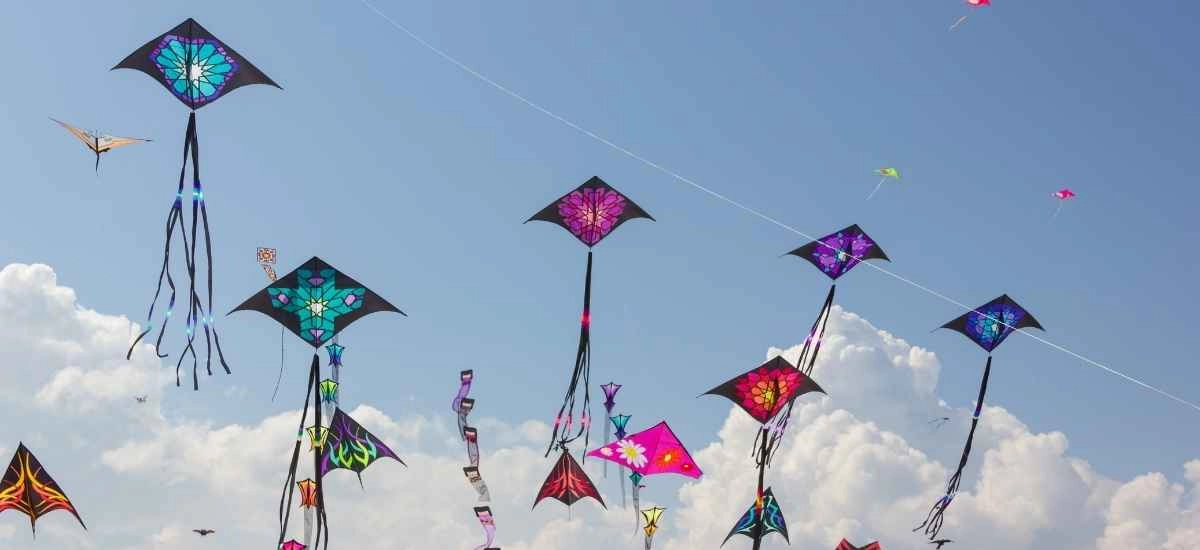
Kite Flying
In Gujarat, people celebrate the festival by flying designer kites. People gather on the rooftop with giant kites. It is a kite-flying competition using a glass-coated string. The colourful kites take over the sky, and the atmosphere is filled with joyous shouts of ‘Kai Po Che’, which means ‘I have cut the Kite’.
The skies in major cities Ahmedabad, Surat, Vadodara, in Gujarat, are all vibrant and flooded with different kinds of kites from dawn till dusk.
Special Delicacies
Several special delicacies are enjoyed throughout the day. The star dish for the day is ‘Undiyu’, a slow-cooked mixed vegetable dish often served with fluffy puris (fried bread) and sweet srikhand.
Moreover, other regional foods for Makar Sankranti are Khichdo, Kachariyu, Chikki, and Jalebi.
Night Kiting
At dusk, the normal kite flying stops and is taken over by the glowing kites and lanterns. The sky once again looks beautiful, lit with lanterns floating on the breeze.
Visiting Friends and Relatives
People visit their friends, family and relatives with gifts and sweets. It is to strengthen their existing bond. They meet and greet each other and extend their wishes at the festival.
Ethnic Dressing
Gujarat is well-known for its vibrant Bandhani fabric. Therefore, during the festivities, people wear colourful Bandhani dresses adorned with mirrors, threadwork, and various designs.
Explore Gujarat Tour Packages with Cholan Tours.
Makar Sankranti Celebration in Punjab
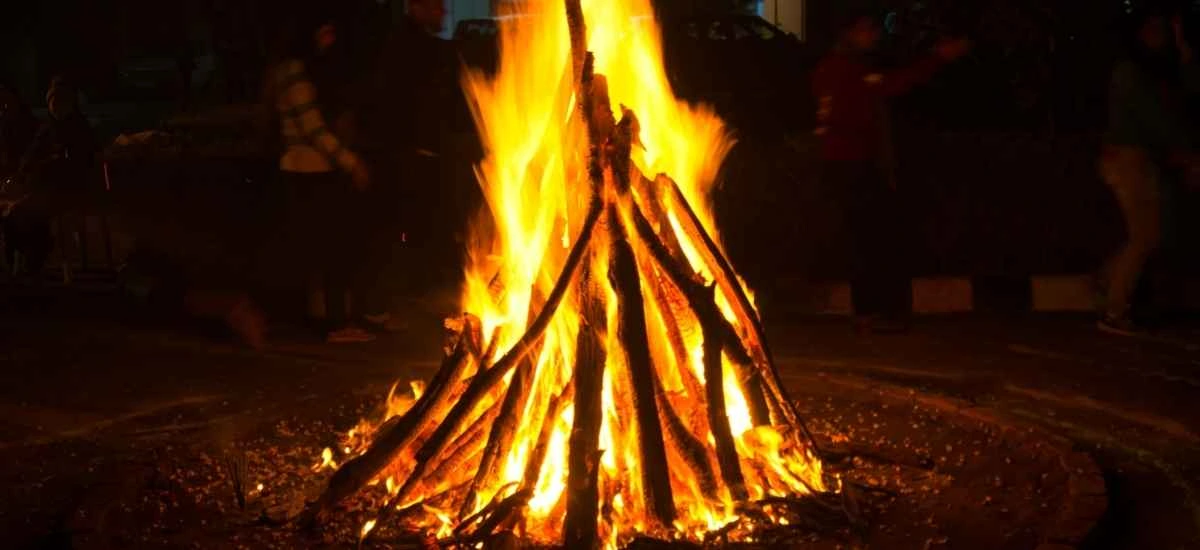
In Punjab, the Lohri festival is celebrated as part of the Makar Sankranti, the night before. Moreover, the next morning is called Maghi or Makar Sankranti, which is a celebration of the sun’s northward journey.
Meeting Friends and Family
Makar Sankranti is a significant celebration that the community participates in. Especially newborns and newlyweds take part, all dolled up in beautiful clothes that signify new beginnings.
Bonfire
On the night before Makar Sankranti, as a tradition, a bonfire is lit. The whole family gathers, including the new couples or newborn babies, and they circle the bonfire. Prayers are made for a good harvest and protection from hardship.
Offerings
When walking alongside the Lohri bonfire, people offer sesame seeds, jaggery, peanuts, and popcorn as a part of the ceremony. The offerings are devoted to Lord Agni.
Music and Dance
On Makar Sankranti, people enjoy cultural dance and music performances. The girls do ‘Gidda,’ whereas the boys perform ‘Bhangra’.
Makar Sankranti Celebration in Tamil Nadu
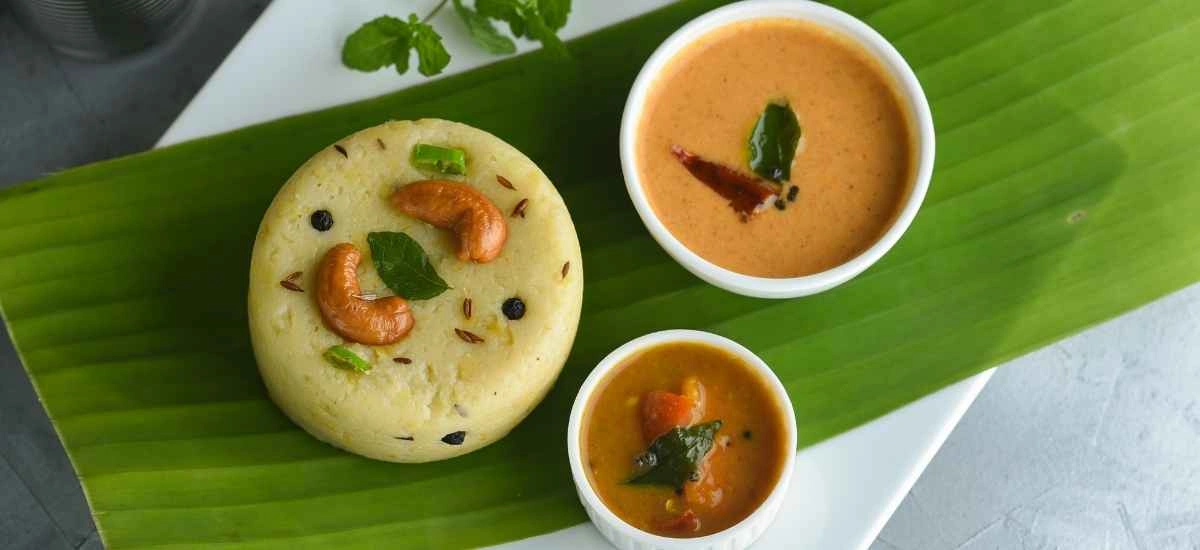
In South India, Makar Sankranti is celebrated as Pongal. It is a 4-day celebration during which people perform different rituals each day.
The first day, Bhogi, is dedicated to Lord Indra; the second day, to Lord Sun; the third day, Mattu Pongal; and the fourth and final day, Kannum Pongal, is celebrated by being together with family.
Worship to the Sun God
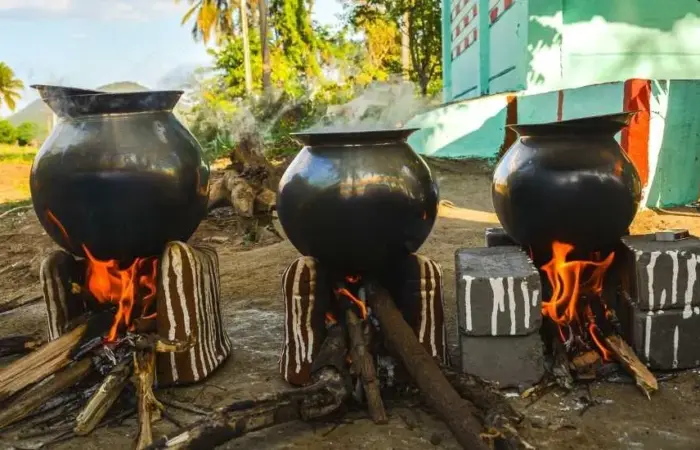
Pongal is a dish made from rice, lentils and jaggery on the second day of the festival. Along with that, several dry fruits are added to the savoury, which is an offering to the Lord Sun. After the worship, people enjoy the delicious Pongal dish.
Jallikattu
On the third day of the Makar Sankranti festival, people dress their animals in colourful costumes and bells and colour their horns. On the same day, ‘Jallikattu’, a sport of taming bulls, is enjoyed by the locals.
Makar Sankranti Celebration in Andhra Pradesh
In Andhra Pradesh, Makar Sankranti is popularly known as Pedda Panduga. It is a celebration of renewal, community and gratitude for nature.
Bhogi
The first day of the Makar Sankranti festival in Andhra Pradesh is celebrated as Bhogi. A bonfire is lit with old things; the burning of these symbolises letting go of the past and a new start.
Makar Sankranti
The second day of Makar Sankranti festivities is celebrated with rangoli-making, sweet-making (Ariselu, Pongal, and Sakinalu), a shared feast, and kite-flying in open grounds.
Kanuma
Day 3 of the festival is dedicated to the cattle that help in farming. Cattle are worshipped and decorated to show gratitude towards them.
Mukkannuma
It is the final day and is celebrated in some communities only as a feasting day. The feast is meat-based; hence, it is celebrated after the vegetarian days.
Makar Sankranti Celebration in Rajasthan
Rajasthan lies in western India, where Makar Sankranti is popularly known as ‘Sakraat’. Rajasthan’s true cultural heritage can be witnessed on this occasion.
Worshipping God Sun
It is a day dedicated to the Lord Sun, as it is celebrated for the transition of the sun to the Makar zodiac sign. The prayers are meant to ensure a good harvest this season.
Kite Flying
Kite flying is said to be a traditional way to celebrate the occasion. Weeks before the celebration, the markets are decked out with small kites, attracting the eyes.
Feasts
Special occasion means special dishes. On Makar Sankranti, people eat jaggery-made sweets in Rajasthan. Along with it, they share these sweets with their friends and family to enjoy togetherness and strengthen bonds.
Religious Donations
People believe that the day is auspicious, and donations and charity done on this day will help them gather blessings. So, money, clothes and food items are donated to the poor people post worship.
Makar Sankranti Celebration in Varanasi
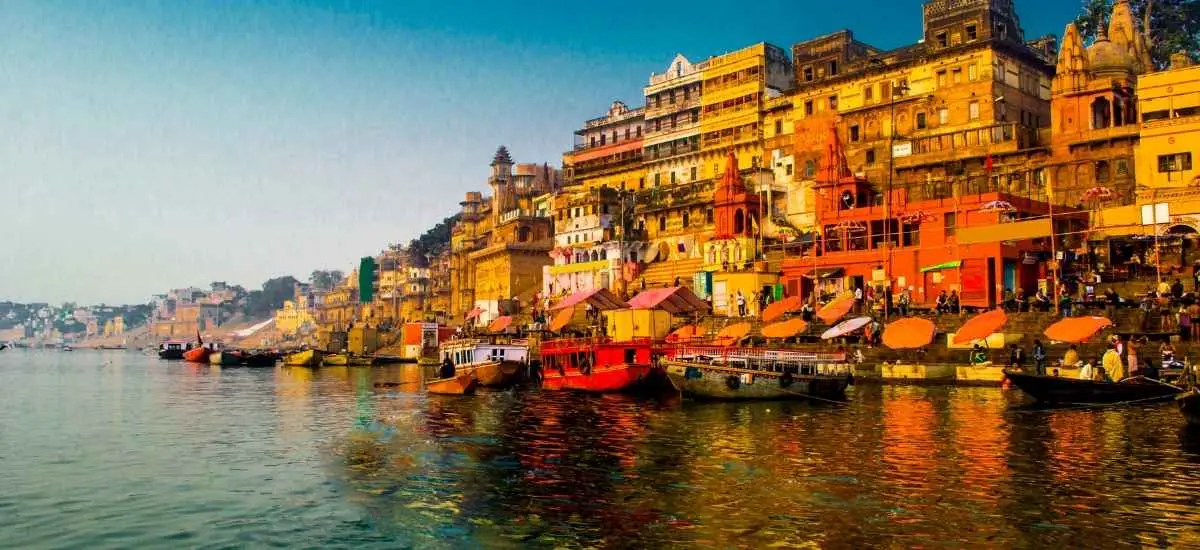
Varanasi is the spiritual city of Uttar Pradesh. It is a vibrant and bustling city where Makar Sankranti is religiously celebrated with great importance.
Holy Dip and Worshipping Lord Sun
People consider the day auspicious in this region and hence take a dip in the Holy Ganges River. It is believed that taking the dip removes any sin committed by mistake.
Charity to the Poor
After worshipping the rising sun, people offer money and uncooked food items such as rice, lentils, and vegetables to the poor. It is also done in good faith.
Making Jaggery Sweets and Feasting
Later, after worship, people enjoy the day by making sweets. They exchange jaggery sweets. Moreover, fritters are made in the evening to wrap up the day. Additionally, ‘Chura and Dahi(curd) are eaten on this day by people.
Flying Kites
Like in most north Indian states, kite flying is a traditional way to celebrate this day. Kids and men are flying kites and filling the sky with colourful ones.
Makar Sankranti Celebration in Maharashtra
The festival of Makar Sankranti marks unity, peace and harmony. In the cities of Mumbai and Pune, the festival is celebrated with different activities, including Kite flying.
Kite Flying
Weeks before the festivals, street markets are selling a variety of big and small designer kites. People gather on the rooftop and fly kites with a glass-smear string attached. The fun part is that you have to get down the other’s kite.
Food and Beverages
Puran poli and the sweets bars made of Till (sesame) and Gud (Jaggery) are the highlights of the festival celebrations.
Haldi Kumkum
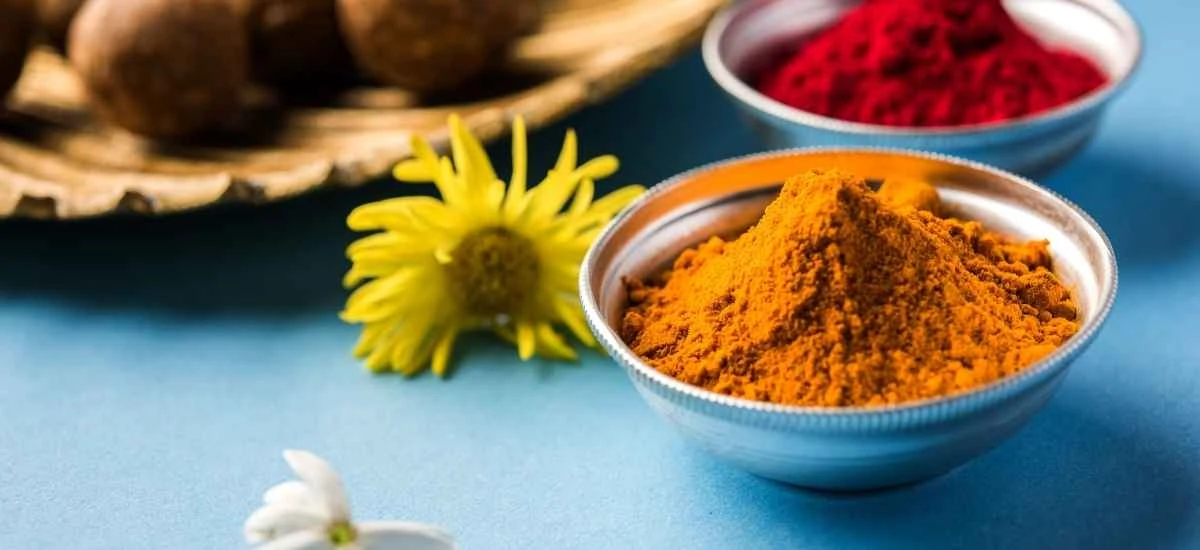
During the joyous celebration, the women apply haldi (turmeric powder) and kumkum (vermillion) to each other as a blessing and wish prosperity. The women also wear black attire symbolising auspiciousness.
Makar Sankranti Celebration in Goa
Goa is a small state in India; however, Makar Sankranti is a grand, widespread celebration there. It prominently features feasts and gatherings of men and women. The celebration typically lasts for a month.
Community Gathering
Women meet and greet each other, applying the Haldi-Kumkum mark on their foreheads to seek blessings. They also exchange gifts, perfumes, bangles and other household items. Along with it, sweets are also exchanged, especially till and gud sweets.
Temple Visits and Charity
It is believed that visiting temples and doing charity are blessings during the Makar Sankranti festival. Food, money, and clothes are donated to people in need.
Sweets
Jaggery-stuffed flatbread is made to celebrate the occasion. Moreover, there is another jaggery-based sweet called tillgul, made from a sesame and jaggery combination. While exchanging sweets, people often say ‘Tilgul ghya, god god bola’, meaning take sesame and jaggery and speak sweet words.
Kite Flying
Men and boys gather in open grounds, beaches or rooftops for flying kites of various shapes, sizes and colours. It’s a fun gathering and celebration where a competition takes place to get the rivals’ kites down.
Makar Sankranti Celebration in Karnataka
In the state of Karnataka, Makar Sankranti is celebrated as a time of togetherness and shared traditions. The festival is also known as
Cleaning and Decoration
Days before the festival, the houses are cleaned and thoroughly whitewashed to beautify them. The threshold of the house is decorated with mango leaves as a symbol of auspiciousness, and rangolis are made outside the house.
Festive Food
Special dishes on Makar Sankranti feature: Pongal (a mix of rice and lentils cooked in jaggery), Holige (sweet flatbread), Payasa (kheer), Vade, Puliyogare rice. Most of the dishes are made of the fresh harvest as a celebration.
Cattle Decoration and Cleanse
The cattle are bathed and decorated with flowers, garlands, bells, and vibrant colours on their horns. Afterwards, ‘Kichchu Haisuvudu’ is conducted, which is a process of walking the cattle through the pyre. It is traditionally believed to cleanse the cattle and bring them good luck.
Religious Activities
The day begins with the Surya puja, a worship of Lord Sun. Later in the day, ‘Ellu Bela’ exchange is done where people give each other sweets made of jaggery, sesame and dry coconut. While it is done, they say ‘ ellu bella thindu olle maathadi’ meaning eat jaggery, sesame and speak sweetly(good).
Makar Sankranti Celebration in West Bengal
West Bengal is the state of culture and literature, and it celebrates Makar Sankranti as Poush Sankranti. For Bengalis, the festival symbolises purity. All the festival preparations are done in-house.
Special Dishes
Bengalis are famous for their cuisine, especially sweets. For Paush Sankranti, they make rice-flour cakes known as Peetha, filled with jaggery and coconut.
Holy River Dips
The day is a special occasion in Hindu mythology, as it marks the sun’s transition and the start of the harvest season. So, the day is considered very auspicious to take holy river dips.
Community Fairs
Makar Sankranti in West Bengal is celebrated with great joy, and fairs are organised across the city for the occasion. Men, women, and kids attend these fairs to enjoy cultural music and dance performances.
Makar Sankranti Celebration in Odisha
Makar Sankranti is celebrated as Friendship Day in Odisha. Girls and Boys choose friends on this day, called ‘Makar’ and ’Mita’ respectively.
Worshipping Lord Jagannath
A special puja offering called Makar Chaula is prepared with Jaggery, banana, milk, coconut and sesame. It is then offered to Lord Jagannath during the worship service.
Patang Utsava
People gather with friends and family to enjoy kite flying. It is further amplified by adding music, healthy competition to get rival kites down, and a shout-out to the victor.
Cultural Activities
Various fairs are organised to celebrate the day, featuring cultural activities. These include tribal dance, music and feats. Moreover, cleansing and offering prayers to the Lord Sun.
Explore Odisha Tour Packages with Cholan Tours.
Wrapping Up!
Makar Sankranti is a popular Indian festival celebrated with great joy in most states. However, the festival’s name varies. Moreover, these festivals are celebrated in different styles throughout the country. Mostly, it is to worship the Lord Sun and welcome the harvest season.